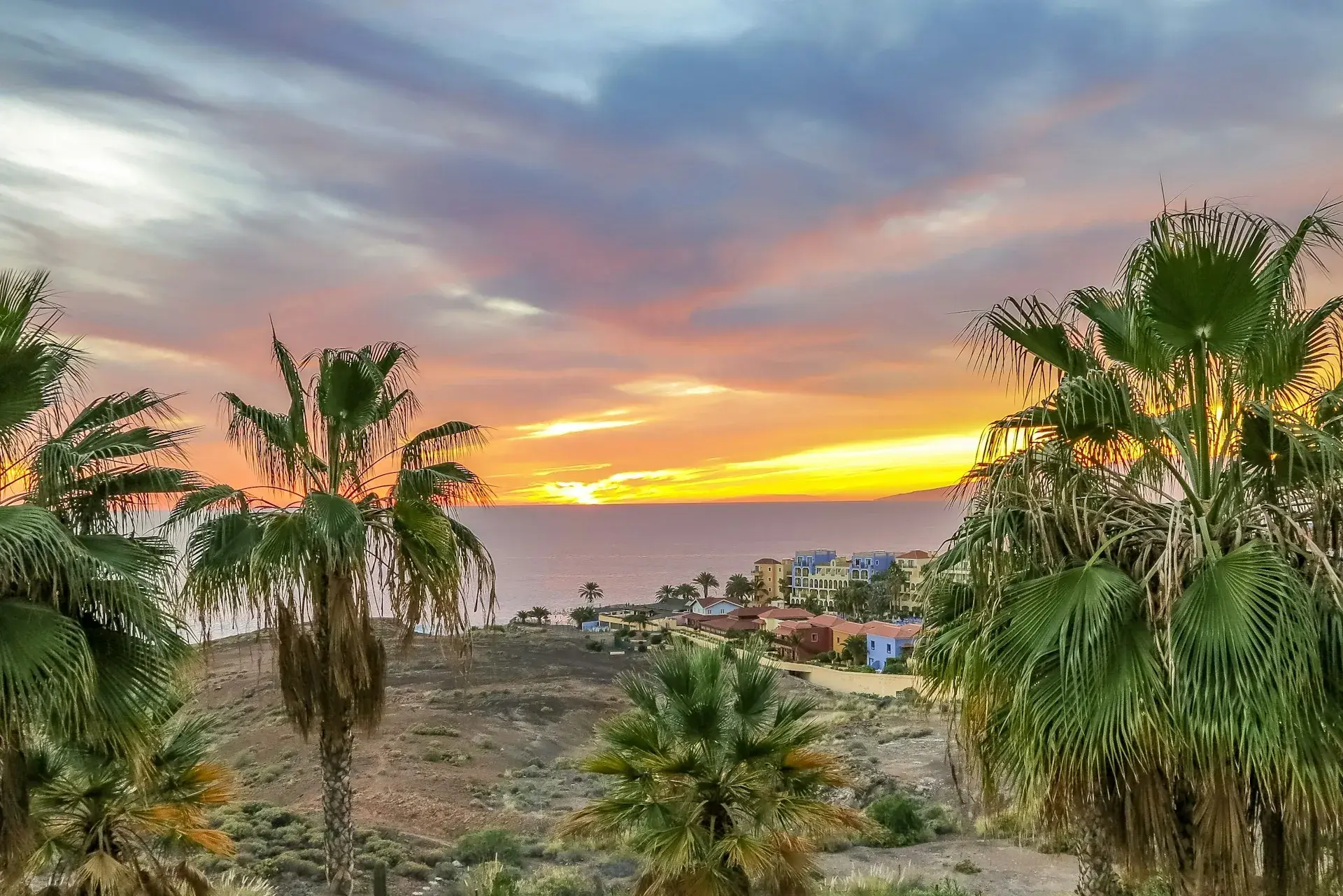
Where to stay in Tenerife: the best areas compared
Where to stay in Tenerife comes down to three things: how much sun you need, whether you will have a car and what kind of atmosphere you are after. In short: the south (Costa Adeje, Playa de las Américas and Los Cristianos, 20 minutes from the south airport) for sun, beaches and the widest choice of hotels; Puerto de la Cruz, La Laguna and Santa Cruz for towns with character and for travelling without a car; El Médano, Los Gigantes, the northwest, Anaga and the medianías (the mid-altitude belt) for wind, quiet, villages or hiking trails, almost always with a car. Here is each area with its pros, its cons and who it suits, without naming hotels.
How to choose an area: four questions
- How much sun do you need? The south and southwest lie in the lee of the trade winds and have clear skies most of the year; the north gets the sea of clouds in the afternoon and some rain in winter (according to AEMET, 132 mm a year at the south airport against 226 mm in Santa Cruz, and the north coast is cloudier still). Temperatures are almost the same all along the coast.
- Will you have a car? Without one, pick an area with a bus station (guaguas, the local word for buses): Costa Adeje, Los Cristianos, Puerto de la Cruz, Santa Cruz or La Laguna. With a car everything else opens up, and parking becomes the problem in the towns.
- What atmosphere do you want? Resort life and nightlife in Las Américas; family-friendly and quiet in Costa Adeje and Los Cristianos; local and student life in La Laguna; village life in Garachico, La Orotava or Vilaflor; seclusion in Anaga.
- Which airport are you flying into? From Tenerife South, the south and west are less than an hour away; Puerto de la Cruz and Santa Cruz, more than an hour. From Tenerife North, the capital, La Laguna and the Orotava Valley are half an hour away. Transfers are covered in getting around Tenerife.
North or south
This is the first decision and the one that shapes the trip most. The south is the answer for a beach holiday, for families with young children, for a short first visit and for anyone flying in winter in search of sun: easy sandy beaches, the largest concentration of four- and five-star hotels, harbours for whale and dolphin trips and good bus links. The downside is that it was built for tourism: the traditional Canarian villages are up in the medianías, uphill.
The north is the answer if you prefer scenery, historic old towns, guachinche food (a family-run eatery serving its own wine) and a slower pace, and if you plan to walk. It is greener, cooler and cheaper, and Teide is about 40 minutes away via the TF-21. The downside is the afternoon weather: the sea of clouds settles over the Orotava Valley on many winter and spring afternoons, and the black-sand beaches with their surf are not for a daily swim. Turismo de Tenerife sums it up in its 2026 comparison: the north for couples looking for calm, culture and hiking; the south for families, water sports and fine dining. What to see on each side of the island is in what to see in south Tenerife and what to see in north Tenerife. If you are still undecided, our comparison north or south Tenerife? goes into the detail of weather, prices and distances.
The areas one by one
Costa Adeje
The most upmarket area in the south, between Playa de las Américas and La Caleta, with the highest-category hotels, a continuous seafront promenade and the Playa del Duque and Playa de Torviscas beaches, both with Blue Flag status in 2026, plus Fañabé.
- Who it suits: families, couples who want comfort and winter travellers looking for guaranteed sun.
- Pros: a bus station with lines to the airport (40), Santa Cruz (110 and 111) and Teide (342); boat trips from Puerto Colón; a flat promenade lined with restaurants.
- Cons: the most expensive area in the south, very international dining and the town of Adeje far away, up the hill.
- Beach and weather: imported golden sand, calm water thanks to the breakwaters, sun almost all year.
- Airport: Tenerife South, roughly 20 to 25 minutes via the TF-1.
- Without a car: ideal, with excursions that pick you up at your hotel.
- Atmosphere: family and resort; the nightlife is next door in Las Américas.
- Typical accommodation: four- and five-star hotels, many all-inclusive, and apartment complexes.
Playa de las Américas
The original resort of the south, between Costa Adeje and Los Cristianos, with Playa de Troya, the promenade and the island's biggest concentration of bars, clubs and shopping centres.
- Who it suits: groups of friends, young travellers and anyone who wants nightlife within walking distance.
- Pros: everything close at hand and open late, frequent buses, surfing at Playa de las Américas, prices slightly lower than in Costa Adeje.
- Cons: night-time noise in the centre, an eighties look in some parts and little connection to the real island.
- Beach and weather: small urban sandy beaches; sun all year.
- Airport: Tenerife South, roughly 15 to 20 minutes.
- Without a car: ideal.
- Atmosphere: lively and geared to nightlife; family-friendly only at either end.
- Typical accommodation: large hotels and holiday apartments.
Los Cristianos
Arona's old fishing village, now a resort with a ferry port for La Gomera, a seafront promenade and two sandy beaches: Playa de Los Cristianos (which lost its Blue Flag in 2026) and Las Vistas (which kept it).
- Who it suits: families, older travellers, anyone looking for a quiet, accessible south, and those who want to hop over to La Gomera.
- Pros: a flat, accessible promenade, a bus station with the 40 to the airport, the 110 and 111 to Santa Cruz, the 473 to Los Gigantes and the 342 to Teide; ferries right in town; a market and a square.
- Cons: dense and busy with traffic in the centre; many older apartments; a crowded main beach.
- Beach and weather: golden sand and calm water inside the bay; sun all year.
- Airport: Tenerife South, roughly 15 minutes.
- Without a car: the best base in the south without a car.
- Atmosphere: family and residential, with a community of long-stay Europeans.
- Typical accommodation: apartments and three- and four-star hotels.
El Médano
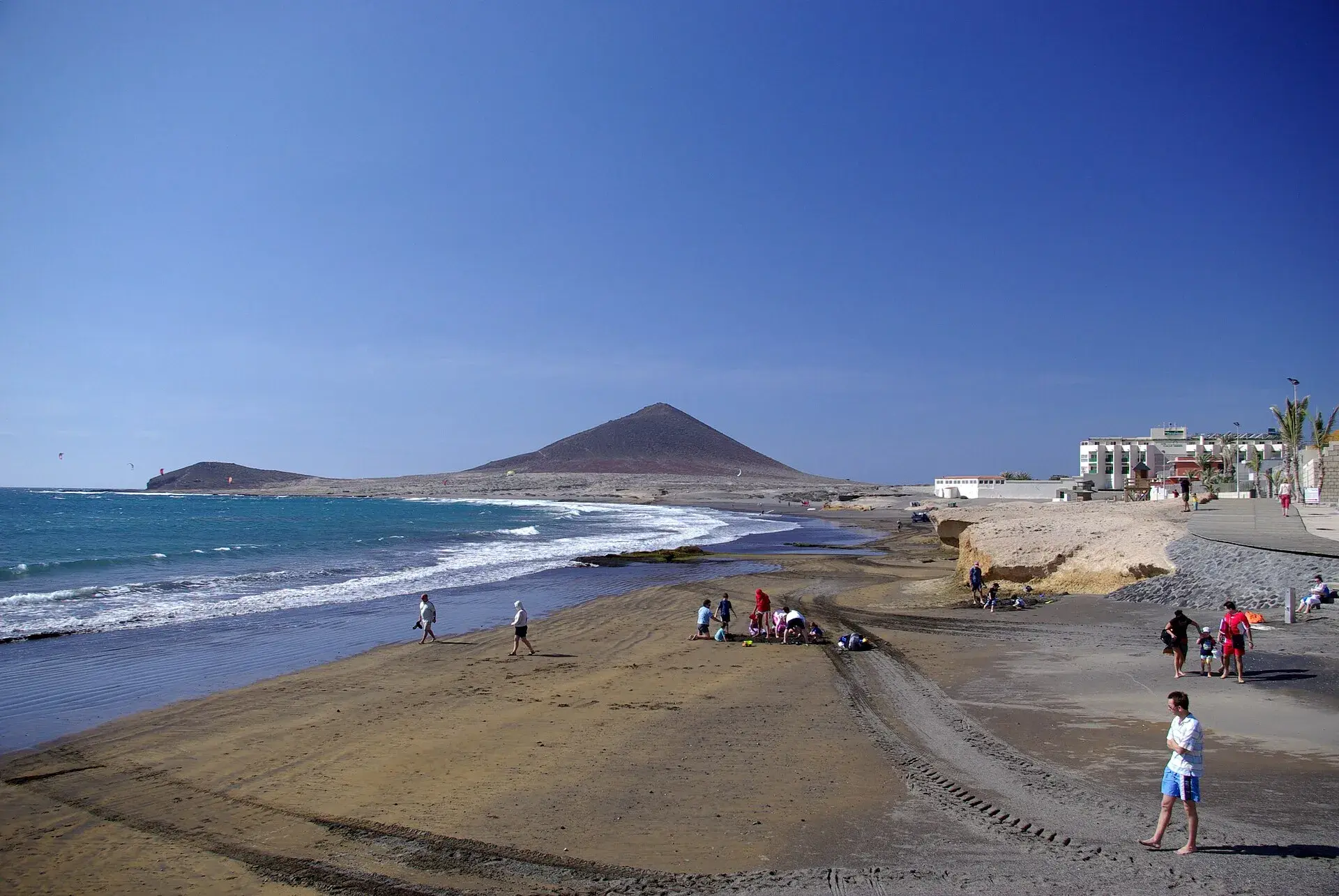
A coastal town with a character of its own in Granadilla, next to the south airport, famous for its wind, kitesurfing and windsurfing, and for La Tejita beach beneath Montaña Roja.
- Who it suits: wind and wave sports fans, travellers on short stopovers, remote workers and anyone fleeing the resorts.
- Pros: a local, young vibe, genuine cafés and restaurants, the longest beaches in the south.
- Cons: the wind blows almost every day and a parasol will not stay up; aircraft noise can be heard in some spots; few direct buses to the resort areas.
- Beach and weather: natural sand, moderate waves and wind; sunny and less hot than Adeje thanks to the trade wind.
- Airport: Tenerife South, roughly 10 minutes.
- Without a car: fine for staying in town; slow for getting around the island.
- Atmosphere: local, sporty, relaxed.
- Typical accommodation: apartments, small hotels and holiday homes.
Los Gigantes and Puerto de Santiago
The far southwest, at the foot of the Los Gigantes cliffs, with the marina, Playa de Los Guíos and Playa de La Arena in Puerto de Santiago; Alcalá and Playa San Juan are a little further south.
- Who it suits: couples, travellers with a car who want Masca and Teide (via the TF-38) close by, whale and dolphin watchers (the harbour is a base for boat trips) and anyone looking for peace and quiet.
- Pros: unique views, calm water in the harbour, sunsets over La Gomera, fewer crowds than Adeje.
- Cons: a hillside layout with lots of steps, small beaches that fill up, little nightlife, slow buses (473 and 462 towards Los Cristianos and Guía de Isora; 325 towards Icod and Puerto de la Cruz).
- Beach and weather: black sand; La Arena has waves on some days; sun nearly always, with a breeze.
- Airport: Tenerife South, roughly 45 to 50 minutes.
- Without a car: possible but limited; with a car, one of the best bases on the island.
- Atmosphere: quiet and residential.
- Typical accommodation: apartments with views and mid-sized hotels.
Puerto de la Cruz
The north's historic resort town: a seafront promenade, Lago Martiánez, Playa Jardín, the botanical garden, an old town full of squares and terraces and a local population that lives there all year round. What to see in the town is in what to see in Puerto de la Cruz.
- Who it suits: couples and older travellers, anyone who wants an easy north without a car, families (with the zoo nearby) and those who put good food and strolling first.
- Pros: historic hotels with gardens, lower prices than in the south, a bus station with the 348 to Teide, the 363 to Icod and Garachico, the 325 to Los Gigantes, the 343 to the airports and the 100 series to La Laguna and Santa Cruz.
- Cons: cloudy afternoons in winter and spring, difficult traffic and parking in the centre.
- Beach and weather: black sand with waves (Playa Jardín is the most swimmable) and seawater pools; cooler and more humid than the south, with sun in the morning.
- Airport: Tenerife North, roughly 30 to 35 minutes via the TF-5; Tenerife South, more than an hour.
- Without a car: the best base in the north without a car.
- Atmosphere: urban and relaxed, with café-terrace life.
- Typical accommodation: classic hotels, apartments and guesthouses in the old town.
La Laguna and Santa Cruz
The two cities of the metropolitan area, linked by tram: the capital, with the port, the Auditorio, the shopping and Las Teresitas beach, and La Laguna, a UNESCO World Heritage Site, with its colonial old town and the university. Each has its own guide: what to see in Santa Cruz de Tenerife and what to see in La Laguna.
- Who it suits: city travellers, those without a car, weekend breaks, Carnival and anyone whose main excursion is Anaga.
- Pros: local food and atmosphere, the tram, bus stations with every line on the island (910 to Las Teresitas, 946 to Taganana, Aeroexpress 20 to the north airport, the 100 series to the north, 110 and 111 to the south), city prices rather than resort prices.
- Cons: far from the southern beaches (an hour), few holiday hotels and difficult parking.
- Beach and weather: Las Teresitas, with golden sand and calm water, 20 minutes from the centre of the capital; Santa Cruz is sunny, while La Laguna, 500 m higher, is cloudy and cool.
- Airport: Tenerife North, roughly 10 to 20 minutes; Tenerife South, 50 to 60 minutes via the TF-1.
- Without a car: the best option on the island without a car.
- Atmosphere: urban and studenty in La Laguna; a provincial capital in Santa Cruz.
- Typical accommodation: city hotels, apartments and holiday homes in the old towns.
La Orotava and the valley
The north's historic town, above Puerto de la Cruz, with an old quarter of mansions, balconies and gardens, the TF-21 to Teide on the doorstep and mid-altitude slopes of vineyards and guachinches.
- Who it suits: travellers with a car who want Teide very close, lovers of architecture and food, and anyone looking for rural houses a stone's throw from town.
- Pros: Teide 40 minutes away, a beautiful old town, good restaurants, the Corpus Christi carpets in June, village prices.
- Cons: afternoon clouds, steep streets, distant beaches (El Bollullo, with black sand, 15 minutes away and with difficult access), minimal nightlife.
- Beach and weather: no beach in town; mid-altitude climate, cool at night.
- Airport: Tenerife North, roughly 30 minutes; Tenerife South, more than an hour.
- Without a car: possible with local buses to Puerto de la Cruz and the 348 to Teide, but awkward.
- Atmosphere: a large, local, quiet town.
- Typical accommodation: guesthouses and small hotels in the old town, rural houses on the slopes.
Garachico and Icod de los Vinos
The historic northwest: Garachico, a seafaring town beside the natural pools of El Caletón; Icod, with the Drago Milenario (the thousand-year-old dragon tree) and San Marcos beach; and Los Silos and Buenavista towards Teno.
- Who it suits: couples and travellers with a car who want village life, natural pools and the gateway to Masca and Teno.
- Pros: the prettiest old towns on the island, the charco (natural rock pool) of El Caletón, low prices, sunsets, Masca and Punta de Teno half an hour away.
- Cons: far from everything else (Santa Cruz is more than an hour away), few buses (the 363 to Icod and Puerto de la Cruz).
- Beach and weather: natural pools in Garachico, closed in rough seas, and a black-sand beach at San Marcos; northern weather, with clouds, rain and heavy seas in winter.
- Airport: Tenerife North, roughly 50 minutes to an hour; Tenerife South, an hour and a quarter to an hour and a half.
- Without a car: only if you plan to stay in town.
- Atmosphere: local and unhurried; Garachico fills up at midday and empties in the afternoon.
- Typical accommodation: charming hotels in old mansions, rural houses and holiday homes.
Rural Anaga
The hamlets of Anaga Rural Park, at the island's northeastern tip: Taganana, Almáciga, Roque de las Bodegas, Chamorga, Las Carboneras or Taborno, between laurel forest and cliffs.
- Who it suits: hikers, couples looking to disconnect and anyone who wants to sleep in silence with the wild coast in front of them.
- Pros: the best trails on the island from your door, night skies, almost empty black-sand beaches (Almáciga and Roque de las Bodegas; Benijo has been closed since July 2024 because of rockfalls), fish restaurants.
- Cons: narrow roads and fog on the ridge, few buses (the 946 from Santa Cruz to Taganana and Almáciga and the lines from La Laguna to Cruz del Carmen), no large supermarket; in 2026 the Cabildo is considering restricting access to the massif for hire cars and large buses.
- Beach and weather: black sand and dangerous waves in winter; humid climate, with sun on the coast and clouds on the ridge.
- Airport: Tenerife North, roughly 45 minutes to an hour depending on the hamlet; Tenerife South, an hour and a half.
- Without a car: only for a hiking stay from a fixed base.
- Atmosphere: rural and very quiet; no nightlife.
- Typical accommodation: rural houses and holiday homes; supply is small and sells out on long weekends.
Vilaflor and the southern medianías
Vilaflor, the highest municipality in the Canary Islands (about 1,400 m), and the mid-altitude villages of Arona, Adeje, Granadilla and Guía de Isora, between the pine forest and the coastal resorts.
- Who it suits: hikers who want Teide and the Paisaje Lunar within reach, stargazers and anyone looking for cooler air in summer without giving up the southern sun.
- Pros: clean air, dark skies, Teide 30 minutes away via the TF-21, low prices, villages with local life.
- Cons: cold nights in winter, beaches 30 to 40 minutes away, few buses (the 342 to Teide passes through Vilaflor).
- Beach and weather: no beach; mountain climate, sunny and dry but cool.
- Airport: Tenerife South, roughly 35 to 40 minutes.
- Without a car: not recommended.
- Atmosphere: rural and silent, no nightlife.
- Typical accommodation: rural houses, small hotels and the odd estate with a vineyard.
One base or two
With a week or less, a single base and day trips is more restful than moving suitcases around: from the south, Teide is an hour away, Masca 50 minutes and Anaga an hour and a half; from the north, Teide is 40 minutes away and Anaga 45. With eight days or more, two bases make sense: three or four nights in the south (Costa Adeje, Los Cristianos or Los Gigantes) for beaches, whale watching and the drive up to Teide via Vilaflor, and three or four in the north (Puerto de la Cruz, La Orotava or Garachico) for Anaga, the villages and the guachinches, with the crossing of the national park as your transfer day. If you fly into Tenerife North and out of Tenerife South, or the other way round, you can link both bases without backtracking.
By type of traveller
- Families with young children: Costa Adeje or Los Cristianos: calm beaches, a flat promenade and excursions with hotel pick-up. Activities in Tenerife with kids.
- Couples: Los Gigantes or Garachico for peace and sunsets; Costa Adeje if you prefer a hotel with a spa; La Laguna for food. Ideas in Tenerife for couples.
- Hikers: rural Anaga for the laurel forest and the coast, Vilaflor or La Orotava for Teide, Garachico for Teno. With a car in every case.
- Remote work or long stays: El Médano, La Laguna or Puerto de la Cruz, for the local atmosphere and rents that are more reasonable than in the resorts. Visas, medium-term rentals and coworking spaces are covered in digital nomads and long stays in Tenerife.
- Nightlife: Playa de las Américas; for an alternative with more character, La Laguna on Thursdays and Fridays.
- Guaranteed winter sun: the Costa Adeje – Los Cristianos strip or Los Gigantes. The time of year matters as much as the area: the best time to visit Tenerife explains the weather month by month.
Common mistakes
- Booking in the north and expecting a daily beach in winter: black sand, waves and afternoon clouds; for a daily swim from November to March, choose the south.
- Landing at Tenerife South with a hotel in Puerto de la Cruz and no car: the transfer takes more than an hour on the 343 or by taxi; if your base is in the north, try to fly into Tenerife North.
- Forgetting about parking in La Laguna, Santa Cruz and Puerto de la Cruz: ask whether the accommodation has a space or a garage nearby before booking if you are bringing a car.
- Booking late for Christmas, Carnival or August: the capital sells out during Carnival (19 to 28 February in 2027) and the south over Christmas and New Year.
- Assuming all-inclusive is the best option: outside the hotel you can eat well and cheaply, especially in the north; bed and breakfast leaves you free for guachinches and fish restaurants.
Frequently asked questions
What is the best area to stay in Tenerife for a first visit?
For a first week-long trip, Costa Adeje or Los Cristianos: guaranteed sun, calm beaches, a bus station and excursions to everywhere. If you prefer a town with character to sun, Puerto de la Cruz. The basics are in first time in Tenerife.
Is it better to stay in the north or the south of Tenerife?
In the south if beaches and sun are the priority, especially in winter; in the north if scenery, villages, food and hiking come first. With more than a week, split your nights between the two.
Where should I stay in Tenerife without a car?
La Laguna and Santa Cruz (tram and every bus line), Puerto de la Cruz (bus station and a walkable town) and Los Cristianos or Costa Adeje (buses to the airport, Santa Cruz and Teide), in that order. Avoid Anaga, the medianías and the northwest.
Which area of Tenerife has the best beaches to stay near?
Costa Adeje and Los Cristianos for fine sand and calm water; El Médano for long, natural beaches with wind; Las Teresitas, in Santa Cruz, for golden sand in the north-east, next to the capital. They are compared in the best beaches in Tenerife.
Where should I stay in Tenerife to visit Teide?
You can drive up for the day from any area, but the closest bases are La Orotava and the valley (40 minutes via the TF-21), Vilaflor (30 minutes) and Los Gigantes (via the TF-38 from Chío). To see sunrise or the stars without driving at night, the Parador, the only hotel inside the park, needs booking well in advance.
Keep planning
You may also like
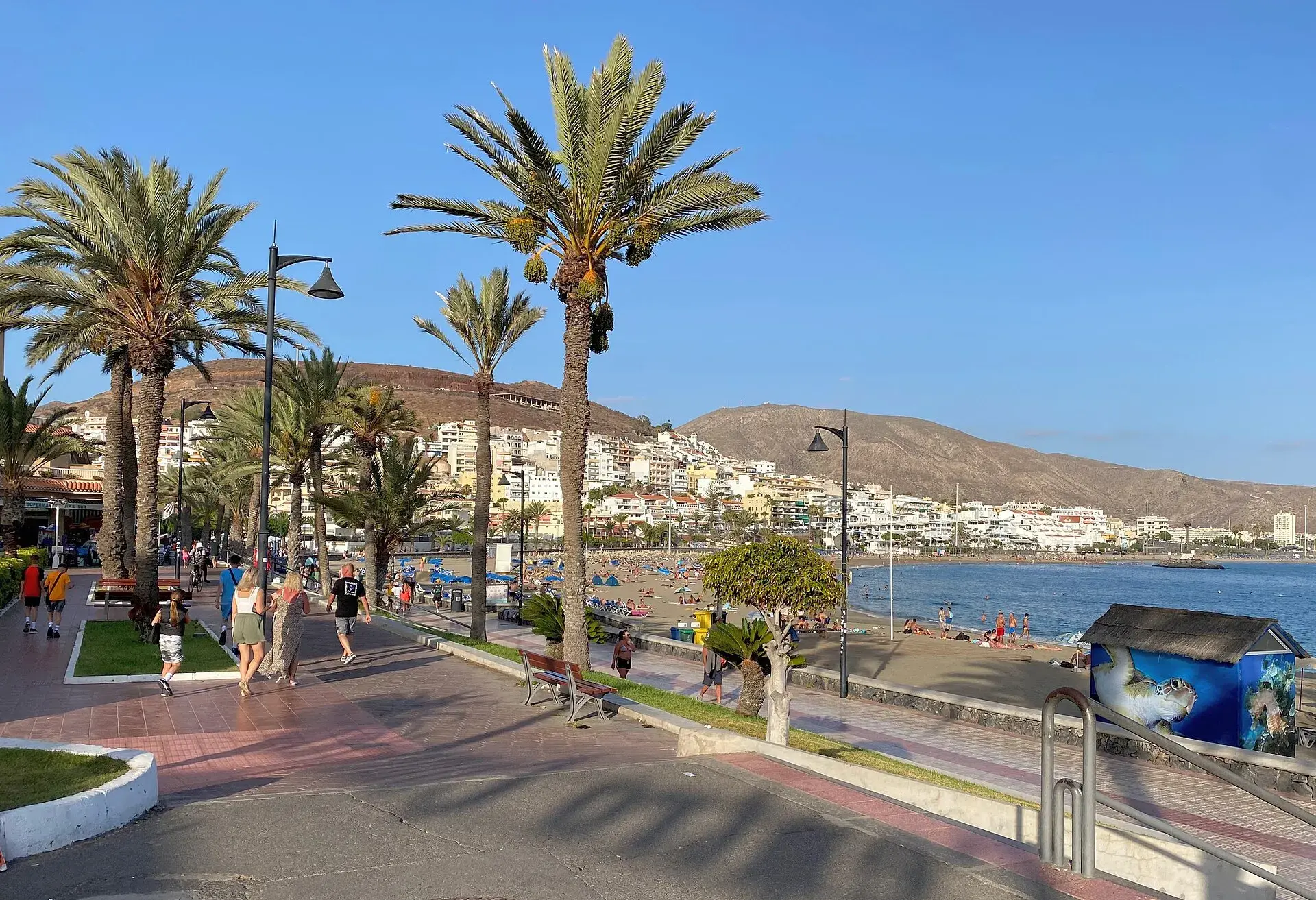
Accessible Tenerife: beaches, transport and step-free visits
Accessible Tenerife: beaches with assisted bathing and amphibious chairs, airport assistance, buses, tram and eurotaxi, and which visits work in a wheelchair.
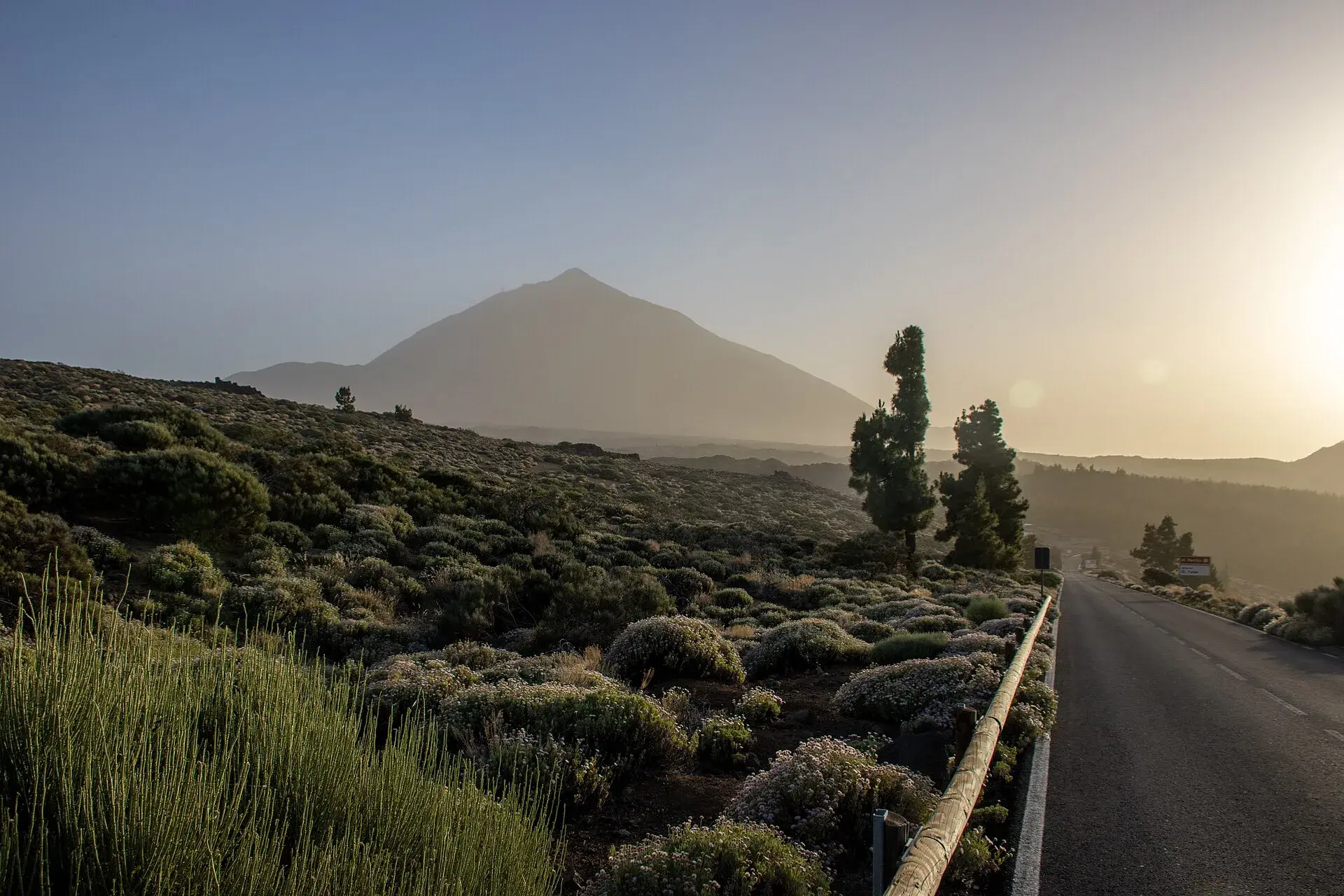
Calima in Tenerife: what it is, when it comes, how it affects you
Calima in Tenerife: what Saharan dust is, which months it tends to arrive, how it affects health and flights, where to check warnings and what to do that day.
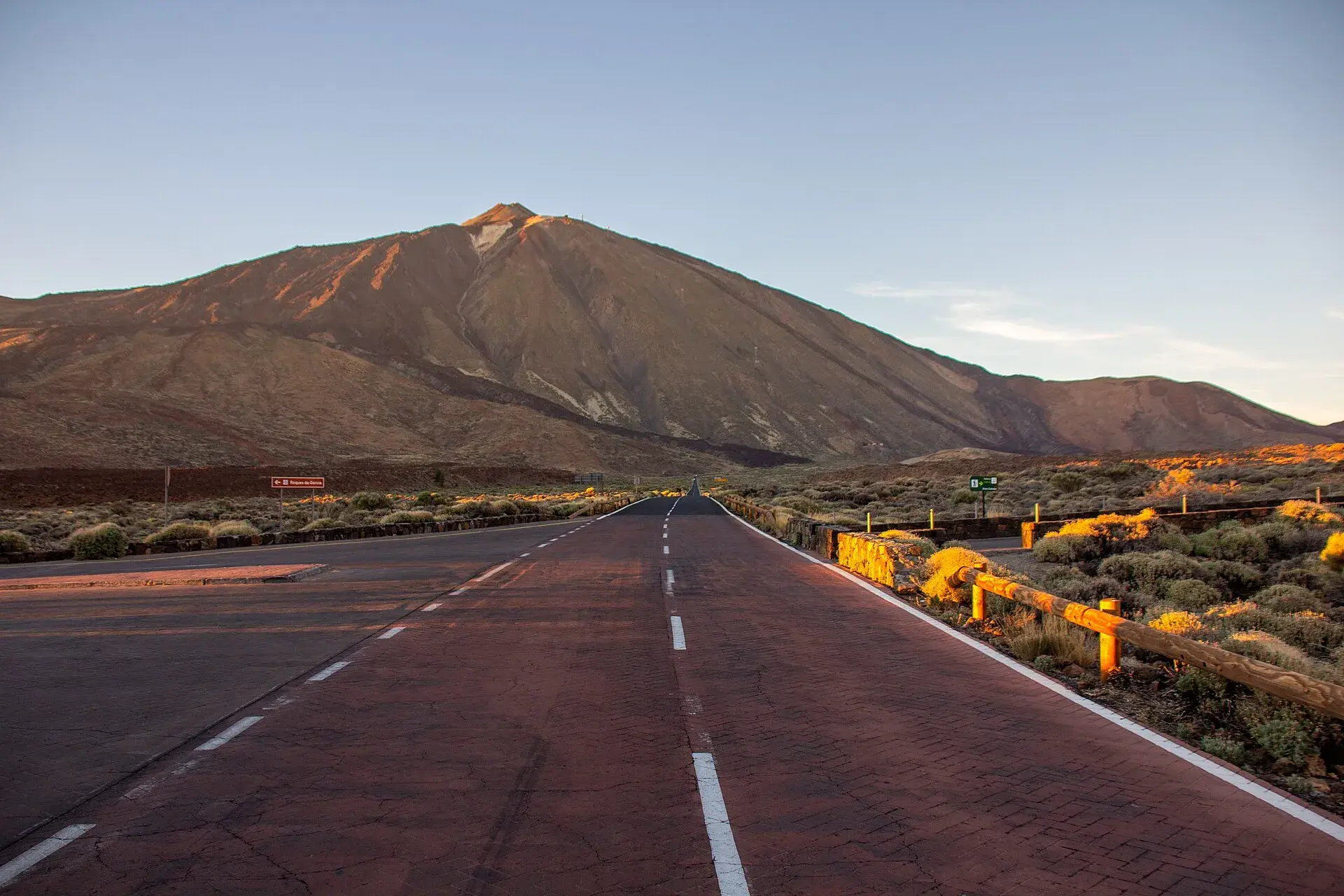
Car hire in Tenerife: insurance, deposit and useful tips
Car hire in Tenerife without surprises: when it pays off, insurance and excess, deposit, fuel, child seats, Masca, Teide and what to check at pick-up.
Digital nomads in Tenerife: visa, areas, housing and internet
Digital nomads in Tenerife: the remote work visa and 2026 requirements, EU citizen registration, the best areas to live, renting, healthcare and internet.