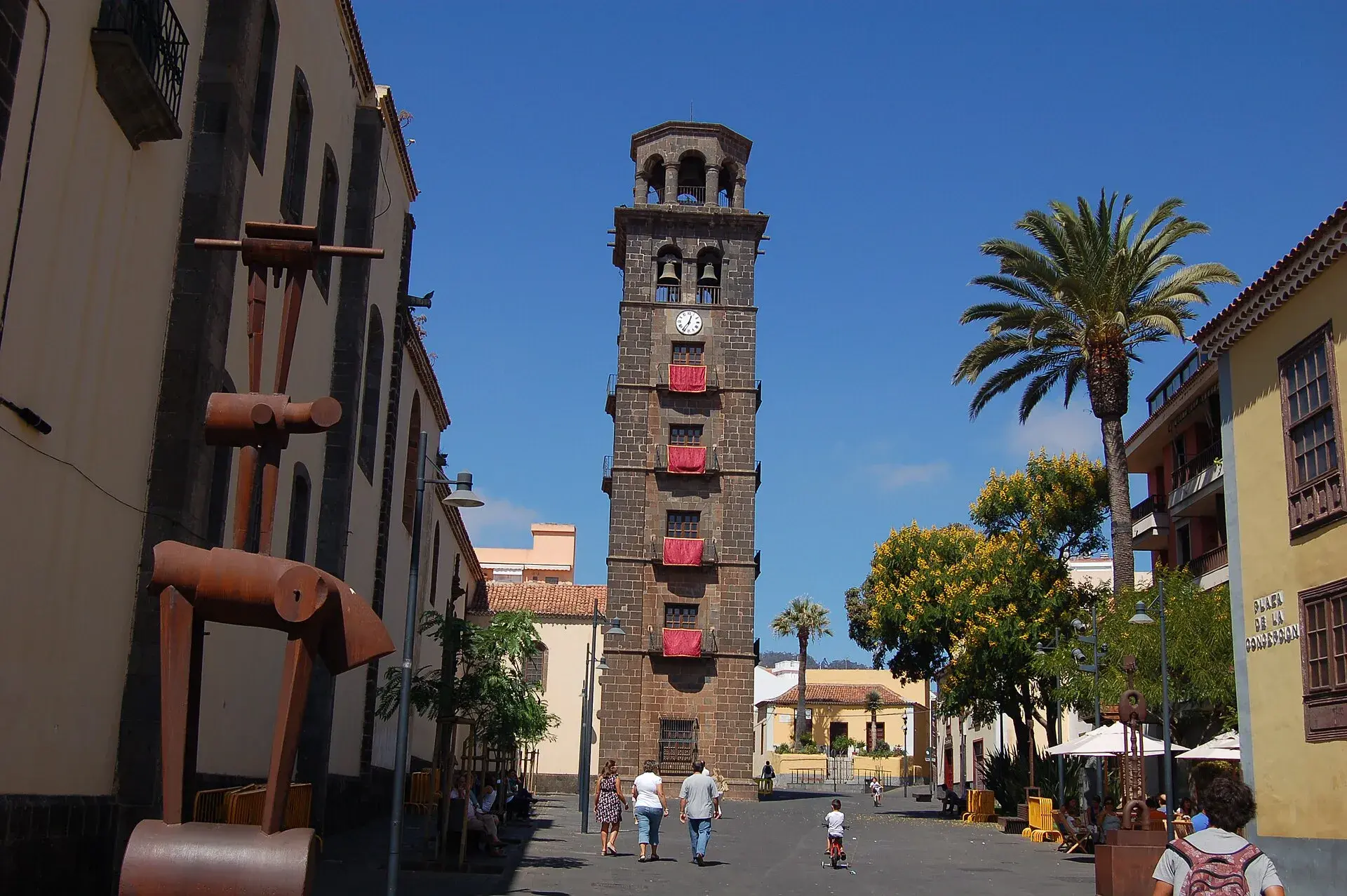
Photo by Daniel García Asensio, CC BY-SA 3.0 es, via Wikimedia Commons
La Laguna, Tenerife: old town, museums and how to get there
Everything worth seeing in La Laguna fits into a flat, mostly pedestrian old town: calle Obispo Rey Redondo (La Carrera) and calle San Agustín, the cathedral, the Iglesia de la Concepción and its tower, plaza del Adelantado with the municipal market, mansions with courtyards and wooden balconies, and two museums run by the Cabildo (the island government). Half a day is enough for the walking route; allow a full day if you go into the museums and drive up to Las Mercedes, the gateway to the Anaga Rural Park. You can get there by tram from Santa Cruz without fighting for a parking space.
Why La Laguna is a World Heritage Site
San Cristóbal de La Laguna, to give it its full name, was Tenerife's first capital after the Castilian conquest at the end of the 15th century. UNESCO added its old town to the World Heritage List in 1999 as an example of an unwalled colonial city laid out on a grid, a model later repeated in many cities founded in the Americas. The city has two historic parts: the Villa de Arriba (upper town), the original core around the Iglesia de la Concepción, and the more orderly Villa de Abajo (lower town), with the cathedral and the straight streets where most of today's strolling happens.
You notice that layout as you walk: parallel streets, long views towards the Las Mercedes hills, and one- or two-storey houses with colourful facades, sash windows and balconies made of tea (the resinous heartwood of the Canary pine). It is also a university city, with the Universidad de La Laguna on its outskirts, which keeps it lively on weekdays and at night.
Walking route through the old town: recommended order
The route below starts near the tram and the bus station (guaguas is the Canary word for buses), crosses the old town along its two main axes and comes back. It is about two kilometres with no hills; allow two to three hours with stops and without museums.
1. Plaza del Adelantado and the municipal market
This is the largest square in the old town and a good starting point. Around it stand the Palacio de Nava, one of the most photographed noble facades in the city; the Convento de Santa Catalina, an enclosed convent; and the Ermita de San Miguel, which hosts temporary exhibitions. Next to the square, with its official address on plaza del Cristo, is the municipal market: it opens every day until 14:00 (from 6:00 Tuesday to Saturday and from 7:00 on Mondays and Sundays, according to the town council). On Tuesday, Thursday and Saturday mornings there is also the farmers' market, with produce sold directly by growers; details are in the guide to markets in Tenerife.
2. Calle Obispo Rey Redondo (La Carrera)
This is the main axis of the old town, pedestrianised, with shops, terraces and historic buildings on both sides. Here you will find the Casa de los Capitanes Generales, built between 1624 and 1631 for Captain General Diego de Alvarado Bracamonte, with its central courtyard and red stone frames. Today it houses the town council and the tourist office, the best place to pick up a map, ask about the council's guided tours and check church opening times.
3. Catedral de Nuestra Señora de los Remedios
At the end of La Carrera the cathedral square opens up. The current building, with a neoclassical facade, reopened in 2014 after a long restoration that required rebuilding much of its structure. The cultural visit is paid, with an audio guide, and has limited opening hours that change around services; the tower climb runs in small groups. Check prices and times on the cathedral's official website before you go, because the figures in circulation do not match.
4. Calle San Agustín and its mansions
Running parallel to La Carrera, calle San Agustín has the highest concentration of stately houses in the old town: the Palacio de Salazar, seat of the bishopric; the former Convento de San Agustín, with its roofless ruined church; and the Instituto Canarias Cabrera Pinto, which opens its cloisters when it hosts exhibitions. At number 22 is the Casa Lercaro, home to the Museum of History and Anthropology (see below).
5. Iglesia de la Concepción and its tower
At the edge of the Villa de Arriba, the Iglesia de la Concepción is considered the oldest church in the city, and its late 17th-century tower is La Laguna's most recognisable silhouette. From the top you see the grid of rooftops, the surrounding farmland and, on clear days, Anaga. Access to the tower has had its own opening hours and fee; confirm them at the tourist office, because they vary with works and services.
6. Back via plaza del Cristo
To finish the route, head down to plaza de San Francisco and the Real Santuario del Cristo de La Laguna, home to the statue at the centre of the September festivities. From there, plaza del Cristo and the market are a few steps away and the tram is about ten minutes on foot.
Museums in La Laguna
The Cabildo's two museums in La Laguna share opening hours and prices, according to Museos de Tenerife: Monday to Saturday 9:00 to 19:00, and Sundays and public holidays 10:00 to 17:00; they close on 24, 25 and 31 December, 1 and 6 January and Carnival Tuesday. General admission to the permanent exhibitions costs €5 (€3 for Canary Islands residents), with reduced prices for students, over-65s and large families, and it is free for everyone on Fridays and Saturdays from 16:00 until closing (as of October 2026).
Museum of History and Anthropology: Casa Lercaro
It occupies a 17th-century mansion on calle San Agustín and tells the island's story from the conquest onwards: the sugar and wine economy, colonial society and daily life. The building itself, with a wooden courtyard and galleries, is part of the appeal. Allow an hour.
Museum of Science and the Cosmos
It is outside the old town, on avenida de Los Menceyes, about twenty minutes on foot or a short drive. It is a hands-on museum of experiments about the universe, physics and the human body, with planetarium sessions at €1. If you are travelling with children, it is the most rewarding visit, and a good plan when the weather is poor. The full list of the island's museums is in the guide to museums and culture in Tenerife.
How to get to La Laguna
By tram
Tram line 1 links the Intercambiador (main bus and tram station) in Santa Cruz with La Laguna in about 40 minutes end to end. The Padre Anchieta stop (next to the bus station) and La Trinidad (end of the line) are the closest to the old town, about ten minutes' walk from plaza del Adelantado. It runs at high frequency and accepts the ten+ card and tourist passes; fares are in the guide to getting around Tenerife. It is the most convenient way to combine La Laguna and the capital on the same day.
By bus
La Laguna bus station, next to Padre Anchieta, gathers the routes to the north (101, 102), Bajamar and Punta del Hidalgo (050) and Anaga. From Tenerife North airport, a few minutes away, TITSA's Aeroexpress line 20 stops in La Laguna. Bear in mind that the Cabildo has awarded a full refurbishment of the bus station, due to start in mid-November 2026 and last about 20 months: during that time buses will leave from a temporary station split between avenida Ángel Guimerá and the university's central campus. Check the stop on the TITSA website before you go.
By car and where to park
Much of the old town is pedestrianised and street parking is hard to find, especially on weekdays with university traffic. The sensible option is to leave the car in one of the paid car parks on the edge of the old town and walk. If you are staying in Santa Cruz or coming from the south, another option is to park in the capital and take the tram up. Avoid driving into the inner streets: besides being narrow, many have restricted access.
Climate: cooler and damper than the coast
La Laguna sits at about 550 metres above sea level, on a plain open to the trade winds (the moist north-easterly winds). That is why it is cooler than Santa Cruz and the south, often clouds over and gets drizzle even when the sun is shining on the coast. Bring a jacket or windbreaker at any time of year and do not plan your visit around beach temperatures. The upside: it is a comfortable city for walking in summer, when it is hot down below. Before you set off, check the forecast for the city itself, not the coast.
Main festivals
- Holy Week (March or April): La Laguna's is one of the most deep-rooted in the Canary Islands, with processions through the old town between the cathedral, the Concepción and the other churches. It is a very busy week with expensive accommodation.
- Fiestas del Cristo (September): the city's big month. According to Tenerife Tourism, the programme brings together more than fifty cultural, religious and sporting events throughout September, with the 14th as the main day: the procession of the Cristo, fireworks and, the night before, the dance of the caballitos de fuego (fire horses). On the main days the tram usually adds extra services.
- Corpus Christi (May or June): flower carpets in some streets of the old town, although the island's best-known celebration is in La Orotava.
Where to eat and go for tapas
University life makes La Laguna a good city for tapas without spending much. The streets around La Carrera and the area known as the Cuadrilátero, next to the university, are packed with tapas bars, taverns and terraces that fill up on Thursday and weekend nights. The old town also has Canarian restaurants in old houses with courtyards, quieter at lunchtime.
If you want the guachinche experience (seasonal eateries linked to the wine harvest), they are in the northern hillside villages a few kilometres away: Tacoronte, El Sauzal or La Matanza. They are explained in the guide to guachinches in Tenerife.
Trip to Las Mercedes and Anaga
From the old town, the TF-12 road climbs through the Las Mercedes forest to the Cruz del Carmen visitor centre, at about 920 metres, in the heart of the Anaga Rural Park. In twenty minutes by car you go from the city to a laurel forest (laurisilva, the subtropical humid forest with laurel-like leaves), with viewpoints over the plain and short signposted trails. Buses 076, 077 and 275 go up from La Laguna bus station, and the 273 runs at weekends and on public holidays. Full details, permits included, are in the guide to the Anaga Rural Park.
A morning in the old town and an afternoon in Anaga is the most complete combination for a day in this area. If you have two days, add Santa Cruz: the guide to what to see in Santa Cruz de Tenerife suggests a route that fits with the tram.
Staying in La Laguna: yes or no?
Yes, if you want a car-free urban base for the north and Anaga, a local atmosphere and city prices rather than resort prices. No, if your trip revolves around beach and sun: the climate is cooler and the best beaches are half an hour or more away. Accommodation consists of small hotels, restored houses and apartments. The comparison with other bases is in where to stay in Tenerife.
Common mistakes
- Arriving in short sleeves: the temperature difference with the coast surprises many people.
- Driving into the old town: you lose time and risk a fine on the restricted-access streets.
- Going on a Monday afternoon expecting everything to be open: the museums are open, but churches and shops have irregular hours; on Sunday afternoons the city is very quiet.
- Not checking the opening times of the cathedral and towers: they change with services and celebrations.
Frequently asked questions
How much time do you need to see La Laguna?
Half a day for the old town on foot, at a relaxed pace with a coffee. If you want to go into the Casa Lercaro, climb a tower and see the Museum of Science and the Cosmos, set aside a full day.
How do you get from Santa Cruz to La Laguna without a car?
On tram line 1, from the Intercambiador in Santa Cruz or any stop in the centre, to Padre Anchieta or La Trinidad. The 100-series buses also link the two cities via the motorway.
Are La Laguna's museums free on any day?
Yes. According to Museos de Tenerife, admission is free for everyone on Fridays and Saturdays from 16:00 until closing, and always for children under 8 (as of October 2026).
When are the Fiestas del Cristo in La Laguna?
Throughout September, with the 14th as the main day: procession, fireworks and, the night before, the caballitos de fuego. It is the best time to see the city celebrating and the worst for finding accommodation.
Is it cold in La Laguna?
Not strictly cold, but it is cooler and damper than the coast because of its altitude of about 550 metres. A light jacket is enough for most of the year; in winter, something warmer at night.
Keep planning
You may also like
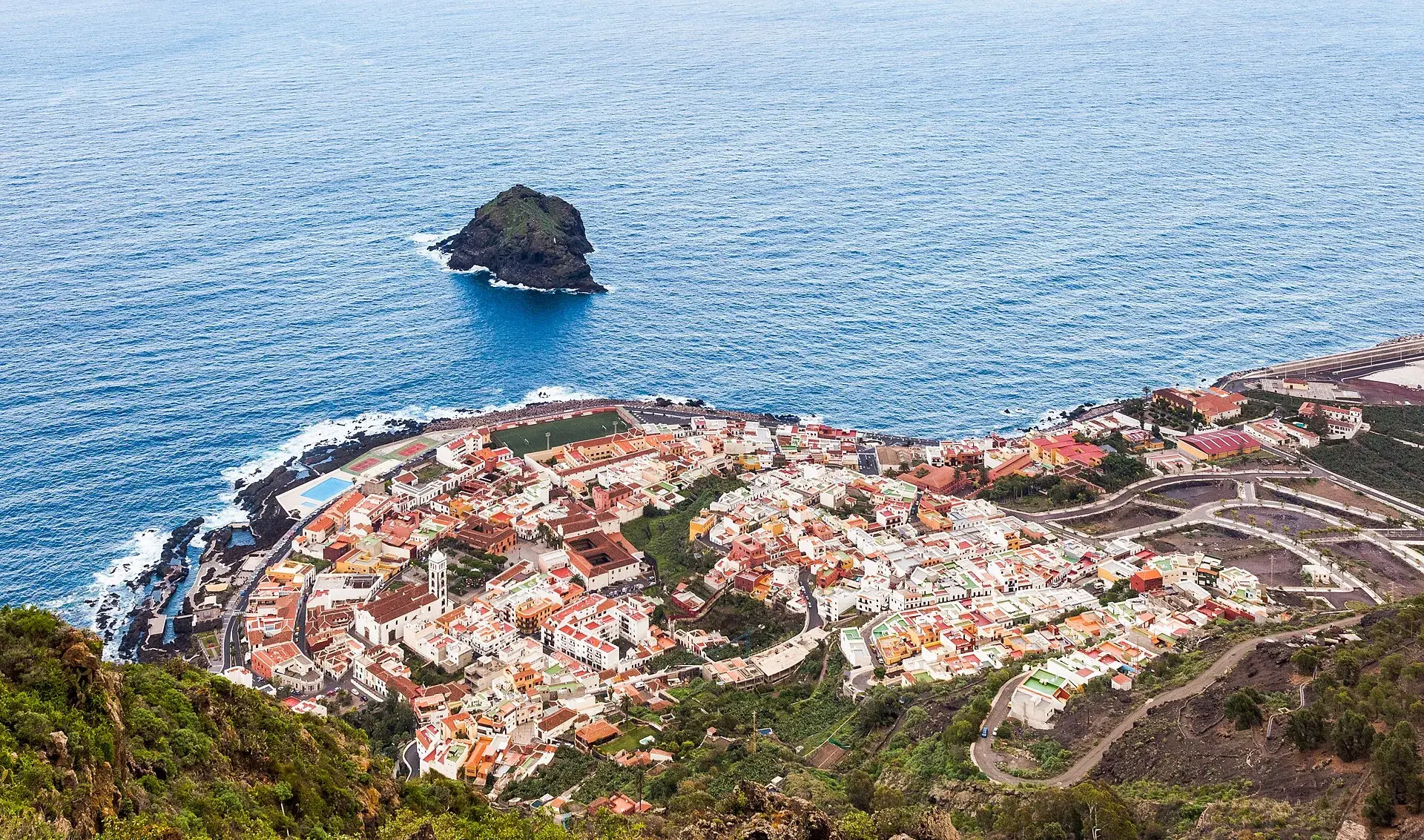
Garachico, Tenerife: old town, El Caletón and the Isla Baja
What to see in Garachico in half a day: the port buried by lava in 1706, the historic centre, El Caletón, the castle, San Roque, buses and where to park.
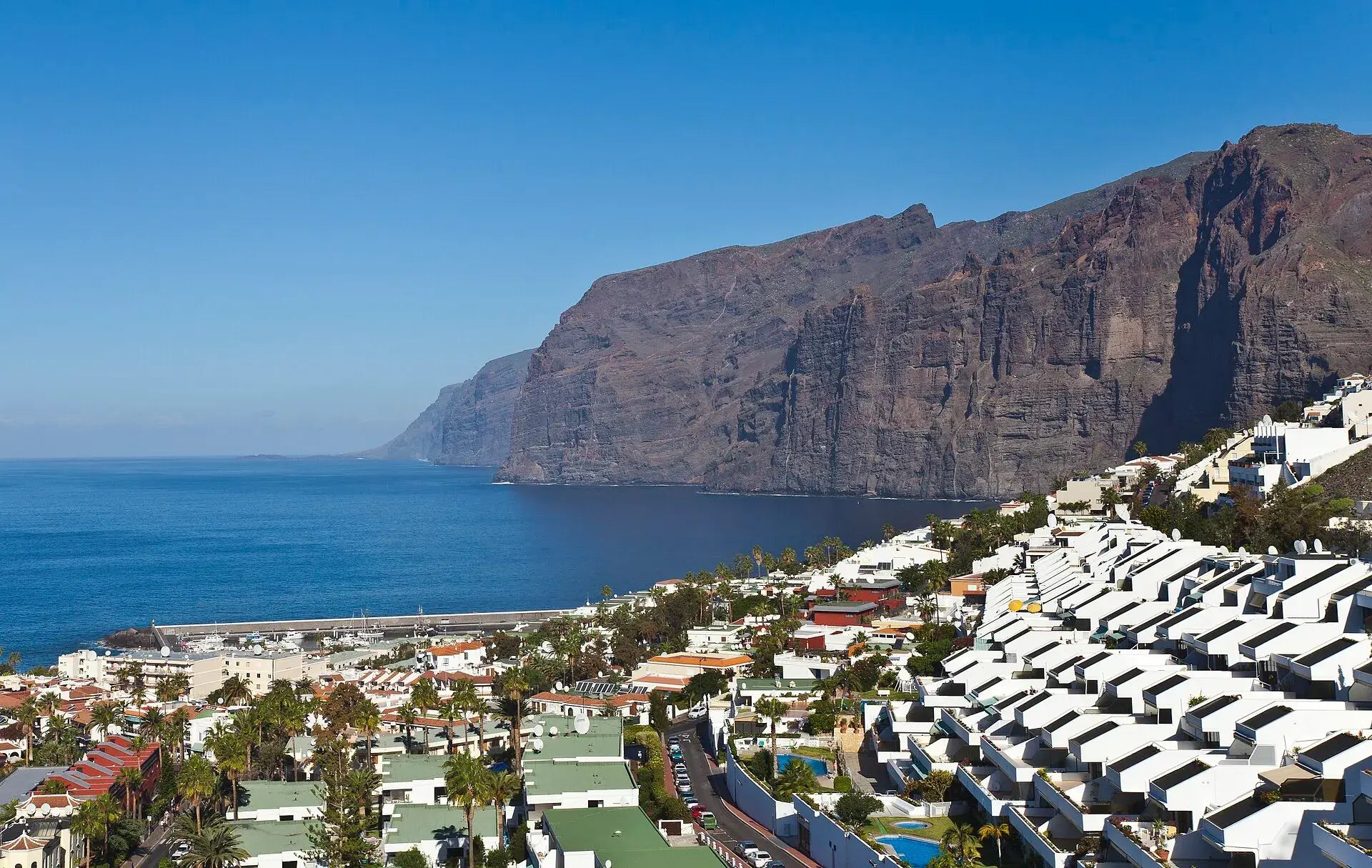
Los Gigantes Tenerife: cliffs, boat trips, beaches and access
Los Gigantes (Tenerife): cliffs up to 600 m, Archipenque viewpoint, boats from the marina, Los Guíos, rock pools, buses 473 and 477 and where to park.
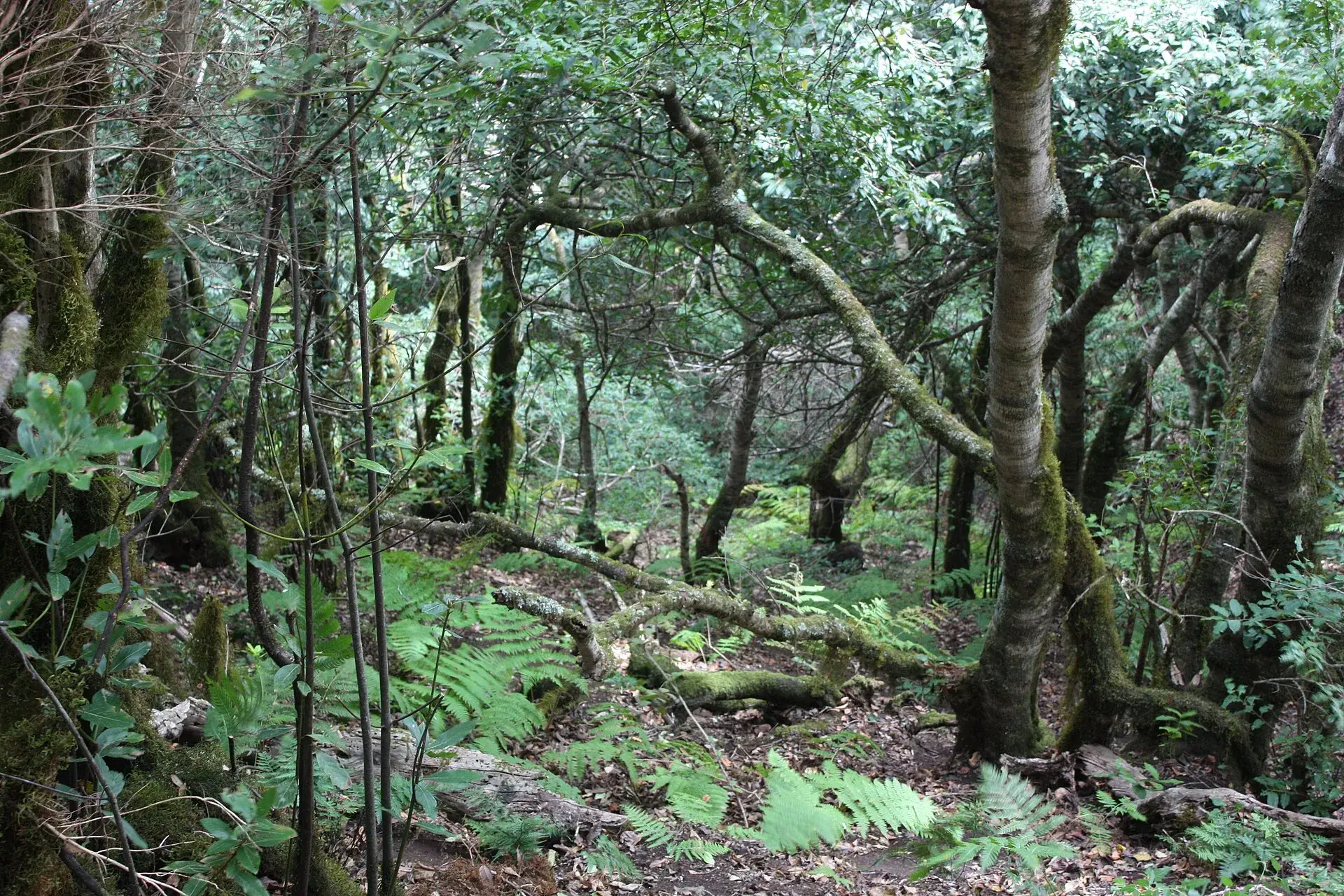
Tenerife protected areas rules: trail quotas and drones
Rules for Tenerife's protected areas: trails that need booking, Teide, Masca and El Pijaral, drones, camping, wildfire alerts, dogs and fines in 2026.
Puerto de la Cruz: Lago Martiánez, old town and gardens
What to see in Puerto de la Cruz: Lago Martiánez, Playa Jardín, Plaza del Charco, La Ranilla, the Botanical Garden, Sitio Litre and Loro Parque, buses, parking.