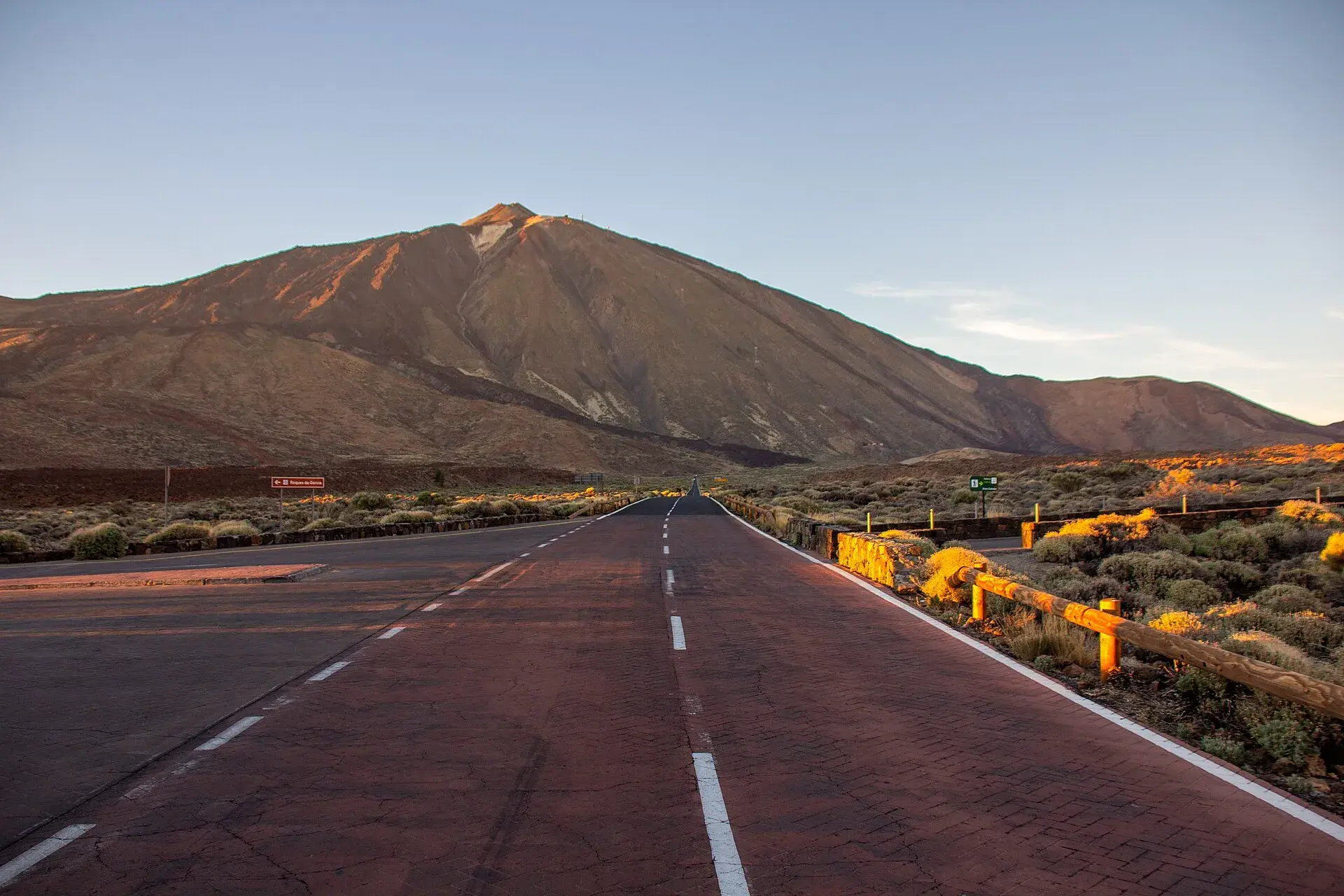
Photo by Photograph by Mike Peel ( www.mikepeel.net )., CC BY-SA 4.0, via Wikimedia Commons
Car hire in Tenerife: insurance, deposit and useful tips
Hiring a car in Tenerife pays off if you want to see Teide, the north, Anaga and the west at your own pace, and hardly ever if you are spending the week at a resort in the south. The key to avoiding surprises is the insurance: the daily price you see on a comparison site may not include zero-excess cover, the deposit or fuel, and that is where the real difference between offers lies.
When car hire pays off
- It pays off: if you want to go up Teide at sunrise or sunset, explore Anaga, Teno, Garachico and the villages of the north, or you are staying in a rural house or in the medianías (the mid-altitude zone), where buses are infrequent.
- It pays off some of the time: if you are staying in Costa Adeje, Los Cristianos or Puerto de la Cruz and want two or three excursions. Hiring a car only for those days is usually cheaper than for the whole week, once you add the hotel garage.
- It does not pay off: if your plan is beach, pool and one organised excursion, or if you are staying in Santa Cruz or La Laguna, where parking is expensive and difficult and the tram covers almost everything.
- Which car: a small or compact one, which is easier to pass on single-lane stretches and parks where large cars do not fit. Automatics are scarce: book one well in advance.
Types of company: two contract models
Canarian companies with everything included
The local companies with the strongest presence on the islands usually offer a price that already includes fully comprehensive zero-excess insurance, an additional driver and child seats, and they do not block a large deposit on your card. The usual practice is a small fuel deposit, refunded if you return the car with the same level. The daily price looks higher, but it is the final price.
International companies and comparison sites
The big brands and many comparison-site offers advertise a low price with basic insurance that carries an excess: if the car is damaged, you pay up to that amount. At the desk they will offer you extra cover to remove it; if you decline, the company blocks a deposit on your credit card that is usually around the amount of the excess. This model can work out cheaper if you accept the excess or already have your own excess insurance, but always compare it on the total price, not the daily rate.
Insurance, excess and deposit: what to read
- Excess: the maximum amount you pay in the event of damage. Ask for the exact figure before signing.
- Exclusions: even with "full" cover, many contracts exclude tyres, glass, the underside of the car, lost keys, damage from driving on dirt tracks or from putting in the wrong fuel. Read them in the terms and conditions.
- Separately purchased excess insurance: policies sold on comparison sites or separately work by reimbursement. The hire company will charge you for the damage and you will then claim from your insurer; the deposit is blocked on your card all the same.
- Credit card: companies that require a deposit usually ask for a credit card in the main driver's name; many do not accept debit or prepaid cards for the deposit. Confirm this before booking if you do not have a credit card.
- Contract and documents: keep the contract, your driving licence and your passport or ID card in the car. Some companies require the paper contract to be in the vehicle.
Fuel, additional driver and minimum age
- Fuel policy: the fairest is "full-to-full" or "same level": you pick the car up with one level and return it the same. "Full-to-empty" charges you for a full tank in advance, often with a service fee, and does not refund what is left: it only pays off on long stays with a lot of mileage.
- Additional driver: usually free with Canarian companies; with international ones it is a daily charge. Add them to the contract: if someone undeclared is driving, the insurance does not cover you.
- Minimum age: depends on the company and the car category. The norm is at least 21 years old and one or two years of holding a licence, and some companies add a surcharge for under-25s. Check before booking if a young driver is travelling.
Child seats
In Spain, children 135 cm tall or under must travel in a child restraint system suited to their height and weight and, as a general rule, in the rear seats. The DGT (Spain's traffic authority) recommends continuing to use one up to 150 cm. Carrying a child without a seat is a serious offence for the driver.
Book the seats together with the car, stating each child's age and weight, and check at pick-up that they are the right group and in good condition. With many companies the customer fits them: ask to be shown the anchoring and check it yourself.
Picking up the car at the airport
Companies have a desk in the terminal or in an off-site lot reached by shuttle. In summer, at Christmas and at Easter, queues at the cheapest desks can exceed half an hour. If you land at night, put your flight number in the booking and confirm the desk's opening hours. The routes from each airport to each area, with driving times and alternatives, are in the guide to Tenerife airports.
Taking the car to La Gomera
The ferry from Los Cristianos to San Sebastián de La Gomera takes about 50 minutes and carries vehicles, but not all hire companies allow it. Some forbid it, others require express authorisation in the contract and others charge a supplement; if you take the car on board without permission, the insurance stops covering you on the other island and on the ship. Ask before booking and, if the answer is yes, get it in writing. Book the car's place on the ferry in advance in high season. For a day trip it is usually more practical to go on foot and hire a car there.
Driving in Tenerife: motorways and mountains
The two motorways, the TF-1 in the south and the TF-5 in the north, are fast and have speed cameras; the general limits in Spain are 120 km/h on motorways and dual carriageways, 90 on ordinary roads and 50 or 30 in towns, unless signposted otherwise. The challenge is the mountain roads:
- TF-21 and TF-24 to Teide: well surfaced, with many bends and long gradients. On the way down, use low gears and do not ride the brakes. There are cyclists climbing almost every day: overtake only with good visibility and leaving at least 1.5 metres. Details of the park are in the guide to Teide National Park.
- TF-436 to Masca: narrow, with hairpin bends and stretches where two cars cannot pass. When a bus comes, stop in a passing place and let it through; it is the bus that has no room to manoeuvre.
- Anaga (TF-12, TF-123 and TF-134): ridge roads with frequent fog, blind bends and single-lane stretches towards Taganana, Chamorga or Benijo. Switch on dipped headlights in fog and sound your horn before blind bends if visibility is zero. More information in the guide to Anaga Rural Park.
- Realistic pace: in the mountains, allow an average of 30 to 40 km/h.
- Photos: do not stop on the carriageway or on the verges of bends. Use viewpoints with parking.
For complete routes with stops, see the Tenerife road trip.
Restrictions and closures affecting hire cars
- Masca during fire alerts: since summer 2026, during fire-risk alerts, the Cabildo (the island government) controls access to the TF-436 at Las Lagunetas and Santiago del Teide. During those periods private tourist traffic, hire cars included, cannot get through; only residents, services, public transport and small tourist buses with a quota. The alternative is TITSA line 355. To hike down the gorge, the guide to the Masca gorge explains the booking (from €40.66 for non-residents as of October 2026, with the boat out booked separately), the compulsory bus 355 and the check-in 30 minutes beforehand at the Visitor Centre.
- Teide in winter: the Cabildo closes the TF-21, TF-24 and TF-38 when there is ice or snow, with no fixed schedule, and during snow episodes with large crowds it has applied controls restricting private cars and replacing access with shuttle buses. Snow chains are not used: you wait for the roads to reopen. Check the Cabildo's road status before going up.
- Dirt tracks: almost all contracts exclude driving off tarmac, and many tracks in the national park are closed to traffic.
Parking, blue zones and theft
- Blue zones: Santa Cruz, La Laguna, Puerto de la Cruz and several municipalities in the south have paid regulated parking, usually with a meter or a municipal app and a maximum time limit. Yellow lines mean no parking. Read the sign on each street: hours vary by municipality.
- Paid car parks: in town centres they are the most stress-free option. At hotels in the south, the garage is usually charged separately.
- Viewpoints and beaches: car parks fill up by mid-morning, especially at weekends. Arrive early.
- Theft: cars are broken into at viewpoint car parks, trailheads and remote beaches. Leave nothing in sight, not even an empty bag or a charger, and do not move things into the boot once parked, but before you arrive. Most hire insurance does not cover stolen personal belongings.
Fines and speed cameras
Traffic fines go to the hire company, which identifies the driver to the authorities and usually charges you an admin fee under your contract, on top of the fine itself, which will reach you later. There are fixed speed cameras on the TF-1 and TF-5 and mobile checks on ordinary roads. The alcohol limit is 0.5 g/l in blood (0.3 for novice and professional drivers), and using a mobile phone while driving is prohibited.
Fuel and electric cars
The Canary Islands do not apply Spain's state excise duty on hydrocarbons, and instead of VAT they have IGIC (the Canary Islands general indirect tax), so the tax burden on fuel is lower than on the mainland. The final price is usually lower, though not always, because the pre-tax cost of the product is higher due to transport. Compare prices on the Ministry's fuel price geoportal and fill up on the coast: there are no petrol stations on the way up to Teide or in Anaga.
Electric cars and plug-in hybrids are an option in town and on the coast, where there are charging points at shopping centres, hotels and public car parks. For the mountains, set off with a full battery and do not count on charging in the national park. Ask the company about the connector and how charging is paid for.
Driving licences for non-EU drivers
If your licence is from a European Union or European Economic Area country, it is valid as it is. If it is from another country, the DGT states that, as a tourist, you can drive with your valid national licence accompanied, in many cases, by the international driving permit, which is a supplementary document: you must carry it together with your national licence and passport. The requirement depends on the issuing country, so check the DGT website and the hire company's terms, as the company may ask for the international permit even where the law does not require it.
Checklist for pick-up and return
At pick-up:
- Film a dated video of the exterior and interior, including wheels, windscreen and roof.
- Check that every scratch is noted on the damage report before signing.
- Check the fuel level and mileage, and photograph the dashboard.
- Confirm the roadside assistance number and what to do in case of an accident.
- If you have child seats, check the group and the anchoring.
At return:
- Fill up near the drop-off point and keep the receipt.
- Take everything out of the car, including the glovebox and the boot.
- Film another video in the return car park and ask a member of staff to sign off the condition if someone is there.
- Check your card statements over the following weeks and complain in writing if any unjustified charge appears.
Frequently asked questions
Is car hire expensive in Tenerife?
It depends more on the season and the type of contract than on the brand. Always compare the final price with zero-excess insurance, an additional driver and fuel included; for a calculation of the whole trip, see how much a trip to Tenerife costs.
Do I need a credit card to hire a car in Tenerife?
If the company blocks a deposit, usually yes, in the main driver's name. Companies that include zero-excess insurance usually ask only for a small fuel deposit and accept more payment methods; confirm before booking.
Can I drive to Masca in a hire car?
Yes, except during fire-risk alerts, when the Cabildo restricts access to the TF-436 for tourist traffic and the alternative is bus 355. To hike down the gorge you need a booking and must arrive by bus from Santiago del Teide.
Is driving in Tenerife difficult?
Not on the motorways. On the mountain roads of Teide, Masca and Anaga there are tight bends, narrow stretches, fog and cyclists: with a small car, no rush and an early start, it is manageable for an experienced driver.
Keep planning
You may also like
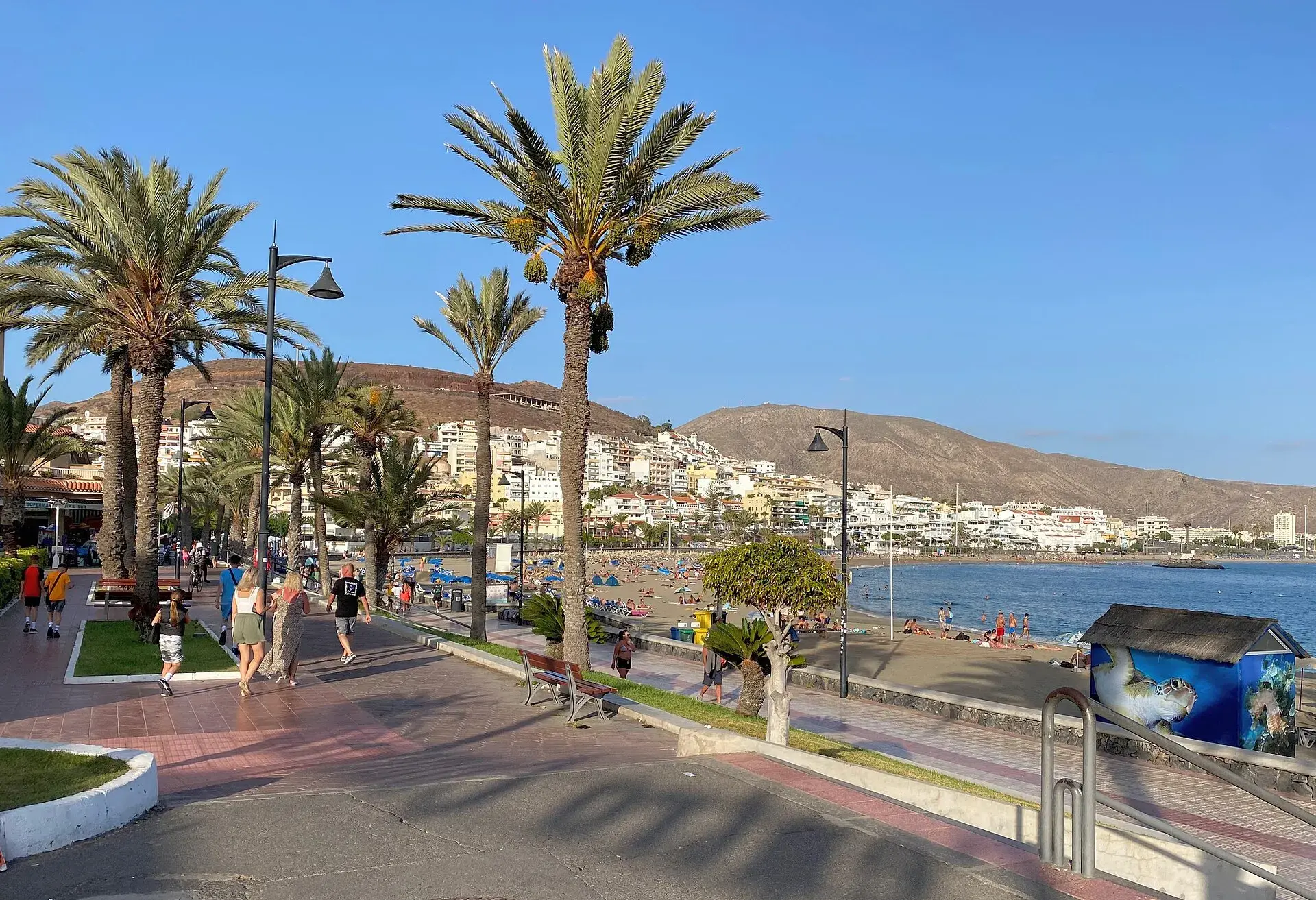
Accessible Tenerife: beaches, transport and step-free visits
Accessible Tenerife: beaches with assisted bathing and amphibious chairs, airport assistance, buses, tram and eurotaxi, and which visits work in a wheelchair.
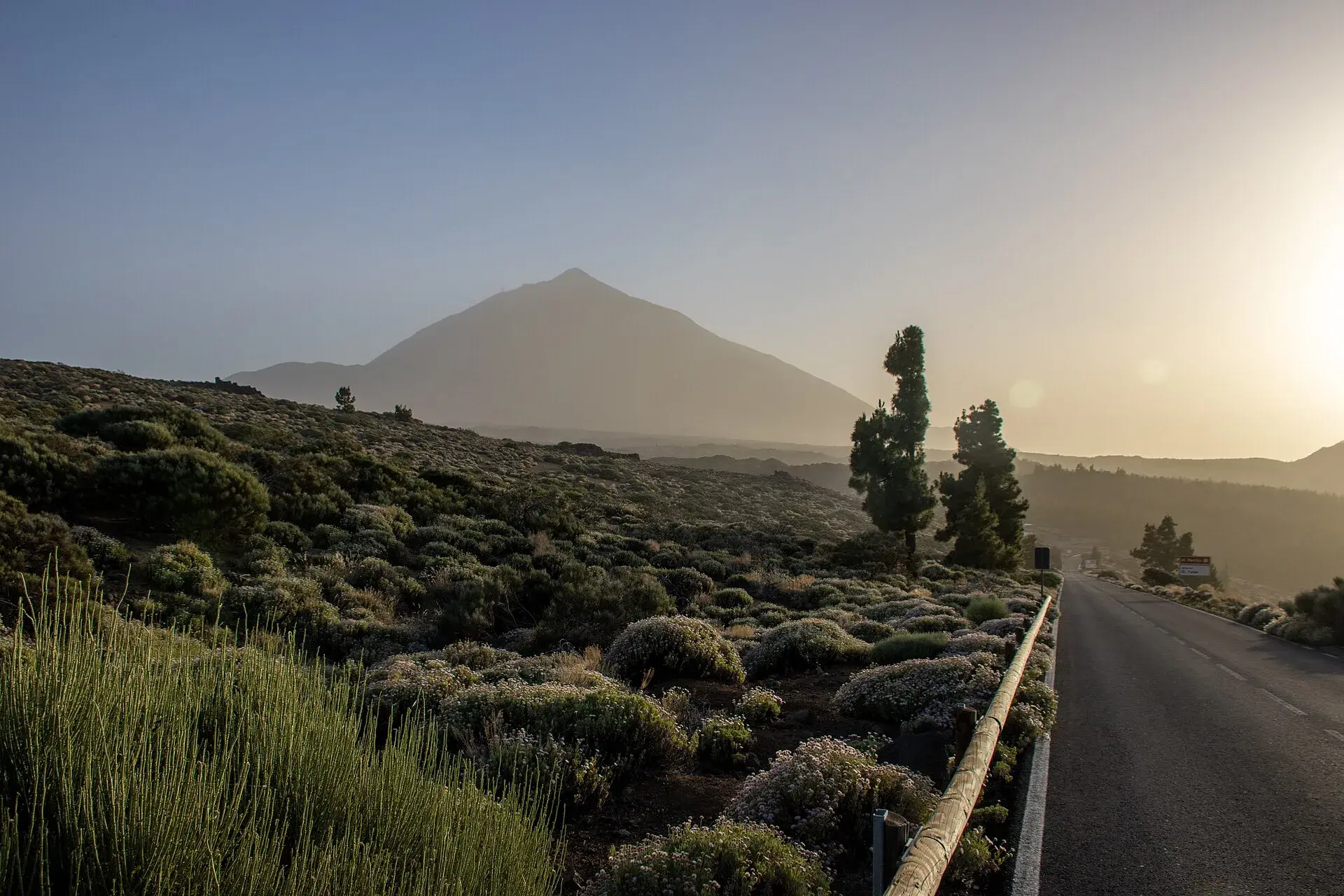
Calima in Tenerife: what it is, when it comes, how it affects you
Calima in Tenerife: what Saharan dust is, which months it tends to arrive, how it affects health and flights, where to check warnings and what to do that day.
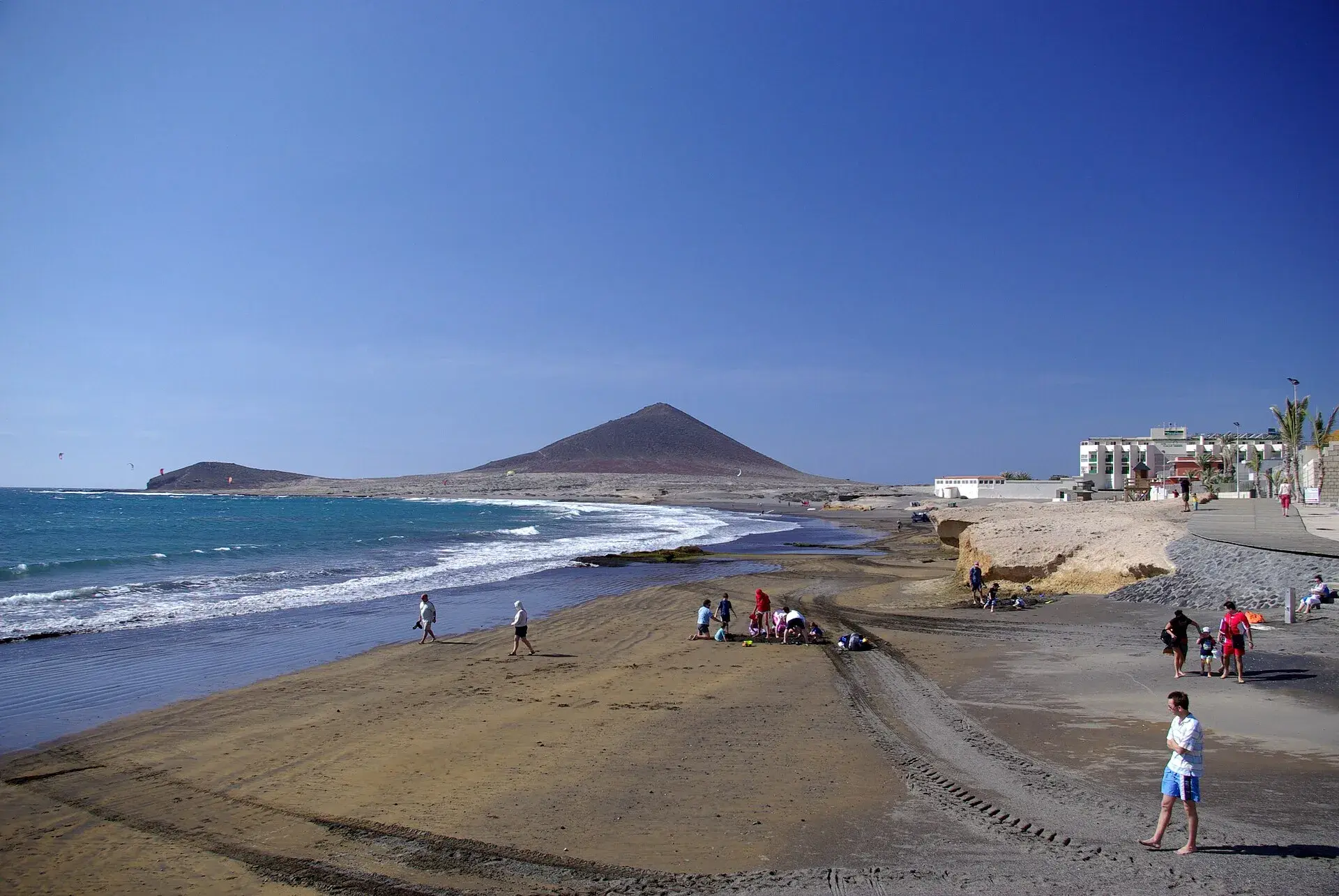
Digital nomads in Tenerife: visa, areas, housing and internet
Digital nomads in Tenerife: the remote work visa and 2026 requirements, EU citizen registration, the best areas to live, renting, healthcare and internet.
Tipping in Tenerife, money and IGIC: what you need to know
Tipping in Tenerife, paying by card, cash machines, IGIC versus VAT, tax refunds for travellers and tobacco and alcohol allowances when you fly home.