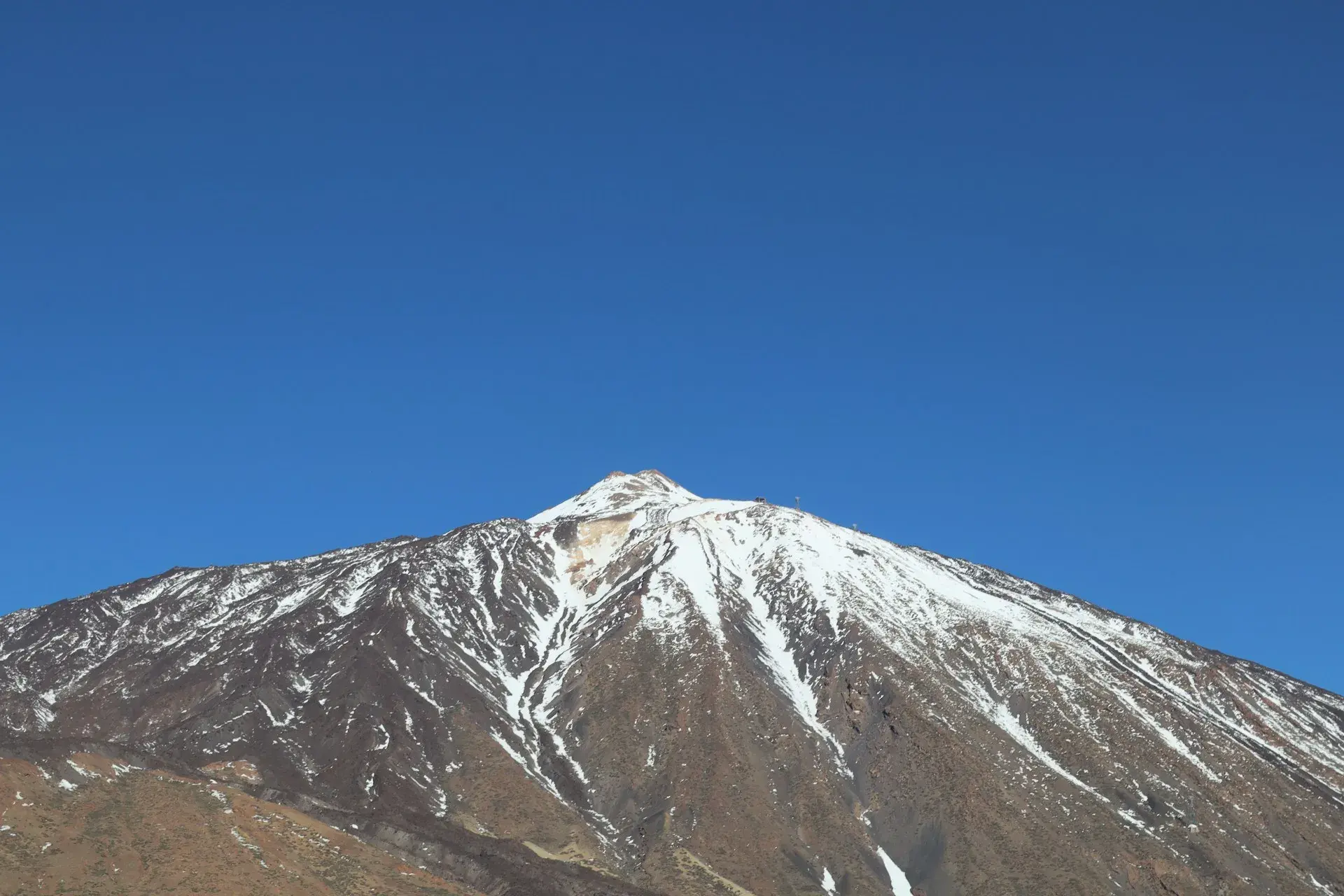
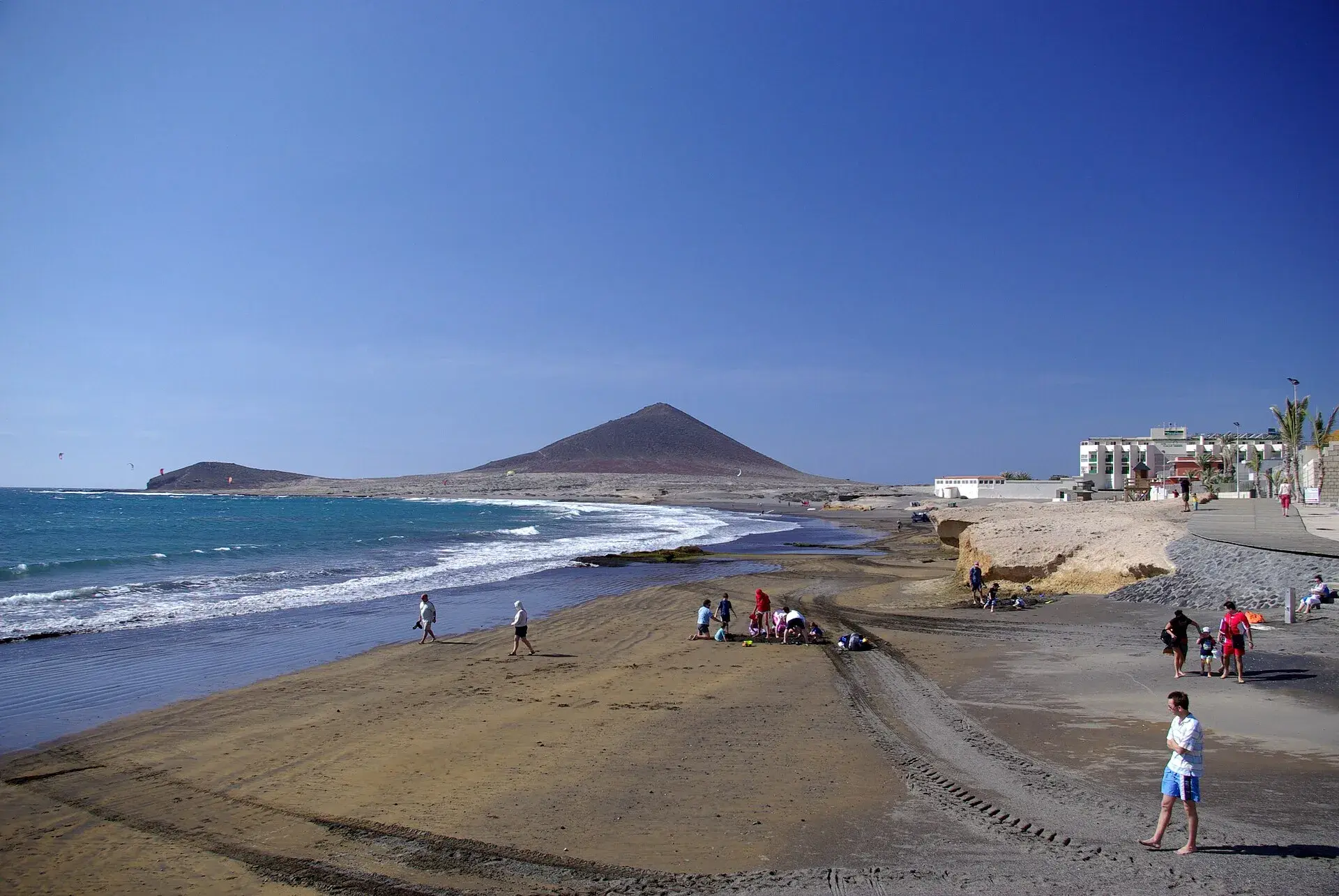
Photo by Ben Alliston on Unsplash
Best Time to Visit Tenerife: Weather and Seasons Month by Month
If you are looking for the right balance of good weather, prices and crowds, the best time to visit Tenerife is April to June and late September to November: the sea is at its best in autumn, Teide is usually open, the beaches are not packed and accommodation is not charging high-season rates. That said, the island works all twelve months. Winter is peak season for people escaping the European cold (and the only time there is snow on Teide), summer is the season of Spanish families and village fiestas, and there is no month to avoid: what changes is the plan, not the destination. What follows is the data to help you decide.
Why the north and south have different climates
Tenerife is a 3,718 m mountain standing in the path of the trade winds, which blow from the north-east for most of the year. These winds, moist after crossing the Atlantic, hit the northern slopes and form the sea of clouds, a layer that stays caught halfway up the mountainside and leaves the north green and cool, with grey afternoons. On the other side of Teide, the south lies in the lee of the mountain: dry air, clear skies and more hours of sunshine. The difference is only a few degrees in temperature, but many hours of sunshine and many days of rain.
The AEMET (Spain's national weather agency) climate normals for 1981–2010 sum it up: the Santa Cruz de Tenerife observatory records 226 mm a year over about 30 rainy days; Tenerife South airport, 132 mm over 15 days. Temperatures are almost identical: an annual average of 21.5 °C in the capital and 21.4 °C in the south. Bear in mind that Santa Cruz is on the sheltered eastern side; the north coast (Puerto de la Cruz, Icod, Los Silos) is cloudier and more humid than the capital. The rule of thumb: if the sky is overcast in Puerto de la Cruz, it is sunny in Los Cristianos, and if it is snowing on Teide, it is T-shirt weather on the coast.
Temperatures and rainfall by season
- Winter (December to February): highs of 21 to 22 °C and lows of 15 to 16 °C on the coast, in Santa Cruz and at Tenerife South. This is the wettest season: December brings 43 mm in Santa Cruz (about 5 rainy days) and 30 mm in the south (3 or 4 days). Storms arrive in spells of two or three days, with weeks of sunshine in between. On the peaks, frost and snow.
- Spring (March to May): the rain disappears from April (12 mm in Santa Cruz, 7 mm in the south) and May is already dry (4 mm and 1 mm). Highs of 22 to 24 °C. It is the greenest season in the midlands and the time when the red tajinastes (towering endemic flower spikes) bloom on Teide, between May and June.
- Summer (June to September): no rain. Highs of 26 to 29 °C in Santa Cruz and 25 to 28 °C at the southern airport, with lows of 19 to 22 °C. July is the sunniest month in the capital, with 337 hours. The heat only soars during calima episodes, with highs that can top 35 °C for a few days.
- Autumn (October and November): in practice October is still summer (highs of 26 to 27 °C, 19 mm of rain in Santa Cruz and 12 in the south), and November marks the transition: highs of 24 °C and the first storms, with 34 mm in the capital and 26 in the south.
The figures from Turismo de Tenerife, also based on AEMET, match: highs of 21 °C in January and 28 °C in August, and lows of 15 to 22 °C depending on the month. The figures for each month, with the north, the south and Teide separately, are in Tenerife weather by month.
Sea temperature
The Atlantic around Tenerife moves within a narrow range and lags behind the air. According to the sea surface temperature series published for the island, the lows come in March, at around 19 °C, and the highs in September and October, at close to 24 °C. In January the water is about 20 °C, warmer than in March, because it holds on to the heat of autumn. If swimming is your priority, the best time is August to November; in winter and spring you swim at midday and come out feeling cold. When winter swells hit the north, the options are the natural pools and the sheltered beaches of the south: the best beaches in Tenerife explains which ones work in each season.
Calima, snow on Teide and TF-21 closures
Calima is air laden with dust from the Sahara that arrives on an easterly wind. It clouds the sky, tints it ochre, reduces visibility and pushes temperatures up; episodes last two to five days and can happen at any time of year: in summer the dust usually travels at altitude, and the episodes most noticeable on the coast and for flights are common in winter and spring. It cannot be forecast weeks ahead, so you cannot plan around it; it is worth knowing, though, that people with respiratory problems should cut down on outdoor exercise on those days, and that photos of Teide come out flat and hazy.
Snow on Teide is a December-to-March affair, in several episodes a year and sometimes in April too. The day after a snowfall, the park roads fill with residents' cars. The Cabildo (the island government) closes the roads when there is ice on the surface: in December 2024 the TF-21 was cut between Aguamansa (km 16) and the cable car base station (km 43), and in March 2026, during Storm Regina, the TF-24 and TF-21 were closed as a precaution until the maintenance crews had checked the road surface. If you are travelling in winter with Teide as your main goal, leave two or three days' leeway and check the Cabildo's road status every morning. The cable car also stops running in strong wind at any time of year.
High season and low season
Tenerife has two high seasons that do not match those of mainland Spain. The first runs from November to March, when British, German and Nordic visitors fill the hotels in the south in search of sun; Christmas, New Year and Carnival week are the peaks, and accommodation and flight prices rise considerably. The second is July and August, with Spanish and Canarian families, the warmest sea and the summer fiestas; the north and the coastal apartments fill up as much as the south.
The real low season is short: May and June, and late September to mid-November. These are the months with the best rates, shorter queues for the cable car and space to park at the viewpoints. To choose an area based on the month and the atmosphere you want, where to stay in Tenerife compares the north and the south.
Tenerife month by month
- January: the coolest month along with February, with highs of 21 °C on the coast and snow likely on Teide. High season in the south. The Carnival galas start at the end of the month.
- February: Santa Cruz Carnival, with the city packed and the capital's hotels sold out. Weather similar to January.
- March: the sea at its coolest (about 19 °C) and the midlands green. Easter, if it falls in March, brings visitors from mainland Spain.
- April: the rain disappears and temperatures rise. A good month for hiking and for Teide, which is usually free of ice by now.
- May: dry, mild and uncrowded. The tajinastes bloom in Las Cañadas, and the villages hold their romerías (pilgrimage fiestas). One of the two best months of the year.
- June: moderate heat, a sea that is starting to warm up and the Corpus Christi in La Orotava, with its carpets of flowers and volcanic sand (in June, around Corpus Christi; check the date in the events calendar).
- July: full summer, no rain and the sea at 22 °C. The San Benito romería in La Laguna on the second Sunday of the month. School holidays begin.
- August: the hottest month (an average high of 29 °C in Santa Cruz), with a risk of calima and of wildfire alerts, which can close Masca and the forests. The Virgen de Candelaria fiestas in mid-month and the Perseids on Teide, with regulated access.
- September: the sea at its warmest, the heat eases off and Spanish holidaymakers leave from the second week. One of the best months for the beach.
- October: summer weather continues, with highs of 26 °C and the sea at 24 °C. Low season and soft light.
- November: the first rain in the north and the start of the winter season in the south. A good month for combining the coast and hiking, with highs of 24 °C.
- December: the wettest month on average (43 mm in Santa Cruz), with plenty of sunny days between storms. Christmas fills the island and it may snow on Teide.
The best time for each type of trip
- Beach and swimming: August to November, with the sea between 23 and 24 °C and guaranteed sun in the south. In winter, the sheltered beaches of the south.
- Hiking: October to May for the coast and the midlands; May to October for the peaks, free of ice and with long days. The best hikes in Tenerife gives the right season for each one.
- Whales and dolphins: all year round. The short-finned pilot whales and bottlenose dolphins off the coast of Los Gigantes and Adeje are resident, not migratory; the sea is usually calmest in summer and early autumn. Details in whale and dolphin watching.
- Stargazing: summer nights, with the Milky Way high in the sky and bearable temperatures at 2,000 m, and winter nights, colder but clearer. Avoid the full moon and check the special arrangements in August in stargazing on Teide.
- Santa Cruz Carnival: February or early March; in 2027, the opening gala on 22 January and the street Carnival from 19 to 28 February. Book in the capital months in advance.
- Romerías and summer fiestas: June in La Orotava (San Isidro, after Corpus), July in La Laguna (San Benito Abad, second Sunday) and August in Garachico (San Roque). The villages dress up as magos (in traditional costume) and bring out carts loaded with food and wine. Candelaria on 14 and 15 August is not a romería but a pilgrimage on foot to the basilica. The dates of each fiesta are in the Tenerife festivals calendar.
- Corpus in La Orotava: around Corpus Christi, between late May and late June, with the flower carpets and the tapestry made of Teide sands in the Town Hall square. Each year's dates are in the events calendar.
- Rainy days: if you get caught by a storm, the south usually stays sunny and the north has museums, wineries and historic towns; what to do in Tenerife when it rains has the alternatives.
What to pack for each season
- All year round: high-factor sunscreen, sunglasses, closed shoes for trails and a windbreaker for Teide, where the temperature drops 10 or 15 degrees compared with the coast.
- November to March: a light jacket for evenings on the coast, a fleece and gloves for the peaks, and a rain jacket if you are spending days in the north. Your swimsuit is still useful at midday in the south.
- April to June and October to November: summer clothes with a light layer for the evening and for the sea of clouds in the midlands.
- July to September: very light clothing, a hat and a swimsuit; for Teide, long trousers and a fleece even in August.
- Always: a reusable bottle and a dry bag for boat trips.
If this is your first trip, first time in Tenerife goes over the airports, the areas and the rules for Teide.
Frequently asked questions
What is the best month to visit Tenerife?
May and October, in that order, if you want good weather with few people and moderate prices. May has green midlands and Teide in bloom; October has the warmest sea of the year and highs of 26 °C. September, after the second week, is almost as good.
Can you go to the beach in Tenerife in winter?
Yes, especially in the south, where highs are around 21 or 22 °C and sunshine is the norm. The water is about 20 °C in January and drops towards 19 °C in March, so you swim at midday and come out feeling cool. The northern beaches get Atlantic swells in winter, and many are not safe for swimming on those days.
When is there snow on Teide?
Usually between December and March, in several episodes lasting a few days, and occasionally in April. When it snows, the Cabildo usually closes the park roads because of ice and reopens them once the surface is clear, so allow a few spare days if snow is what you are after.
When is high season in Tenerife?
November to March in the south, because of visitors from northern Europe, with peaks at Christmas and Carnival; and July and August across the whole island, because of Spanish and Canarian holidaymakers. May, June and late September to mid-November are the quietest and cheapest months.
Does it rain a lot in the north of Tenerife?
More than in the south, but little in absolute terms: the capital records 226 mm a year compared with 132 mm at the southern airport, and the north coast a little more than the capital. The rain is concentrated between November and March; from May to September barely a drop falls. What you usually get in the north is not rain but afternoon cloud.
Is August a good time to visit Tenerife?
Yes, with some caveats. It is the hottest month and the busiest with Spanish holidaymakers, and the one with the highest risk of calima and wildfire alerts, which can close Masca and the forests. In return the sea is warm, the village fiestas are in full swing and the days are long. Book Teide and activities in advance.
Keep planning
You may also like
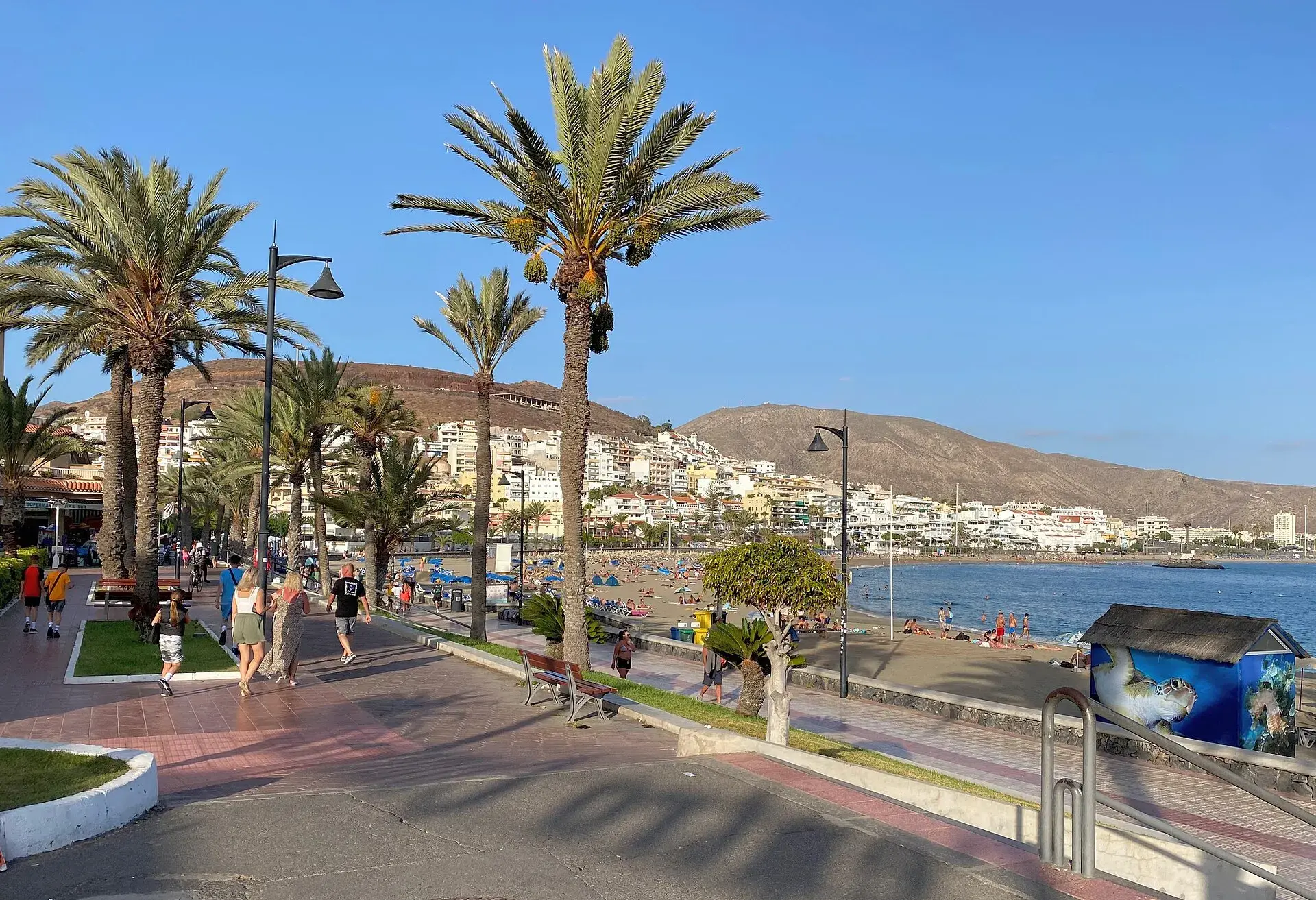
Accessible Tenerife: beaches, transport and step-free visits
Accessible Tenerife: beaches with assisted bathing and amphibious chairs, airport assistance, buses, tram and eurotaxi, and which visits work in a wheelchair.
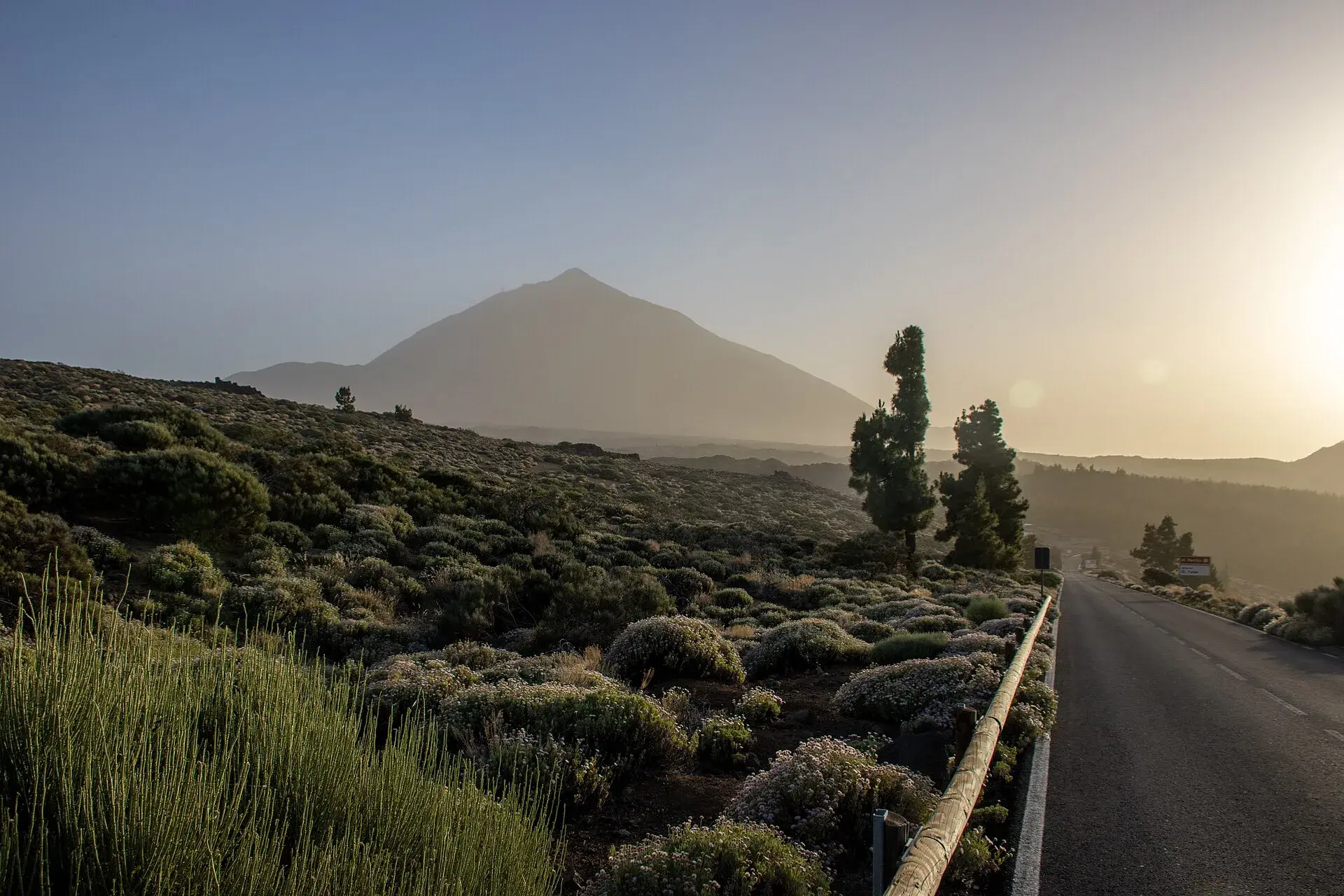
Calima in Tenerife: what it is, when it comes, how it affects you
Calima in Tenerife: what Saharan dust is, which months it tends to arrive, how it affects health and flights, where to check warnings and what to do that day.
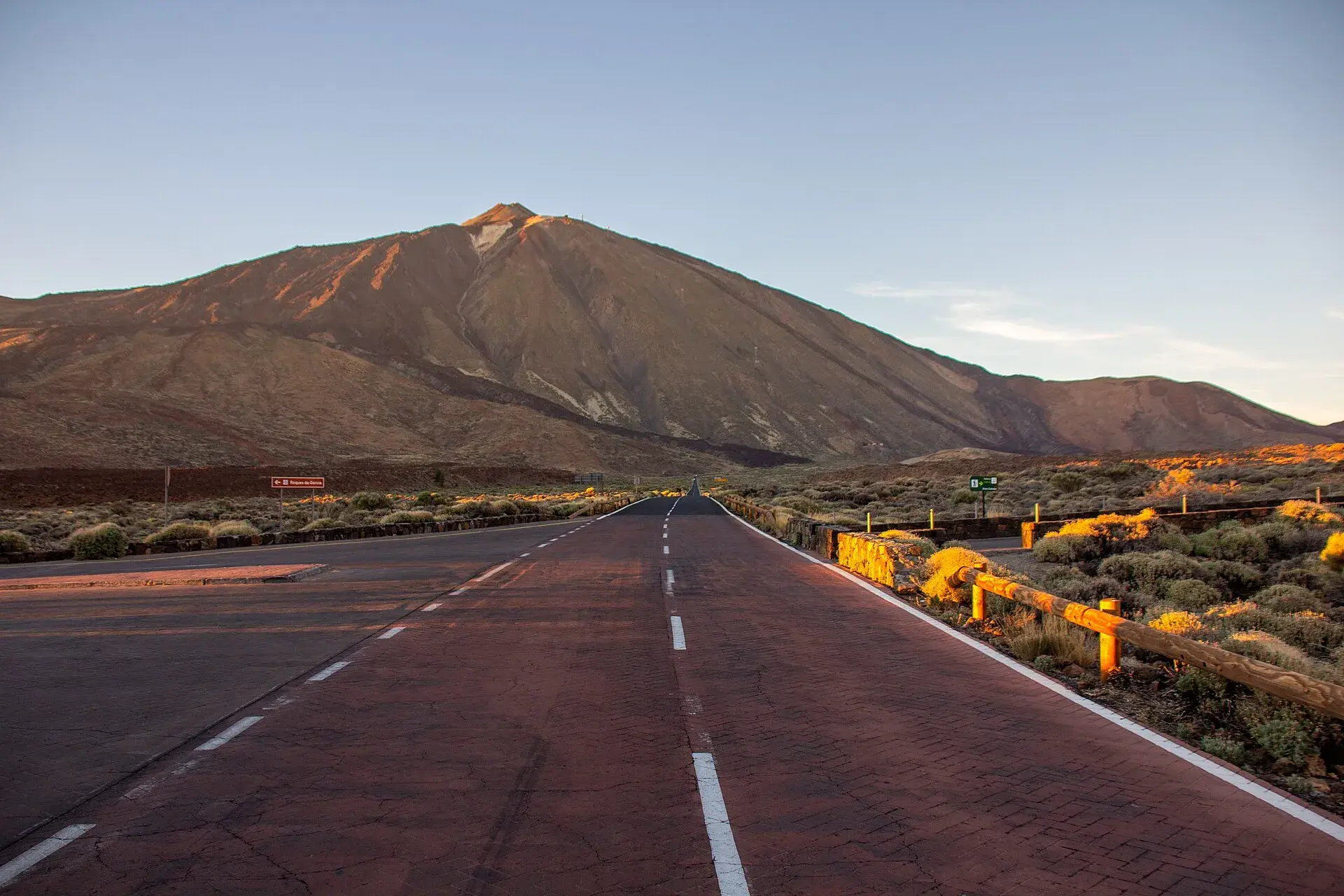
Car hire in Tenerife: insurance, deposit and useful tips
Car hire in Tenerife without surprises: when it pays off, insurance and excess, deposit, fuel, child seats, Masca, Teide and what to check at pick-up.
Digital nomads in Tenerife: visa, areas, housing and internet
Digital nomads in Tenerife: the remote work visa and 2026 requirements, EU citizen registration, the best areas to live, renting, healthcare and internet.