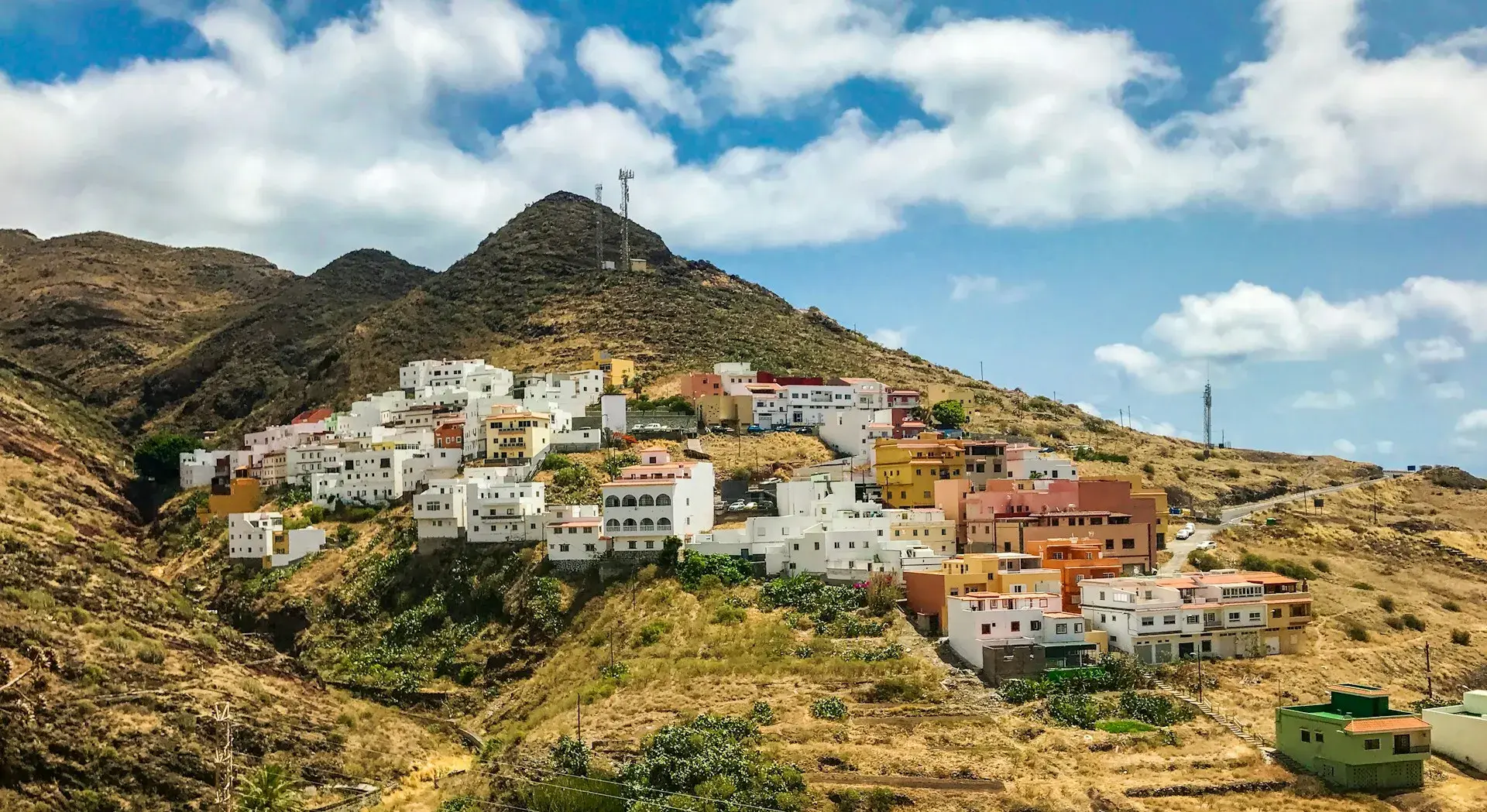
Photo by Svetlana Gumerova on Unsplash
Tenerife Itinerary 7 Days: A Week to See It All Without Rushing
Seven days is the point at which Tenerife stops being a race: there is time for Teide with the option of climbing to the summit, Anaga, the historic north, Masca and Garachico, a lazy day on the beach, a hike chosen to match your level and, if you like, a trip to La Gomera. This itinerary uses two bases (three nights in the south and four in the north) so that no day keeps you in the car for more than three hours. Driving times are given without traffic from each base; the TF-1 and TF-5 clog up at rush hour, especially on the way into Santa Cruz and La Laguna in the morning.
How the week is put together
The island falls into four zones around Teide: the south-west coast (beaches, whales and dolphins, the ferry to La Gomera), the west (Masca, Los Gigantes, Garachico), the Orotava Valley (Puerto de la Cruz, La Orotava, Icod) and the north-east (Santa Cruz, La Laguna, Anaga). The first three nights in Los Cristianos, Playa de las Américas or Costa Adeje cover the coast, Teide via Vilaflor and La Gomera; the move north happens on the day you spend in the west, which passes through Santiago del Teide and Garachico anyway; and the four nights in Puerto de la Cruz or La Laguna cover the historic north, Anaga and the final beach day. If you fly into Tenerife North and out of Tenerife South, reverse the order. With two bases, changing hotels costs you a morning of packing; with just one, it costs four to five hours of motorway spread over the days at the far end of the island. The areas are compared in where to stay in Tenerife.
What to book before you travel
- Teide cable car: your time slot, on the official website. It opens at 9:00; the last ride up is at 16:00 for most of the year and at 17:40 in July, August, September and Easter Week. It closes in strong wind or snow, and the daily status is published on the operator's "Teide today" page.
- Summit permit (trail 10, Telesforo Bravo): on Tenerife ON, with 300 places a day released every Monday at 7:00, 28 days in advance, and gone within minutes. Since 19 January 2026 it costs €15 for non-residents (free for Tenerife residents and children under 14); since October 2026 the slots last 90 minutes and sunrise access is allowed.
- Montaña Blanca trail (trail 7): also booked on Tenerife ON, up to 56 days ahead, with a fee for non-residents (€6 on weekdays, €10 at weekends and on public holidays).
- Masca Gorge: on the official website, with descent sessions between 8:30 and 13:00, the compulsory bus 355 from Santiago del Teide, the return boat bought separately and a fee for non-residents.
- Whale watching and the La Gomera ferry: the boat trip at least the day before; the return ferry several days ahead in high season.
- Altavista refuge (optional): reopened in July 2026 at 3,260 m with 49 beds; you book it by the night, and it is the way to see sunrise on the summit without an early start from the coast.
Day 1: arrival and the south coast
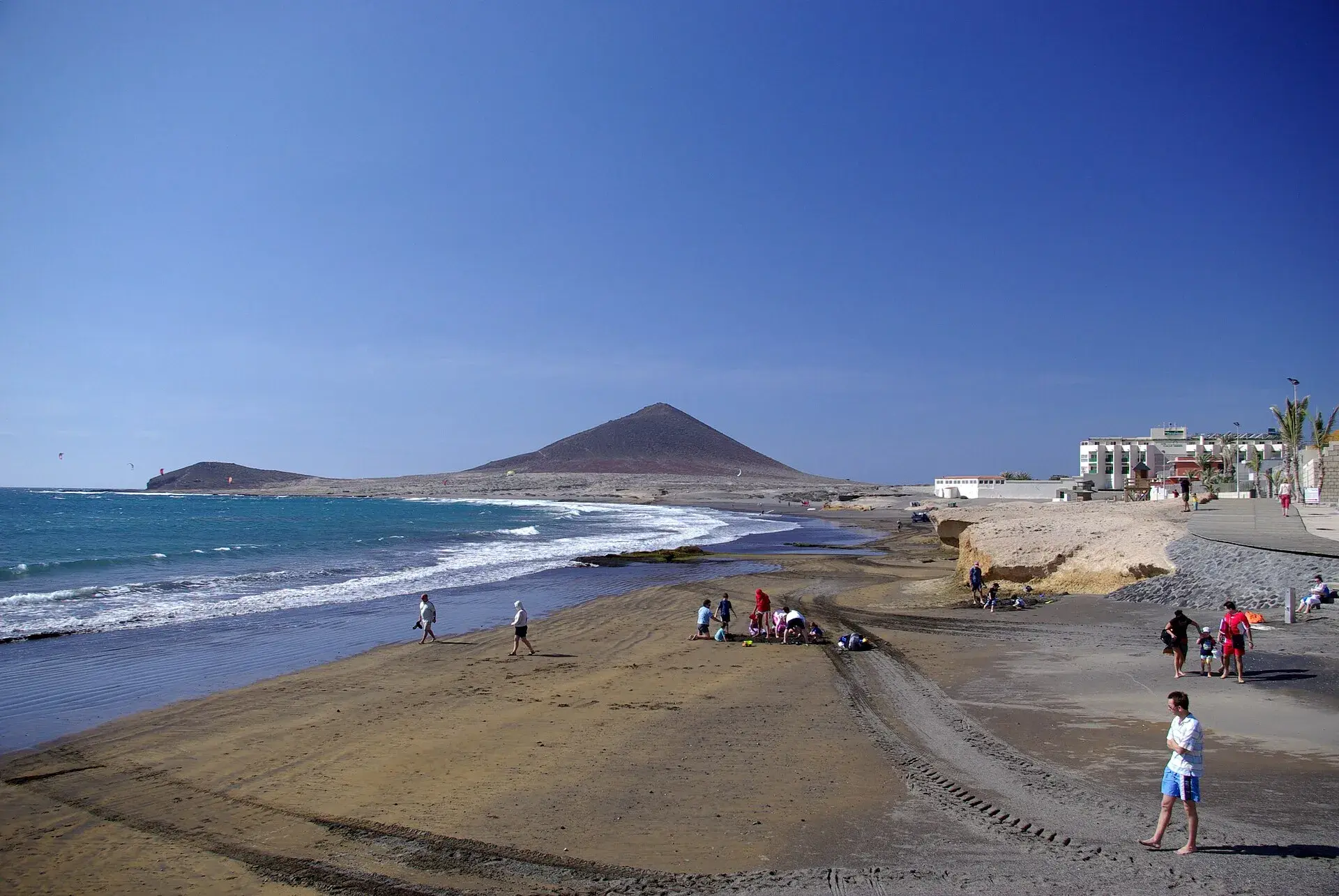
An easy day to land. If you arrive in the morning, drop your bags and head to the nearest beach: Playa del Duque, Torviscas or Las Vistas, all with a 2026 Blue Flag, fine sand and calm water; or El Médano and La Tejita, with wind, natural sand and the short walk to Montaña Roja. In the afternoon, a two- to three-hour whale-watching trip from Los Cristianos or Puerto Colón covers the protected strip between Teno and Rasca, where pilot whales and bottlenose dolphins live all year round; small boats roll less, and early departures usually have the calmest sea. If you would rather save it for day 7, do so: the itinerary leaves that day open. Have dinner in the parts of Los Cristianos and Arona away from the seafront, where the food is more Canarian and cheaper than on the promenade. The beaches are compared in the best beaches in Tenerife, and tips on choosing a boat are in whale and dolphin watching.
Day 2: Teide, with the summit option
Leave at 8:00 on the TF-21: Vilaflor de Chasna, the highest municipality in the Canary Islands, is 40 minutes away and the cable car base station 1 hr 15 min. The standard version combines the Roques de García loop (3.5 km, about two hours, easy) with your cable car slot up to La Rambleta at 3,555 m, plus the Pico Viejo and La Fortaleza viewpoints. With a permit, the Telesforo Bravo trail climbs from La Rambleta to the crater at 3,718 m, a short but steep stretch with far less oxygen than on the coast: a 90-minute slot is enough if you do not linger. Eat at the Parador or bring a picnic, stop at the Minas de San José and finish at the Chío viewpoint (TF-38) for sunset, driving down the west side and getting back around 20:00.
The mountaineering version skips the cable car on the way up: trail 7 from Montaña Blanca to La Rambleta is 8.3 km, takes about five hours and has 1,194 m of total ascent, is rated difficult and must be booked on Tenerife ON; you ride down with a descent-only cable car ticket, provided it is running. If you want sunrise on the summit, a night at the Altavista refuge lets you climb the last metres with the trail 10 permit in the sunrise slot. All the variants, the visitor centres and what to do if the cable car closes are in the Teide National Park guide.
Without a car, TITSA bus 342 leaves Costa Adeje bus station at around 9:25 and reaches El Portillo via Vilaflor and the Parador in 2 hr 15 min, returning mid-afternoon.
Day 3: La Gomera, or a hike at your level
Option A, La Gomera. The ferry from Los Cristianos to San Sebastián de La Gomera takes about 50 minutes; catch the first one in the morning and come back on the last one in the afternoon. On the island you need a car (hire one by the port; check whether your Tenerife rental contract allows you to take the car on the ferry, because many do not) or an organised tour with hotel pick-up. Garajonay National Park fills the centre: World Heritage laurel forest, Alto de Garajonay at 1,487 m, the Laguna Grande recreation area and the Juego de Bolas visitor centre in Agulo. In one day you can see the viewpoints, take a short walk under the trees and visit the old town of San Sebastián; the whole island deserves a night. This is the most expendable day if your week shrinks to six days.
Option B, a hike to suit your level. Pick one route and keep the afternoon for the beach:
- Easy: Montaña Roja from La Tejita, a volcanic cone by the sea that you climb in a little under an hour and can combine with the coastal walk to El Médano, with no technical difficulty.
- Moderate: the Barranco del Infierno in Adeje, with advance booking, a limited daily quota, a paid entry and an out-and-back trail to the waterfall.
- Hard: the Montaña Blanca climb from the day before, if you chose the cable car then, or the Masca Gorge descent, which in that case moves here, while you are still based in the south, and leaves day 4 for Los Gigantes, Garachico and the change of base.
The routes are described with distances and access in the best hikes in Tenerife.
Day 4: Masca, Los Gigantes and Garachico, with a change of base
Check out early and load the boot. The TF-1 and TF-82 take you to Santiago del Teide in about 45 minutes; the TF-436 drops down to Masca in another 20 minutes of hairpin bends and single-lane stretches. Get there before the coaches: parking in the hamlet is very limited. If you booked the gorge descent, today is the day: park in Santiago del Teide, take the compulsory bus 355 an hour before your session, walk the 5 km down in about four hours and leave by boat for Los Gigantes, returning to Santiago del Teide on bus 462 or 325. If not, take in the gorge from the viewpoints, go back to Santiago del Teide and drive down to Los Gigantes for the Archipenque viewpoint and a fish lunch in Puerto Santiago. In the afternoon, the TF-82 and TF-42 take you to Garachico in about 40 minutes: the old town, the square and the El Caletón lava pools if the sea allows. Puerto de la Cruz is 35–40 minutes away via Icod and the TF-5. Masca and Garachico top the prettiest villages in Tenerife.
Day 5: the historic north
A day without motorways. Visit La Orotava, 15 minutes from Puerto de la Cruz, first thing: the sloping historic centre, the Casa de los Balcones and the views over the valley to Teide. At midday, Puerto de la Cruz: the San Telmo promenade, Lago Martiánez and the Botanical Garden; Playa Jardín has had intermittent swimming bans in 2026 because of water quality, so check the signs before you go in. In the afternoon, Icod de los Vinos (25 minutes) for the Drago Milenario (the thousand-year-old dragon tree) and, with a ticket booked in advance, the Cueva del Viento, a lava tube you can only visit with a guide. If you reached Garachico after dark on day 4, go back today from Icod, ten minutes away. Finish at a guachinche (the family-run wine houses of the north, with a short menu and cash only) in Los Realejos, Santa Úrsula or Tacoronte.
Without a car, bus 363 links Puerto de la Cruz bus station with Icod, Garachico and Buenavista in 1 hr 30 min, and bus 348 goes up to the Parador del Teide at around 9:30, returning at 16:00, if you would rather move the summit day to the northern base.
Day 6: Anaga and La Laguna
From Puerto de la Cruz, La Laguna is 30–35 minutes away on the TF-5 and Cruz del Carmen another 20 via Las Mercedes. The visitor centre and the Sendero de los Sentidos, a walk of twenty minutes to just over an hour through the laurel forest (the laurisilva, which lives off the fog brought by the trade winds), are the short version. The hiking version is the PR-TF 10 from Cruz del Carmen to Punta del Hidalgo: 10.4 km, about four hours, moderate, with 1,300 m of total descent through Las Carboneras and the cave-house hamlet of Chinamada down to the sea; you have to leave the car at the bottom or return by guagua (the local word for bus), so it works best with bus 273 up to Cruz del Carmen. If you are driving, continue on the TF-12 to the Pico del Inglés viewpoint and drop down to Taganana and Almáciga for a fish lunch facing the Roques de Anaga; Benijo beach has been closed since July 2024 because of rockfalls, with no reopening date. Return via El Bailadero and San Andrés towards Santa Cruz and go up to La Laguna for the late afternoon: a flat, pedestrian, World Heritage old town, with a tapas dinner in the university quarter. It is 35 minutes back to Puerto de la Cruz. The viewpoints and what to do on foggy days are in the Anaga Rural Park guide.
Without a car, the tram links Santa Cruz and La Laguna in 35–40 minutes, and bus 946 runs from the Santa Cruz interchange to Taganana and Almáciga in an hour, with about eight services on weekdays and six at weekends.
Day 7: a beach break and goodbye
The last day is best spent doing little. From Puerto de la Cruz, Las Teresitas, Santa Cruz's golden-sand beach, is about 50 minutes away on the TF-5 (bus 910 from the interchange, about 15 minutes), and the Bajamar pools, with a 2026 Blue Flag, about 40 minutes (20 from La Laguna), if the sea is calm; the natural pools of the north depend on the swell and are compared in the best natural pools in Tenerife. If you fly out of Tenerife South, do the day the other way round: head down the TF-5 and TF-1 and spend the afternoon on a southern beach on the way to the airport, with the whale-watching trip you postponed on day 1 if you still owe yourself one. Tenerife North is 35 minutes from Puerto de la Cruz; Tenerife South, more than an hour.
If you only have 6 days
Drop day 3 entirely: La Gomera and the hike are the only parts that do not belong to the island's core. If you would rather keep a walk, fit Montaña Roja into the morning of day 1 or the PR-TF 10 into day 6, and cut the nights in the south to two. With even fewer days, the Tenerife in 5 days itinerary keeps the two bases, and Tenerife in 3 days covers the essentials from a single one.
If you have 8–10 days
- A night on La Gomera: day 3 becomes two days, enough for Garajonay at an easy pace, Valle Gran Rey and the old town of San Sebastián.
- Teno Alto and Punta de Teno: from Buenavista del Norte, the island's western tip with its lighthouse; since January 2026, because of roadworks on the TF-445, private cars have been banned every day and you get there on guagua 369 from Buenavista or by taxi; check the current restrictions before you go.
- The south-east: the Malpaís de Güímar and the black-sand beaches of the Candelaria coast, on the way between the two bases.
- A starry night on Teide: the park is a Starlight reserve; a guided sunset trip with stargazing covers what day 2 cannot.
- A second hike: Guajara from the Parador, with views over the Las Cañadas caldera, or Chinamada if you chose the short version on day 6.
- A day on an organised tour: handy if you return the car early; the options are in the best excursions in Tenerife.
If you would rather move on every night, you will find the same route as a loop in Tenerife road trip.
Where to eat by area
- South: catch of the day in Los Gigantes and Puerto Santiago; set menus in the parts of Los Cristianos and Arona away from the seafront; El Médano for eating among the windsurfers.
- Summit: a picnic, the Parador or the cable car café; there is nothing else inside the park.
- North-east: the Nuestra Señora de África market in Santa Cruz for breakfast, grilled fish in Taganana and Almáciga, tapas in La Laguna.
- North: guachinches in Tacoronte, La Matanza, Santa Úrsula and Los Realejos; the squares of Garachico and La Orotava for lunch.
What to skip
- Do not put Teide and Masca on the same day; both need a full morning.
- Loro Parque and Siam Park take up a day each; include them only if they are the reason for your trip.
- Do not drive the Masca and national park roads after dark.
- Do not change base more than once; the day 4 move is the only one that costs no time.
- Do not attempt Montaña Blanca and the summit on the same day as the Masca descent: they are the two big efforts of the week and need separate days.
Frequently asked questions
Is a week enough to see Tenerife?
Yes, for what matters: the summit, both parks (Teide and Anaga), the west with Masca and Garachico, the historic north and the beaches, plus a rest day. What is left out (Teno Alto, the south-east, La Gomera at a relaxed pace) is material for a second visit or for days 8 to 10.
Which day should I keep for the Teide summit?
Day 2 from the southern base, with the Telesforo Bravo trail permit booked on Tenerife ON four weeks ahead. If you can only get a permit for another day, move Teide to that day and fill the gap with day 3; if the cable car closes because of wind, the park stays open and you can change the date of your booking within the operator's time limit.
Do I need to change base?
No, but it saves four to five hours of motorway. From the south, Anaga is 1 hr 30 min away and Puerto de la Cruz 1 hr 15 min; from the north, the south-west beaches and the La Gomera ferry are more than an hour away. With a single base, choose the south if beaches and La Gomera are your priority, and the north if Anaga and the villages are.
Can I do this itinerary without a car?
With the mountain buses that run once or twice a day (342 and 348 to Teide, 477 to Los Gigantes, 363 to Garachico, 946 and 273 for Anaga) and the tram, yes, as long as you accept one outing per day and no Masca or Chío viewpoint at sunset. You move between bases on bus 343, which links Costa Adeje, both airports and Puerto de la Cruz.
Is La Gomera worth it on a 7-day trip?
Yes, if you are happy to get up early for the first ferry and come back on the last one; in a day you can see the Garajonay viewpoints and take a walk under the laurel forest. With eight days or more, a night on the island turns the day trip into a proper visit.
What happens if it snows on Teide?
When there is ice or snow on the road, the Cabildo (the island government) closes the TF-21 and TF-24 (sometimes the TF-38) for hours or days, and the cable car stops running in wind or snow. Check the AEMET forecast and the road status the day before, and swap day 2 with day 3 or day 5, which can be done in full without going up to the summit.
Keep planning
You may also like
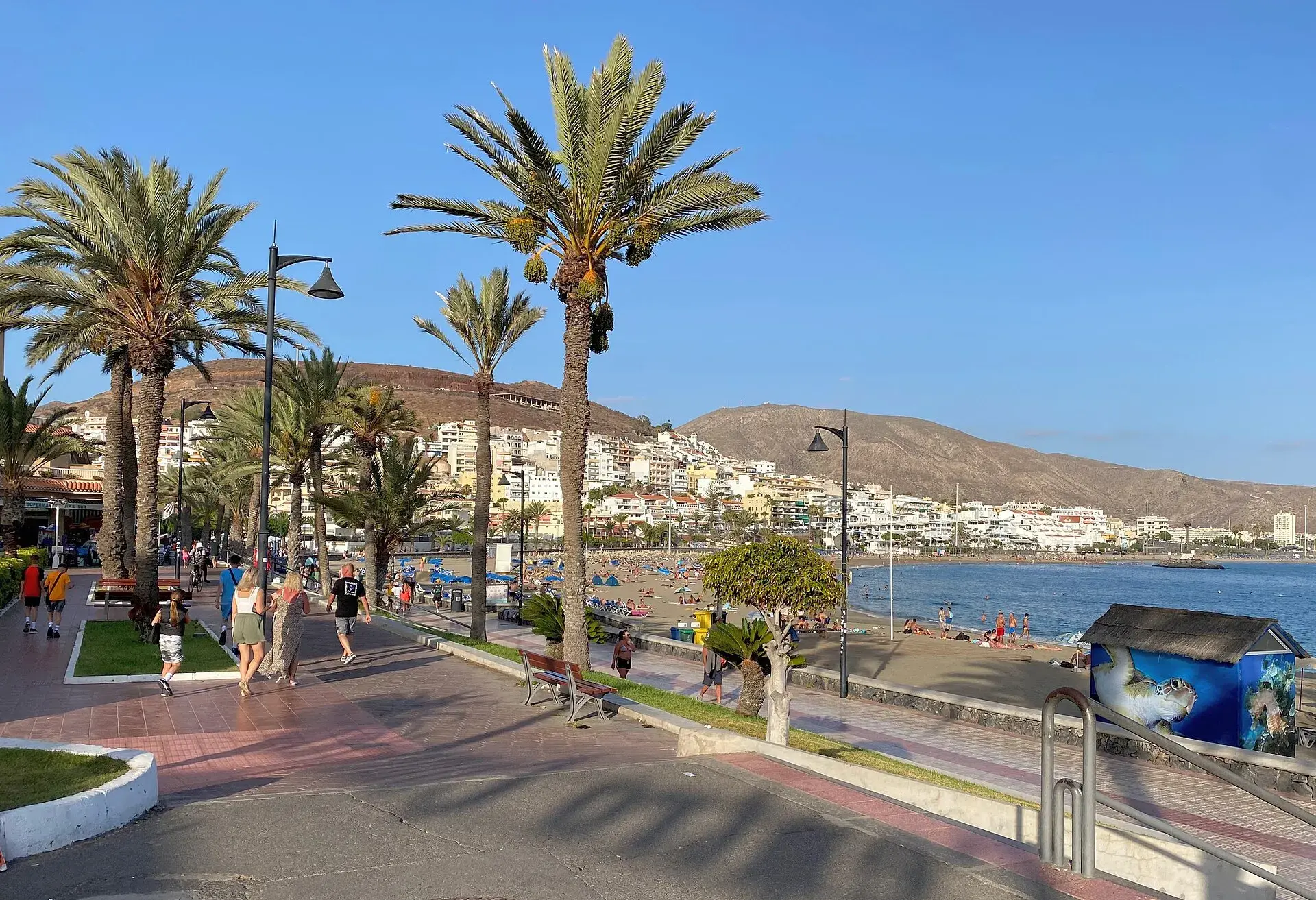
Accessible Tenerife: beaches, transport and step-free visits
Accessible Tenerife: beaches with assisted bathing and amphibious chairs, airport assistance, buses, tram and eurotaxi, and which visits work in a wheelchair.
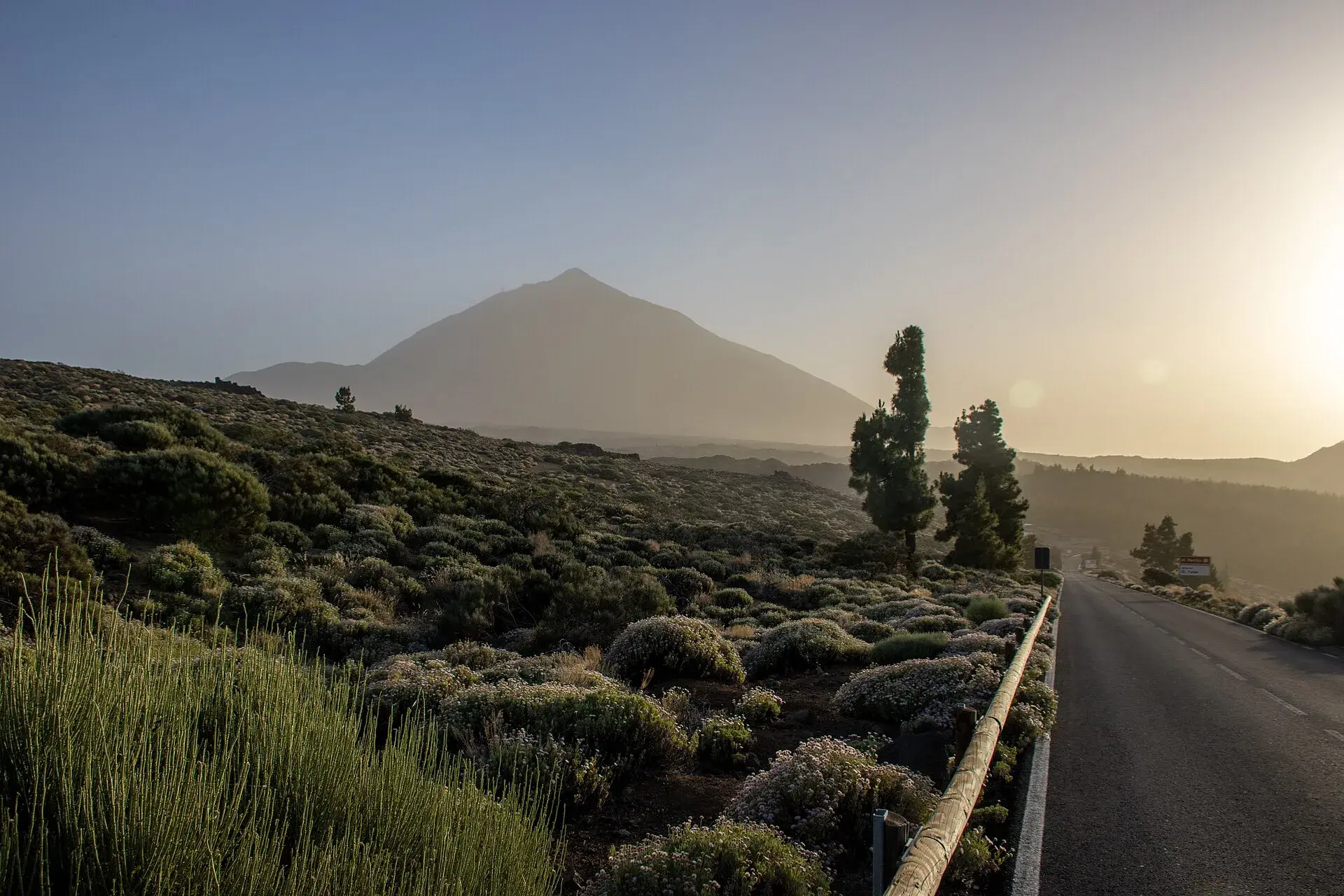
Calima in Tenerife: what it is, when it comes, how it affects you
Calima in Tenerife: what Saharan dust is, which months it tends to arrive, how it affects health and flights, where to check warnings and what to do that day.
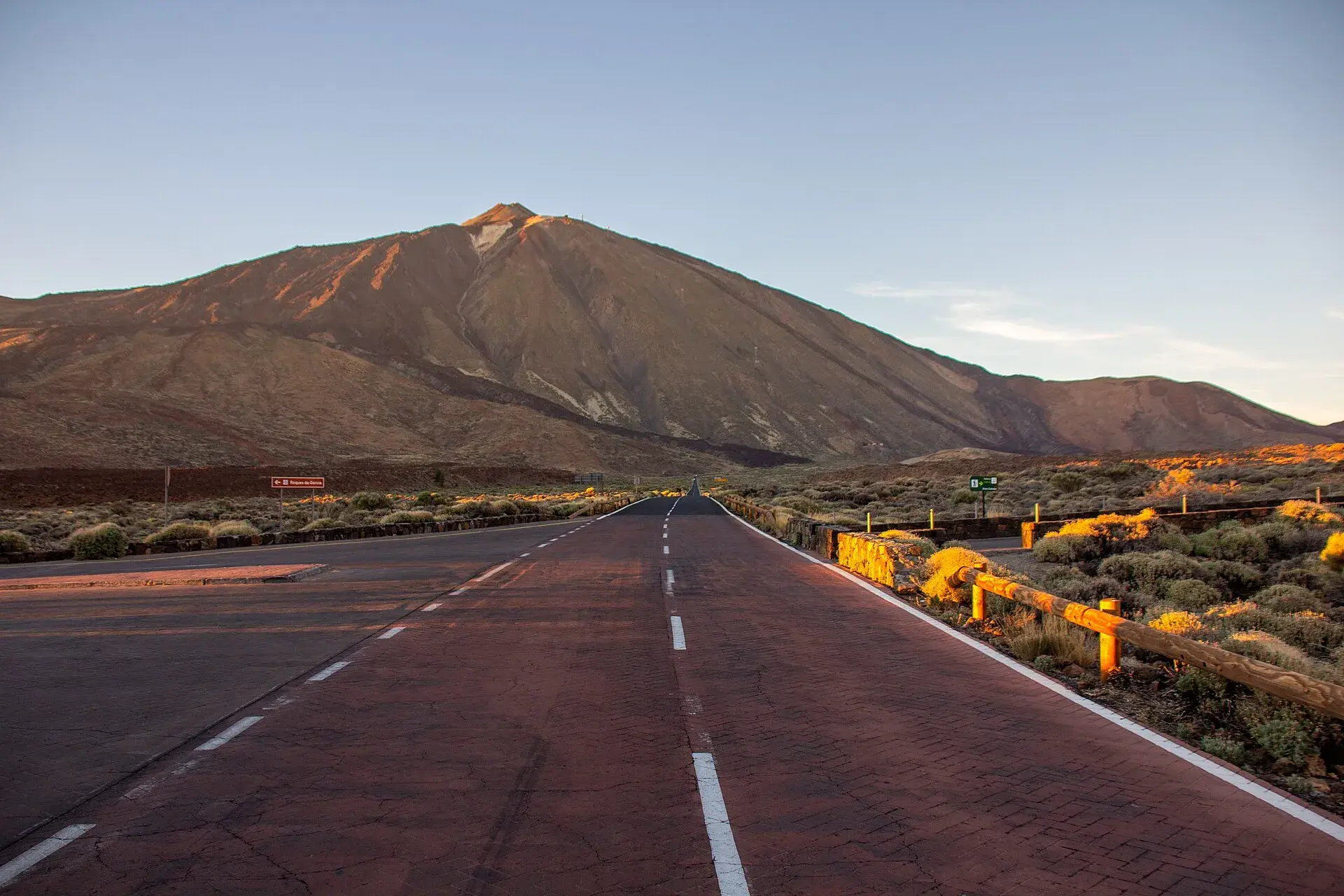
Car hire in Tenerife: insurance, deposit and useful tips
Car hire in Tenerife without surprises: when it pays off, insurance and excess, deposit, fuel, child seats, Masca, Teide and what to check at pick-up.
Digital nomads in Tenerife: visa, areas, housing and internet
Digital nomads in Tenerife: the remote work visa and 2026 requirements, EU citizen registration, the best areas to live, renting, healthcare and internet.