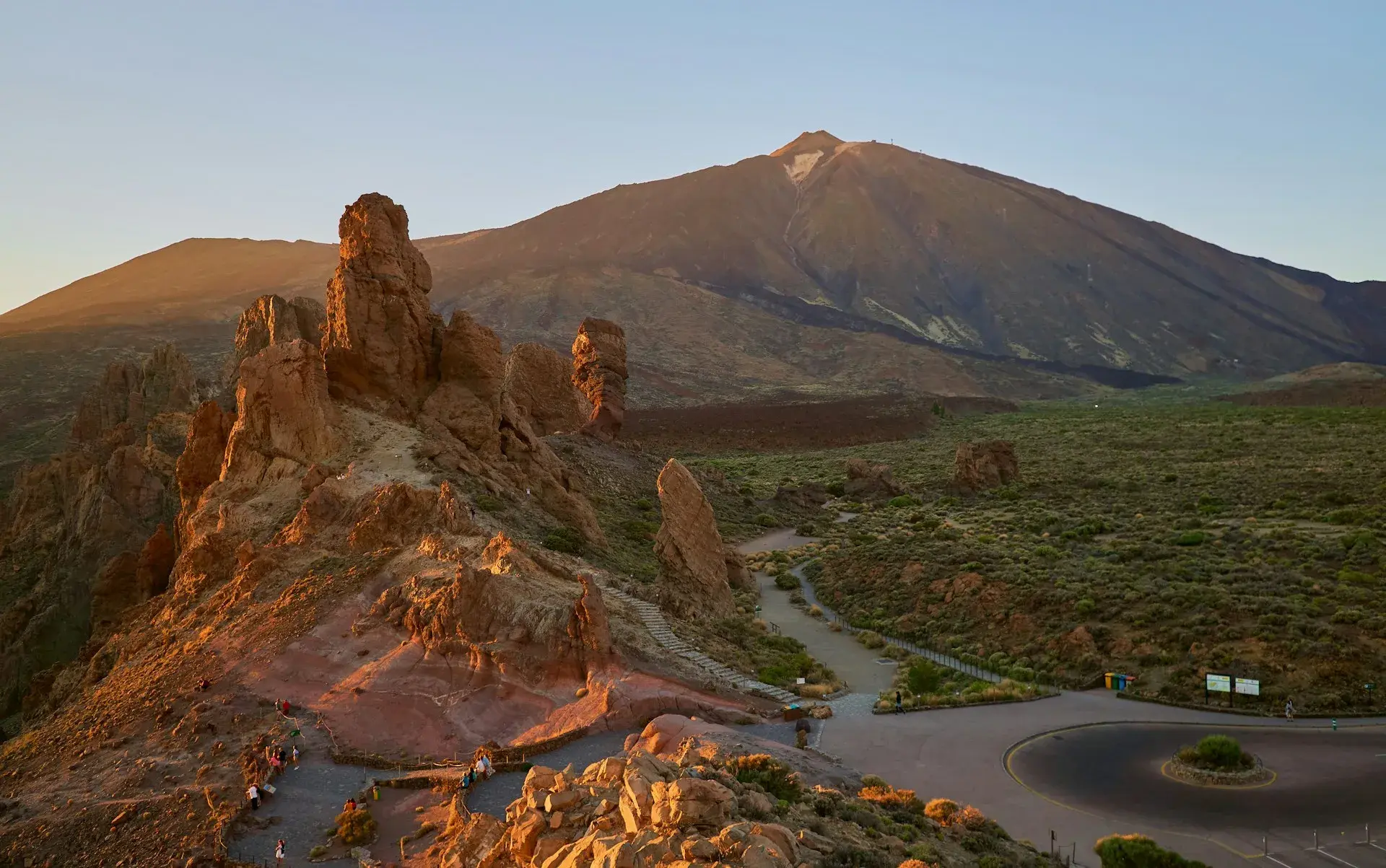
Photo by Joshua Humpfer on Unsplash
Teide National Park: complete guide to visiting
Visiting Teide National Park means making three decisions before you set off: which road to drive in on (there are four access roads and the weather differs on each side of the island), whether you will ride the cable car (book ahead, because time slots sell out and it closes in high wind), and whether you want to stand on the summit, which needs a separate permit with a daily quota and, since 2026, a fee for anyone who does not live in Tenerife. Everything else, from the Roques de García to the night sky, is free and fits into a single day. This guide brings together the practical details checked against official sources and flags what is worth confirming the day before.
What Teide National Park is
The park covers the centre of the island around Teide, at 3,718 m the highest peak in Spain, and its neighbouring volcano, Pico Viejo. It was declared a national park in 1954 and UNESCO added it to the World Heritage List in 2007. What you actually visit is a huge caldera, the Circo de Las Cañadas, an amphitheatre about 15 km across whose floor sits between 2,000 and 2,300 m above sea level. That is why most of your visit takes place above the sea of clouds that the trade winds hold against the northern slopes, and why it is cold even in summer.
The park is now managed by the Cabildo de Tenerife (the island government), which has announced a plan to ease visitor pressure: access controls at the entrances, announced for the end of 2026, and car parks with advance booking and paid shuttle guaguas (guagua is the Canarian word for bus) planned from 2027. Check before your trip whether any of these measures are already in place, because they will change how you arrive by car.
Getting there by car: the four access roads
The roads in the park are mountain roads, full of bends and with no petrol stations. Fill the tank and allow an hour and a half to two hours from the coast.
- TF-21 from La Orotava (north). The classic route from Puerto de la Cruz: it climbs through the Aguamansa pine forest and enters at El Portillo, home to the visitor centre and the junction with the TF-24. It is the first road to close when it snows.
- TF-24 from La Esperanza (northeast). This ridge road leaves La Laguna and runs along the spine of the island, with viewpoints over both valleys (Chipeque is the usual one for the sea of clouds), and passes the Izaña Observatory before reaching El Portillo. The most scenic option from Santa Cruz or La Laguna.
- TF-21 from Vilaflor (south). From Los Cristianos or Costa Adeje you climb through Arona and Vilaflor, the highest village in the Canary Islands, and enter at Boca Tauce. This is the southern access and the one bus 342 uses.
- TF-38 from Chío (west). It starts in Guía de Isora and also reaches Boca Tauce, passing the Narices del Teide viewpoint and the Samara trail. The least busy of the four.
Inside the park, the TF-21 links El Portillo with Boca Tauce and has most of the car parks: Minas de San José, Montaña Blanca, the cable car, the Parador and the Roques de García. The last two fill up by mid-morning in high season, and the Cabildo has announced capacity controls at the busiest viewpoints. To fit the park into a full loop without doubling back, see our Tenerife road trip.
Getting there by bus
TITSA runs two lines to the park, each with a single outbound trip in the morning and a single return in the mid-afternoon:
- Line 342 from Costa Adeje. Leaves at around 9:25, runs via Los Cristianos, Arona and Vilaflor and enters at Boca Tauce, stopping at the Parador, the cable car and El Portillo. The journey takes about 2 hours 15 minutes; the return leaves El Portillo from 15:15.
- Line 348 from Puerto de la Cruz. Leaves at around 9:30, runs via La Orotava and Aguamansa and enters at El Portillo, continuing to the Parador. The journey takes 1 hour 40 minutes and the return leaves from 16:00. On the way down, it only drops passengers off from Aguamansa onwards.
With a single departure each way, the bus works for the cable car or a short trail, not for hiking to the summit. Check the timetable on the TITSA website the day before. If you would rather not depend on that one trip, many of the best excursions in Tenerife combine hotel transfers with the cable car.
The Teide cable car
The cable car runs from the base station, at 2,356 m beside the TF-21, up to La Rambleta, at 3,555 m, in about eight minutes, in cabins that hold 44 people. At the top there are only toilets, no café, and the temperature can be ten degrees lower than at the base.
Booking, opening hours and prices
Book your time slot on the official cable car website: in high season the day's places sell out and the ticket office only sells what is left. In 2026 it opens at 9:00 every day; the last ascent and the last descent change with each seasonal period, so check the timetable for your date on the official website. The base station car park is free and opens at 8:00. The prices published by the operator in October 2026 were €42 return for non-resident adults and €21 for children aged 3 to 13, with a reduced rate for Canary Islands residents; check the current price list before booking, because fares and opening hours change with the season. Prices, time slots and ticket conditions are covered in detail in our guide to the Teide cable car.
The cable car closes when the wind at the top exceeds the safety threshold, which is common in winter. If it closes, the operator refunds your ticket; nobody refunds the lost day, so have a backup plan (the Roques de García can be walked in any reasonable weather). The first slot of the morning has fewer closures, because the wind usually picks up around midday.
Health and altitude
At 3,555 m the air holds roughly a third less oxygen than at sea level. The operator does not allow pregnant women, children under 3 or people with heart conditions to ride up; nor people with reduced mobility, because it cannot guarantee their evacuation within the time required by regulations. Closed shoes with non-slip soles are compulsory: sandals, flip-flops, open shoes and flat soles are not allowed. If you get a headache, dizziness or nausea, go back down; mild altitude sickness is common and clears up as you descend.
What to do at the top without a permit
Two short, free trails leave from La Rambleta: no. 11 to the La Fortaleza viewpoint (about 660 m, 25 minutes, with the north of the island and, on clear days, La Palma) and no. 12 to the Pico Viejo viewpoint (about 780 m, 30 minutes, with the Pico Viejo crater and the south below you). With both trails and photo stops, allow an hour and a half at the top. The third, no. 10 or Telesforo Bravo, leads to the summit and is closed off by a barrier to anyone without a permit.
The summit permit: the Telesforo Bravo trail
Climbing Teide to the crater, between La Rambleta (3,555 m) and the peak (3,718 m), requires a permit from the park. According to the park's official trail sheet, the trail is about 650 m long, gains about 168 m and takes 40 minutes, with gradients of up to 60 %; it does not sound like much, but at that altitude every step is hard work. The permit is issued in your name, is valid for a specific date and time slot and is requested through Tenerife ON, the Cabildo's booking platform. The daily quota is split into time slots shared between individuals, guides and other groups; a Cabildo resolution of October 2026 sets 90-minute slots, but as of October 2026 no date for it to take effect has been confirmed, so check the current allocation on Tenerife ON. Places sell out well in advance, especially in summer and at weekends: apply as soon as you know your dates. The booking process, step by step, is in our guide to the Teide summit permit.
Since 19 January 2026 the permit comes with a fee for anyone who does not live in Tenerife: people who do not live in the Canary Islands pay €15 and residents of the other islands pay €6; residents of Tenerife and children under 14 pay nothing, although they still need to book. Since the same date, trail no. 7 up Montaña Blanca requires a Tenerife ON booking for its upper section and carries a fee for non-residents of Tenerife (€6 on weekdays and €10 at weekends and on public holidays for people who do not live in the Canary Islands). According to the October 2026 resolution, the fee applies between 9:00 and 18:00. Check the current amounts on Tenerife ON before booking.
The cable car ticket and the permit are two separate bookings, and neither includes the other. If you cannot get a permit, companies with authorised guides sell the ascent with the permit included, at a higher price but without a waiting list. Bring your ID: it is checked at the barrier.
Hiking up Teide: Montaña Blanca and the Altavista refuge
The classic route is trail no. 7, which starts at km 40.2 of the TF-21 (Montaña Blanca car park, at about 2,350 m) and reaches La Rambleta after 8.2 km and about 1,190 m of ascent; the park rates it as difficult and estimates 5 and a half hours to the top. The first few kilometres are an easy track among the Huevos del Teide (Teide's Eggs), large balls of lava; from the shoulder of Montaña Blanca the path steepens and enters high-mountain terrain with loose rock, no water and no shade. From La Rambleta you either continue to the peak with a permit or ride down on the cable car with a one-way descent ticket, which you buy at the top if the service is running. This and other routes in the park have full write-ups in the best hikes in Tenerife.
The Altavista refuge, at over 3,200 m right on trail 7, reopened on 20 July 2026 after a complete refurbishment; it had been closed since 2019. It has 49 beds, stays are limited to one night and bookings are made on its official website. The rates announced at the reopening were €29 for Tenerife residents, €56.80 for mountaineering federation members from the rest of the Canary Islands and €71 for the general rate. Sleeping there lets you set off before dawn and watch the sunrise from the peak: the refuge booking includes the permits for trails 7 and 10, with access to the summit between 6:00 and 9:00. Children under 14 are not admitted.
The park advises against this route for anyone with heart problems and recommends it only for people in good shape. Start at dawn, carry three litres of water per person, a warm layer and a windbreaker even if it is hot lower down, and turn back if you notice symptoms of altitude sickness.
What to see inside the park
- Roques de García (trail no. 3). A loop of about 3.6 km from the La Ruleta viewpoint, opposite the Parador, with about 170 m of ascent and a two-hour walk around the Roque Cinchado, the rock that featured on the old 1,000-peseta notes, to the foot of La Catedral and the edge of the Llano de Ucanca. The first stretch to the viewpoint is flat and accessible; the rest calls for proper footwear.
- Llano de Ucanca. The sedimentary plain at the foot of the Roques, with its own viewpoint on the TF-21. At sunrise and sunset, with low light raking across the Guajara wall, it is the finest landscape in the park that needs no walking; we include it among the best viewpoints in Tenerife.
- Minas de San José. At km 37.5 of the TF-21, near El Portillo, a landscape of pale pumice and volcanic bombs that you can explore from the car park with no effort. It is also the usual stargazing spot thanks to its open horizon.
- Parador de Las Cañadas del Teide. The only accommodation inside the park, at the foot of the Roques; its café is the usual lunchtime stop. Staying there lets you see the sunrise and the night sky without driving in the dark, but it books up months ahead.
- Visitor centres. The El Portillo centre, at the junction of the TF-21 and the TF-24, has an exhibition, a screening room and a botanical garden with a one-kilometre trail where you can see the red tajinaste in flower in May and June. The Cañada Blanca centre, next to the Parador, opened in 2022 facing the Roques and explains the geology with a scale model and audiovisual displays. Both are free; check opening hours on the park website. The park's free guided walks leave from El Portillo and must be booked in advance.
- Izaña Observatory. Beside the TF-24, the Teide Observatory of the Instituto de Astrofísica de Canarias can only be visited with a booking on specific days.
The night sky
The park is certified as a Starlight Reserve and Starlight Tourist Destination: ground above the clouds, dry air and a Canary Islands sky protection law in force since 1988. Moonless nights in autumn and winter are the clearest, and Minas de San José and the Llano de Ucanca are the easiest viewpoints. Our guide to stargazing on Teide explains when to go, how to drive in the park at night and what telescope tours offer compared with going on your own.
Snow and winter
Between December and March it snows several times. With snow or patches of ice, the Cabildo closes the TF-21 from La Orotava and the TF-24 from La Esperanza to private traffic, and in heavy storms also Boca Tauce and the stretch between La Caldera and the cable car. Hire cars in Tenerife do not carry snow chains and the companies forbid driving on closed or snow-covered roads, so the only option is to wait for the roads to reopen, which the Cabildo announces on its official channels as soon as the snow is cleared. On the busiest snow days the Cabildo has restricted private cars and laid on shuttle guaguas, as from 19 to 22 December 2025; if the service is running, it is the way up. The days after a snowfall, with the roads open and Teide white, are the most beautiful of the year and the busiest: set off very early. In snow the cable car usually runs if there is no wind, but the trails at the upper station and Montaña Blanca may close because of ice.
Best time of day and best time of year
- Time of day. Arrive before 9:30: you will find parking at the Roques de García and the first cable car ascent is the quietest. Sunset from the Llano de Ucanca or from Chipeque is the other slot worth your while; drive down in daylight if you do not know the road.
- Time of year. The tajinaste blooms in May and June; July and August are the driest months, with car parks full at midday; October and November have clear air and short queues; from December to March there is a risk of snow closures, in exchange for the best photos. To fit it in with the rest of your trip, see the best time to visit Tenerife.
What to bring
Layers with a windbreaker or fleece even in August, a hat and gloves from November to April, sunglasses and high-factor sun cream (the radiation at 2,300 m is far stronger than on the coast), closed hiking shoes, a litre and a half of water per person for a walk and three litres for Montaña Blanca, some food because the only cafés inside the park are at the Parador and the cable car base station, and your ID if you have a permit. For stargazing, add a blanket and a red-light torch.
Visiting the park with children
The park works well with children from the age of 3, the minimum age for the cable car. The full Roques de García loop is long for the youngest, but the flat stretch to the viewpoint and back the same way is a perfect stroll, as are the botanical garden at El Portillo and Minas de San José. At La Rambleta, watch for signs of altitude sickness (headache, drowsiness, nausea), which appear sooner in children; if you notice them, go down in the next cabin. With babies, stay on the caldera floor. The easy one-day itinerary is the Roques de García first thing, the Parador at midday and Minas de San José on the way back.
Common mistakes
- Turning up without a cable car booking in high season and finding that the next free slot is four hours away or does not exist.
- Confusing the cable car ticket with the summit permit. They are two separate procedures, and the second sells out weeks in advance.
- Going up in short sleeves. The temperature difference between the coast and La Rambleta is more than 15 degrees at any time of year.
- Hiking Montaña Blanca at midday or with the fuel tank on reserve. There is no water, shade or petrol station inside the park.
- Camping or sleeping in your car. It is forbidden anywhere except the Parador and the refuge.
- Smoking. Since 19 June 2026 smoking has been banned in the open-air areas of the whole National Park, including trails, viewpoints, picnic areas and car parks, because of the fire risk.
- Taking stones or stacking them. It is an offence, and the park dismantles the towers. The other prohibitions, drones included, are in the rules for Tenerife's natural areas.
- Giving it only the time the cable car takes. The park deserves a full day, or two if you add the night. In our Tenerife in 5 days itinerary we set aside a whole day for it.
Frequently asked questions
Do you have to pay to enter Teide National Park?
No. Road access and most trails are free, including the Roques de García and the visitor centres. You pay for the cable car, the summit and Montaña Blanca trail permits if you do not live in Tenerife and, once the Cabildo brings them in, the regulated parking and the shuttles planned from 2027. Check Tenerife ON before your trip.
How much time do you need to visit Teide?
A full day: an hour and a half to drive up from the coast, two hours at the Roques de García, two or three for the cable car including queues and viewpoints, plus stops at Ucanca, Minas de San José and El Portillo. With half a day, choose between the cable car and the Roques and enter by the access road closest to where you are staying.
Can you go up Teide without a permit?
As far as La Rambleta by cable car, yes, and from there the La Fortaleza and Pico Viejo viewpoints are open to all. On foot via Montaña Blanca, no: since 2026 the upper section of trail 7 requires a Tenerife ON booking, with a fee for non-residents. The summit, along the Telesforo Bravo trail, always requires a permit: a time slot booked on Tenerife ON, with a limited quota, or a night at the Altavista refuge, which includes access between 6:00 and 9:00.
What happens if the cable car closes because of wind?
The operator suspends the service and refunds the affected tickets. There is no way to predict a closure days in advance, although early morning and days with no wind warning are the safest bets. Have a backup plan on the caldera floor.
Can you drive to Teide in a hire car when it snows?
Only if the roads are open. With snow or ice the Cabildo closes the access roads to private traffic, and hire contracts in Tenerife exclude driving on closed roads and do not include snow chains. Check the state of the access roads on the Cabildo's official channels that same morning.
Keep planning
You may also like
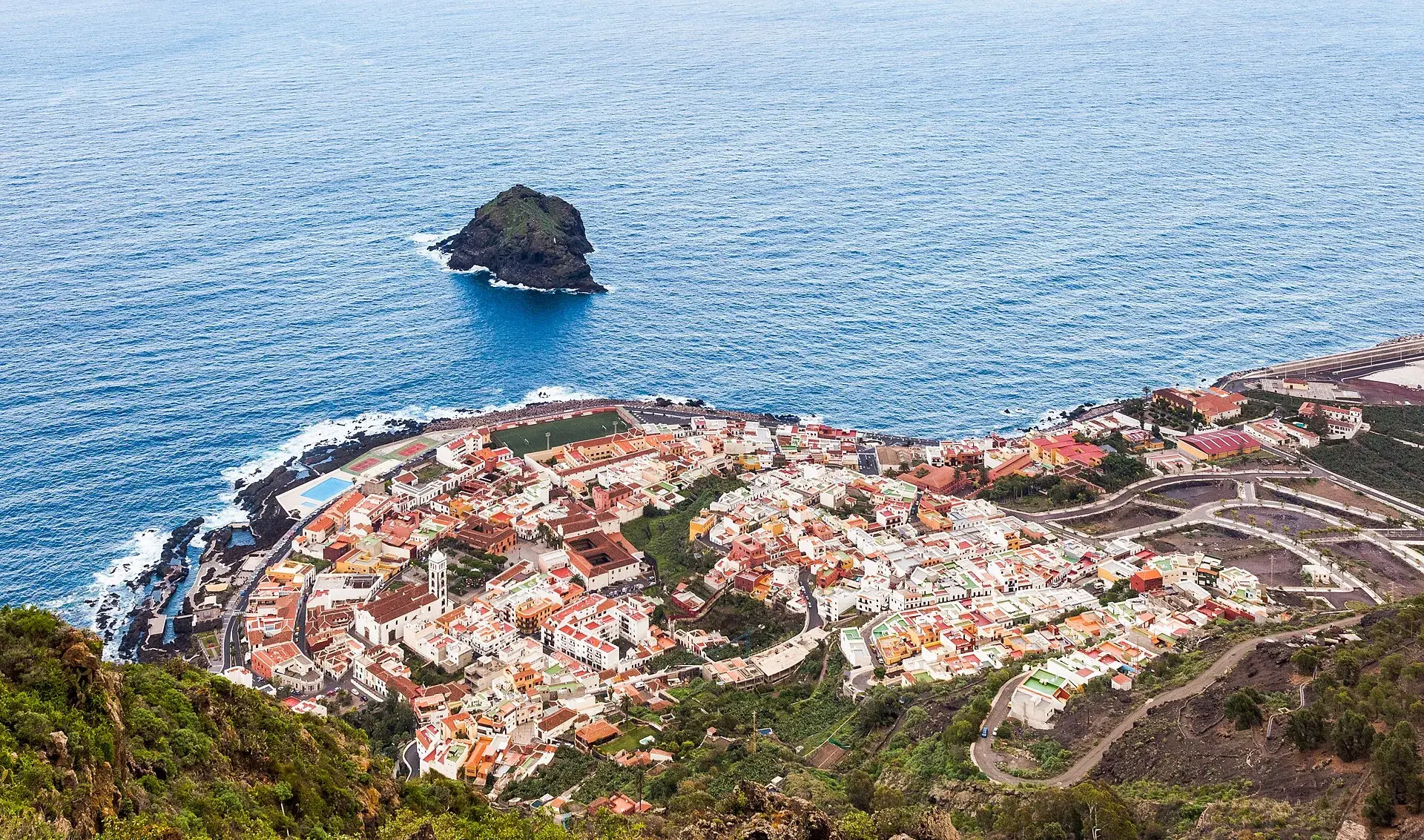
Garachico, Tenerife: old town, El Caletón and the Isla Baja
What to see in Garachico in half a day: the port buried by lava in 1706, the historic centre, El Caletón, the castle, San Roque, buses and where to park.
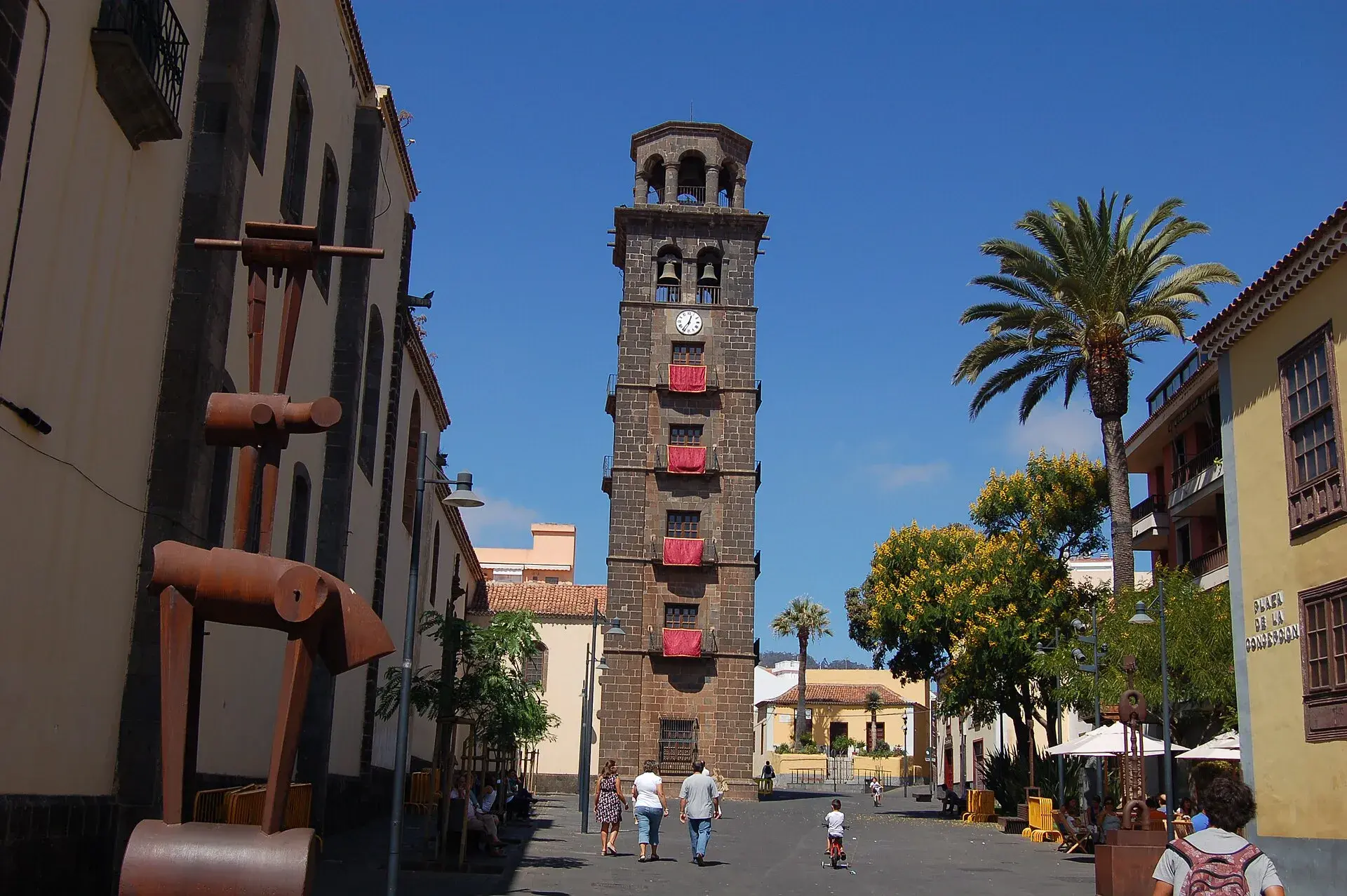
La Laguna, Tenerife: old town, museums and how to get there
What to see in La Laguna step by step: walking route through the World Heritage old town, cathedral, museums, tram, parking, festivals and a trip to Anaga.
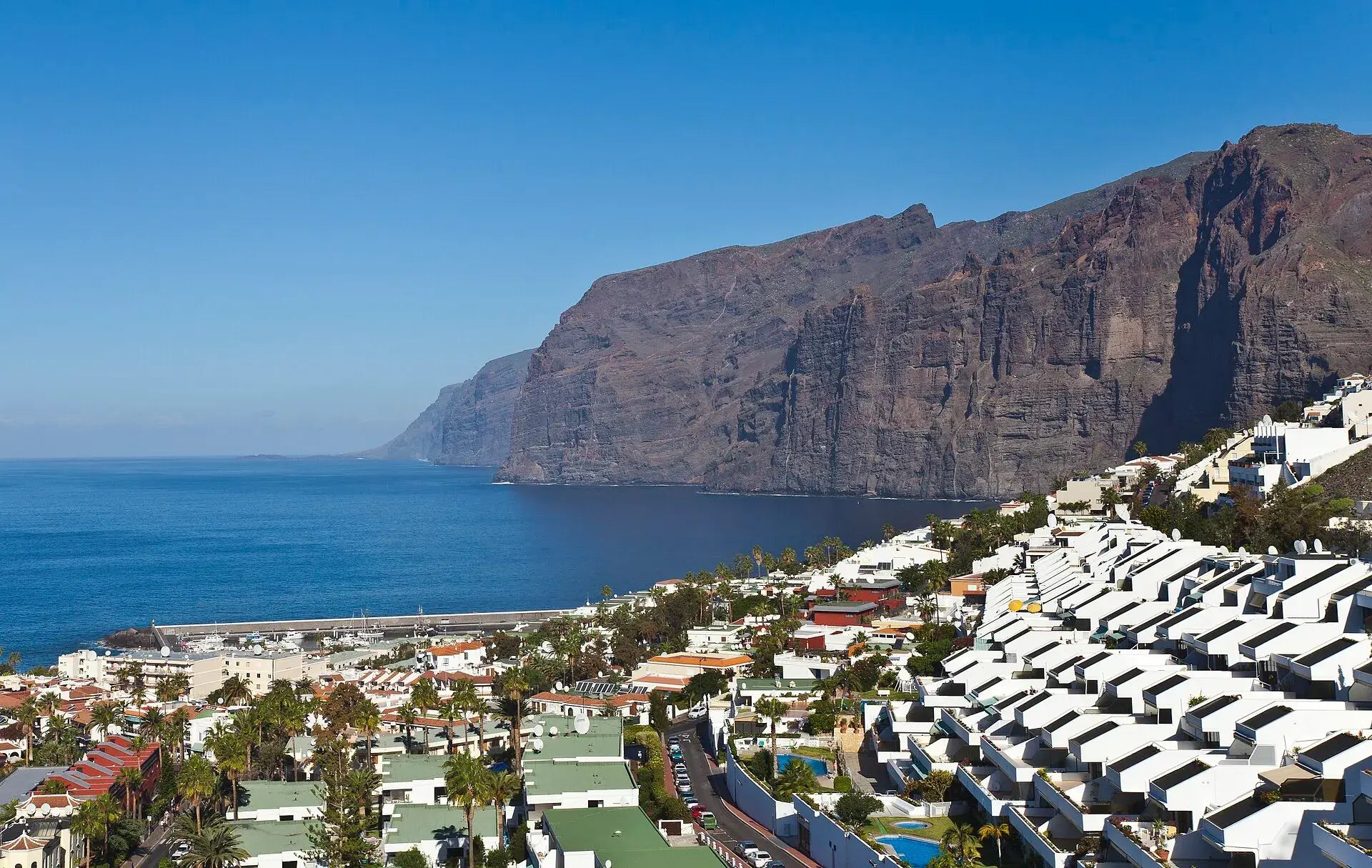
Los Gigantes Tenerife: cliffs, boat trips, beaches and access
Los Gigantes (Tenerife): cliffs up to 600 m, Archipenque viewpoint, boats from the marina, Los Guíos, rock pools, buses 473 and 477 and where to park.
Tenerife protected areas rules: trail quotas and drones
Rules for Tenerife's protected areas: trails that need booking, Teide, Masca and El Pijaral, drones, camping, wildfire alerts, dogs and fines in 2026.