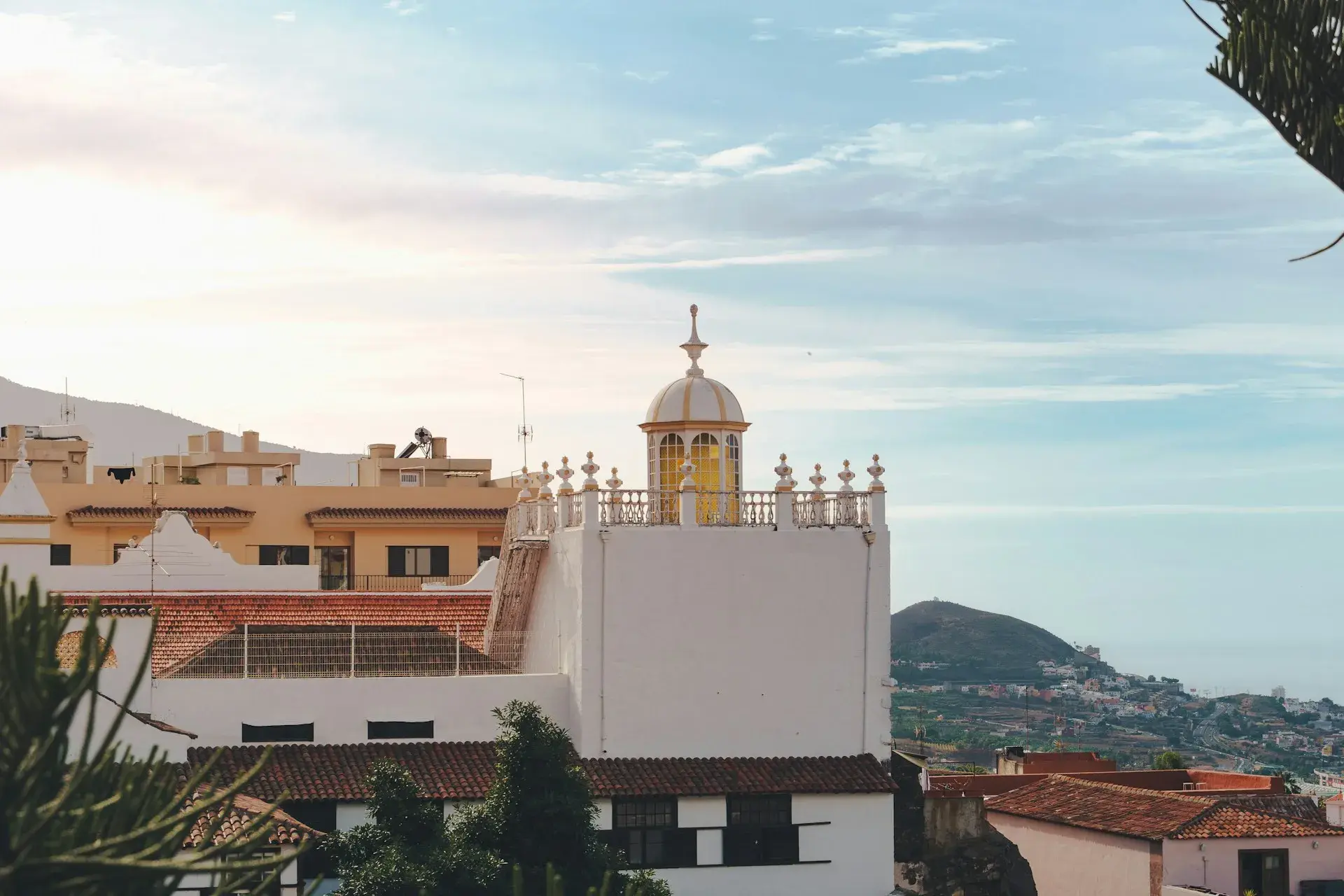
The prettiest villages in Tenerife
The prettiest villages in Tenerife are almost all in the north and west: Garachico, La Orotava, Icod de los Vinos, Masca, Taganana and the Isla Baja (Buenavista del Norte and Los Silos) have the best-preserved historic centres and the most striking scenery. In the south, Vilaflor de Chasna, the old town of Adeje and Candelaria are worth a stop; in the east, Arico. Add to them hamlets such as Chinamada, where people still live in cave houses. This guide sums up which villages to visit in Tenerife, what to see in each in one to three hours, how to get there by car or by guagua (the local word for bus), where to park and how to string them together.
How this selection was made
The list includes villages with a recognisable centre you can explore on foot, with something to see beyond the square and the church, and reasonable access by car. Bus lines are taken from the Tenerife Tourism or town council fact sheets; where no line is given, check TITSA. La Laguna is not on the list: it is a city, a UNESCO World Heritage Site since 1999, and deserves a day of its own.
Garachico
Why: it was the island's main port until the eruption of the Trevejo volcano on 5 May 1706 buried the harbour and much of the town. What was rebuilt on top is a Historic Ensemble (a Site of Cultural Interest since 1994) of cobbled streets, mansions and convents, with the lava flow turned into the El Caletón natural pools. What to see in two hours: the Castillo de San Miguel (1575) next to El Caletón; Plaza de la Libertad with the former convent of San Francisco, now a library and museums; the church of Santa Ana; the facade of the convent of Santo Domingo, which survived the lava; the Puerta de Tierra park. Getting there: north coast, about 61 kilometres from Santa Cruz via the TF-5 to Icod and then the TF-42. Guagua 363 (Puerto de la Cruz–Buenavista via Icod). Parking: along the seafront avenue; it fills up at midday at weekends. When to go: the San Roque pilgrimage festival (romería) on 16 August; every five years (years ending in 0 and 5), the Fiestas Lustrales culminate on 31 July and 1 August. The town, with El Caletón and the Isla Baja, has its own guide: what to see in Garachico.
La Orotava
Why: the island's aristocratic town, with the finest collection of Canarian architecture with carved pine balconies and a hillside layout facing Mount Teide. What to see in two or three hours: the Casa de los Balcones (around 1670) and the Casa Lercaro; the church of La Concepción; the gardens of the Marquesado de la Quinta Roja and the Hijuela del Botánico (1788); the Liceo de Taoro and Plaza de la Constitución. In June, the Corpus Christi carpets of flowers and volcanic sand cover the streets, and the San Isidro romería rounds off the month. Getting there: 30 kilometres from Santa Cruz on the TF-5. Several TITSA lines from Puerto de la Cruz and Santa Cruz; the 348, which climbs to Mount Teide from Puerto de la Cruz, passes through the town. Parking: difficult in the centre; use the public car parks in the lower part. On the route: with Puerto de la Cruz and the Humboldt viewpoint, or as the start of the drive up to Mount Teide on the TF-21.
Masca
Why: a hamlet of a handful of houses perched in Parque Rural de Teno, at the head of a ravine that opens to the sea; the road is as spectacular as the village. What to see in an hour: the 18th-century church, the viewpoint over the ravine, the terraces and a couple of restaurants with views. Hiking down the ravine to the beach is another matter: about 5 km from about 750 m above sea level according to the official website, the trail is regulated, with booking on the official Camino del Barranco de Masca website, return by boat only and a fee for non-residents. Getting there: TF-436 from Santiago del Teide, narrow and with tight bends. Guagua 355 (Buenavista–Masca–Santiago del Teide). Parking: minimal; anyone hiking the ravine must leave their car at the Santiago del Teide cemetery car park and ride up on the 355, which is compulsory for hikers. When to go: on weekdays and early in the day; in winter the clouds roll in during the afternoon.
Icod de los Vinos
Why: the Drago Milenario (the "thousand-year-old" dragon tree), a National Monument since 1917 with an actual estimated age of 500 to 600 years, and a centre of squares and mansions above the Cueva del Viento, the longest lava tube in Europe. What to see in one or two hours: the Parque del Drago; the church of San Marcos, a Site of Cultural Interest with a Baroque altarpiece; Plaza de la Pila, with its fan-shaped palm; San Marcos beach, a black-sand bay with a fishing harbour. Cueva del Viento visits are booked online. Getting there: TF-5, about 50 minutes from Santa Cruz. Guagua 363 from Puerto de la Cruz and several lines from Santa Cruz. Parking: paid, next to the Parque del Drago. When to go: on 29 and 30 November, for San Andrés, young people slide down the streets on wooden boards and the wineries open the new wine.
Taganana
Why: the oldest village in Anaga, founded in 1501, set among rock stacks, terraced vineyards and laurel forest, 112 metres above a coast of black beaches. What to see in one or two hours: the church of Nuestra Señora de las Nieves, a Site of Cultural Interest with a 16th-century triptych; the Santa Catalina chapel; the steep streets; and the beaches: Roque de las Bodegas, the most family-friendly, with fish restaurants and fewer than fifty parking spaces; Almáciga, for surfers; and Benijo, officially closed since July 2024 because of rockfalls. Getting there: TF-12 to El Bailadero and then the winding TF-134 down to the village, about 30 minutes from Santa Cruz. Guagua 946 (Santa Cruz–San Andrés–Taganana–Almáciga). Parking: scarce; at weekends arrive before 11:00. When to go: Virgen de las Nieves on 5 August. Currents are strong at all the beaches. On the route: the Anaga day, with Cruz del Carmen and the rural park guide.
Vilaflor de Chasna
Why: the highest village in the Canary Islands, at about 1,400–1,500 metres, surrounded by pine forest, birthplace of Hermano Pedro (1626), the first Canarian saint, and starting point of the Paisaje Lunar (Lunar Landscape) route. What to see in one or two hours: the church of San Pedro Apóstol, a Site of Cultural Interest; the Hermano Pedro sanctuary; the Pino Gordo, a monumental Canary pine; the terraces of vines and potatoes. The PR-TF 72 to the Paisaje Lunar starts from the church square and takes half a day. Getting there: TF-51 from La Camella (Arona) or TF-21 from Granadilla, 25–30 minutes from Tenerife South airport. Guaguas 342 (Costa Adeje–Teide), 474 and 482 (Los Cristianos–Vilaflor), with few services at weekends. Parking: on the streets of the old centre. When to go: the feast of Santo Hermano Pedro on 24 April (the pilgrimage to his cave takes place in Granadilla de Abona); the San Roque and San Agustín romería in the second half of August. The route and the village in detail: Paisaje Lunar and Vilaflor.
Candelaria
Why: the religious centre of the Canary Islands, with a square open to the sea in front of the basilica, flanked by nine bronze statues of the Guanche menceyes (kings). What to see in an hour: the Basílica de Nuestra Señora de Candelaria; the Plaza de la Patrona de Canarias; the Achbinico cave or San Blas chapel; the pedestrian street Obispo Pérez Cáceres, with the church of Santa Ana and the Casa de las Miquelas pottery centre; the town beach. Getting there: 20 minutes from Santa Cruz on the TF-1. Guaguas 122 (through the town) and 120 (Santa Cruz–Güímar via the motorway, stopping at Candelaria and Puertito de Güímar). Parking: blue-zone parking and car parks along the seafront. When to go: on the night of 14–15 August thousands of pilgrims arrive on foot; the 2 February festival is more low-key. On those days, take the guagua.
El Sauzal
Why: a small, well-kept centre above a cliff of more than 200 metres, with the church of San Pedro Apóstol (16th century, a Site of Cultural Interest since 2005), the La Garañona viewpoint park and, five minutes away, the Casa del Vino, a 17th-century estate with a free museum, a honey centre and a tasting room. What to see in one or two hours: the church square and the old centre; La Garañona, with a café carved into the rock; the Casa del Vino, on Calle San Simón. To eat, the area is full of guachinches, the winegrowers' simple eateries. Getting there: TF-5, 20–25 minutes from Tenerife North airport. Parking: easy. When to go: San Pedro at the end of June.
Buenavista del Norte
Why: the village at the far north-west tip, with its square and the church of Los Remedios, and a base for Parque Rural de Teno (8,063 hectares of mountains and ravines) and Punta de Teno, the lighthouse cape. What to see in an hour, plus half a day around it: the traditional centre, the pebble beaches and the hamlet of El Palmar, about eight kilometres away, with its crater farmed in terraces. Punta de Teno is reached on the 369 guagua from Buenavista bus station: because of roadworks on the TF-445, access by private car is suspended in 2026. Getting there: the end of the TF-42. Guagua 363 from Puerto de la Cruz. Parking: no problem. When to go: the patron saint's romería in May.
Los Silos
Why: the quietest centre in the Isla Baja, around Plaza de la Luz, with mansions, the former convent of San Sebastián (1649), now a library and art gallery, and the church of Nuestra Señora de la Luz. A village for locals, not tourists. What to see in an hour: the square and its streets, the convent and the coast with its rock pools. The PR-TF 53 leaves from the village to the abandoned hamlet of Cuevas Negras, about 5.7 kilometres to Erjos. Getting there: TF-42, between Garachico and Buenavista. Guagua 363. When to go: the International Storytelling Festival over the Constitution Day long weekend (December); the Fiestas de la Luz on 7 and 8 September.
Tegueste
Why: the wine village next to La Laguna, with a centre declared a Historic Ensemble in 1986 around the church of San Marcos, wineries of the Tacoronte-Acentejo designation of origin and the Agua de Dios ravine, with protected Guanche caves. What to see in an hour: the churches of San Marcos and El Socorro, the calvaries of La Placeta, Las Toscas and El Socorro, and the Casa de los Zamorano, an estate with a vineyard and wine press. Getting there: TF-13, 10–15 minutes from La Laguna. Guaguas 050, 051 and 105. Parking: easy. When to go: the San Marcos romería in late April, one of the biggest on the island; the Librea, a historical re-enactment on 8 September, only every three years.
Adeje (old town)
Why: ten minutes from Costa Adeje there is a real village, on a slope, with the Casa Fuerte (residence of the island's feudal lords, a Site of Cultural Interest), the church of Santa Úrsula and the former Franciscan convent from 1679, now the town hall; above it begins the Barranco del Infierno, with limited places and prior booking. What to see in an hour: Calle Grande, the church square, the Casa Fuerte from outside and the views of the coast. Getting there: Adeje exit on the TF-1 and then the TF-47. Guaguas 473 and 416 run through the centre; the 111 only reaches Costa Adeje. Parking: on the street and at the ravine car park, which fills up early. When to go: at midday on Good Friday around 300 locals re-enact the Passion on Calle Grande; patron saint festivities in October. On the route: the cultural stop on a day in the south of Tenerife.
San Juan de la Rambla
Why: a tiny centre of 17th-century mansions, such as the Casa de la Alhóndiga, between the motorway and the sea, with one of the most photogenic charcos (natural rock pools) in the north right below: Charco de la Laja, in Las Aguas. What to see in an hour: the square of the church of San Juan Bautista, the streets of the old centre and the coastal district of Las Aguas with its pool, if the sea is calm. Getting there: TF-5, then exit onto the TF-351 or TF-352, 15–20 minutes from Puerto de la Cruz. Parking: on the street; the one at Las Aguas is small. When to go: San Juan in June.
Chinamada
Why: an Anaga hamlet at about 600 metres made up of cave houses dug into the tuff, still inhabited; the track was not opened until 1992 or paved until 1998. What to see in an hour: the cave houses from the path (they are homes: do not enter the properties), the San Ramón Nonato chapel and the Aguaide viewpoint, with the Punta del Hidalgo coast sheer below. There is a restaurant. The PR-TF 10 links Cruz del Carmen with Punta del Hidalgo via the hamlet; the descent section is about 4.7 kilometres and two and a quarter hours. Getting there: paved track from Las Carboneras, off the TF-12 via Las Mercedes. Parking: a few spaces at the end of the track. On the route: the quiet alternative to Taganana on the Anaga day.
Santiago del Teide
Why: a mountain village at about 900 metres, with the domed church of San Fernando Rey, almond blossom between late January and February, the Chinyero volcano (the island's last eruption, 1909) and the Cha Domitila pottery centre in Arguayo. It is the gateway to Masca. What to see in an hour: the square and the church, the almond-blossom route and, if you have time, the Chinyero circular trail. Getting there: TF-82 from Icod or TF-47 from the TF-1; 30–40 minutes from Costa Adeje. Guaguas 325, 355, 460 and 462. Parking: yes, including the cemetery car park, the base for going up to Masca. When to go: the almond-blossom weekend (dates change every year) and Santiago Apóstol around 25 July.
Arico
Why: in the south-east, far from the tourist crowds, Arico spreads its charm between Villa de Arico, with the church of San Juan Bautista, a Historic-Artistic Monument since 1985; Arico el Nuevo, an 18th-century village of white houses around a square; and Arico el Viejo. Down below, the coves of Abades, Tajao and El Porís for a fish lunch. What to see in an hour: Arico el Nuevo justifies the detour with its small, well-preserved centre; higher up, the pine forest and the El Contador recreation area. Getting there: Arico exit on the TF-1; the TF-28 links the villages. Parking: no problem.
How to combine them on a route
The north in a day (Isla Baja): Icod de los Vinos first thing (dragon tree and old centre), TF-42 to Garachico (two hours with a swim at El Caletón), Los Silos (half an hour) and Buenavista del Norte, with Punta de Teno on the 369 guagua if the timetable fits. It is about 20 kilometres between Icod and Buenavista and a full day; the long version adds San Juan de la Rambla at the start.
Teno in a day: from Santiago del Teide, drive up to Masca on the TF-436 stopping at the Cherfe viewpoint, have lunch in the hamlet and continue to Buenavista via Cruz de Hilda. If you are hiking down the ravine, set aside the whole day. If not, return via the TF-82 to Garachico and close the loop.
Anaga in a day: Tegueste mid-morning, Cruz del Carmen, Chinamada or Taganana and the beaches of Roque de las Bodegas and Almáciga. The road is slow: allow twice what the satnav says.
The south with culture: Adeje old town, Vilaflor via the TF-51 and down the TF-21 to Arico and the coves of Tajao. To spread it over several nights, the Tenerife road trip organises it into stages.
What to know before you go
- Roads: Anaga and Teno are narrow and foggy; on the TF-436 to Masca you must give way at the passing places. Do not trust the satnav's timings.
- Parking: Garachico, Taganana, Masca and Chinamada are the bottlenecks; on weekdays and before 11:00 there is no problem.
- Festivals: romerías fill the villages and close streets; they are the best time for atmosphere and the worst for parking.
- Respect: Chinamada and Masca are lived-in places; the cave houses and farms are private.
- Swimming: El Caletón, Las Aguas and the Los Silos coast depend on sea conditions; the guide to natural pools in Tenerife covers each charco in detail.
Frequently asked questions
Which is the prettiest village in Tenerife?
If you can only see one, Garachico: a complete historic centre, the sea, natural pools and a volcanic history you can read on every corner. La Orotava if you prefer stately architecture; Masca if you are after scenery.
Which villages can you visit without a car?
Garachico, Icod, Los Silos and Buenavista (363 from Puerto de la Cruz), Candelaria (120 and 122), Tegueste (050, 051 and 105 from La Laguna), Taganana (946), Vilaflor (342, 474 and 482) and Masca (355) all have a guagua. Check timetables with TITSA: weekend services are infrequent.
Can you drive into Masca?
Yes, on the TF-436, but parking is minimal. Anyone hiking down the ravine must leave the car in Santiago del Teide and ride up on the 355 guagua; you are asked for proof at the trail checkpoint.
Which villages are best with children?
Garachico for El Caletón and the castle, Candelaria for its open square and beach, and Santiago del Teide in almond-blossom season. Masca and Chinamada involve long drives and slopes that tire little ones out.
Keep planning
You may also like
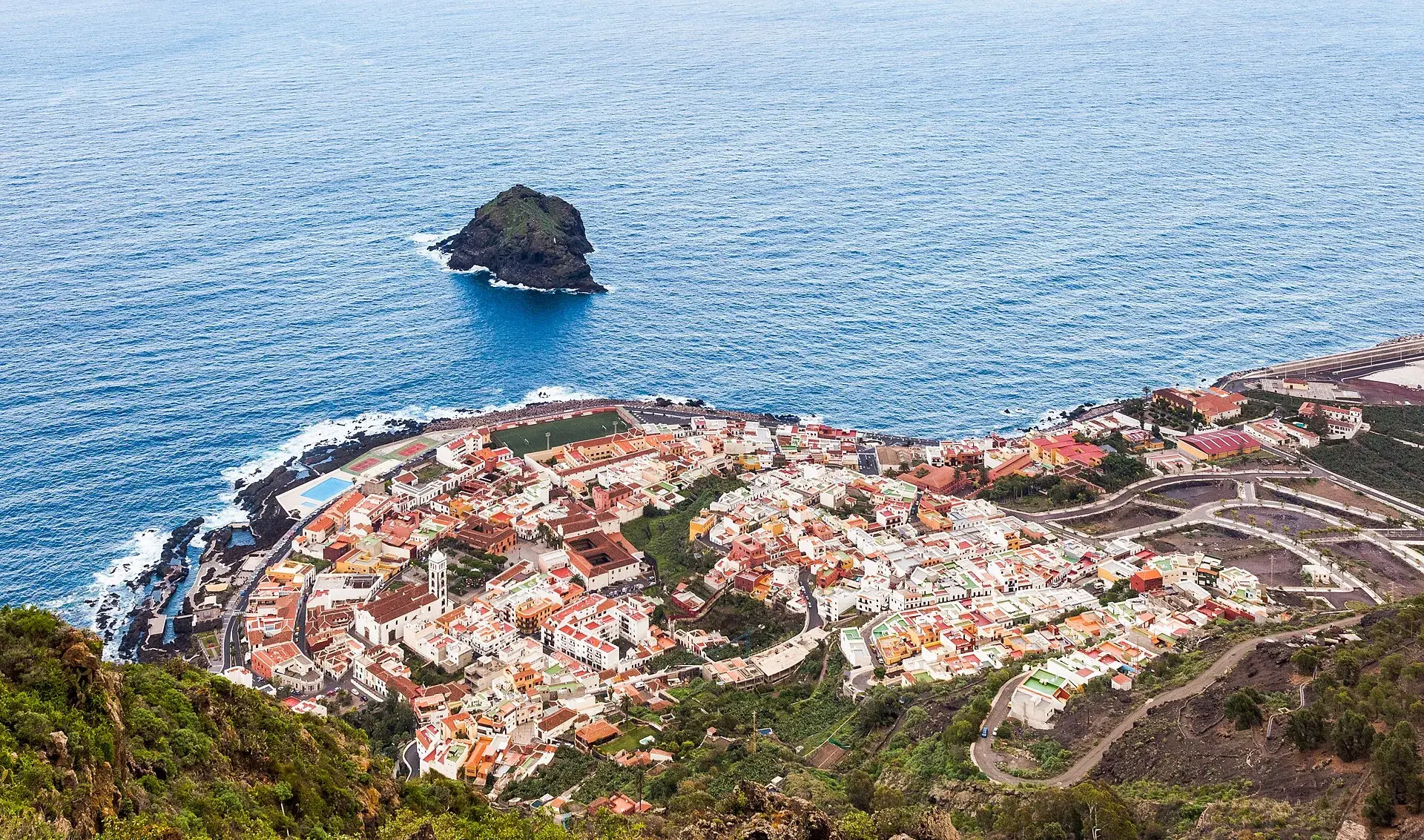
Garachico, Tenerife: old town, El Caletón and the Isla Baja
What to see in Garachico in half a day: the port buried by lava in 1706, the historic centre, El Caletón, the castle, San Roque, buses and where to park.
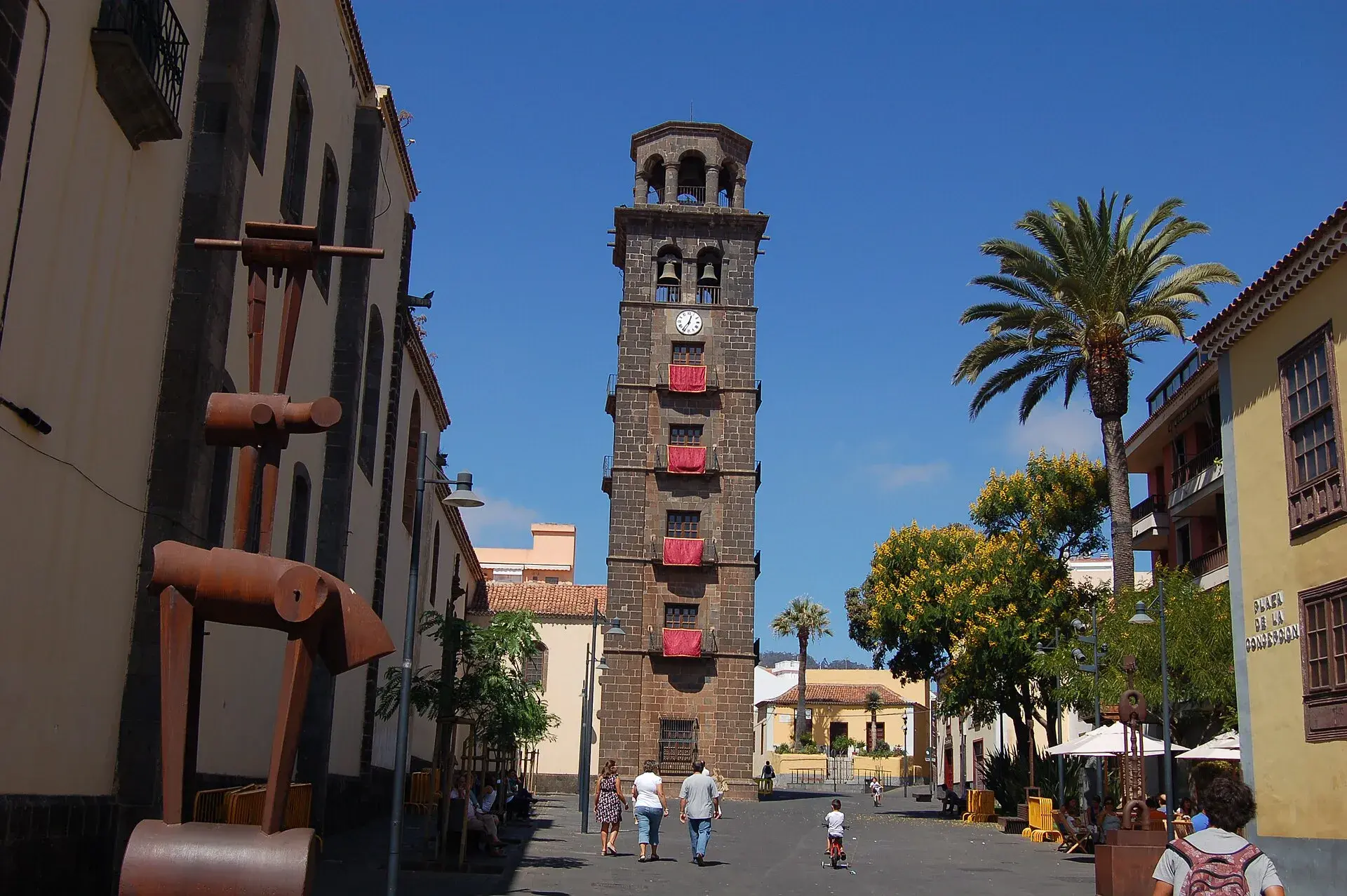
La Laguna, Tenerife: old town, museums and how to get there
What to see in La Laguna step by step: walking route through the World Heritage old town, cathedral, museums, tram, parking, festivals and a trip to Anaga.
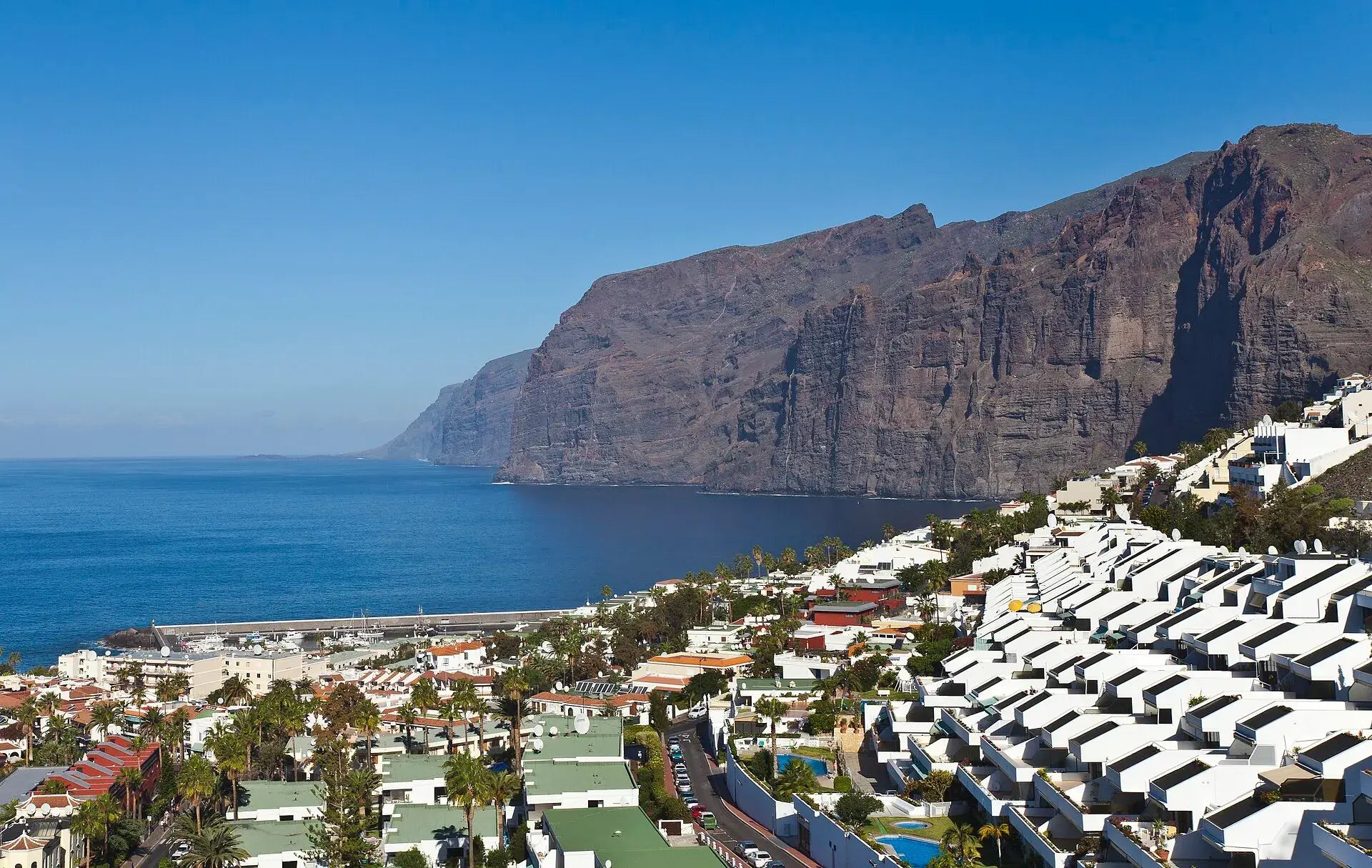
Los Gigantes Tenerife: cliffs, boat trips, beaches and access
Los Gigantes (Tenerife): cliffs up to 600 m, Archipenque viewpoint, boats from the marina, Los Guíos, rock pools, buses 473 and 477 and where to park.
Tenerife protected areas rules: trail quotas and drones
Rules for Tenerife's protected areas: trails that need booking, Teide, Masca and El Pijaral, drones, camping, wildfire alerts, dogs and fines in 2026.