Best natural pools in Tenerife: a guide to the charcos
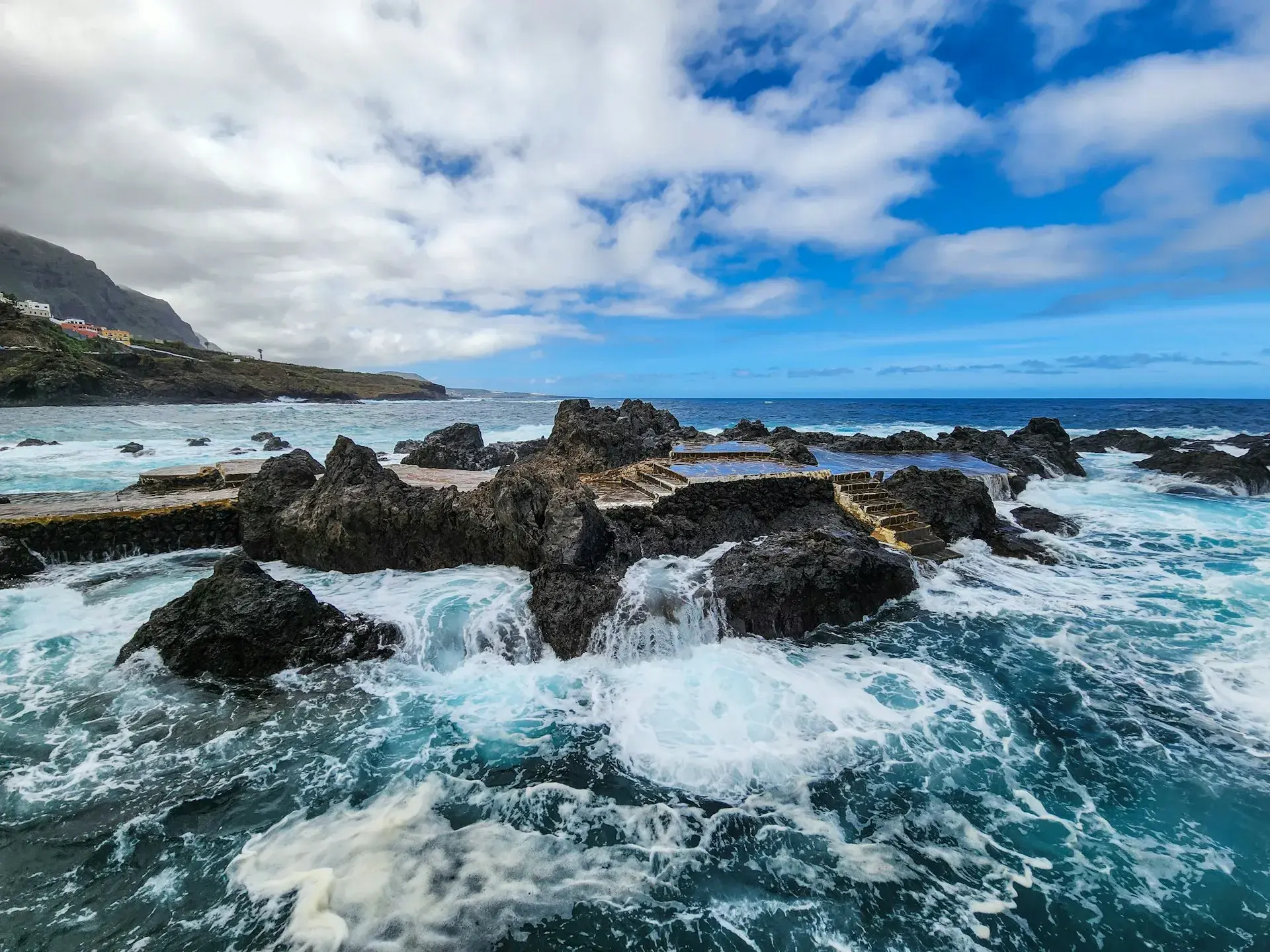
The best natural pools in Tenerife are on the north coast: El Caletón in Garachico, the municipal pools of Bajamar and Punta del Hidalgo (both Blue Flag in 2026), Charco del Viento in La Guancha and Charco de la Laja in San Juan de la Rambla. They are charcos, as rock pools are called in the Canary Islands: inlets of lava that the sea fills and refreshes, where you can swim without waves even when the beach next door is flying a red flag. Some have lifeguards, showers and ramps; others only exist at low tide and are unsupervised. This guide covers the main ones, from La Laguna to Los Gigantes, with access, parking, facilities, when they are safe and who they suit, and it separates the real charcos from Lago Martiánez, a César Manrique creation filled with seawater but artificial and paid.
What a charco is and why the north has so many
When a lava flow reaches the sea it cools abruptly, forming shelves and basins that the waves gradually polish. In some, the sea enters through a crack and leaves a pool of calm salt water; in others, the local councils have added walls, steps and sun terraces to turn them into municipal pools. The north has most of them because its historic eruptions (Garachico's in 1706, for example) reached the coast, and because there, facing the open Atlantic with no breakwaters, the charco was for centuries the only safe way to swim. In the south, with its sheltered beaches, there are hardly any developed pools. If you would rather have sand, the guide to the best beaches in Tenerife compares both coasts.
La Laguna: Bajamar, Punta del Hidalgo and Jóver
Bajamar natural pools
- Where: the Bajamar seafront promenade, at the end of the TF-13, half an hour from La Laguna.
- Access and parking: main entrance by steps from Avenida del Sol and an accessible entrance from a side street with ten spaces reserved for people with reduced mobility; parking in the village. TITSA line 050 runs from the La Laguna bus station (Intercambiador) in about forty minutes.
- Facilities: two large pools and a children's pool, lifeguards, showers, adapted toilets, changing rooms, sun terrace, shaded areas, a ramp into the pool with an amphibious wheelchair and assisted bathing by prior booking; restaurants a few metres away. Free entry; according to the council, it opens 9:30–19:30 in summer and 10:00–17:30 in winter.
- When it is safe: whenever it is open; the council closes the pools during heavy swell and after storms.
- Best for: families with children, older visitors and people with reduced mobility. Blue Flag in 2026.
El Arenisco (Punta del Hidalgo)
- Where: the Punta del Hidalgo seafront, five minutes beyond Bajamar, with the lighthouse as a landmark.
- Access and parking: reserved spaces a hundred metres away, a ramp to the promenade and a ramp with handrails to the sun terrace; parking in the village; line 050 to the last stop.
- Facilities: supervision and lifeguards in season, showers, adapted toilets, a ramp into the pool with an amphibious wheelchair and assisted bathing; café terraces on the promenade.
- When it is safe: in season and with a calm sea. The tidal platform at Punta del Hidalgo is of high biological value and very exposed: there have been fatal accidents among people swimming outside the pool in rough seas, so do not do it.
- Best for: families, swimmers, and anyone who wants to combine a swim with the lighthouse trail. Blue Flag in 2026.
Jóver (Tejina)
Between Tejina and Bajamar, the Jóver pool is La Laguna's third Blue Flag pool in 2026 and the least known: a developed pool with adapted access and far fewer people, which the council also closes when sea conditions require it. It is the one to choose when Bajamar is packed on a Sunday in August.
Tacoronte: Mesa del Mar and El Pris
- Where: the Tacoronte coast, reached by a road with tight bends and a short tunnel that comes out at Mesa del Mar.
- Access and parking: parking in the village; public transport in summer only. El Pris is fifteen minutes away on foot along the coast or by its own road.
- Facilities: at Mesa del Mar, two pools (one used all year and the other filled only in summer) next to La Arena beach, with showers, toilets, adapted access and a Blue Flag in 2026. At El Pris, a pool with steps and ramps with handrails, and restaurants serving Canarian food.
- When they are safe: with a calm sea; El Pris, with its wall, is the calmer of the two.
- Best for: families and older visitors at El Pris; beach and pool on the same day at Mesa del Mar; sunsets over Mount Teide at both.
Puerto de la Cruz: Lago Martiánez, Punta Brava and Playa Jardín
Lago Martiánez (not a charco)
Lago Martiánez is the César Manrique complex opened in 1977 on the Puerto de la Cruz seafront: an artificial seawater lake with islands, pools, gardens, sculptures and restaurants spread over some 100,000 square metres, listed as a Site of Cultural Interest in the historic garden category. It charges admission (around €7 for a standard adult ticket, with reduced rates for children and residents; check prices and opening hours on the complex's official website) and it is the best option in town for a swim without waves, with sun loungers and lifeguards. It is not a natural pool, even though many guides list it as one.
Punta Brava and Playa Jardín
The three black-sand coves of the Playa Jardín complex (Playa Jardín, Playa Chica and Punta Brava) have breakwaters that create semi-enclosed swimming areas, and at Punta Brava locals swim in the rock pools between the rocks. With a calm sea they work like a pool; with waves, they do not. In 2026 the council banned swimming in the central section on several occasions because of poor water-quality results: check the flag and signs before going in.
San Juan de la Rambla and La Guancha
Charco de la Laja (San Juan de la Rambla)
- Where: below the old town of San Juan de la Rambla, between Los Realejos and Icod.
- Access and parking: steps from the road or the coastal path; not wheelchair accessible. Limited parking along the road. Line 363 (Puerto de la Cruz–Buenavista) stops in the village.
- Facilities: none at the pool; restaurants and tascas in the village. The council has closed access in the past outside the lifeguard season, so check whether it is supervised.
- When it is safe: at low tide with a calm sea. The waves, usually gentle, can surge in with great force; it is one of the most photographed rock pools on the island and one of the most exposed.
- Best for: experienced swimmers, photographers, a short and spectacular dip.
Charco del Viento (La Guancha)
- Where: the Santa Catalina district of La Guancha, at the end of a signposted road through banana plantations.
- Access and parking: a large car park next to the bathing area and a renovated staircase down to the water. No practical public transport: go by car.
- Facilities: sun terrace and a children's area; no lifeguards or showers.
- When it is safe: at low tide. It is a small bay closed off by two tongues of lava, with sandy inlets and rocky ones; at times the Atlantic surges in and you have to get out.
- Best for: families with children who can already swim, snorkelling, views of Mount Teide. It is the best-known charco in La Guancha and one of the most popular in the north.
Isla Baja: Garachico and Los Silos
El Caletón (Garachico)
- Where: the Garachico waterfront, beside the Castillo de San Miguel, below the historic centre.
- Access and parking: car parks in the village and next to the promenade; line 363 stops in Garachico. Adapted access.
- Facilities: showers, toilets, sun terrace, children's area, lifeguards in summer, a restaurant on the lava and an adjoining public pool; the small Muellito beach is next door.
- When it is safe: open all year, at mid tide with moderate waves; during heavy swell the water breaks over the lava and swimming is banned.
- Best for: everyone: it is the most complete natural pool on the island, with calm pools for families and openings to the sea for proper swimming. The lava that formed it came from the 1706 eruption, which destroyed the town's harbour.
Charco de la Araña (Los Silos)
- Where: the Los Silos coast, next to the beach of the same name and the municipal pools, with the La Culata cliffs behind.
- Access and parking: parking by the promenade; stone steps down to the pool.
- Facilities: showers and toilets, summer only.
- When it is safe: only at low tide: at high tide the pool disappears under the sea. Moderate waves.
- Best for: snorkelling, families who prefer the rock pool to the pebble beach, and anyone visiting Los Silos and Garachico.
West and south: Los Gigantes and Los Abrigos
Charco de Isla Cangrejo (Los Gigantes)
- Where: the Isla Cangrejo development on the Santiago del Teide coast, next to Los Gigantes.
- Access and parking: steps from the development; street parking, scarce. Lines 473 and 477 serve Los Gigantes.
- Facilities: none; a concrete wall protects the pool from the waves and a ladder makes it easier to get into the water.
- When it is safe: at low tide with a calm sea; at high tide with strong waves the sea breaks over the wall. Unsupervised.
- Best for: families staying in Los Gigantes, sunsets with sea stacks in the water. It is the only developed rock pool in the tourist west.
Los Abrigos and other charcos in the south
Between the fishing village of Los Abrigos and Montaña Roja, the pebble coast forms tidal pools with no facilities, where locals swim when the sea is calm; you have to walk over stones, so bring water shoes. In Alcalá, the three coves of La Jaquita include intermediate pools with lifeguards and showers, the most convenient option in the south for a swim without waves away from the beaches.
Safety: swell, red flags and tides
Charcos are safer than the open beaches of the north, but they are not swimming pools: the sea flows in and out of them, and every year there are serious accidents on the lava platforms. Three rules are enough. First, check sea conditions before you leave: with a groundswell (long waves from a distant storm, common from October to March), pools without a wall become dangerous even on a sunny day, and the municipal ones close. Second, respect the flag and the signs: red means no entry, and at Bajamar, Punta del Hidalgo, El Caletón or Mesa del Mar a closure is a technical decision, not a suggestion. Third, check the tide table: many pools (Charco de la Araña, Charco del Viento, Charco de la Laja, Isla Cangrejo) are only calm at low tide, and at high tide the sea covers them and breaks over the rock. Never turn your back on the sea when you are on the lava, never swim alone in an unsupervised pool, wear water shoes and get out as soon as sets of waves start coming in.
Best time to go and how to plan the day
Summer and early autumn are the best time: the sea is calmer, the water is around 23–24 °C, lifeguards are on duty and the municipal pools keep long opening hours. From October to March, storms in the north often close the pools, although calm, sunny winter days bring memorable swims with nobody around. In any season, go in the morning: the north often clouds over in the mid-afternoon with the trade winds. Pair each pool with what is nearby: El Caletón with Garachico's historic centre, Bajamar with the Punta del Hidalgo lighthouse trail, Charco de la Laja with the area's guachinches (rustic family-run eateries), Isla Cangrejo with a trip to the Los Gigantes cliffs. To plan the route, the guide to what to see in the north of Tenerife covers the towns and viewpoints along the coast.
Which one to choose for your plans
- With young children: Bajamar, El Arenisco, El Caletón and El Pris, with walls, steps and lifeguards in season.
- Accessibility: Bajamar and El Arenisco, with ramps, amphibious wheelchairs and assisted bathing by booking; El Caletón has adapted access.
- Scenery and photography: Charco de la Laja, Charco del Viento and Charco de la Araña, all three at low tide.
- Proper swimming: El Caletón and the large pools at Bajamar.
- Without a car: Bajamar and Punta del Hidalgo (050), El Caletón and Charco de la Laja (363), Lago Martiánez and Playa Jardín in Puerto de la Cruz, Isla Cangrejo (473 and 477 to Los Gigantes).
- Away from the crowds: Jóver, El Pris, Charco de la Araña on weekdays and the pools at Los Abrigos. You will find more quiet spots in the guide to lesser-known places in Tenerife.
Frequently asked questions
Which is the most beautiful natural pool in Tenerife?
For scenery, Charco de la Laja in San Juan de la Rambla and Charco del Viento in La Guancha, with black lava, turquoise water and Mount Teide in the background. For comfort and safety, El Caletón in Garachico, which adds summer lifeguards, showers, a restaurant and the historic centre right above.
Are the natural pools free?
Yes, all of them, including the municipal pools at Bajamar, Punta del Hidalgo, Jóver, Mesa del Mar and El Caletón, which have opening hours and lifeguards. The only exception in this guide is Lago Martiánez in Puerto de la Cruz, an artificial complex that charges admission.
When is it dangerous to swim in a charco?
During a groundswell, at high tide in pools without a wall, and whenever there is a red flag or the pool is closed. On stormy days the sea breaks over the lava without warning; most accidents happen to people watching the waves from the rocks or swimming outside the developed pool.
Are there natural pools in the south of Tenerife?
Few, and undeveloped, except Charco de Isla Cangrejo in Los Gigantes, with a wall and a ladder, and the intermediate pools at La Jaquita in Alcalá. Between Los Abrigos and Montaña Roja there are tidal pools with no facilities. For a swim without waves in the south, it is simpler to pick a beach with a breakwater; in the north, the alternative to the charcos is the beaches in the guide to the best beaches in the north of Tenerife.
Can you get to the natural pools by guagua?
To the main ones, yes (guagua is the local word for bus): TITSA's 050 runs from La Laguna to Bajamar and Punta del Hidalgo, the 363 links Puerto de la Cruz with San Juan de la Rambla, Icod and Garachico, and the 473 and 477 go to Los Gigantes. Charco del Viento, Jóver, El Pris and Mesa del Mar are easier by car.
Keep planning
- The best beaches in the north of Tenerife: black sand, surf and Anaga coves for calm-sea days.
- The prettiest villages in Tenerife: Garachico, Icod or Taganana, to combine a swim with a stroll.
- Charming corners and lesser-known places in Tenerife: more ideas off the usual routes.
- The best beaches in Tenerife: the full island selection by type of trip.
You may also like
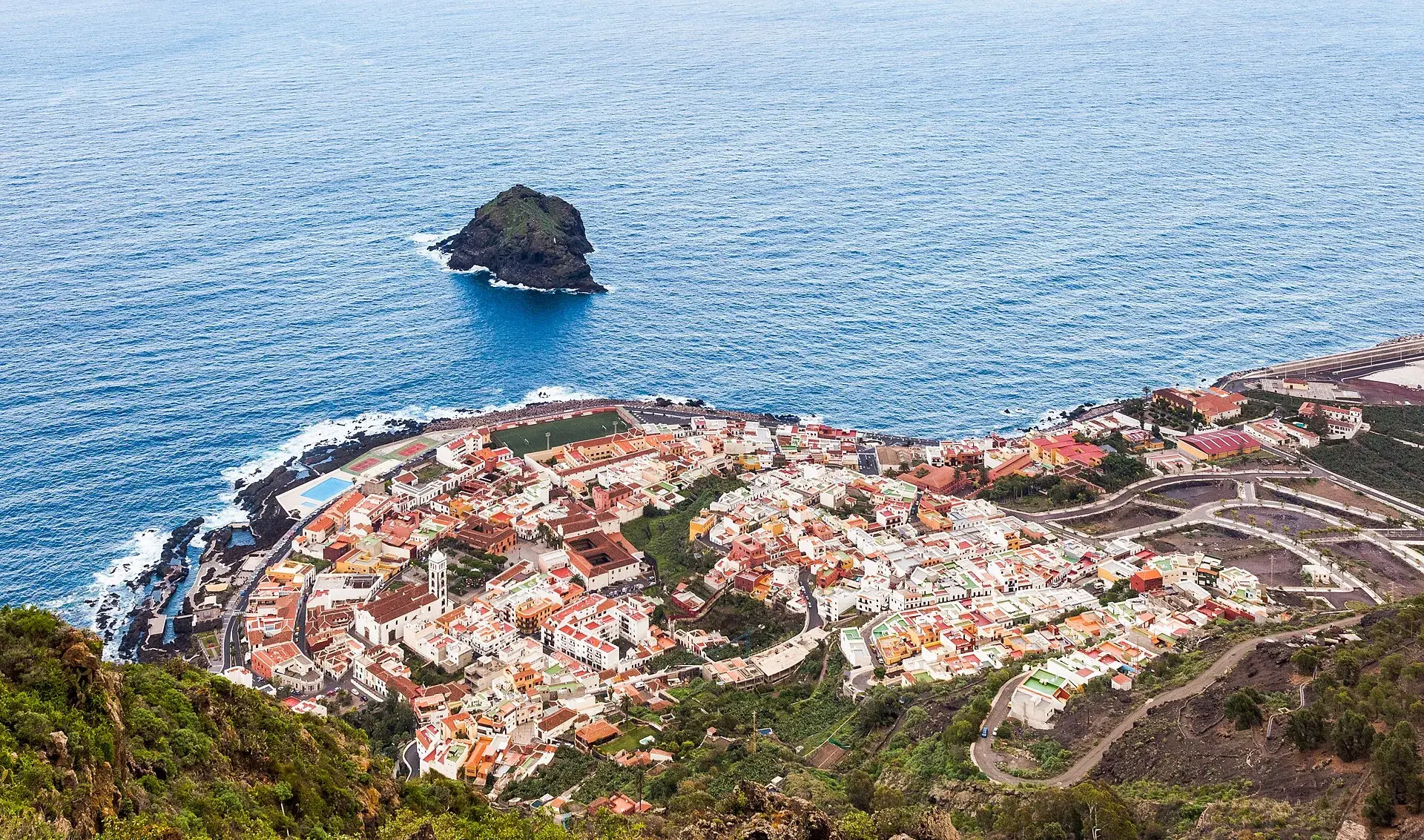
Garachico, Tenerife: old town, El Caletón and the Isla Baja
What to see in Garachico in half a day: the port buried by lava in 1706, the historic centre, El Caletón, the castle, San Roque, buses and where to park.
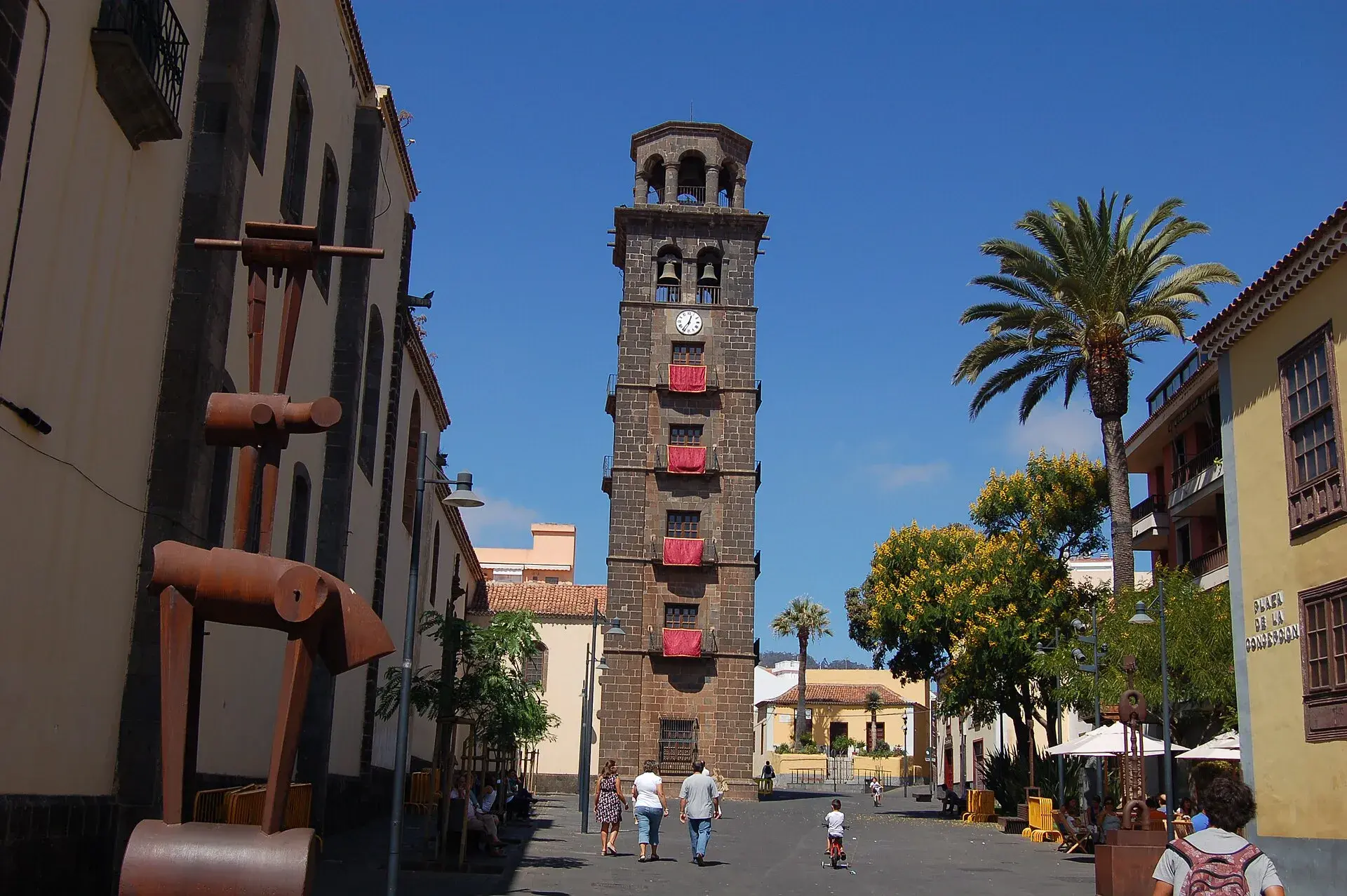
La Laguna, Tenerife: old town, museums and how to get there
What to see in La Laguna step by step: walking route through the World Heritage old town, cathedral, museums, tram, parking, festivals and a trip to Anaga.
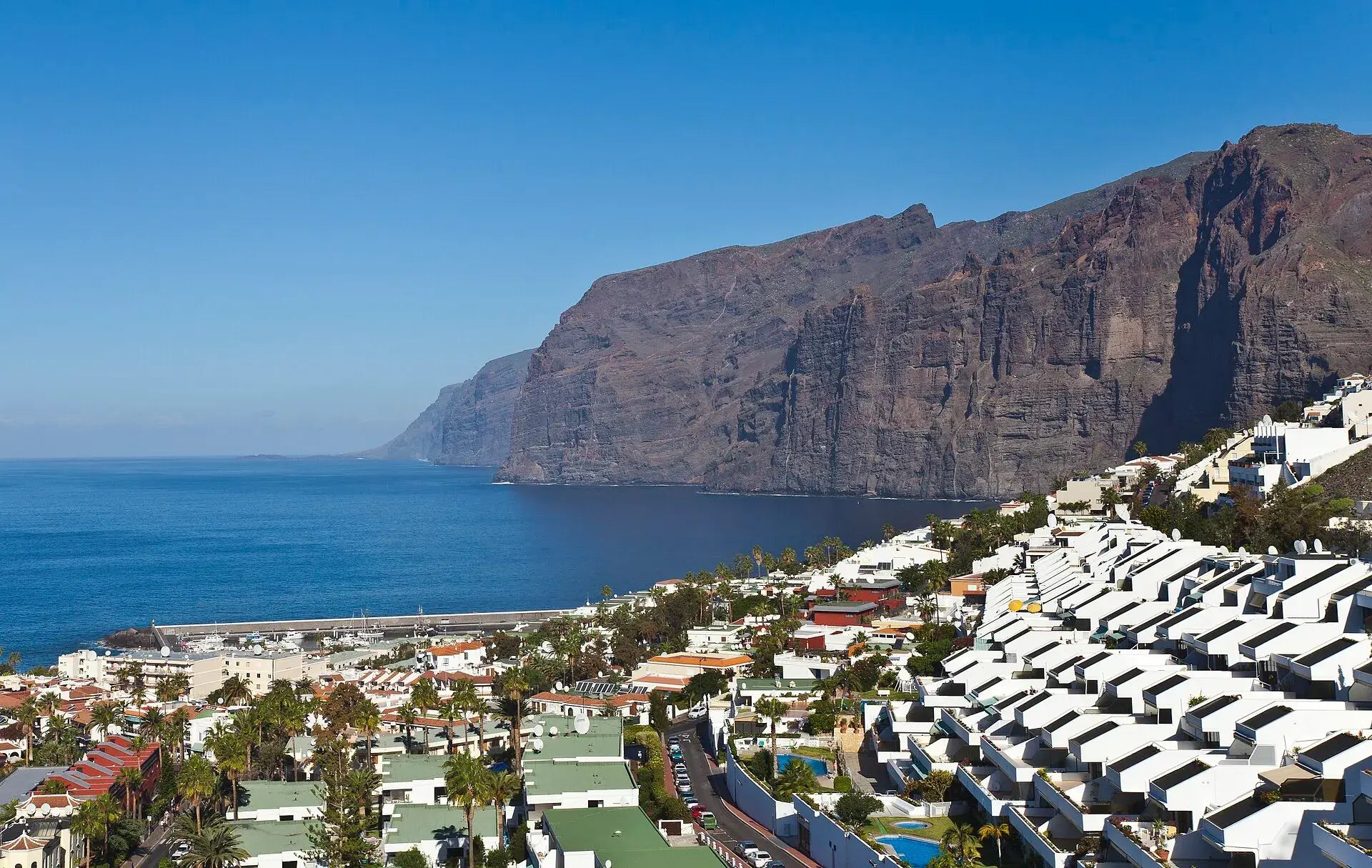
Los Gigantes Tenerife: cliffs, boat trips, beaches and access
Los Gigantes (Tenerife): cliffs up to 600 m, Archipenque viewpoint, boats from the marina, Los Guíos, rock pools, buses 473 and 477 and where to park.
Tenerife protected areas rules: trail quotas and drones
Rules for Tenerife's protected areas: trails that need booking, Teide, Masca and El Pijaral, drones, camping, wildfire alerts, dogs and fines in 2026.