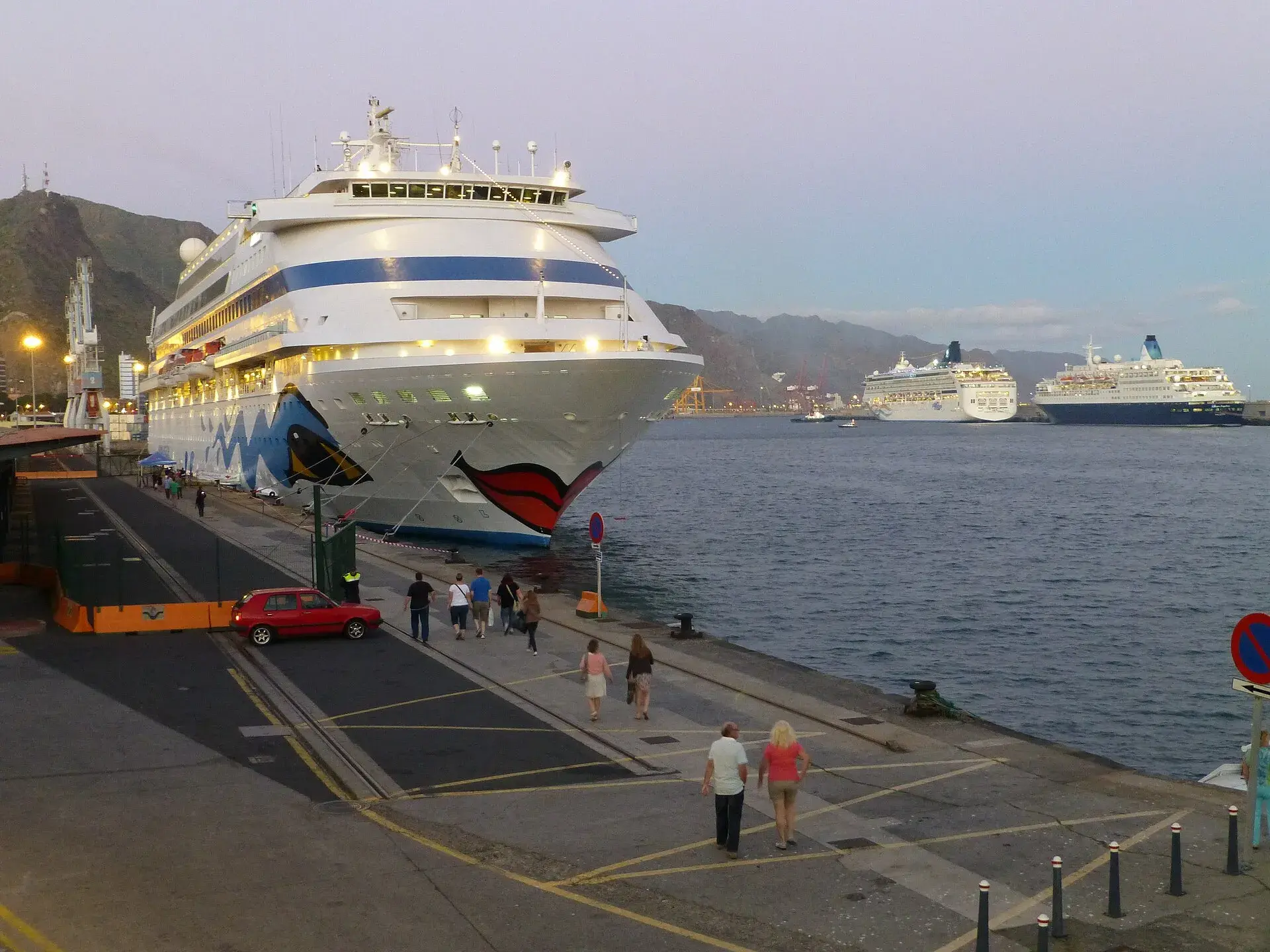
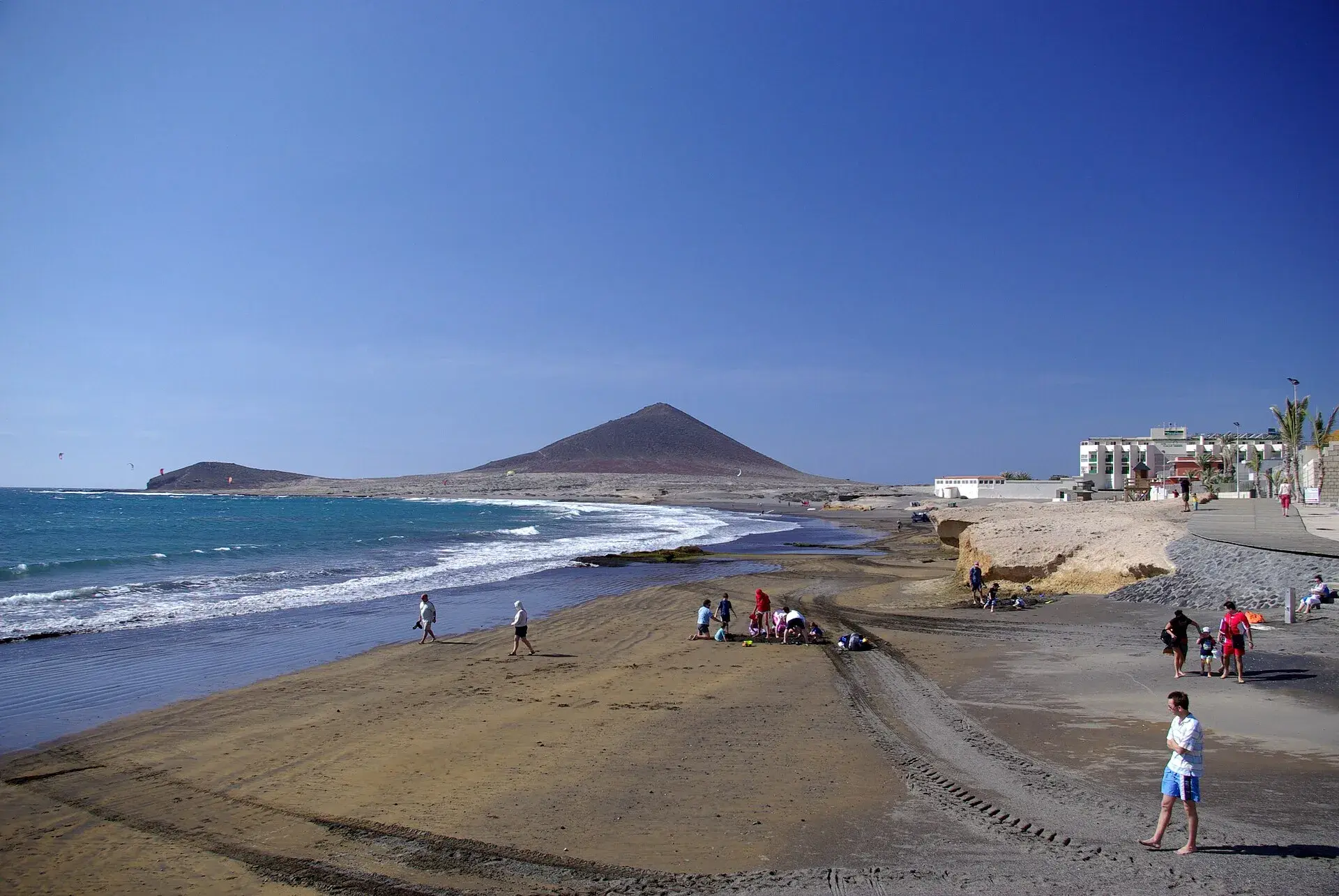
Photo by CARLOS TEIXIDOR CADENAS, CC BY-SA 3.0, via Wikimedia Commons
Tenerife cruise stop: what to do on a port day in Santa Cruz
If your cruise calls at Tenerife, it will almost certainly dock in the port of Santa Cruz, the capital, within walking distance of the centre. With four hours you have time to see the centre on foot; with six, to add La Laguna by tram or Las Teresitas beach by guagua (bus); with eight or more, a trip to Anaga or, on an organised excursion, to Mount Teide. The non-negotiable rule: get back to the ship with time to spare, because the cruise does not wait.
Where the ship docks and how to get to the centre
Cruise ships dock in the Dársena de Anaga of the port of Santa Cruz, at the berths the Port Authority assigns to each vessel (the south quay or the breakwater, depending on size and day). The Port Authority publishes the schedule of expected cruise calls with ship, date, times and berth. From the closest berths, the Plaza de España, the city centre, is a walk of about ten to fifteen minutes; from the furthest points of the breakwater the walk is longer, and some cruise lines lay on shuttles. Ask on board which berth you are at and whether there is a shuttle.
At the port exit and on Avenida de Anaga there are taxi ranks and bus stops. TITSA line 910 runs along Avenida de Anaga and past the Plaza de España on its way to Las Teresitas, and the tram starts at the Intercambiador (the main bus and tram station), about fifteen minutes on foot from the Plaza de España, with intermediate stops in the centre such as Teatro Guimerá. On days with several ships in port, the centre fills up by mid-morning and taxi queues get longer: head out early.
Before you go ashore: what to know
- All-aboard time: the cruise line sets a deadline for being back on board, earlier than the departure time. That is the time that counts, not the sailing time. If you go independently and are late, the ship leaves and the cost of catching up with it at the next port is yours; only excursions booked with the cruise line guarantee that the ship will wait.
- Safety margin: plan to be back at the port gate at least an hour before the all-aboard time if you have left Santa Cruz, and half an hour if you have stayed in the centre. A traffic jam on the northern motorway or a crowded tram can eat up that margin.
- Phone and data: the Canary Islands are part of the European Union for roaming purposes, so EU tariffs work as they do at home; with operators from outside the EU, check your plan. The ship's wifi in port is usually expensive; cafés and museums in the centre usually have wifi for customers.
- Money: the currency is the euro and you can pay by card almost everywhere; for the bus and tram, some cash or a transport card is better. The specifics of IGIC and tipping are in tipping in Tenerife, money and IGIC.
- Heat and sun: you explore the centre on foot and the sun is strong all year; bring water and a cap.
With 4 hours: Santa Cruz on foot
The centre of Santa Cruz is flat and compact, and you can see it without transport. A route that fits into four hours with time to spare:
- Plaza de España and the Castillo de San Cristóbal interpretation centre, beneath the square, next to the port.
- Calle del Castillo, the pedestrian shopping street, up to Plaza de Weyler.
- The Iglesia de la Concepción and the MUNA (Museum of Nature and Archaeology), with its Guanche archaeology section, on the other side of the Barranco de Santos. Allow an hour for the museum if you are interested in the island's history.
- The Mercado de Nuestra Señora de África (La Recova), open in the morning until 14:00, for a barraquito (layered Canarian coffee) and a taste of cheeses and mojo sauces.
- Back to the port along the seafront avenue.
If you prefer architecture to museums, swap the MUNA for the walk to the Auditorio de Tenerife, Calatrava's white building, about twenty minutes on foot south of the centre. The full route, with opening hours and prices, is in the Santa Cruz de Tenerife guide.
With 6 hours: La Laguna or Las Teresitas
La Laguna by tram
San Cristóbal de La Laguna, a UNESCO World Heritage Site, is the most rewarding cultural visit from the port. Tram line 1 links the Intercambiador in Santa Cruz with La Laguna in about 40 minutes; on the winter timetable, from 7:00 to 15:00, it runs every five minutes on weekdays. A single ticket costs €1.35 with the ten+ card or €1.10 with the ten+ móvil app (as of October 2026). Get off at Padre Anchieta or La Trinidad and explore the old town, with the cathedral, the Iglesia de la Concepción and the stately houses on Calle San Agustín. Allow two or three hours there, plus the journey. The walking route is in what to see in La Laguna.
By taxi, La Laguna is about twenty minutes from the port without traffic: useful if you are short of time on the way back.
Las Teresitas by bus
Santa Cruz's beach is Las Teresitas, in San Andrés, about eight kilometres from the centre: golden sand, palm trees and a breakwater that keeps the water calm. TITSA bus 910 leaves from the Intercambiador, passes the Plaza de España and Avenida de Anaga and reaches the beach; according to TITSA, it runs roughly every 20 minutes every day. Bring a towel from the ship and leave valuables on board. San Andrés has fish restaurants for lunch before heading back. All the details are in the guide to Las Teresitas beach.
With 8 hours or more: Anaga and Mount Teide
Anaga
The Anaga massif, with its laurel forest and hamlets clinging to the ridges, begins on the outskirts of Santa Cruz. With eight hours you can go up by taxi or on an excursion to the Cruz del Carmen viewpoint and visitor centre, do a short trail through the forest and drive down to Taganana or Almáciga for fish by the sea. It can be done by bus (the 946 reaches Taganana and Almáciga from Santa Cruz in an hour), but services are infrequent and it is not wise to gamble your return to the ship on a timetable with few departures. All the details are in the Anaga Rural Park guide.
Mount Teide, only on an organised excursion
Teide National Park is more than an hour by road from the port each way, via the La Esperanza road or via the north. With an eight-hour stop you can see Las Cañadas and, with luck, ride the cable car, but the margin is tight: the park road gets congested at midday, and the cable car has time slots that must be booked and closes in high winds. It only makes sense on an excursion booked with the cruise line, which guarantees the ship will wait if there is a delay, or with a private tour that knows port-call timings. Going independently by hire car or bus and getting back just in time is the classic cruise passenger's mistake. To understand what to see there, read the Teide National Park guide.
Taxis and tours
Taxis in Santa Cruz are white and metered, and intercity fares are set by the Government of the Canary Islands; the current fare must be displayed inside the vehicle. For trips lasting several hours (Anaga, La Laguna and the north), many drivers offer a fixed price: agree it before you get in, along with the route and the return time. Organised excursions from the port usually cover the Teide, La Laguna and Anaga, or the north with La Orotava and Puerto de la Cruz. Compare the duration and the return margin before choosing. More transport options in getting around Tenerife.
If your stop falls on a Sunday or public holiday
Sunday changes Santa Cruz: many of the shops in the centre close, except on authorised opening dates and in some shopping centres. What does open:
- Mercado de Nuestra Señora de África: in the morning, until 14:00, with the Sunday flea market (rastro) around it.
- Cabildo museums (MUNA and others): with reduced hours, 10:00 to 17:00 on Sundays and public holidays according to Museos de Tenerife.
- Palmetum: every day.
- Terraces and restaurants: open, and livelier at lunchtime.
Bus 910 and the tram also run on Sundays, with slightly lower frequencies. If your stop coincides with a major holiday, such as Carnival Tuesday, check beforehand what is open: the Cabildo museums close that day.
Common mistakes
- Confusing the ship's departure time with the all-aboard deadline.
- Attempting the Teide independently on a stop of less than eight hours.
- Taking the last bus back instead of the one before.
- Not checking the cruise schedule: with four or five ships in port, the centre, the taxis and the tours are overwhelmed.
- Carrying your passport and all your money when you do not need to: take the ship's boarding card, a copy of your ID and just what you need.
Frequently asked questions
Can you walk from the port of Santa Cruz to the centre?
Yes. From the closest berths, the Plaza de España is about ten or fifteen minutes on foot. If the ship docks at the far end of the breakwater, the distance is greater; ask on board whether there is a shuttle.
What can you see in Tenerife on a 5-hour cruise stop?
The centre of Santa Cruz on foot with the MUNA and the África market, or the tram to La Laguna to see its historic centre. Both together do not fit comfortably.
Is there time to go up Mount Teide from the cruise ship?
Only on stops of eight hours or more and with an organised excursion that guarantees your return. Independently, the risk of missing the ship is real.
Is there a beach near the Santa Cruz cruise terminal?
The closest for swimming is Las Teresitas, in San Andrés, about eight kilometres away, with bus 910 roughly every 20 minutes.
Do shops in Santa Cruz open when cruise ships call on a Sunday?
Generally not: most shops in the centre close on Sundays except on authorised dates. The África market, the flea market, the museums and the bars and restaurants do open.
Keep planning
You may also like
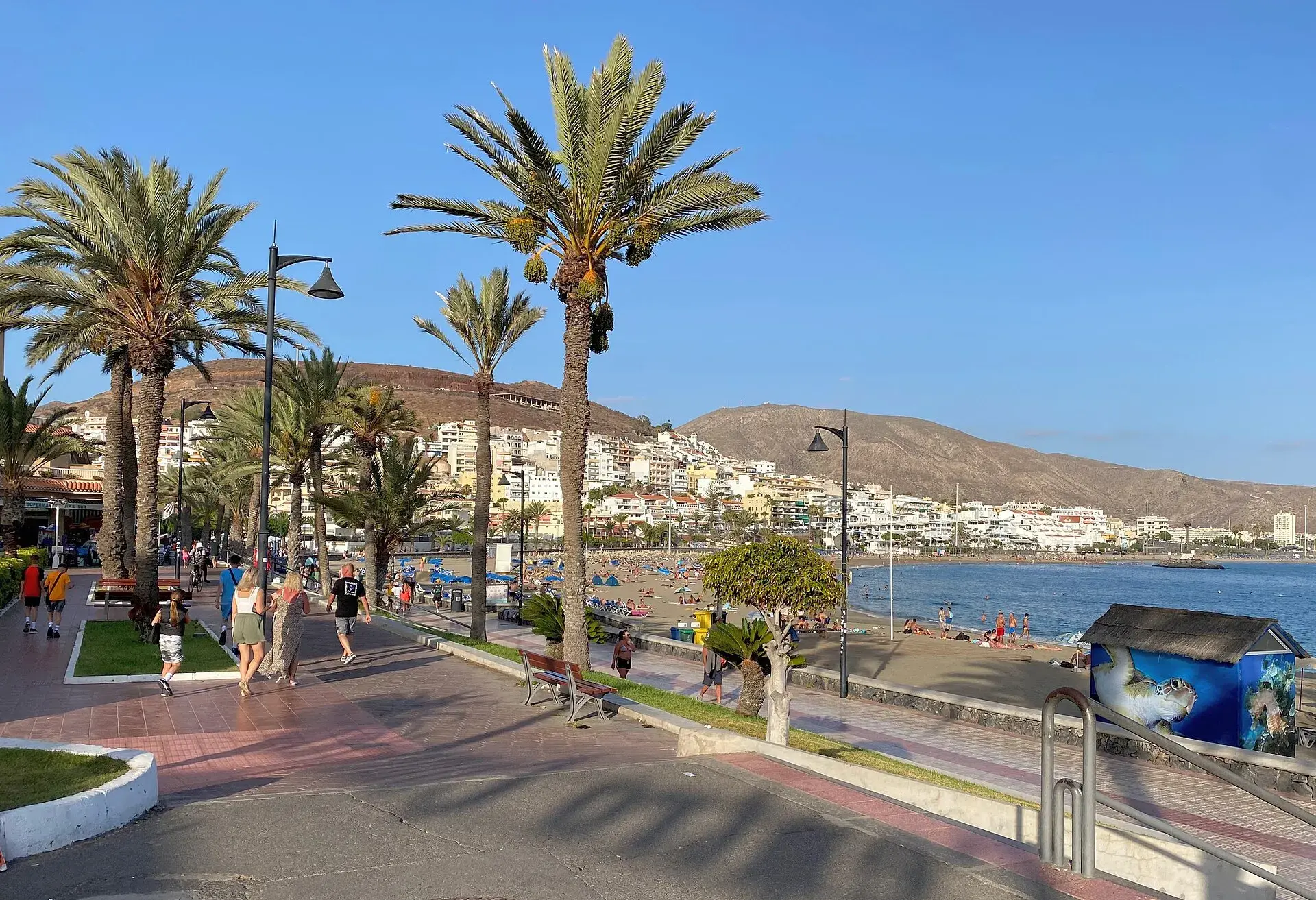
Accessible Tenerife: beaches, transport and step-free visits
Accessible Tenerife: beaches with assisted bathing and amphibious chairs, airport assistance, buses, tram and eurotaxi, and which visits work in a wheelchair.
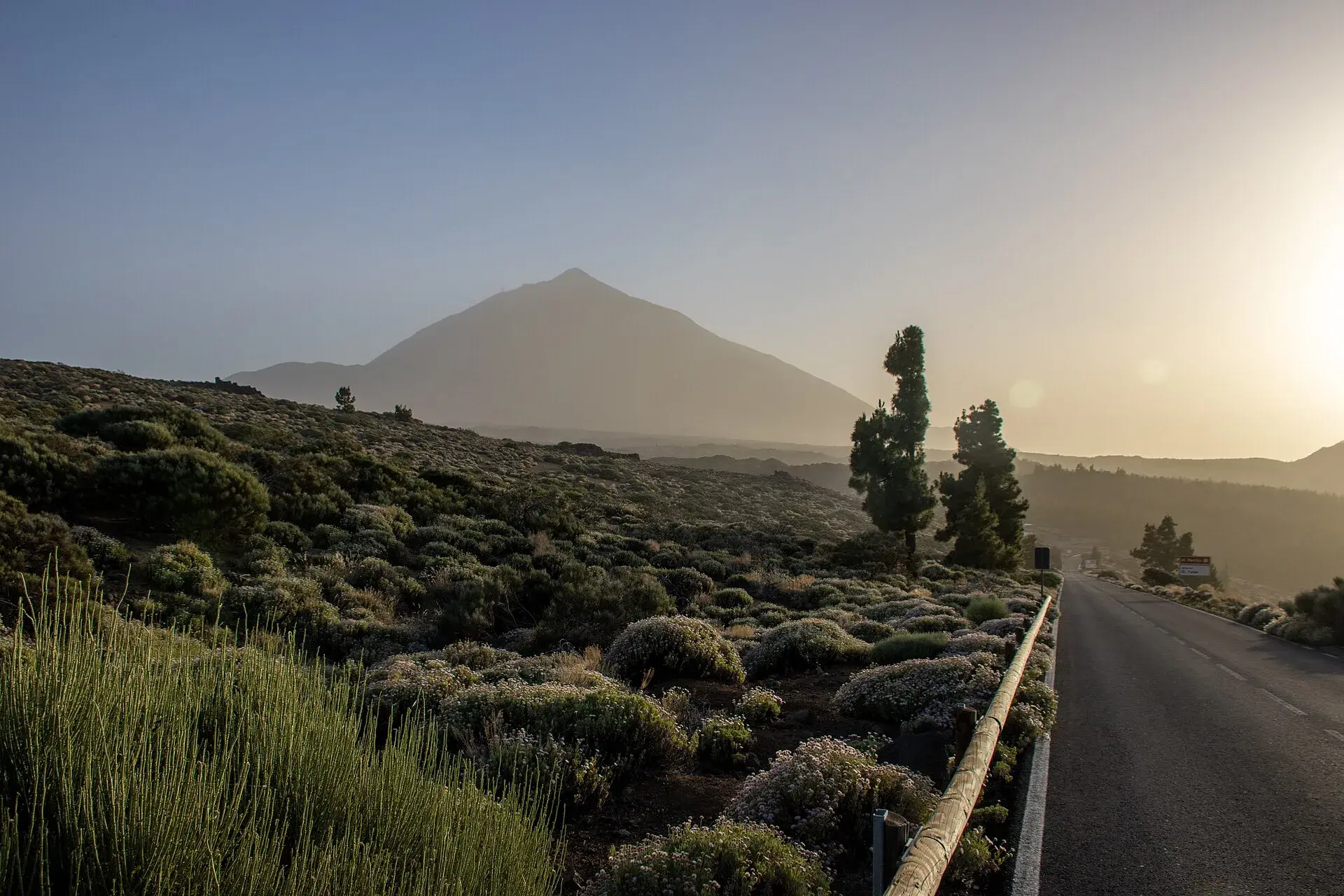
Calima in Tenerife: what it is, when it comes, how it affects you
Calima in Tenerife: what Saharan dust is, which months it tends to arrive, how it affects health and flights, where to check warnings and what to do that day.
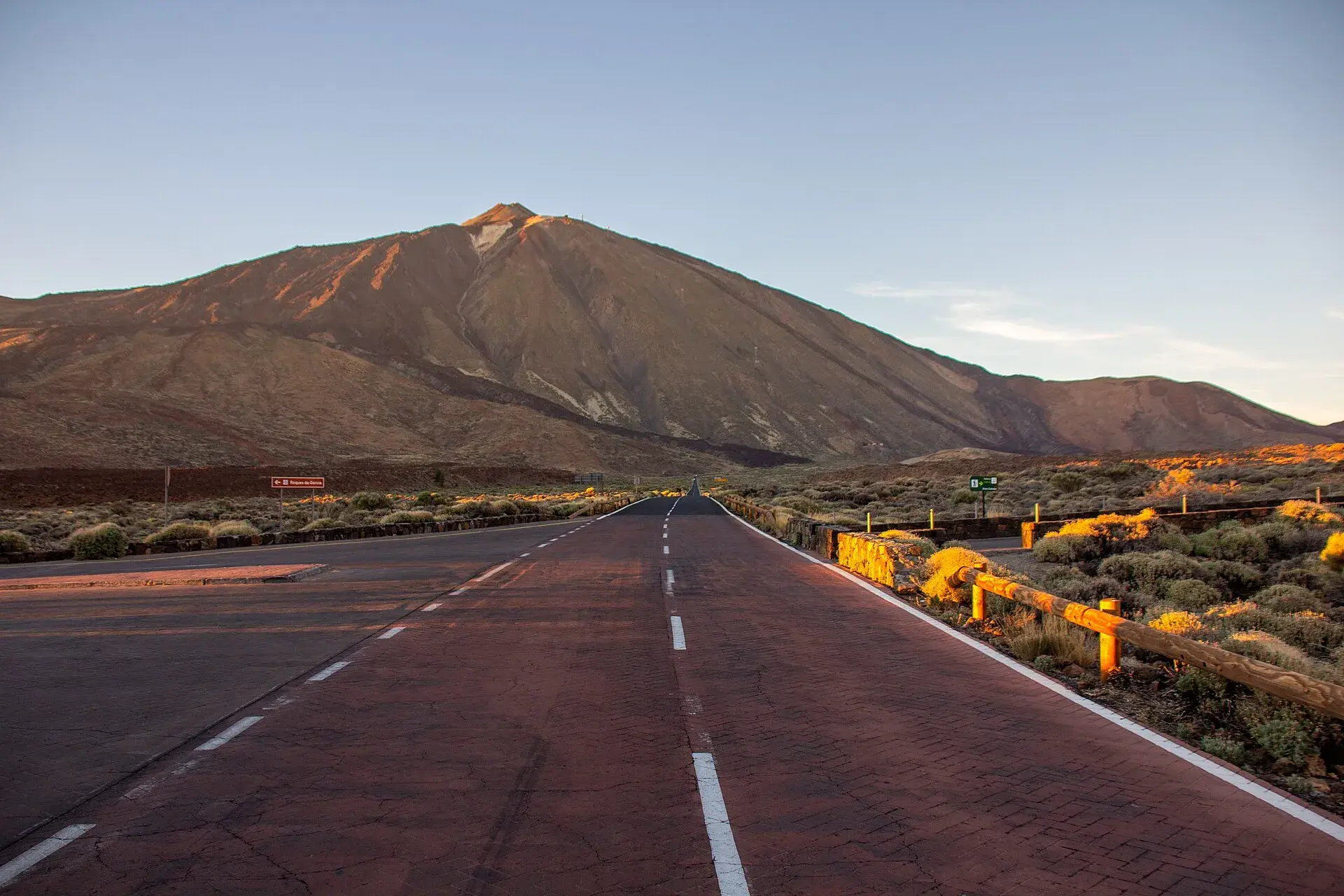
Car hire in Tenerife: insurance, deposit and useful tips
Car hire in Tenerife without surprises: when it pays off, insurance and excess, deposit, fuel, child seats, Masca, Teide and what to check at pick-up.
Digital nomads in Tenerife: visa, areas, housing and internet
Digital nomads in Tenerife: the remote work visa and 2026 requirements, EU citizen registration, the best areas to live, renting, healthcare and internet.