Photo by Mentxuwiki, CC BY-SA 4.0, via Wikimedia Commons
Tipping in Tenerife, money and IGIC: what you need to know
In Tenerife tipping is not compulsory and is not added to the bill: service is included in the price and leaving something is a gesture of thanks, usually rounding up or leaving around 5–10% if the service has been good. You pay in euros, cards are accepted almost everywhere and it is worth carrying some cash for guachinches and markets. The big difference from mainland Spain is tax: the Canary Islands do not apply VAT but IGIC, with a standard rate of 7%, which makes electronics, tobacco and some alcohol cheaper but limits what you can take home without paying tax.
Currency and ways to pay
The currency is the euro, as in the rest of Spain. The prices you see in shops, bars and restaurants already include tax, so what is on the label is what you pay.
Card: the norm
Paying by card, including contactless payment with your phone, is standard in hotels, supermarkets, restaurants, petrol stations, shops and attractions. On TITSA guaguas (buses), the single ticket can be paid by bank card or cash according to TITSA, although for several journeys the ten+ card or a tourist pass works out cheaper; the guide to getting around Tenerife explains the options.
To hire a car, most companies ask for a credit card in the driver's name to hold a deposit; Canary Island firms with fully comprehensive insurance usually ask for a small deposit or none at all. A debit card may not be accepted or may require extra insurance; check before booking in the guide to car hire in Tenerife.
Where you need cash
- Guachinches: many are small family businesses and some only take cash. Carry small notes; the guide to guachinches explains how they work.
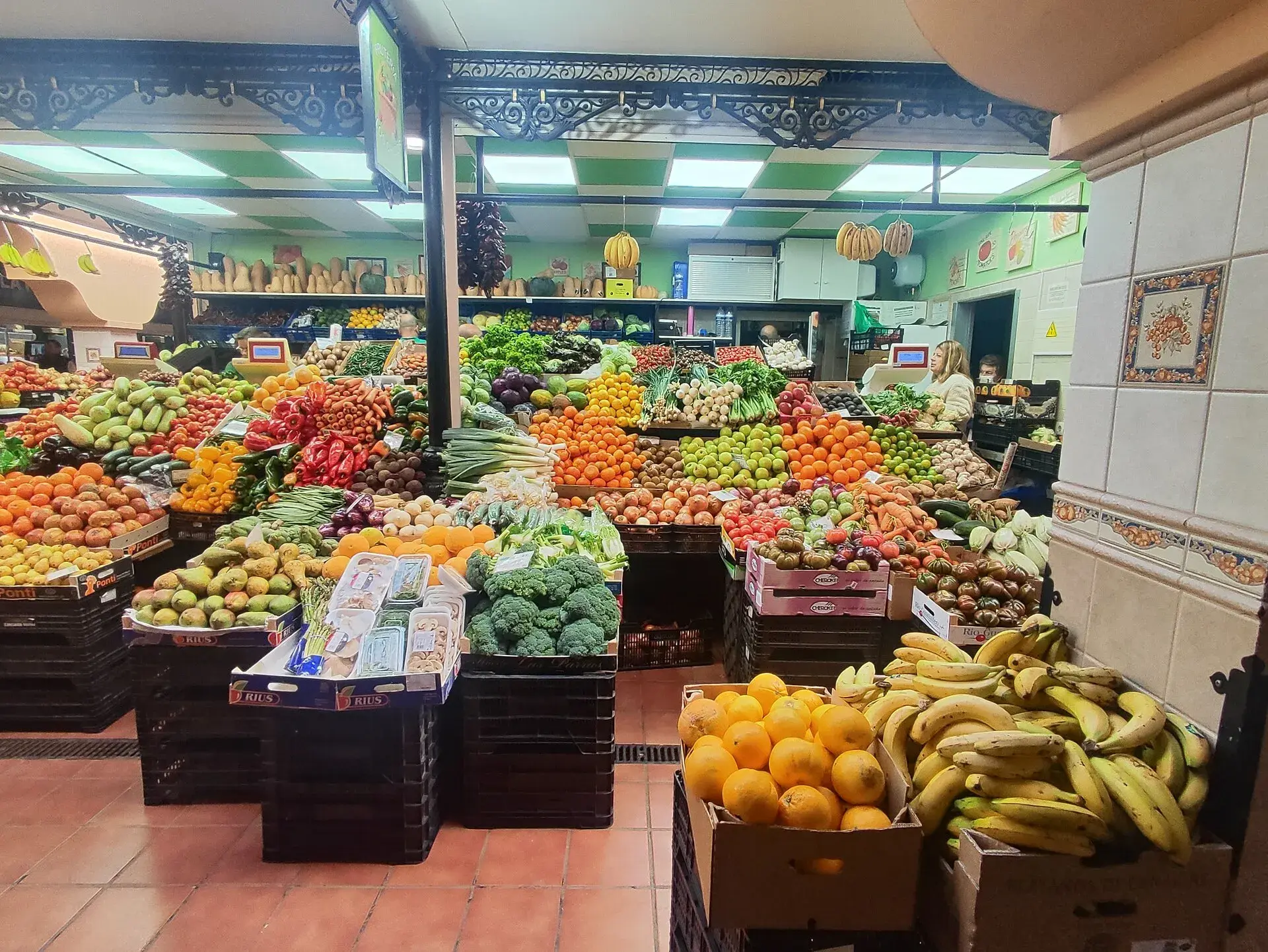
- Markets and stalls: at farmers' and craft markets, many producers only accept cash. The guide to markets in Tenerife shows which ones open each day.
- Kiosks, village bars and small shops: some have a minimum amount for card payments.
- Taxis: many accept cards, but not all. If you only have a card, ask before getting in.
About €30–50 in cash per person for several days is usually enough; pay for the rest by card.
Cash machines and fees
There are cash machines in every town and at the airports. Before you confirm the transaction, the screen shows the fee charged by the bank that owns the machine; if it seems high, cancel and find another one.
Your own bank may add its fee for cash withdrawals or for transactions in another currency. If your account is not in euros, a card with no foreign exchange fees saves money on every payment.
Dynamic currency conversion: say no
When you pay with a foreign card, the card terminal or cash machine may offer to charge you in your own currency (pounds, Swiss francs, kroner...) instead of euros. This is dynamic currency conversion, and it almost always applies a worse exchange rate than your bank's. Always choose to pay in euros.
Tipping: what is customary
Tipping in Tenerife is voluntary and discreet. Nobody demands it, it is not added to the bill automatically and it is not considered rude not to leave one. As a reasonable guide:
- Bar and café: round up or leave the coins from your change.
- Restaurant: if the service has been good, around 5–10%. With a menú del día (set lunch menu) or in a guachinche, rounding up is the norm.
- Taxi: round up the fare; nothing more is expected.
- Hotel: something for the cleaning staff or whoever carries your bags up, if you want to say thank you.
- Excursions and guides: on guided trips or boat trips, a tip for the guide or crew is common if you were happy, but it is still optional.
If you pay by card, leave the tip in cash on the table or on the saucer: card terminals do not always let you add it.
IGIC versus VAT: how prices change
The Canary Islands are outside the territory where EU VAT applies. Instead there is the Impuesto General Indirecto Canario (IGIC, the Canary Islands general indirect tax), with a standard rate of 7% compared with the 21% standard VAT rate on the mainland. According to the Canary Islands Tax Agency's table of rates in force since 1 January 2026:
- Electronics: mobile phones, tablets, laptops, cameras, consoles and smartwatches are taxed at 7%.
- Clothing and footwear: 3%.
- Perfumery: perfumes and extracts at 15%; eau de cologne, eau de parfum and cosmetics at 7%.
- Alcohol: wine and beer at 7%; spirits (rum, whisky, gin, liqueurs) at 15%.
- Tobacco: IGIC is 20%, but tobacco in the Canary Islands has its own tax regime, lower than on the mainland, which is why it is usually cheaper.
- Jewellery: gold or silver jewellery and watches at 15%; costume jewellery and ordinary watches at 7%.
- Food: cheese, gofio (toasted grain flour), bread, fruit and vegetables are taxed at 0%; sweets and cured meats at 3%.
This does not mean everything is cheaper than at home: shipping goods to the islands makes many products more expensive. The difference is most noticeable in electronics, tobacco, alcoholic drinks and fuel.
IGIC refunds for travellers (tax-free)
People who live outside the Canary Islands can claim back the IGIC on goods they buy on the islands and take with them. The system is run by the Canary Islands Tax Agency and works like this:
- In the shop: ask for an invoice (a till receipt is not enough) and for the shop to generate the Electronic Refund Document (DER) with your details and your passport or ID card. It arrives by email. Not all shops offer it; ask before paying.
- Minimum amount: the claim must add up to at least €40 of tax to be refunded across all the DERs from your trip.
- Before leaving: present the DERs at the Canary Islands Tax Agency terminals at the port or airport of the island you are leaving from, with the goods to hand: staff may ask to see them. The goods must leave the Canary Islands within three months of the invoice.
- Payment: the refund is made by bank transfer, minus bank charges. The maximum legal period is six months.
Only tax on goods is refunded, never on services (hotels, restaurants, excursions).
The key difference is where you live:
- Outside the EU (including the United Kingdom, except Northern Ireland): the refund is processed once the export of the goods is verified.
- In mainland Spain, the Balearic Islands or another EU country: IGIC is only refunded if you prove that you imported the goods at your destination and paid VAT there. You must present the goods and the invoice at customs on arrival and upload the proof to the Canary Islands Tax Agency's online portal within the following month. In practice it only pays off for expensive purchases, because the VAT at your destination is higher than the IGIC you recover.
What you can take home: allowances
Because the Canary Islands are outside the harmonised VAT area, traveller allowances apply when you arrive in mainland Spain, the Balearic Islands or another EU country, just as if you were arriving from outside the Union. According to the Spanish Tax Agency, per person and travelling by air or sea:
- Tobacco: 200 cigarettes, or 100 cigarillos, or 50 cigars, or 250 g of smoking tobacco. They can be combined without exceeding the total.
- Alcoholic drinks: 1 litre of drinks over 22% (or alcohol of 80% or more) or 2 litres of drinks under 22%, fortified or sparkling wines; plus 4 litres of still wine and 16 litres of beer.
- Other goods: up to €430 in total value (€150 for under-15s). Medicines for personal use do not count.
- Under-17s: have no tobacco or alcohol allowance.
Anything over those limits must be declared and is taxed at customs on arrival.
Haggling: no
In Tenerife there is no haggling in shops, markets or restaurants: prices are marked and fixed.
Keeping your money safe
Tenerife is a safe destination, but opportunistic theft does happen:
- Cars at viewpoints and on trails: this is the most common theft. Leave nothing in sight in the car, not even in the boot if you open it in the car park itself.
- Beaches and busy areas: do not leave your wallet or phone on your towel while you swim. On seafront promenades, at markets and at local fiestas, carry your wallet in front.
- Cash machines: use those inside bank branches or shopping centres and cover the keypad when entering your PIN.
- Split your money: carry one card and the day's cash, and leave your backup card in the accommodation safe.
If your card is stolen, block it in your bank's app and report it to the Policía Nacional or the Guardia Civil if your insurance asks for proof.
Frequently asked questions
Is tipping compulsory in Tenerife?
No. Service is included in the price and tipping is voluntary. If the service has been good, it is customary to round up in bars and leave around 5–10% in restaurants.
Can I pay by card all over the island?
Almost everywhere. The most common exceptions are some guachinches, market stalls, small bars and the odd taxi, so it is worth carrying some cash.
Is shopping cheaper in Tenerife than on the Spanish mainland?
It depends on the product. Electronics, tobacco, fuel and alcoholic drinks are usually cheaper thanks to the lower tax, but shipping costs make other items more expensive. On your way home, bear in mind the limits on tobacco, alcohol and €430 of other goods.
Can I get the IGIC back if I live on the Spanish mainland?
Only if you import the goods at your destination, pay mainland VAT and submit the proof to the Canary Islands Tax Agency within the following month. For most small purchases it is not worth it.
How much tobacco can I take home from Tenerife?
Up to 200 cigarettes (one carton), 100 cigarillos, 50 cigars or 250 g of smoking tobacco per person aged 17 or over, if you are flying to mainland Spain, the Balearic Islands or another EU country.
Keep planning
You may also like
Accessible Tenerife: beaches, transport and step-free visits
Accessible Tenerife: beaches with assisted bathing and amphibious chairs, airport assistance, buses, tram and eurotaxi, and which visits work in a wheelchair.

Calima in Tenerife: what it is, when it comes, how it affects you
Calima in Tenerife: what Saharan dust is, which months it tends to arrive, how it affects health and flights, where to check warnings and what to do that day.

Car hire in Tenerife: insurance, deposit and useful tips
Car hire in Tenerife without surprises: when it pays off, insurance and excess, deposit, fuel, child seats, Masca, Teide and what to check at pick-up.
Digital nomads in Tenerife: visa, areas, housing and internet
Digital nomads in Tenerife: the remote work visa and 2026 requirements, EU citizen registration, the best areas to live, renting, healthcare and internet.