Photo by CARLOS TEIXIDOR CADENAS, CC BY 4.0, via Wikimedia Commons
Las Teresitas Beach, Tenerife: how to get there and tips
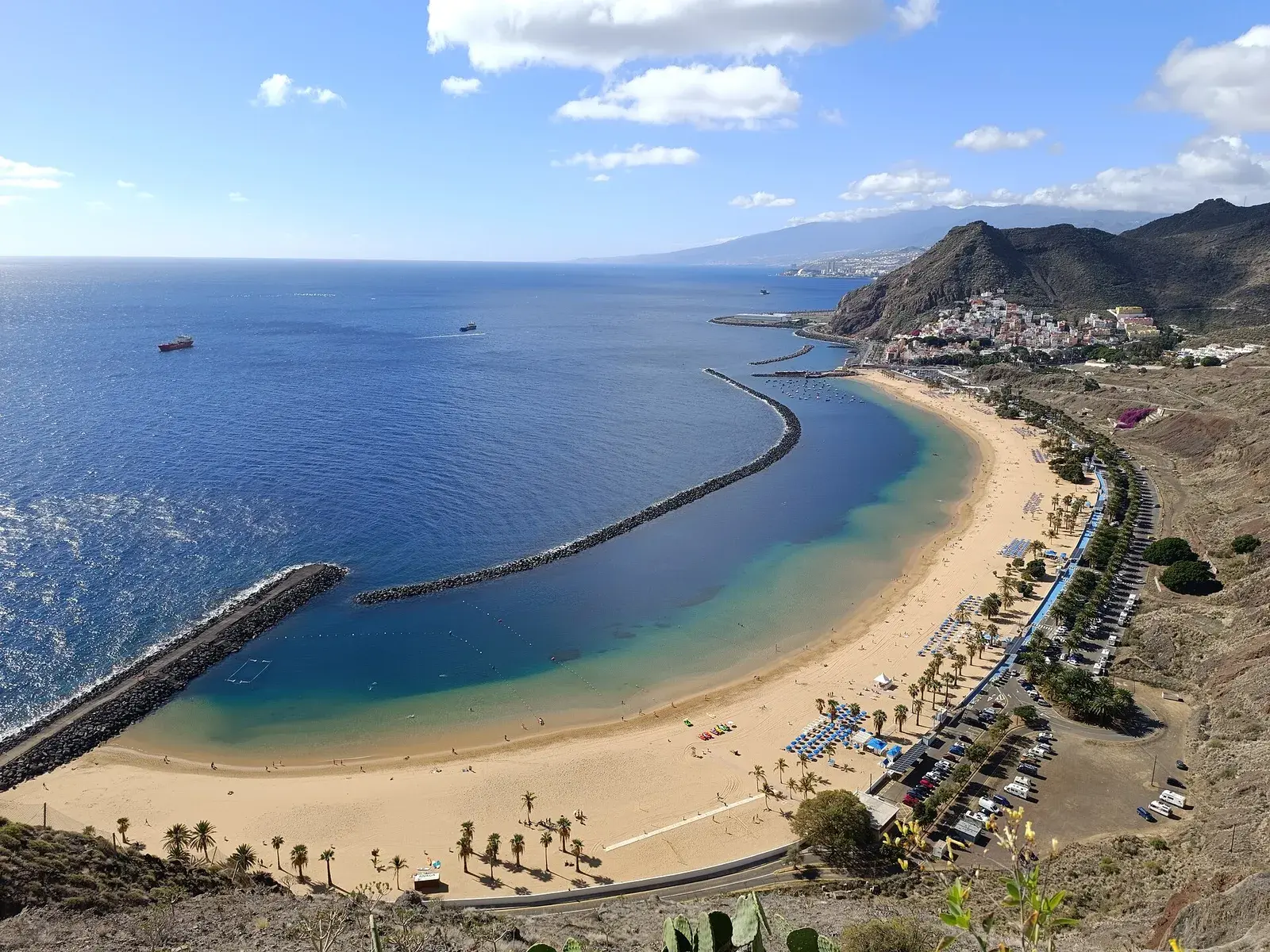
Playa de Las Teresitas is the golden beach of Santa Cruz de Tenerife: about 1,300 metres of pale sand and palm trees next to the fishing village of San Andrés, some 8 kilometres from the city centre, with calm water thanks to a breakwater running parallel to the shore. It has lifeguards, toilets, showers, changing rooms, kiosks, sun loungers and adapted access, and you can reach it on TITSA's guagua (the local word for bus) 910 from the Intercambiador, the main bus station in Santa Cruz. It is the safest beach for swimming with children in the whole northern half of the island; its only serious drawback is that it fills up on summer weekends, and so does its car park.
Fact sheet
- Area and municipality: San Andrés, Santa Cruz de Tenerife, at the south-western end of the Anaga massif.
- Sand: fine and golden, brought in from elsewhere (it is not native to the island).
- Approximate length: about 1,300 metres long and about 80 wide, according to Turismo de Tenerife.
- Waves and safety: calm, shallow water inside the breakwater; beyond it, the open Atlantic.
- Lifeguards: yes, in season; in summer 2026 the Red Cross service included a main post, an auxiliary post next to access 5, a boat and a jet ski.
- Facilities: toilets, showers, changing rooms, kiosks and beach bars, sun lounger and parasol hire, a paddleboarding area.
- Blue Flag 2026: not on the official 2026 list.
- Accessibility: yes; ramps and boardwalks, adapted toilets and changing rooms, and assisted bathing with amphibious chairs.
- Parking: large free parking areas behind the beach, with more than a hundred spaces; they fill up on summer weekends.
- TITSA bus (guagua): line 910 from the Intercambiador in Santa Cruz, with departures roughly every twenty minutes.
- Best for: families with young children, swimming without waves, beginner paddleboarding, a beach morning without a car.
- Drawbacks: crowds in summer, no waves at all if you are looking for surf, and a more urban setting than Anaga.
A beach built with Saharan sand
Las Teresitas was not always golden. It was a cove of callaos (rounded boulders) and dark sand, like the rest of the Anaga coast, until the breakwater was built in the early 1970s and the beach was covered with sand brought from the Sahara; the new beach opened in 1973. That is why it looks more like the touristy south than the north, and why it is the exception in the guide to the best beaches in the north of Tenerife. Behind the sand there are open parking areas and, further back, the dry slopes of Anaga; San Andrés sits at one end and, at the other, the road that continues to Igueste.
How to get there
By bus. TITSA line 910 leaves from the Intercambiador in Santa Cruz, runs through San Andrés and stops next to the beach. It is frequent (around one departure every twenty minutes) and spares you the parking problem, which is the beach's main issue in summer. If you are staying in La Laguna, take the tram down to the Intercambiador and catch the 910 there. The guide to getting around Tenerife explains passes and fares.
By car. From Santa Cruz, the TF-11 skirts the port as far as San Andrés and Las Teresitas. The parking areas behind the beach are free; in 2026 the City Council announced a real-time information system for free spaces. On weekdays and outside July and August you will park without trouble; on summer Saturdays and Sundays, arrive before 11:00.
Access to the sand. The beach is organised by numbered accesses. In 2026 the City Council renovated accesses 1, 5, 7 and 10 with new platforms, adapted footpaths, toilets and changing rooms. If you are travelling with someone with reduced mobility, choose one of those.
The sea and safety
The breakwater breaks the swell before it reaches the shore, so the water inside the beach behaves almost like a swimming pool: you can stand for many metres and the waves are minimal. That is why it is the favourite beach of families in Santa Cruz. Even so, it is not a closed pool: do not swim towards the breakwater or try to cross it, because on the other side is the open Atlantic.
In 2026, tests by the Canary Islands Government's health monitoring programme rated the water quality at Las Teresitas as "excellent", the highest level. In summer the lifeguard service covers the whole beach; check the flag when you arrive, as you would anywhere else. The sun is strong and there is no natural shade apart from the palm trees: bring a parasol or hire one.
The beach also has a discreet neighbour: the angelshark, a harmless, critically endangered bottom-dwelling shark, breeds in the area and the City Council funds its scientific monitoring. If you see one while snorkelling, do not touch or disturb it.
What's nearby
- San Andrés: the fishing village right next to the beach, with fish and seafood restaurants a few minutes' walk from the first access.
- Mirador de Las Teresitas: on the road that climbs to Anaga above San Andrés, it offers the classic view of the beach, the breakwater and the village; it is included in the guide to the best viewpoints in Tenerife.
- Parque Rural de Anaga: from San Andrés, the TF-12 climbs to El Bailadero and leads on to Taganana and its beaches, such as Roque de las Bodegas and Almáciga. It is all in the Anaga Rural Park guide.
- Santa Cruz: the Mercado de Nuestra Señora de África, the Auditorio and the Parque García Sanabria are a short bus ride away.
Best time to go
Time of day. Mornings are best: more room on the sand and in the car park, and less wind. In the afternoon, especially in summer, the beach fills with local families after work. If the day starts cloudy in Santa Cruz, the beach is still fine for swimming, although the water feels cooler when you get out.
Time of year. You can swim at Las Teresitas in any month. The water is around 19 °C in late winter and 23–24 °C in early autumn. July, August and spring weekends are the busiest periods; on weekdays from October to June you will have it almost to yourself. To compare months, read the best time to visit Tenerife.
Frequently asked questions
Is the sand at Las Teresitas natural?
No. The beach was filled with sand brought from the Sahara in the early 1970s and protected with a breakwater; it opened with its current look in 1973. The natural sand on this coast is dark, like that of the Anaga coves.
Is it a good beach for children?
It is the best in the north and one of the best on the island: calm water, shallow for many metres, lifeguards in season, toilets and shade you can hire. More ideas in the guide to Tenerife with kids.
How do you get to Las Teresitas without a car?
On TITSA line 910 from the Intercambiador in Santa Cruz, with departures roughly every twenty minutes. From La Laguna, combine the tram to Santa Cruz with the 910.
Does it have a Blue Flag?
Not in 2026: Las Teresitas is not on the official list of awarded beaches for that year. Canary Islands Government tests rated its water as excellent.
Do you have to pay to park?
No; the parking areas behind the beach are free. The problem is not the price but the space: on summer weekends they fill up by mid-morning.
Keep planning
- The best beaches in Tenerife: the island's selection by type of plan.
- The best beaches in the north of Tenerife: Anaga, Puerto de la Cruz and Icod, with closures and access.
- Anaga Rural Park: a visitor's guide: trails and viewpoints half an hour from the beach.
- Where to stay in Tenerife: Santa Cruz and La Laguna as a base.
You may also like
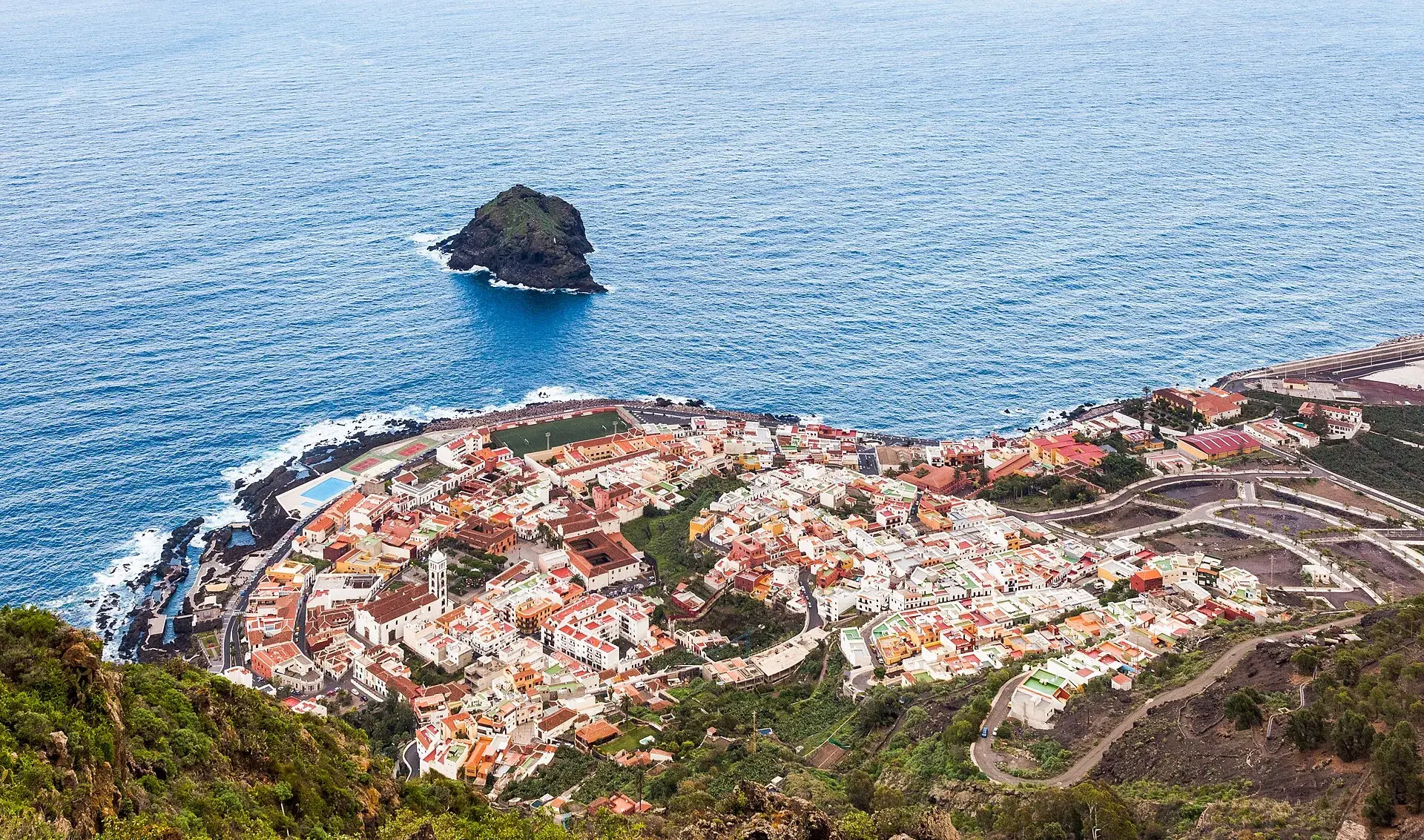
Garachico, Tenerife: old town, El Caletón and the Isla Baja
What to see in Garachico in half a day: the port buried by lava in 1706, the historic centre, El Caletón, the castle, San Roque, buses and where to park.
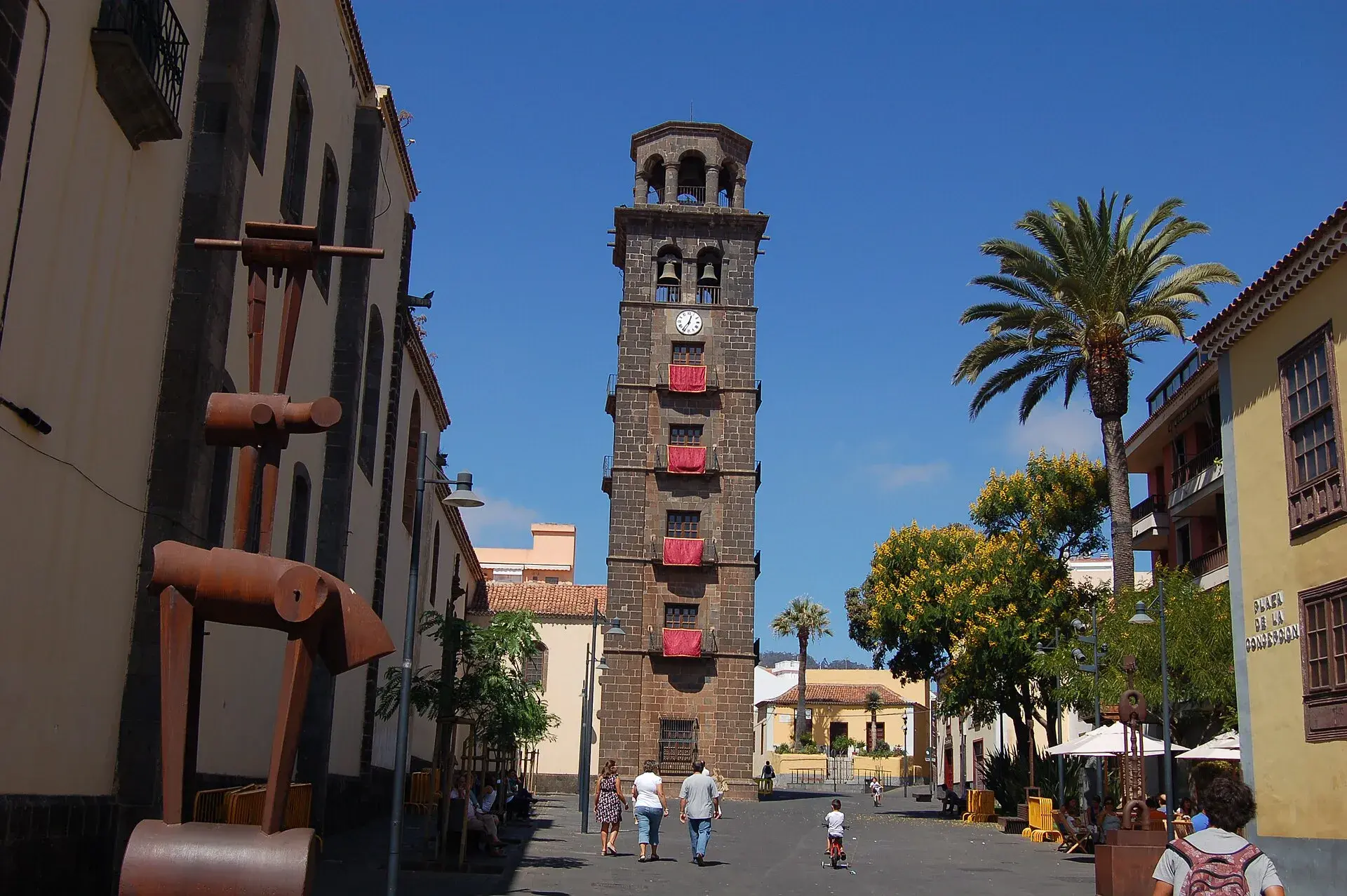
La Laguna, Tenerife: old town, museums and how to get there
What to see in La Laguna step by step: walking route through the World Heritage old town, cathedral, museums, tram, parking, festivals and a trip to Anaga.
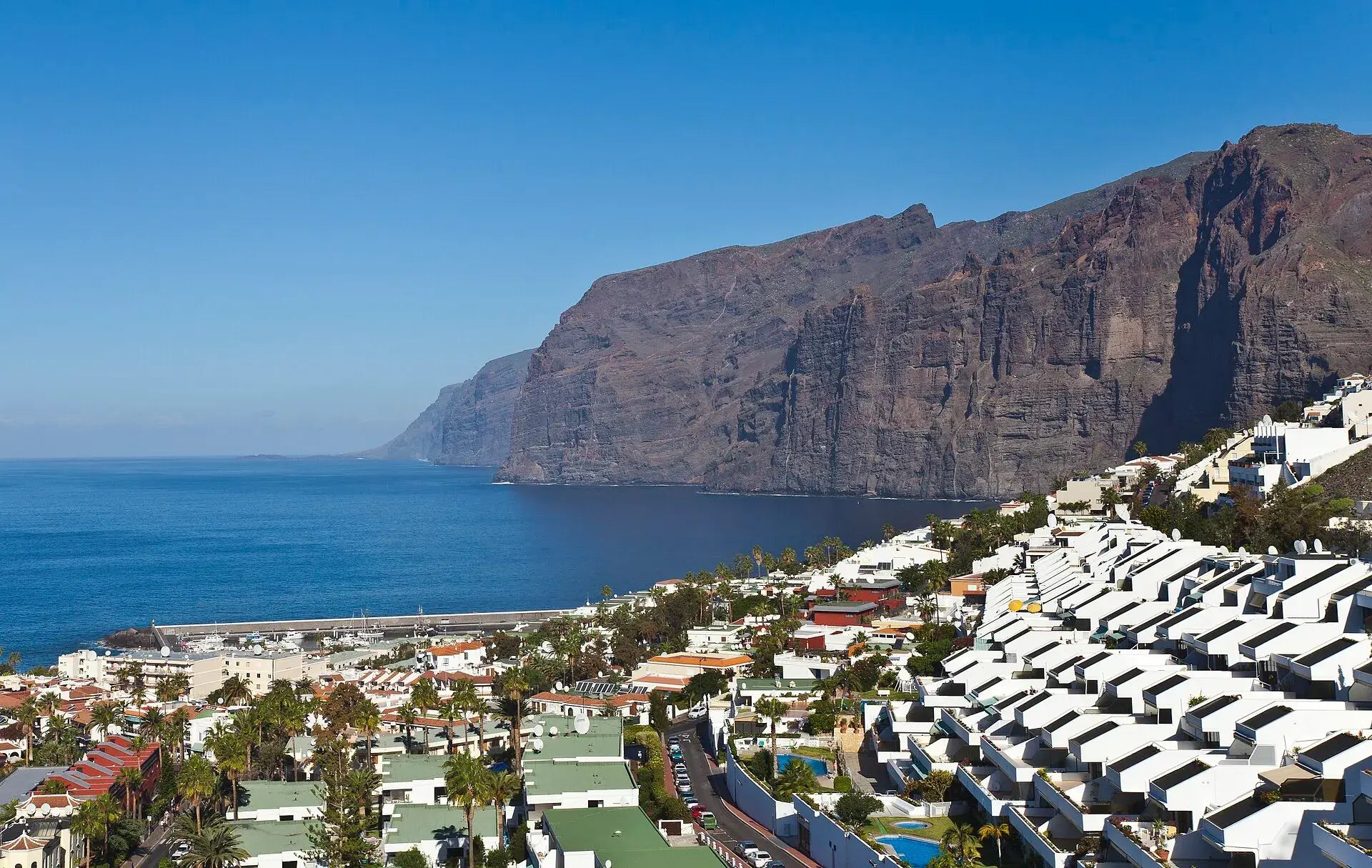
Los Gigantes Tenerife: cliffs, boat trips, beaches and access
Los Gigantes (Tenerife): cliffs up to 600 m, Archipenque viewpoint, boats from the marina, Los Guíos, rock pools, buses 473 and 477 and where to park.
Tenerife protected areas rules: trail quotas and drones
Rules for Tenerife's protected areas: trails that need booking, Teide, Masca and El Pijaral, drones, camping, wildfire alerts, dogs and fines in 2026.