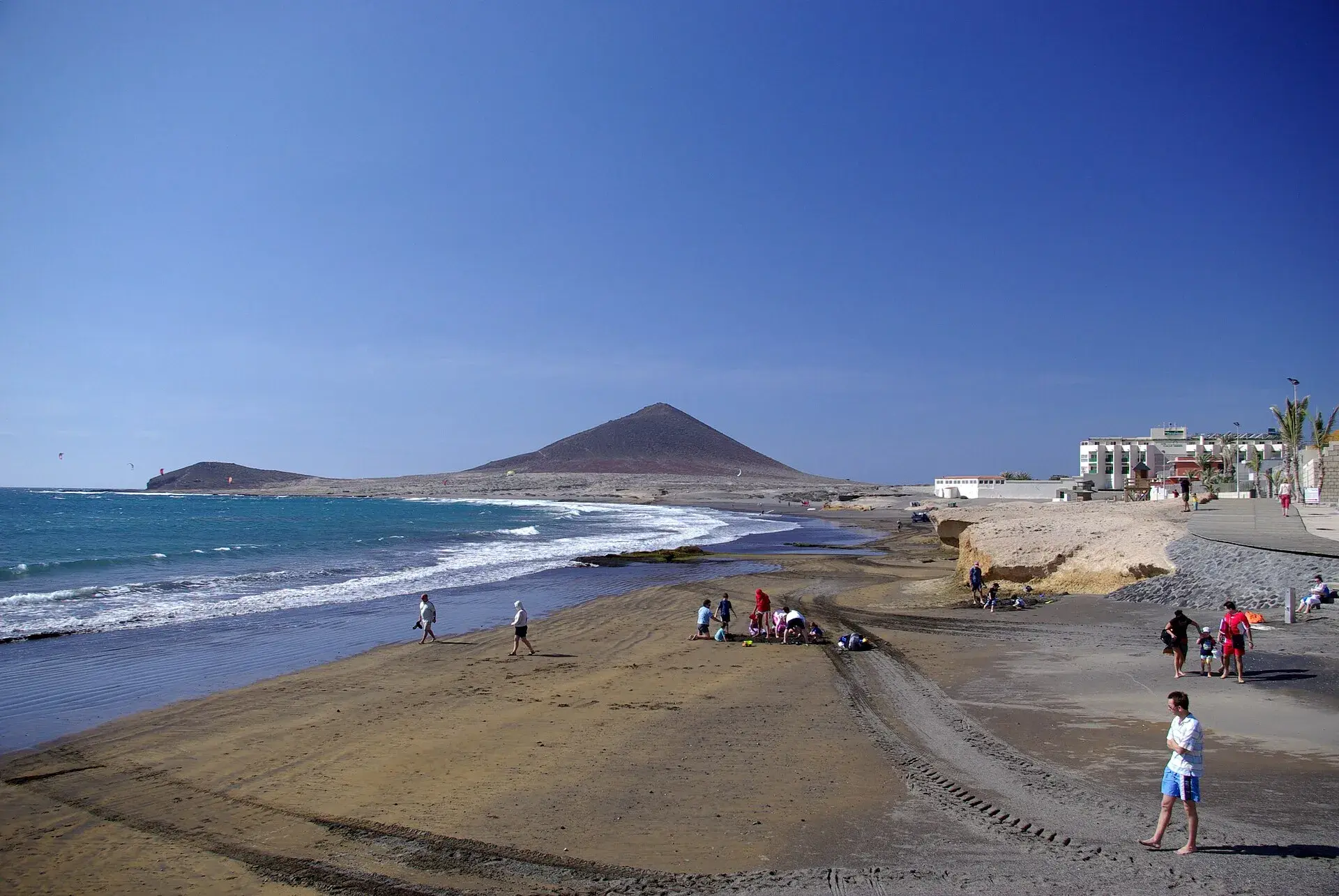
Photo by Alexander Klink, CC BY 4.0, via Wikimedia Commons
Is Tenerife safe? Sea, mountains, theft and emergencies
Yes, Tenerife is a safe destination: violent crime against visitors is rare and the island runs on the same emergency services as any other Spanish region. The real risks lie elsewhere, and it pays to know them before you arrive: the sea on the north coast, with currents and ground swell that cause drownings every year; the mountains, with heat, rockfalls and altitude on Mount Teide; and petty theft, above all from hire cars parked at viewpoints and beaches. The emergency number for everything is 112.
The sea: the number one risk
Most serious scares for visitors happen in the water, not on the street. The north coast and the Anaga coast face the open Atlantic: beaches such as El Bollullo, Almáciga or El Socorro have strong waves for most of the year and rip currents that pull you out to sea even when the water looks calm near the shore. The beaches in the south (Las Vistas, El Duque, Fañabé, and Las Teresitas in Santa Cruz) are more sheltered, often protected by breakwaters, and are the right choice for inexperienced swimmers. The area-by-area comparison is in the best beaches in Tenerife.
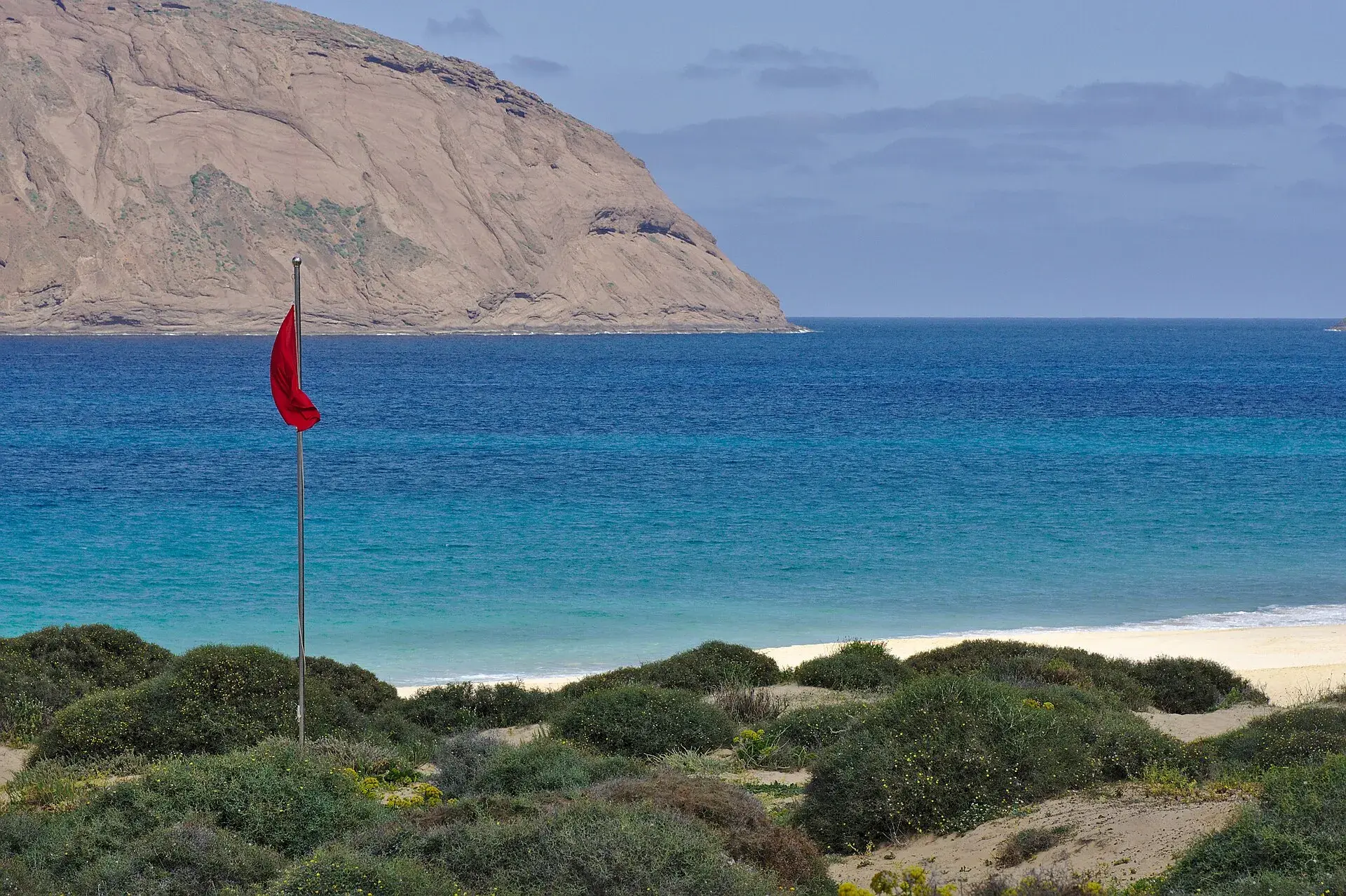
What the beach flags mean in the Canary Islands
The flag code is set by Decree 116/2018 of the Government of the Canary Islands on beach safety:
- Green: beach classified as free; swimming allowed.
- Yellow: when permanent, the beach is classified as dangerous; on a free beach, it means swimming is restricted that day. Swim with caution and stay close to the shore.
- Red: swimming prohibited. It can be permanent (a beach where swimming is banned) or temporary because of sea conditions, currents, weather or pollution.
With a red flag you do not go into the water, not even "just to get your feet wet". The Blue Flag is something else: it is a quality and services award and tells you nothing about the state of the sea that day.
Lifeguards by season
Many beaches only have lifeguards in season and during hours set by each town council; the decree requires them to be posted at the beach entrance. Outside those hours, or in unguarded coves, nobody will pull you out of the water. If you are travelling with children, choose guarded beaches and swim inside the marked area.
Rip currents: what to do if you are pulled out
Do not swim against the current towards the shore: it exhausts anyone. Float, swim parallel to the beach until you are out of the channel and signal for help by raising your arm. If you see someone in trouble, throw them something that floats and call 112.
Natural pools in heavy swell
The charcos (natural rock pools) of Garachico, Bajamar, Punta del Hidalgo or Los Gigantes are the way to swim on the north coast, but in heavy ground swell the waves break over the walls and sweep away anyone inside or on the rocks. They are closed when the sea is rough, and the closure must be respected even if the sun is shining. Details for each one are in the guide to natural pools in Tenerife.
Coastal pre-alerts and alerts
When AEMET (the Spanish State Meteorological Agency) forecasts heavy seas, the Government of the Canary Islands declares a pre-alert or alert for coastal phenomena, and 112 Canarias spreads it on its social media and in the press. The advice is always the same: do not walk on piers, jetties or the seafront, postpone water sports and do not swim with a red flag or without lifeguards.
The mountains: heat, rockfalls and altitude
Trails
The routes in Anaga, Teno, Masca or the forest belt are safe if you choose well, but they require preparation. Carry plenty of water, set off early in summer and do not leave the waymarked trails; after heavy rain the ravines can become impassable. Some access points are regulated or closed: the Masca ravine requires a booking, Benijo beach has been officially closed since July 2024 because of rockfalls, and private cars have not been allowed to Punta de Teno since January 2026. The rules for each area are in rules for Tenerife's protected natural areas and the selection of routes by level in the best hikes in Tenerife.
Rockfalls
Do not stand under rock faces on beaches and coastal paths, and respect fences and closure signs, even if you see others ignoring them.
Mount Teide and altitude
The summit of Mount Teide stands at 3,718 metres and the cable car takes you to 3,555 in under ten minutes. You feel that jump: headaches, dizziness or shortness of breath are common, and the cable car does not accept pregnant women, children under 3 or people with cardiovascular problems. Go up slowly, drink water and come down if symptoms get worse. At altitude the sun burns more, it is cold outside summer and in winter there can be snow and ice. Hiking up to the peak requires a separate permit; everything is explained in the permit to climb the Teide peak.
Rescues
In the mountains, 112 coordinates rescues, with a helicopter when needed. Call as soon as possible and give the trail and the nearest signpost or kilometre marker. Mobile coverage fails in the ravines of Teno and Anaga: tell someone your route. The European Health Insurance Card covers public medical care, but not repatriation nor, depending on the policy, rescue costs: check your travel insurance.
Forest fire alerts
In summer and during heat episodes, the Cabildo de Tenerife (the island government) activates fire-risk measures in levels. At the higher levels, recreational areas and campsites are closed, barbecues and outdoor fires are banned, and access to the forest, to dirt tracks and to some roads may be restricted (since 30 July 2026 access to the TF-436, the Masca road, is controlled during fire alerts). Before a summer hike, check the situation on the Cabildo website or on Tenerife ON. Starting a fire, even through carelessness, is a crime in Spain: no cigarette ends out of the car window.
Crime: car break-ins and scams
Theft from hire cars
This is the crime that affects visitors most. Thieves know that a hire car at a viewpoint or a beach car park has suitcases, backpacks and cameras inside. For years the Guardia Civil has run Operation Miradores in the most visited areas of the province, with more than a hundred officers, and according to the force itself most of the 2025 arrests for property crime were for theft from inside vehicles. The rules are simple:
- Leave nothing visible in the car, not even an empty bag or a charger.
- If you are going to leave luggage inside, put it in the boot before you reach the car park, not in view of whoever is there.
- Keep your passport, wallet and phone on you, also at the beach.
- Take particular care at the car parks in Masca, the Teide and Anaga viewpoints and isolated beaches, where most cases occur.
More advice on insurance and excess in car hire in Tenerife.
Pickpockets
Pickpockets operate on the promenades in the south, at markets, at crowded fiestas and on the tram at rush hour, often in groups and using distractions (one asks a question, another steals). Keep your wallet in a front pocket and do not leave your phone on a café table. Real police may ask for your ID, but never for your wallet.
Common scams
- Scratch cards and "holiday clubs": in the tourist areas of the south, street touts hand out scratch cards that always win. The prize requires you to attend a presentation lasting several hours, where membership of a holiday club or a timeshare is sold. British consumer and travel agency organisations warn of losses of thousands of pounds. Do not accept scratch cards or invitations on the street.
- Timeshare: if you are offered one to buy or resell, sign nothing on the island and consult a lawyer first. Be wary, too, of anyone who calls offering to "recover" money lost on a previous timeshare in exchange for an upfront payment.
- Shell game: the cups game on promenades and at markets is rigged, and the people who win are accomplices.
- Fake surveys and petitions: they distract you while someone else steals, or they are after a donation. Keep walking.
- "Bargain" electronics: in shops in the tourist areas, customers have reported being charged far more than the agreed price when paying by card. Check the amount on the card terminal before entering your PIN.
Cash machines and card payments
Use bank cash machines and cover the keypad. If the cash machine or card terminal offers to charge you in your own currency, decline and pay in euros: that conversion uses a worse exchange rate. Details on fees, cash and IGIC are in tipping in Tenerife, money and IGIC.
Emergencies: who to call
- 112: emergencies of any kind, free, even with no credit; calls are answered in several languages.
- Policía Local: traffic and local problems in the municipality.
- Policía Nacional: reports of theft or fraud in the main towns and cities.
- Guardia Civil: rural areas, roads and many of the tourist municipalities.
How to report a crime
For a theft or a scam, you file the report (denuncia) at a Policía Nacional station or a Guardia Civil post, depending on the municipality, and you will need it for your insurance and to cancel documents. The Policía Nacional has foreign tourist assistance offices (SATE) with interpreters in several Spanish cities; ask at the station whether the service is available in Tenerife. If you do not speak Spanish, ask for an interpreter: it is your right. The AlertCops app lets you send an alert to the police as a victim or witness.
Public hospitals and health centres
- Hospital Universitario de Canarias (HUC): in La Laguna, for the north and the metropolitan area.
- Hospital Universitario Nuestra Señora de Candelaria: in Santa Cruz de Tenerife.
- Hospital del Sur: in El Mojón (Arona), part of the Candelaria hospital, the closest to Costa Adeje, Los Cristianos and Playa de las Américas.
For minor problems, public health centres treat you with the European Health Insurance Card (and the British GHIC); in the tourist areas there are also many private clinics, which charge. Duty pharmacies rotate every day and the Official College of Pharmacists of Santa Cruz de Tenerife publishes the list; every pharmacy displays the nearest duty pharmacy on its door.
Health: sun, water and mosquitoes
Sun
The sun is strong all year, even under a hazy sky, and much more so on Mount Teide: factor 50, a hat and shade in the middle of the day. The full list of what to bring is in what to pack for Tenerife.
Heat and calima
During heat episodes or calima (Saharan dust suspended in the air), the health authorities advise sensitive people to avoid exertion outdoors. What it is and how to plan those days is in calima in Tenerife.
Tap water
It is generally safe to drink, though it has a mineral taste, and most residents drink bottled water. Some neighbourhoods have occasional restrictions, for example because of excess fluoride (which mainly affects children under eight) or problems in the network. If your accommodation is in a rural area or you have doubts, ask at reception or buy bottled water.
Mosquitoes
The health authorities monitor ports and airports for the arrival of invasive mosquitoes: since late 2025 isolated specimens of Aedes aegypti have been detected at the cruise terminal in Santa Cruz, with no associated cases of disease. Insect repellent is enough.
Frequently asked questions
Is Tenerife safe for solo travellers?
Yes. The precautions are those of any tourist destination: watch your drink at night, take a taxi back late at night and tell someone your route in the mountains.
Which area of Tenerife is the most dangerous?
There are no neighbourhoods a visitor needs to avoid. The places with most theft are the car parks at viewpoints and isolated beaches and the busiest promenades in the south. In the sea, the north coast and Anaga are more dangerous than the south.
What do I do if my passport is stolen?
Report it to the Policía Nacional or the Guardia Civil and contact your country's consulate, which issues an emergency travel document so you can get home. Keep a copy or photo of your passport's main page separate from the original.
Can you swim with a yellow flag?
Yes, with caution: close to the shore, without going far out and inside the guarded area. If you are not a strong swimmer or you are with small children, wait for a green-flag day or choose a beach with a breakwater.
What is the emergency number in Tenerife?
112, for any emergency: medical, police, fire or rescue at sea or in the mountains. It is free and calls are answered in several languages.
Keep planning
You may also like
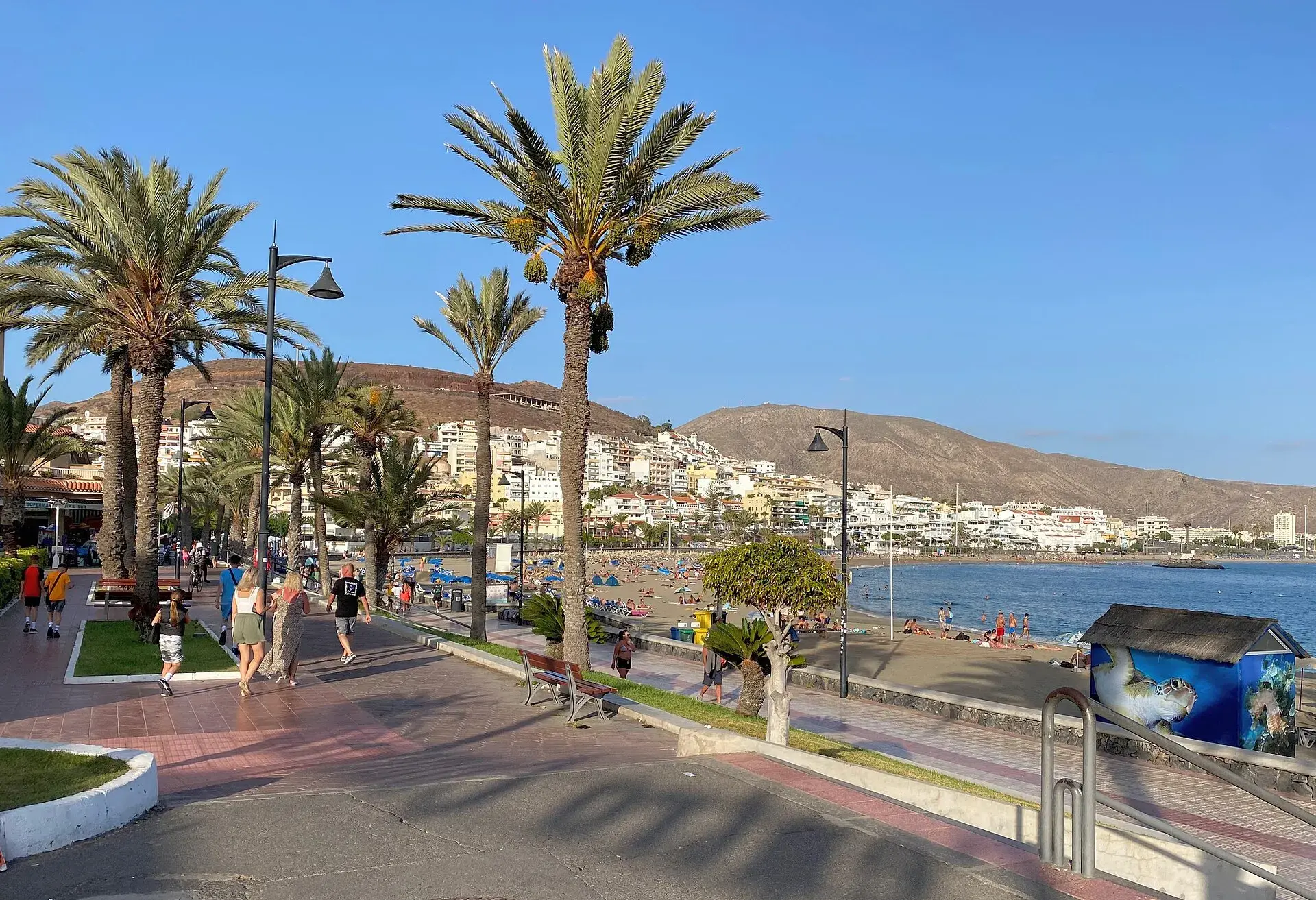
Accessible Tenerife: beaches, transport and step-free visits
Accessible Tenerife: beaches with assisted bathing and amphibious chairs, airport assistance, buses, tram and eurotaxi, and which visits work in a wheelchair.
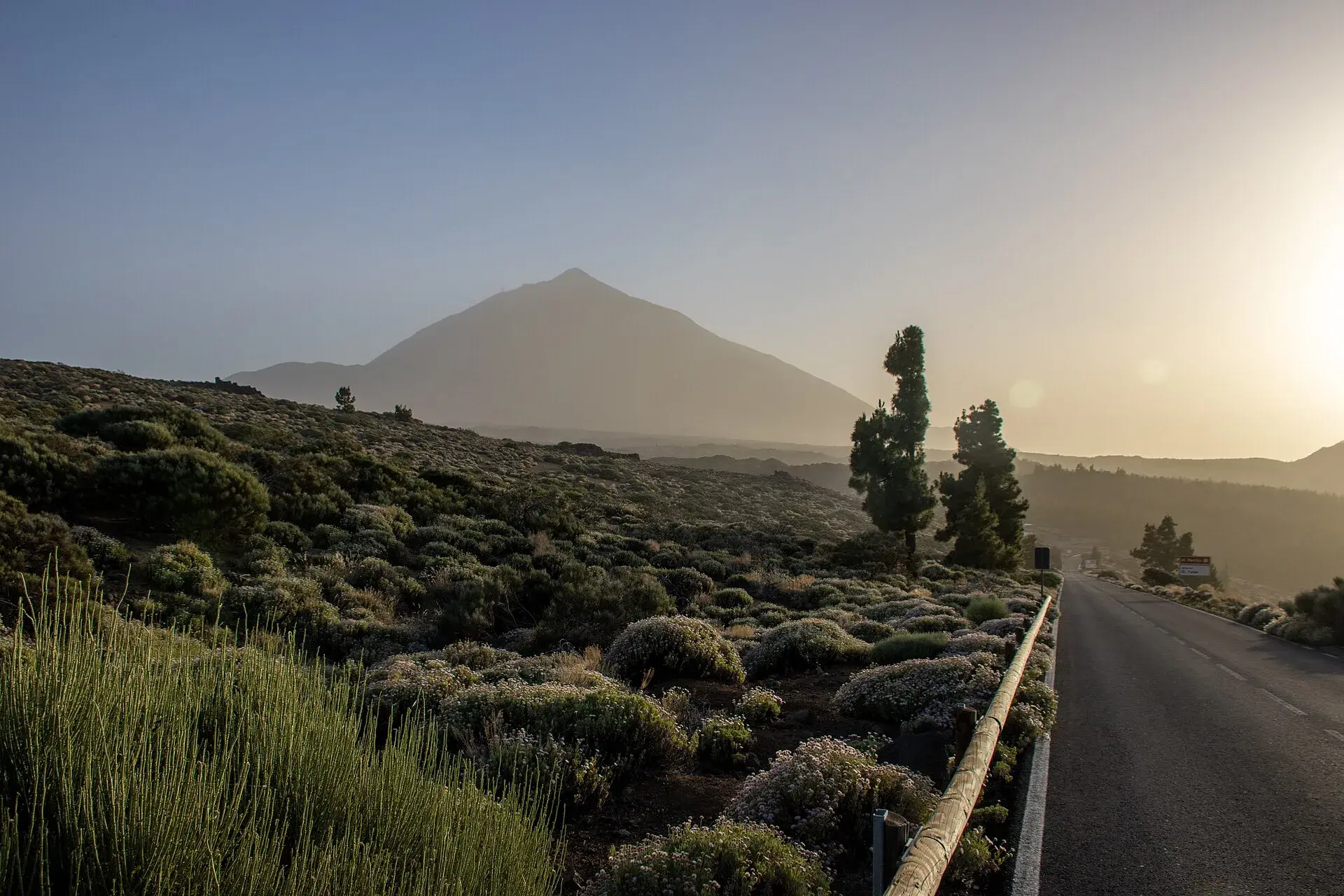
Calima in Tenerife: what it is, when it comes, how it affects you
Calima in Tenerife: what Saharan dust is, which months it tends to arrive, how it affects health and flights, where to check warnings and what to do that day.
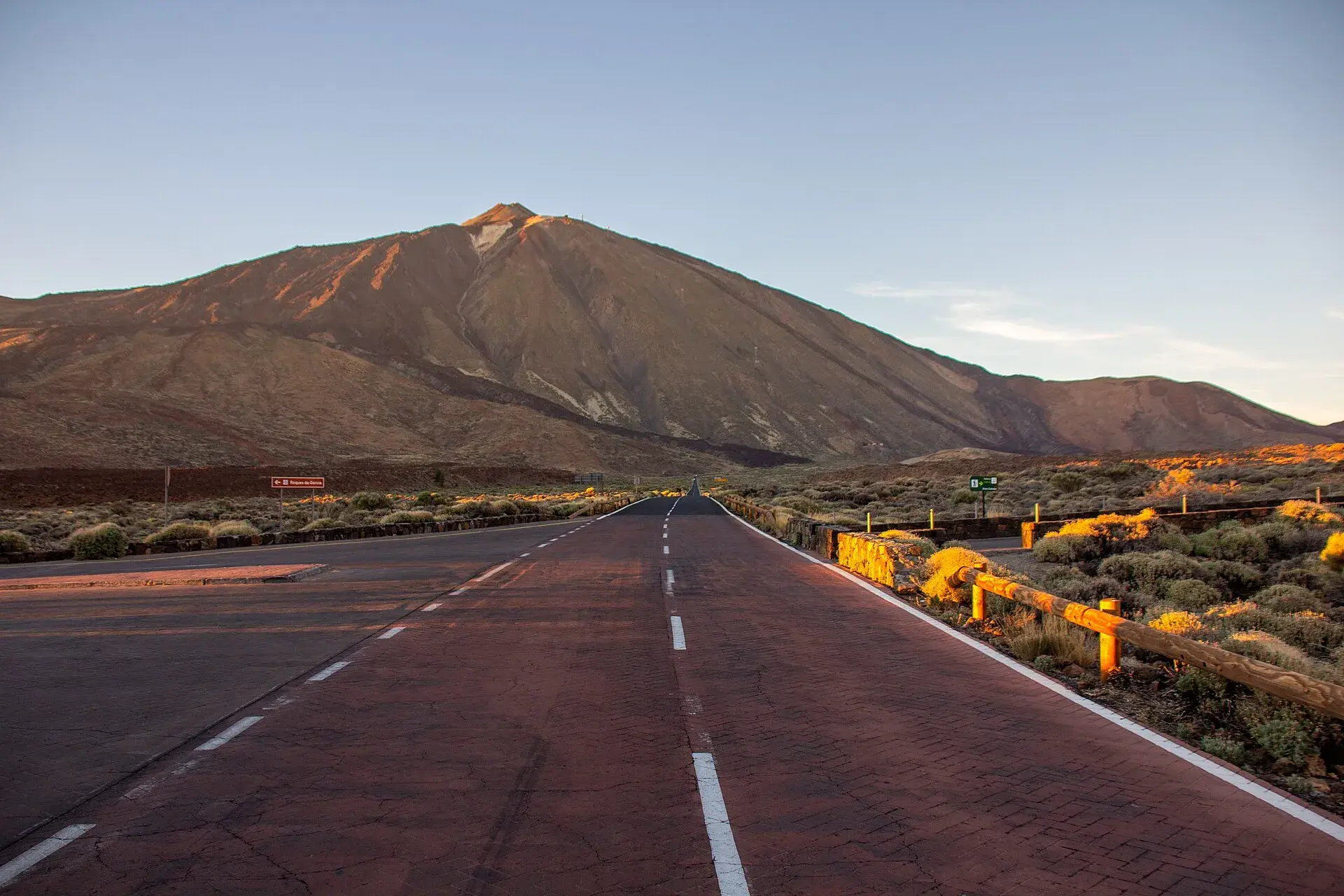
Car hire in Tenerife: insurance, deposit and useful tips
Car hire in Tenerife without surprises: when it pays off, insurance and excess, deposit, fuel, child seats, Masca, Teide and what to check at pick-up.
Digital nomads in Tenerife: visa, areas, housing and internet
Digital nomads in Tenerife: the remote work visa and 2026 requirements, EU citizen registration, the best areas to live, renting, healthcare and internet.