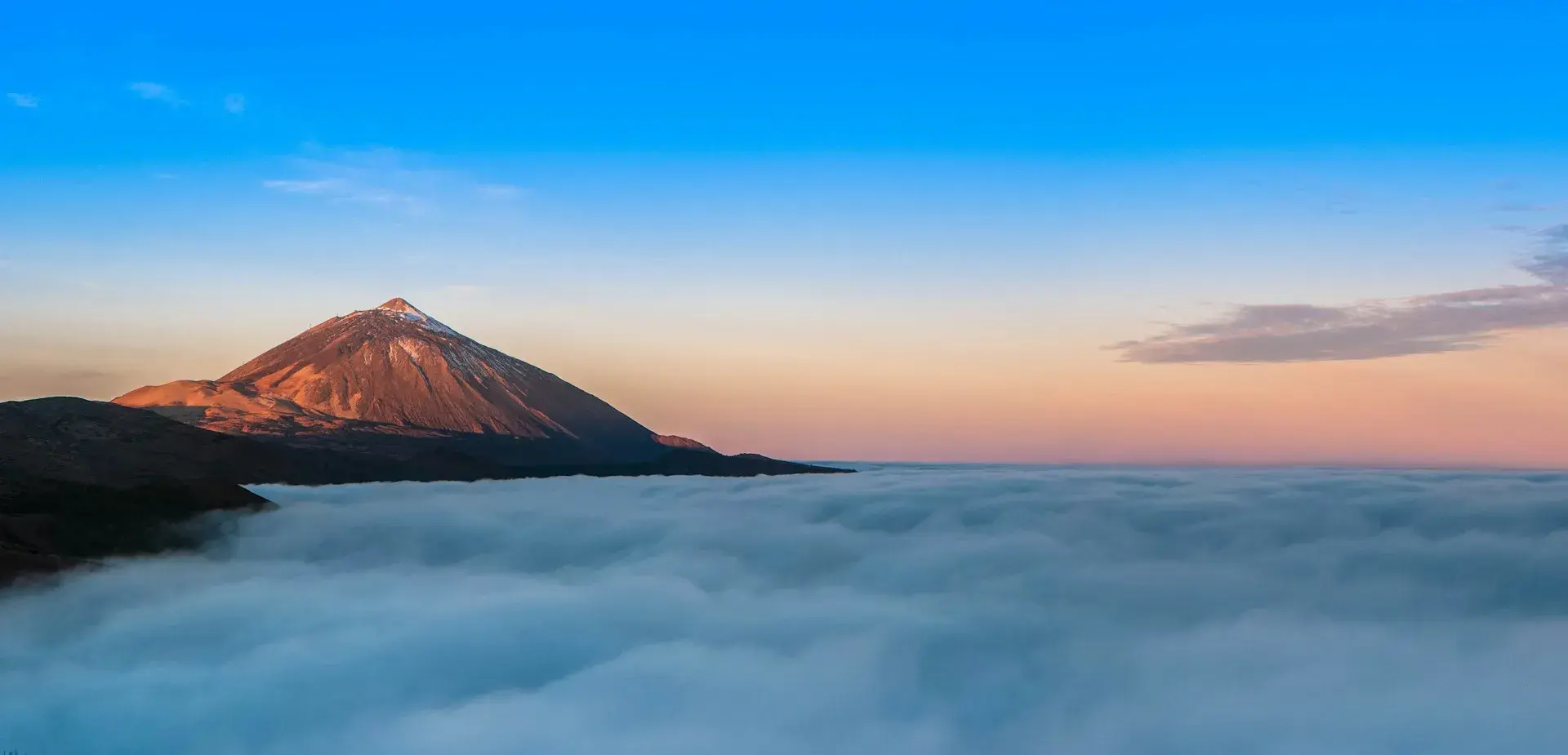
Photo by Gustavo A. Pérez on Unsplash
Things to do in Tenerife when it rains
If it rains in Tenerife, your first move is not to look for a museum but to look at the map: rain here is almost always local. The trade winds, which blow from the north-east, push the clouds against the north side of the island and leave the south dry. According to AEMET's climate normals, Tenerife Norte airport records 520 mm of rain a year over 64 days, while Tenerife Sur gets 132 mm over 15 days. At the same time, the Parque Nacional del Teide sits above 2,000 m, over the cloud layer on most days. So plan A for a rainy day is to switch sides of the island or go up, and plan B is the museums, the Cueva del Viento, the wineries and the markets listed below, all checked against their official websites.
First, understand how it rains in Tenerife
The island has two climates separated by its central mountain ridge. In the north, the trade winds form the sea of clouds at roughly 1,000 to 1,500 m and bring drizzle and rain, mostly from November to January, the months with around 80 mm at Tenerife Norte. In the south, the same weather pattern brings sunshine: December, the wettest month at Tenerife Sur, barely reaches 30 mm. Only Atlantic low-pressure systems, a few days a year, cover the whole island; when that happens AEMET issues warnings, and you should stay away from the summit and the ravines.
- Rain in the north: drive south on the TF-5 and TF-1 (Puerto de la Cruz to Costa Adeje takes around an hour) or go up to Teide on the TF-21. Save the rest for when the sun comes back: what to see in the north of Tenerife.
- Rain in the south: it is rare and usually short-lived. Wait it out, or drive up to Teide on the TF-21 from Vilaflor or the TF-38 from Chío.
- Rain across the island: indoor plans, grouped by area below.
Go up to Teide: the summit above the clouds
When the coast is grey, the caldera is usually in sunshine, and on the way down you look out over the sea of clouds from above. Before you set off, check the road status on the Cabildo (island government) website, because the TF-21 and TF-24 close with snow or ice, and check the wind forecast, because the cable car stops running in strong gusts. Access roads, viewpoints and rules are in the Parque Nacional del Teide guide.
Indoor museums
The Cabildo's museums (Museos de Tenerife) share the same opening hours and prices: Monday to Saturday 9:00–19:00, Sundays and public holidays 10:00–17:00, general admission €5, free for children under 8, and free entry on Fridays and Saturdays from 16:00 until closing. They close on 24, 25 and 31 December, 1 and 6 January and Carnival Tuesday.
- MUNA, Museo de Naturaleza y Arqueología (Santa Cruz): on Calle Fuente Morales, a few minutes from Plaza de España. It combines archaeology and natural sciences; the Guanche room, with complete mummies, is the reason to go.
- TEA Tenerife Espacio de las Artes (Santa Cruz): the Herzog & de Meuron building on Avenida de San Sebastián, with contemporary art exhibitions, the Centro de Fotografía and a library. Open Tuesday to Sunday 10:00–20:00, closed on Mondays except public holidays, and the exhibitions are free. A five-minute walk from MUNA.
- Museo de la Ciencia y el Cosmos (La Laguna): on Avenida de Los Menceyes, a hands-on science museum with a children's room and a planetarium at €1 per session. The rainy-day plan children appreciate most.
- Museo de Historia y Antropología, Casa Lercaro (La Laguna): the island's history in a mansion in the UNESCO World Heritage old town, with the same opening hours as the museums above. Combine it with a walk along Calle San Agustín when the rain lets up.
- Casa de los Balcones (La Orotava): a 17th-century house museum with craft workshops and a shop; check opening hours and admission on its official website.
- Pirámides de Güímar: open daily 10:00–18:00; the museum and auditorium are indoors, but the pyramids and the botanical garden are outdoors. Fine in drizzle, not in proper rain.
Cueva del Viento (Icod de los Vinos)
Europe's longest lava tube, with 18.5 km surveyed, is visited on a guided tour along a prepared section, under cover and at a constant temperature. Booking online in advance is compulsory, children under 5 are not allowed in, and bags and backpacks are not permitted; the visitor centre is open daily 9:00–16:00. Wear closed shoes and bring a jacket. The Drago Milenario of Icod is ten minutes away, and Garachico a little further on.
Wine and food under cover
- Casa del Vino (El Sauzal): a 17th-century estate with the Museo del Vino, the Centro de Visitantes de la Miel (honey visitor centre), a tasting room, wine shop and restaurant, and a viewpoint over the north coast. Entry to the grounds is free and it closes on Mondays; opening hours vary by day, so check its website.
- Wineries with tastings: the Tacoronte-Acentejo area has most of the wineries open to visitors, nearly always by prior booking.
- Guachinches: the north's simple eateries where wine-growing families serve their own wine with carne fiesta, grilled cheese and escaldón. Many have their dining room in a garage or under an open roof, so on rainy days phone ahead; how they work and where to find them is covered in guachinches in Tenerife.
- Mercado de Nuestra Señora de África (Santa Cruz): La Recova, the capital's food market, is open Monday to Saturday 6:00–14:00 and Sundays 7:00–14:00, with indoor stalls selling fruit, cheese, flowers and fish, and bars for breakfast.
Spas and shopping centres
The spas and thalassotherapy centres at hotels in Costa Adeje, Guía de Isora and Puerto de la Cruz accept non-residents with a booking and are the most comfortable rainy-day plan for couples. The shopping centres in Santa Cruz and Costa Adeje are under cover, but they are the same as anywhere else.
What does not work in the rain
- Lago Martiánez (Puerto de la Cruz): the seawater pools designed by César Manrique are outdoors; in rain and wind they make no sense.
- Loro Parque (Puerto de la Cruz): the aquarium and penguin enclosure are indoors, but most of the route and the shows are outdoors. In drizzle, take a rain jacket; in proper rain, go another day.
- Beaches and natural pools: in a heavy swell the natural pools close and the exposed beaches of the north are dangerous.
- Masca and the Anaga trails: the Barranco de Masca closes when there is a rain warning, and in Anaga fog and mud turn a walk into a problem.
When it rains most and how to plan for it
The wettest months are November, December and January in the north (around 80 mm a month at Tenerife Norte) and December in the south (about 30 mm); from May to September it hardly rains on either side. If you are travelling in winter and want guaranteed sunshine, stay in the south and drive north on clear days. The month-by-month and area-by-area detail is in the best time to visit Tenerife.
Calima versus rain
Calima is Saharan dust suspended in the air that arrives on easterly winds, almost always without rain. It reduces visibility, raises temperatures and affects people with asthma or breathing problems. Switching sides of the island does not help (it covers the whole island). Going up to Teide does not help in summer either; in some winter episodes the dust stays in the lower layers and Las Cañadas sit above it, but do not count on it. The same indoor plans apply, and indoor spaces with filtered air are a better refuge than a terrace. AEMET warns of episodes one or two days in advance.
With children
A rainy day with children is easily solved in La Laguna, with the Museo de la Ciencia y el Cosmos and its planetarium, or in Santa Cruz, with MUNA and the market; the Cueva del Viento works from age 5. If the south is sunny, as it usually is, the beach is still the plan. The rest, by age group, is in Tenerife with kids.
Frequently asked questions
Does it rain a lot in Tenerife?
It depends on the side of the island. The north gets about 520 mm a year over 64 rainy days; the south, 132 mm over 15 days. At any time of year, the chance of a full day of rain in Costa Adeje is low.
If it is raining in Puerto de la Cruz, will it be sunny in the south?
Almost always. Rain in the north comes from the trade winds, which unload against the slopes and do not cross the summit. Only Atlantic low-pressure systems, a few days a year, cover the whole island, and AEMET announces them in advance.
Can you go up to Teide on a rainy day?
If it is the usual northern rain, yes: the caldera is above the clouds and usually clear. If there is a storm warning, no: the access roads close with snow or ice and the cable car stops running in strong winds. Check the road status on the Cabildo website before you set off.
Do you need to book the Cueva del Viento?
Yes. Booking online in advance is compulsory, places are limited and on rainy days they sell out sooner. Children under 5 are not allowed in.
Keep planning
- What to see in the south of Tenerife: the sunny side for grey days in the north.
- Getting around Tenerife: switching sides of the island by car or by guagua (the local word for bus).
- Anaga Rural Park: visitor guide: for when the sun returns to the north-east.
You may also like
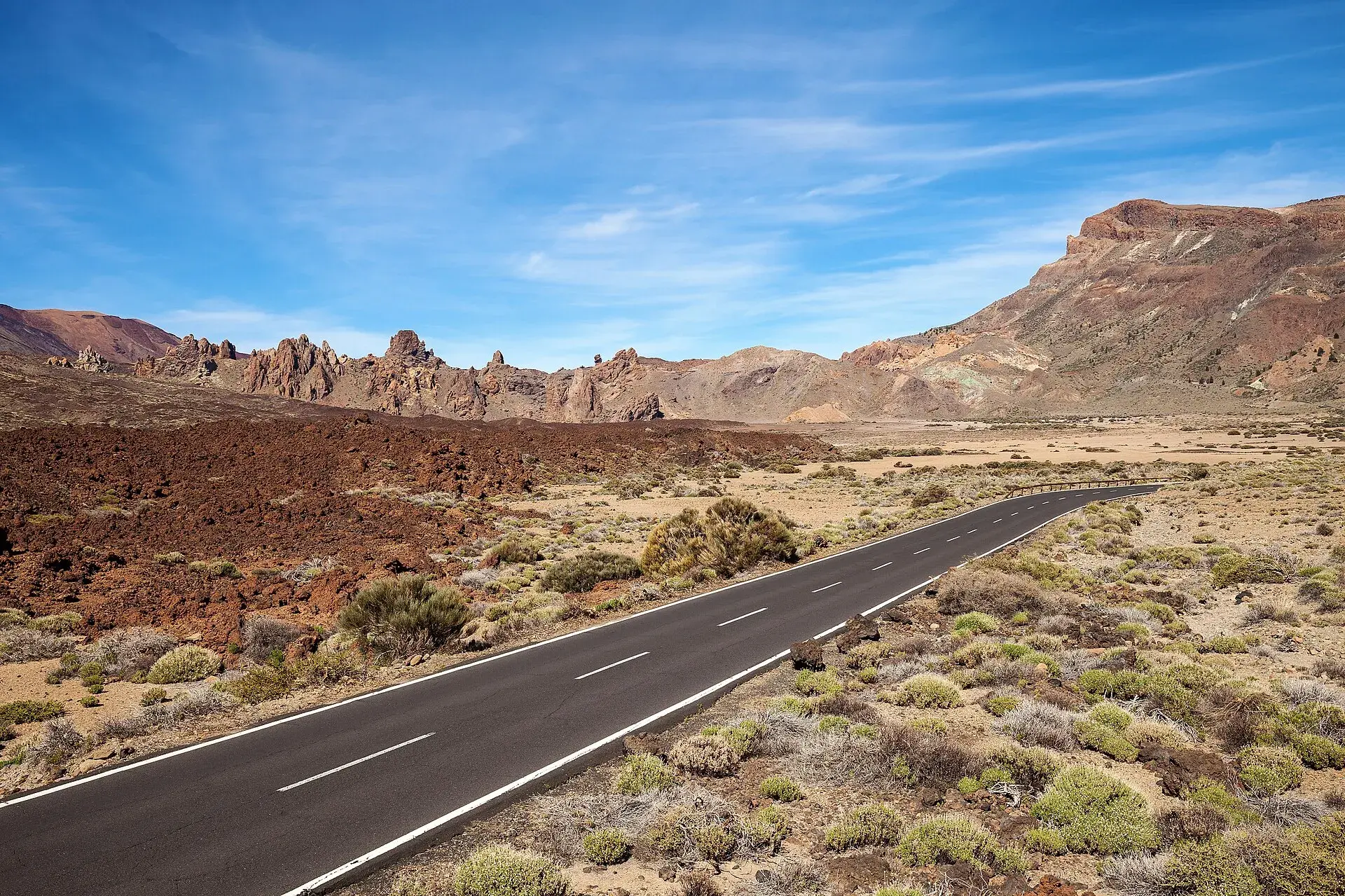
Cycling in Tenerife: riding up Teide and the key routes
Cycling in Tenerife: how to ride up Teide via Vilaflor, La Orotava, La Esperanza and Chío, with distances, elevation gain, best season, rules and bike hire.
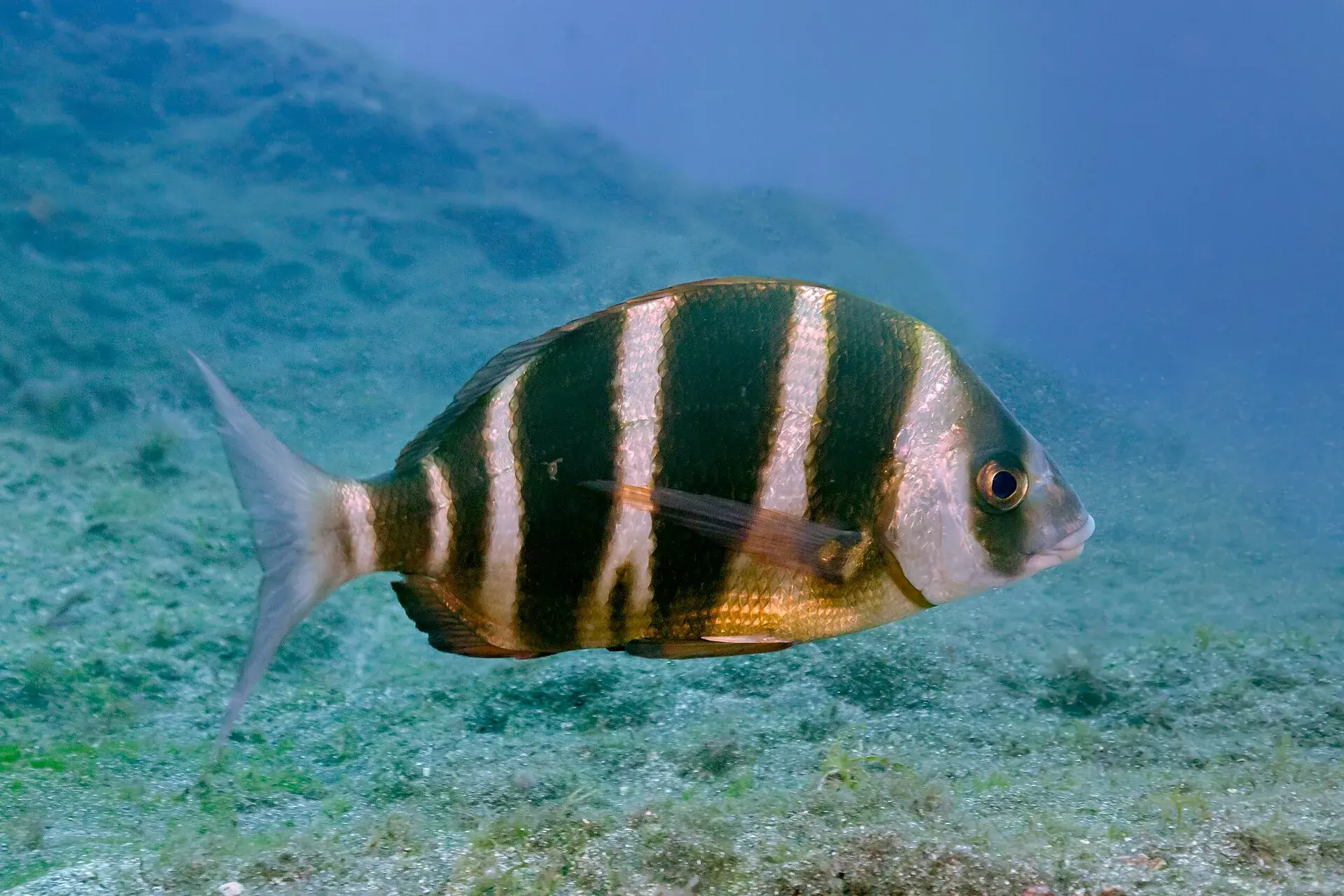
Diving in Tenerife: best spots, snorkelling, try dives and rules
Diving and snorkelling in Tenerife by area: Abades, El Puertito, Las Galletas, Radazul, Los Gigantes and Garachico, with depth, wildlife, try dives and safety.
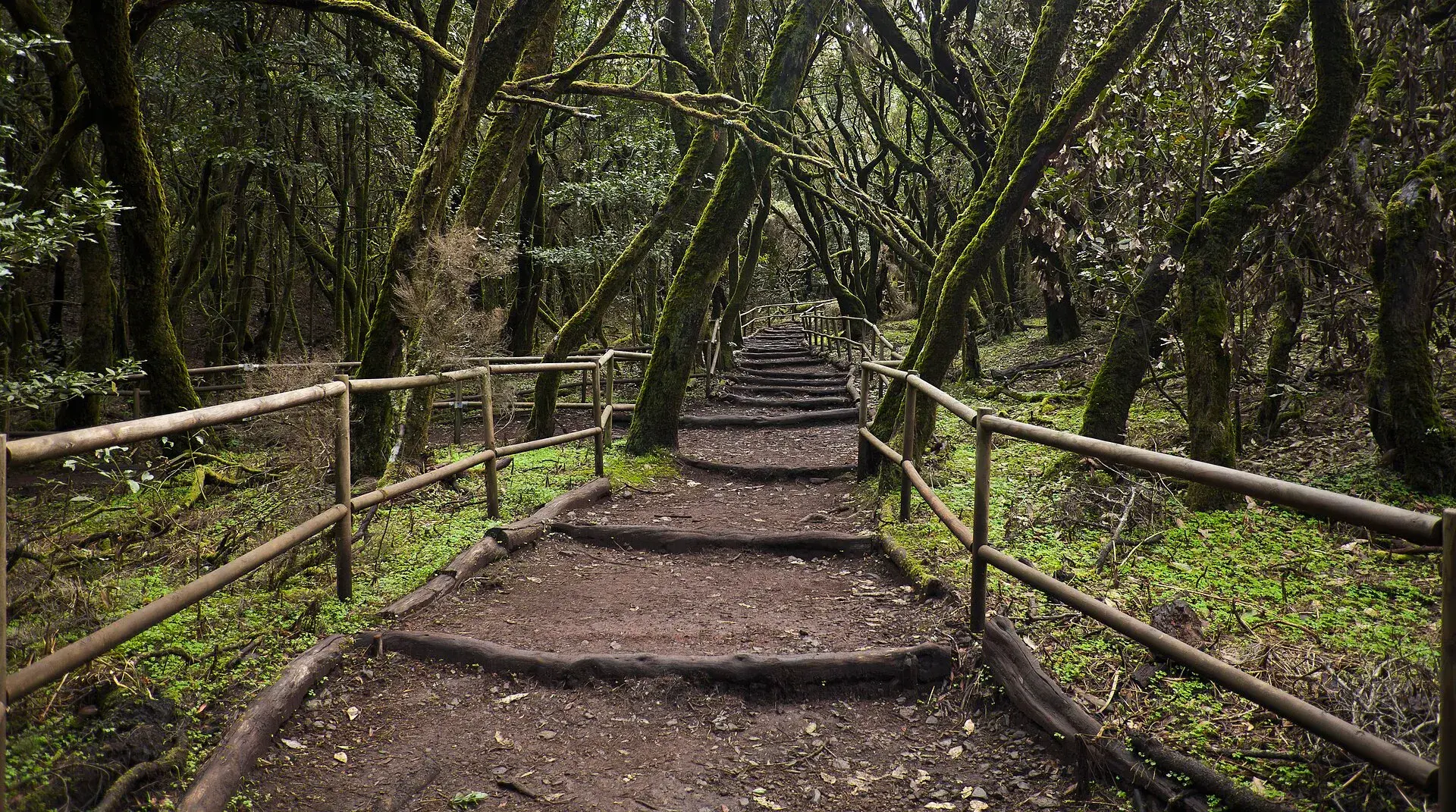
La Gomera day trip from Tenerife: ferry, route and timings
La Gomera day trip from Tenerife: ferries from Los Cristianos, car or tour, a route through Garajonay, Hermigua and Agulo, and how not to miss the last boat.
 Featured
Loro Parque or Siam Park: which to choose, prices and Twin Ticket
Loro Parque or Siam Park: differences, prices and Twin Ticket in 2026, opening hours, free buses, minimum heights, food, queues and who each park suits best.