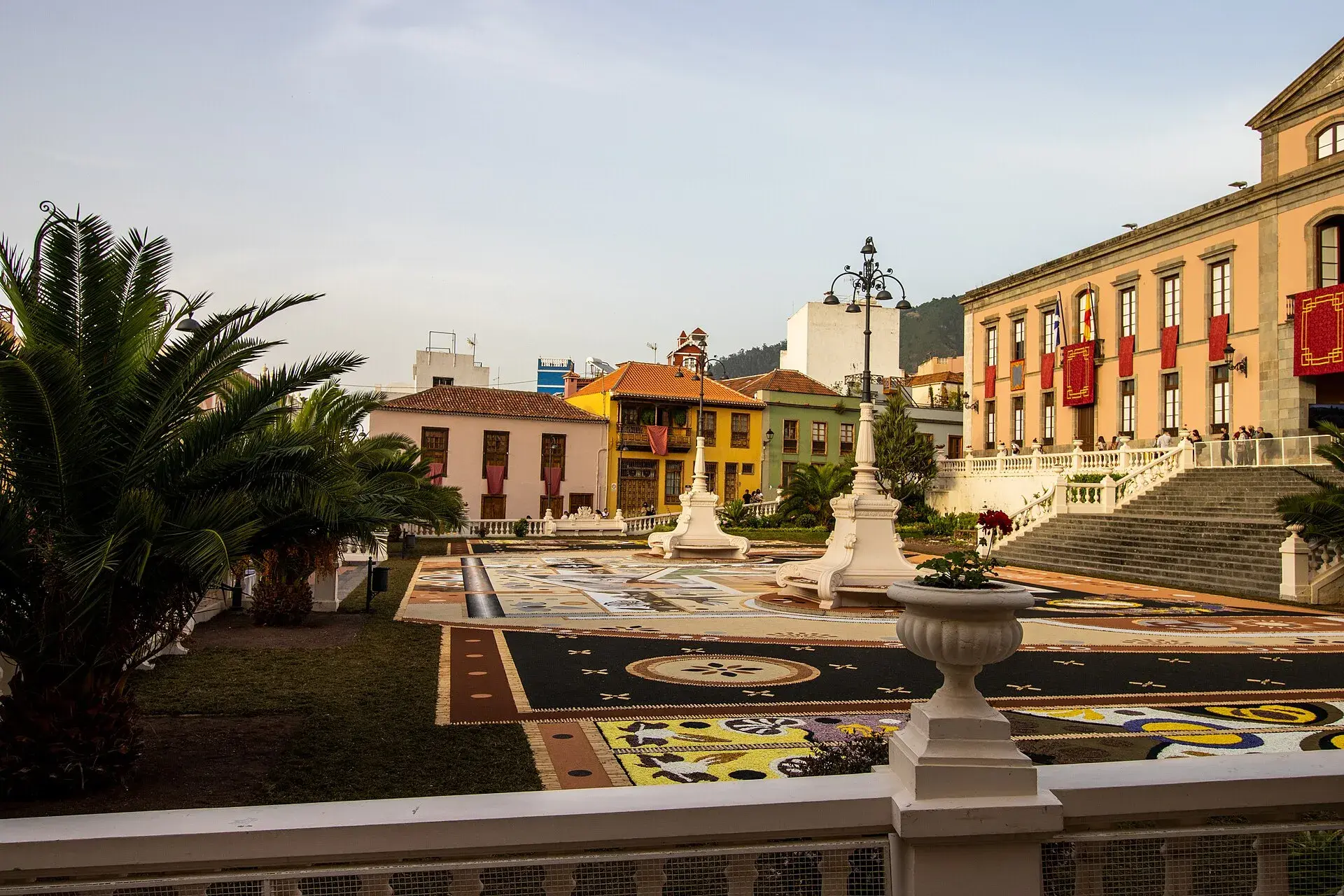
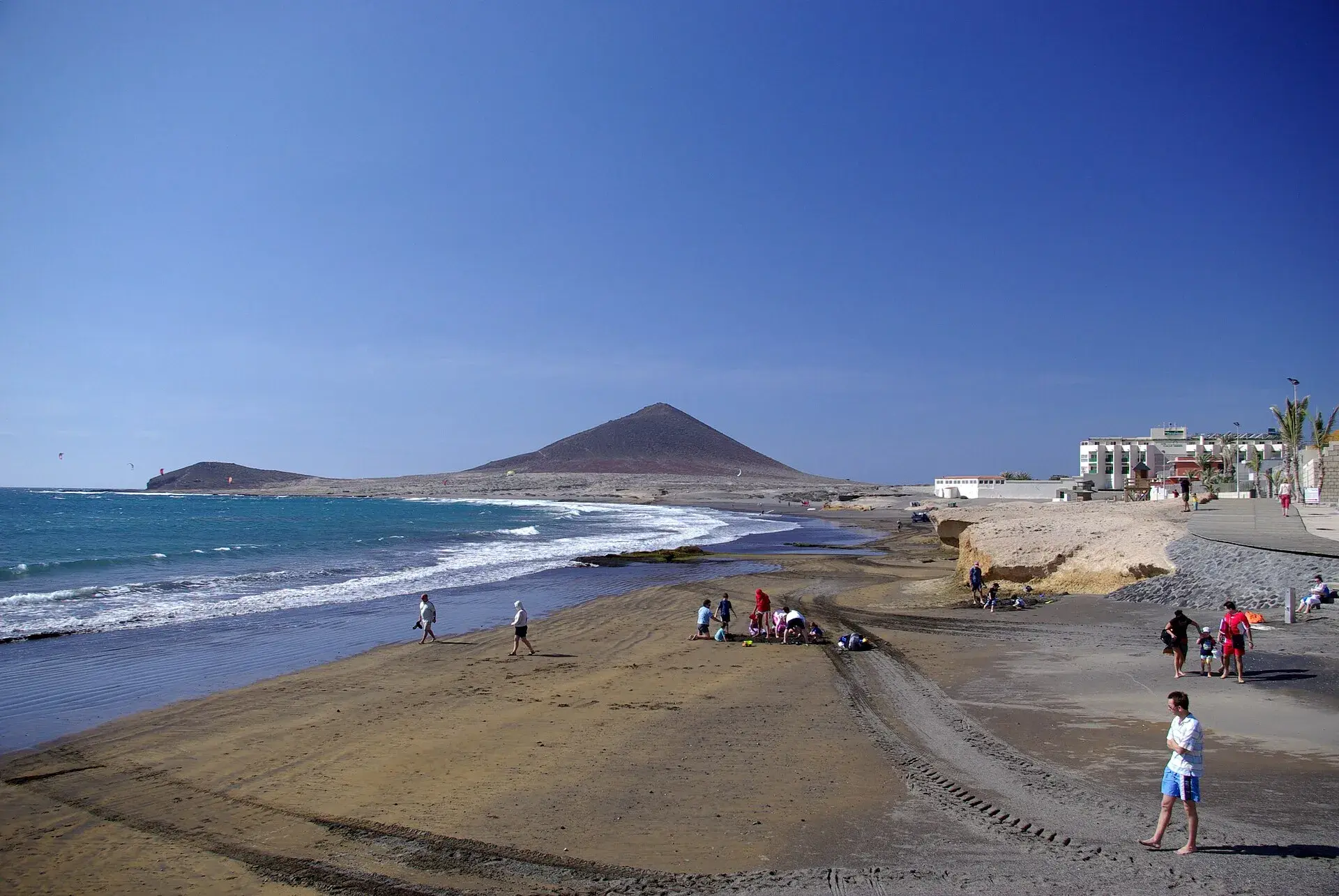
Photo by Photograph by Mike Peel ( www.mikepeel.net )., CC BY-SA 4.0, via Wikimedia Commons
Tenerife festivals calendar: local fiestas month by month
Tenerife's local fiestas follow a fairly fixed calendar: Reyes (the Three Kings) on 5 January, the Virgen de Candelaria on 2 February and 15 August, the Santa Cruz Carnival in February or March, the Corpus in La Orotava between late May and June, San Juan on 23 June, the summer romerías, the Cristo de La Laguna in September and San Andrés at the end of November. This calendar lists, month by month, the usual date of each fiesta, the municipality, what it involves and who it is worth it for. The exact dates for each year are published in the events agenda.
How to use this calendar
- Usual date, not this year's date. The rule is given ("2 February", "the second Sunday in July"). Many fiestas move the romería or the street events to the nearest weekend, even if the mass stays on the saint's day.
- Movable fiestas. Carnival, Holy Week and Corpus depend on the date of Easter and change week every year.
- Late programmes. Town councils publish the programme only a few weeks ahead. If your trip depends on a fiesta, confirm the date on the municipal website before booking.
- What a romería is. A parade through the streets with the patron saint, carretas (decorated carts, sometimes pulled by oxen), folk groups and people dressed as magos, as the traditional Canarian country costume is called. Food and wine are handed out from the carts. A baile de magos is a verbena (open-air dance) in that same costume.
Regional and island public holidays
- Canary Islands holidays that repeat every year: 1 January, 6 January, Maundy Thursday and Good Friday, 1 May, 30 May (Canary Islands Day), 15 August, 12 October, 1 November, 6 and 8 December and 25 December.
- Tenerife island holiday: 2 February, feast of the Virgen de Candelaria, patron saint of the Canary Islands. It is a holiday on this island only.
- Local holidays: each municipality sets two days, almost always linked to its patron saint. Adeje, for example, has 20 January (San Sebastián) and 11 October (Santa Úrsula) in 2027.
- Moved holidays. When a holiday falls on a Sunday, the Canary Islands Government can move it to the Monday: in 2027, 15 August moves to Monday 16. Canary Islands Day 2027 falls on a Sunday and is not moved.
On public holidays shops in the towns close, the guaguas (buses) run a Sunday timetable and many museums close. The Cabildo (island government) museums also close on Carnival Tuesday.
January
Reyes parades (5 January)
Every municipality holds its Three Kings parade on the evening of the 5th. In Santa Cruz the Kings first arrive at the Heliodoro Rodríguez López stadium and from there parade through the centre. Who it suits: families with children; arrive early and avoid the car.
San Sebastián in Adeje (20 January)
In La Caleta de Adeje, riders and herders take horses, goats and other animals to bathe in the sea after the mass and procession, and the animals are blessed at the end. The mass is on the 20th; in some years the bathing has moved to the following Sunday. Who it suits: anyone staying in the south who wants to see a rural tradition away from the resorts.
Carnival warm-up
The galas and contests of murgas (satirical singing groups) and comparsas (dance troupes) of the Santa Cruz Carnival start weeks before the street carnival; in 2027 the opening gala is on 22 January.
February
Virgen de Candelaria (2 February)
Island holiday. In Candelaria, the procession of the Candelas sets off on the night before, and on the 2nd there is a solemn mass in the basilica with officials and a procession. Who it suits: anyone who wants to see the basilica on a feast day without the August crowds.
Santa Cruz Carnival (February or early March)
A Festival of International Tourist Interest and the biggest event of the year: contests of murgas, comparsas and rondallas (string bands), the election of the queen, the coso (grand parade) and several nights of fancy-dress partying in the street. In 2027 the street carnival runs from 19 to 28 February, with Carnival Tuesday, a local holiday, on the 23rd. Who it suits: adults looking for nightlife; children enjoy the Daytime Carnival and the parades. Hotels in Santa Cruz and La Laguna sell out months ahead.
March
Carnivals in Puerto de la Cruz and Los Cristianos
In Puerto de la Cruz, the best-known event is the Mascarita Ponte Tacón, a fancy-dress race in high heels that ends in the Plaza del Charco. In the south, the International Carnival of Los Cristianos (Arona) comes weeks after the Santa Cruz one; in 2026 it ran from 5 to 16 March, with the coso on the Sunday and the Burial of the Sardine as the finale. Who it suits: anyone who misses the capital's dates or is staying in the south.
Holy Week (March or April)
Depending on the year it falls in March or April; in 2027 it runs from 21 March, Palm Sunday, to the 28th, Easter Sunday. Details under April.
April
Holy Week in La Laguna and the Passion in Adeje
La Laguna has the most traditional Holy Week on the island, with its brotherhoods' processions through the historic centre. The most emblematic is the one in the early hours of Good Friday, which leaves from the Cristo sanctuary. You get there by tram from Santa Cruz; the La Laguna guide explains the old town. In Adeje, around midday on Good Friday some 300 residents stage the Passion in the open air on Calle Grande. Who it suits: the Adeje Passion if you are staying in the south; La Laguna if you want traditional processions.
Santo Hermano Pedro (24 April)
Vilaflor, birthplace of the first Canarian saint, celebrates his feast; the pilgrimage to his cave takes place in Granadilla de Abona. Who it suits: anyone touring the upper south that day.
Romería de San Marcos in Tegueste (late April)
One of the most colourful romerías on the island, with carts worked on for months. It is held on a Sunday close to 25 April, and the next day the carts are displayed on the Día del Carretero (Carters' Day). Who it suits: anyone who wants to see a big romería before summer; Tegueste is 15 minutes from La Laguna.
May
Fiestas de la Cruz (3 May)
Santa Cruz celebrates its founding festivities in May, with crosses decorated with flowers in neighbourhoods and squares. On the eve, 2 May, the Baile de Magos fills the area around the Plaza de la Concepción with tables, food and traditional music; in 2026 it drew more than 15,000 people, and tables are booked in advance. In Los Realejos, the night of the Cruz is celebrated with a large fireworks display between Calle del Medio and Calle del Sol. Who it suits: anyone who wants to experience Canarian folklore in a local atmosphere.
Canary Islands Day (30 May)
Regional holiday, with official events, local produce markets and traditional music and dancing in many municipalities. Who it suits: a good day to try Canarian food in the squares.
June
Corpus Christi in La Orotava: carpets and tapestry
The most striking tradition on the island. The streets of the old town are covered with flower carpets, and in the Plaza del Ayuntamiento a large tapestry is made from coloured volcanic sands from the Teide. The festivities start in mid-May, and the main day is the Jueves de las Alfombras (Carpet Thursday), the one in the Corpus octave, a week after Corpus Thursday: depending on the liturgical calendar, between late May and late June. The carpets are ephemeral and the procession walks over them, so it is best to see them in the morning. Who it suits: any traveller; it is the fiesta most worth travelling to see.
Romería de San Isidro in La Orotava
It closes the festivities on the Sunday after Carpet Thursday, with carts, folk groups and thousands of people dressed as magos. Who it suits: anyone who wants to see one of the great romerías of the Canary Islands; parking in the old town that day is almost impossible.
Noche de San Juan (23 June) and the goat bathing (24 June)
On the night of the 23rd there are bonfires and parties on beaches and squares along the coast. In Puerto de la Cruz, on the morning of the 24th the goatherds of the area bathe their goats in the sea at the fishing pier, a custom linked to ancient Aboriginal rituals for purifying livestock. Who it suits: anyone staying in the north; it is short, free and pairs well with a walk around the old town.
July
Romería de San Benito Abad in La Laguna (second Sunday in July)
The Romería Regional de San Benito tours La Laguna with dozens of carts and folk groups from across the archipelago and draws more than 20,000 people. It sets off in the morning from the church of San Benito. Who it suits: the benchmark romería of the summer; go by tram.
Virgen del Carmen (around 16 July)
Patron saint of seafarers, celebrated with processions at sea. In Puerto de la Cruz it is the central event of the July festivities: in mid-month the Virgin is taken on board and sails along the coast accompanied by boats, with the pier packed with spectators; details in the Puerto de la Cruz guide. Other coastal towns move their procession to a later weekend: in Santa Cruz, the one in the San Andrés neighbourhood is usually at the end of July. Who it suits: anyone looking for a seafaring fiesta; book accommodation in Puerto de la Cruz well ahead.
Fiestas Lustrales in Garachico (every five years)
In years ending in 0 and 5, Garachico holds its Fiestas Lustrales, which culminate on 31 July and 1 August. The next edition is in 2030.
August
Virgen de Candelaria (14 and 15 August)
The biggest fiesta on the island. On the night of the 14th, thousands of pilgrims arrive in Candelaria on foot from all over the island; in the square in front of the basilica the Ceremonia Guanche is staged, recreating the finding of the image by the Aboriginal people before the conquest, and the basilica stays open all night. On the 15th, a holiday, there is a solemn mass and procession. Around 100,000 people are estimated to attend over those two days. Who it suits: anyone who wants to understand Canarian devotion; if you drive, expect road closures and distant parking.
Romería de San Roque in Garachico (16 August)
Garachico's main day, with a pilgrims' mass, a sea crossing and a romería through the old town with carts and offerings. The Garachico guide explains where to park and how to get there by bus. Who it suits: anyone touring the north-west in August; arrive early.
Other late-August romerías
Vilaflor celebrates San Roque and San Agustín in the second half of the month, and Arafo its romería of San Agustín: smaller fiestas with a village atmosphere.
September
Bajada de la Virgen del Socorro in Güímar (7 September)
Considered the oldest romería in the Canary Islands and a Festival of Regional Tourist Interest. At dawn, the Virgin leaves the church of San Pedro in Güímar and is carried on foot down to the hermitage of El Socorro, by the sea, with thousands of pilgrims. In the afternoon the Ceremonia de los Guanches is staged, and on the 8th the image returns to Güímar. Who it suits: early-rising walkers; bring water and sun protection.
Fiestas del Cristo de La Laguna (14 September)
They take up much of September, with religious events, folklore and concerts. The main day is the 14th, with the main procession; on the night of the 13th the eve's fireworks are set off. Who it suits: anyone in La Laguna in mid-month; arrive by tram.
Virgen del Carmen in Los Cristianos (early September)
Procession to the beach, mass and the Virgin taken by boat along the coast towards Palm-Mar, with fireworks over the bay. Who it suits: anyone staying in the south; it is the seafaring fiesta closest to the hotels.
October
A quiet month. Adeje holds its patron saint festivities in honour of Santa Úrsula, and some village romerías stretch into this month; the agenda lists each year's dates.
November
San Andrés: boards, pots and new wine (29 and 30 November)
San Andrés marks the opening of the wineries and the tasting of the new wine with roast chestnuts:
- Icod de los Vinos: the Fiesta de las Tablas, in which locals and visitors slide down the extremely steep Calle de El Plano on wooden boards, with the wineries open.
- Puerto de la Cruz: on the eve, the 29th, people drag tins and pots tied together with wire to make as much noise as possible, meeting in the Plaza del Charco.
Who it suits: anyone looking for an authentic fiesta outside high season. To round off the day, see the guide to wineries you can visit.
December
Christmas and New Year's Eve
Municipalities switch on their lights between late November and early December and set up nativity scenes, markets and concerts. La Laguna organises a nativity scene trail through neighbourhoods and parishes, and Santa Cruz concentrates its markets in the Plaza de España and the Alameda. On New Year's Eve, the Plaza de La Candelaria in Santa Cruz and the Plaza del Charco in Puerto de la Cruz host free parties with live bands. Who it suits: families and anyone looking for a mild winter; each year's programme comes out in November.
Tips for going to a fiesta in Tenerife
- Public transport. During romerías and big fiestas the old towns are closed to traffic. TITSA adds services on the main fiestas and the tram runs longer hours on nights such as Carnival and New Year's Eve; getting around Tenerife sums up the options.
- Book accommodation. Carnival in Santa Cruz, Corpus in La Orotava, the Carmen in Puerto de la Cruz and 14 and 15 August in Candelaria fill nearby accommodation.
- Dressing as a mago is not compulsory. Many people wear the traditional costume, but visitors can go in ordinary clothes.
- Ventorrillos. The fiesta food and drink stalls serve carne fiesta (marinated pork) and local wine at low prices.
- Respect the carpets. At Corpus you do not step on them: follow the organisers' directions to cross the streets.
Frequently asked questions
What is the most important fiesta in Tenerife?
By size, the Santa Cruz Carnival, a Festival of International Tourist Interest. By devotion, the Virgen de Candelaria, on 2 February and, above all, on 14 and 15 August. By beauty, the Corpus carpets in La Orotava.
Which day is a holiday only in Tenerife?
2 February, feast of the Virgen de Candelaria. On top of that come each municipality's two local holidays, which vary from town to town.
When are the romerías in Tenerife?
Between April and September, mostly in June, July and August. The best known are San Marcos in Tegueste, San Isidro in La Orotava, San Benito in La Laguna, San Roque in Garachico and the Bajada del Socorro in Güímar.
Can you go to a romería if you are not local?
Yes. They are open, free fiestas. Food and wine are offered from the carts: accept in moderation and do not get in the way of the parade.
When are the La Orotava carpets?
On Carpet Thursday, a week after Corpus Thursday, between late May and late June depending on the year. The San Isidro romería is on the following Sunday.
Keep planning
You may also like
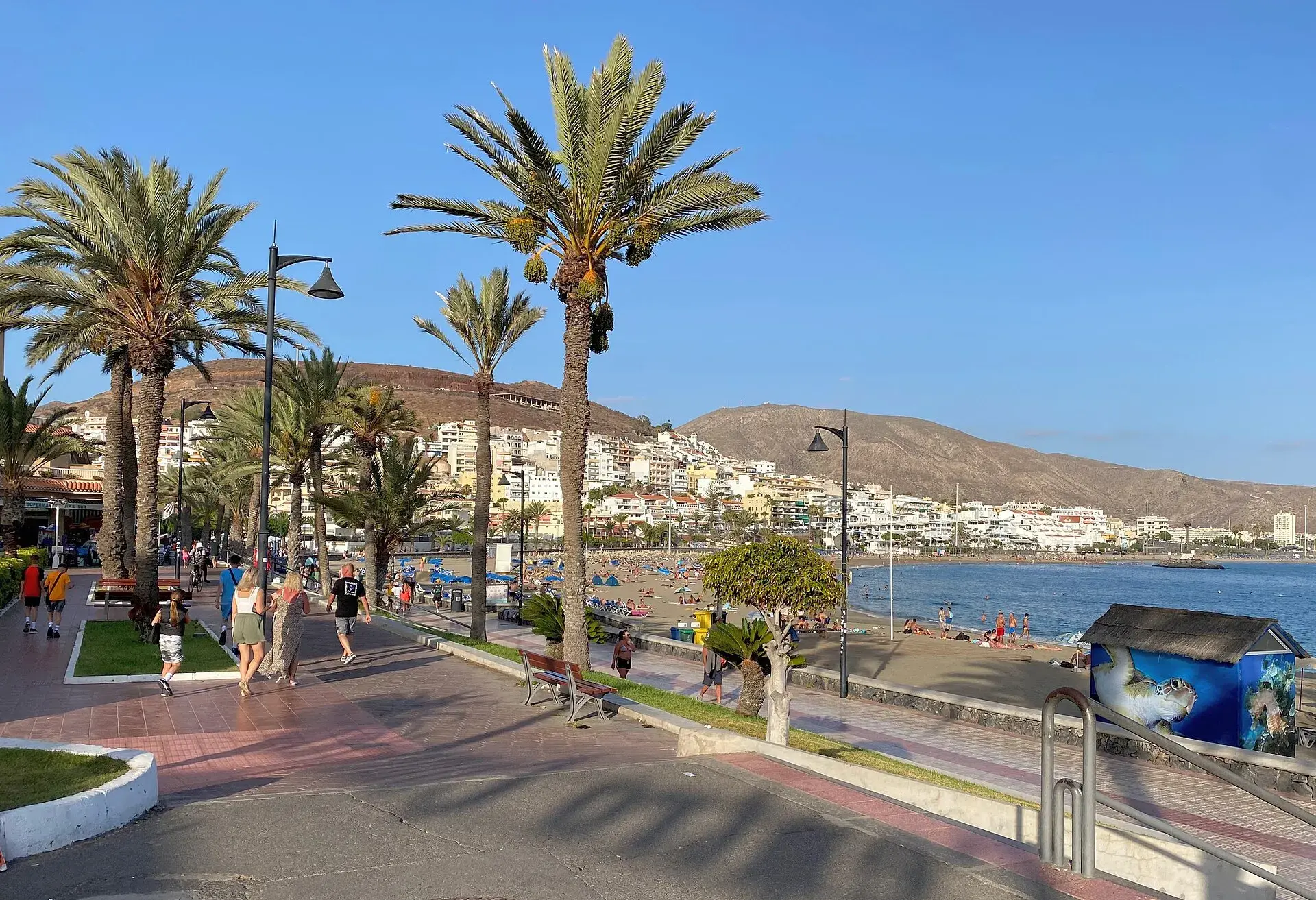
Accessible Tenerife: beaches, transport and step-free visits
Accessible Tenerife: beaches with assisted bathing and amphibious chairs, airport assistance, buses, tram and eurotaxi, and which visits work in a wheelchair.
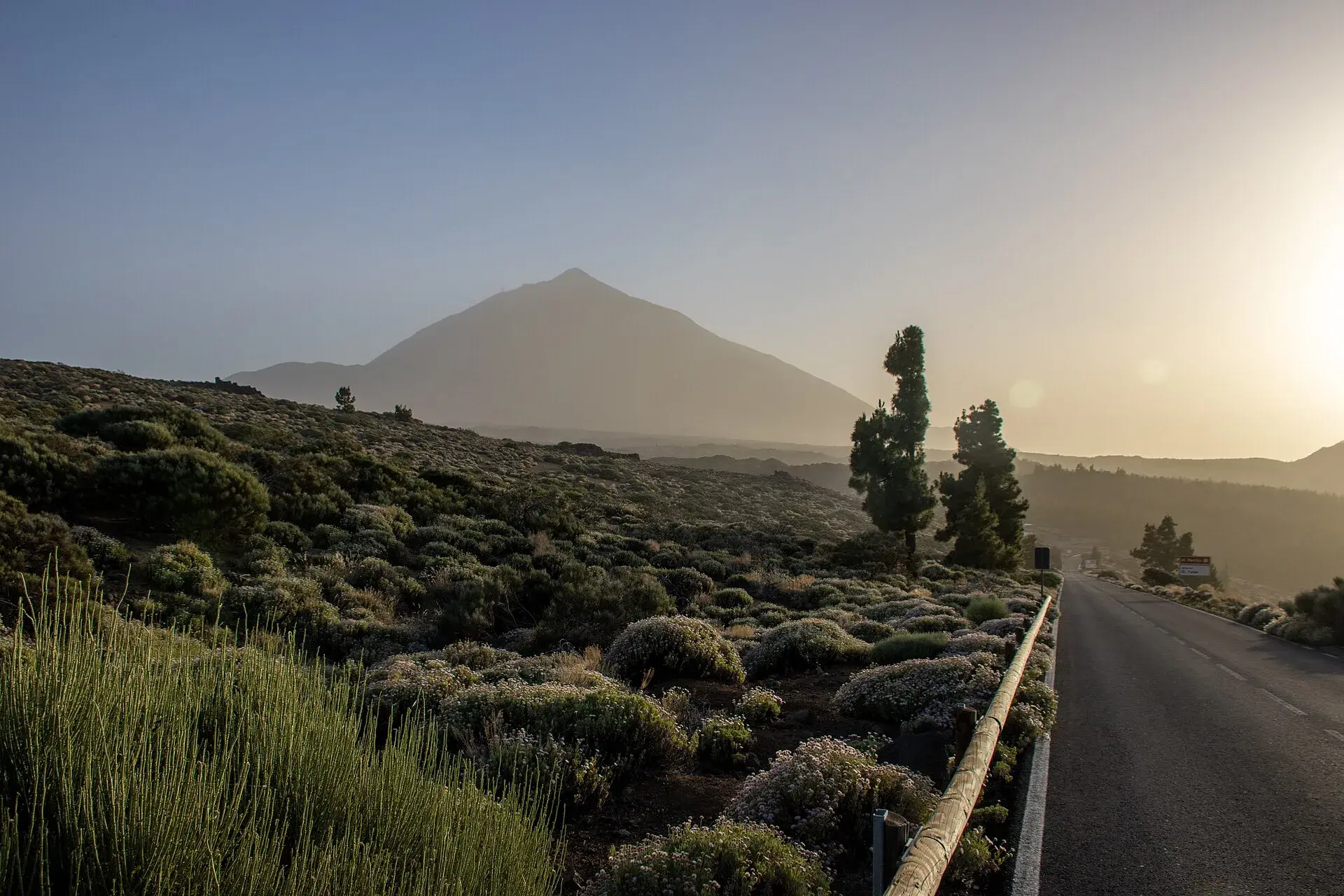
Calima in Tenerife: what it is, when it comes, how it affects you
Calima in Tenerife: what Saharan dust is, which months it tends to arrive, how it affects health and flights, where to check warnings and what to do that day.
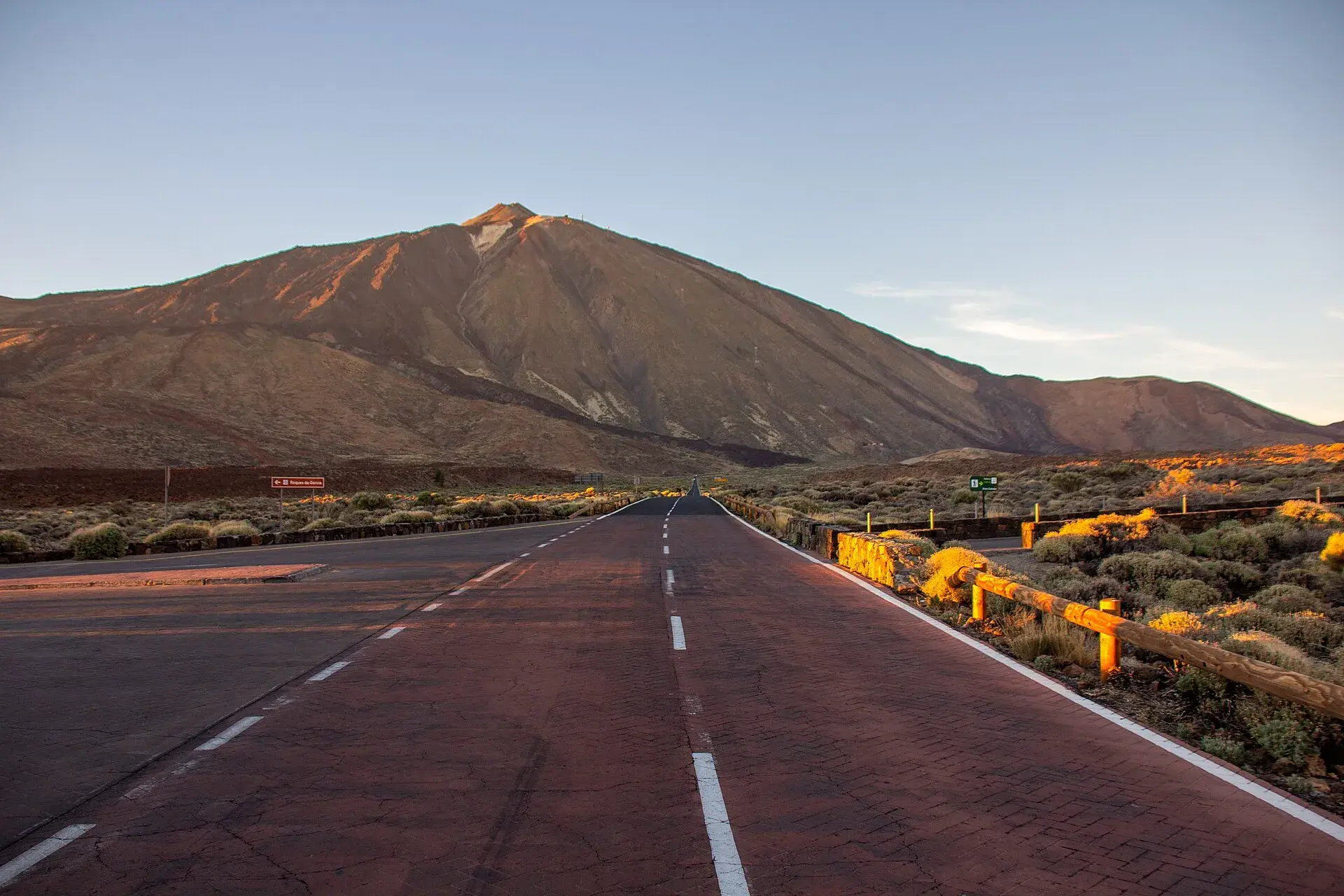
Car hire in Tenerife: insurance, deposit and useful tips
Car hire in Tenerife without surprises: when it pays off, insurance and excess, deposit, fuel, child seats, Masca, Teide and what to check at pick-up.
Digital nomads in Tenerife: visa, areas, housing and internet
Digital nomads in Tenerife: the remote work visa and 2026 requirements, EU citizen registration, the best areas to live, renting, healthcare and internet.