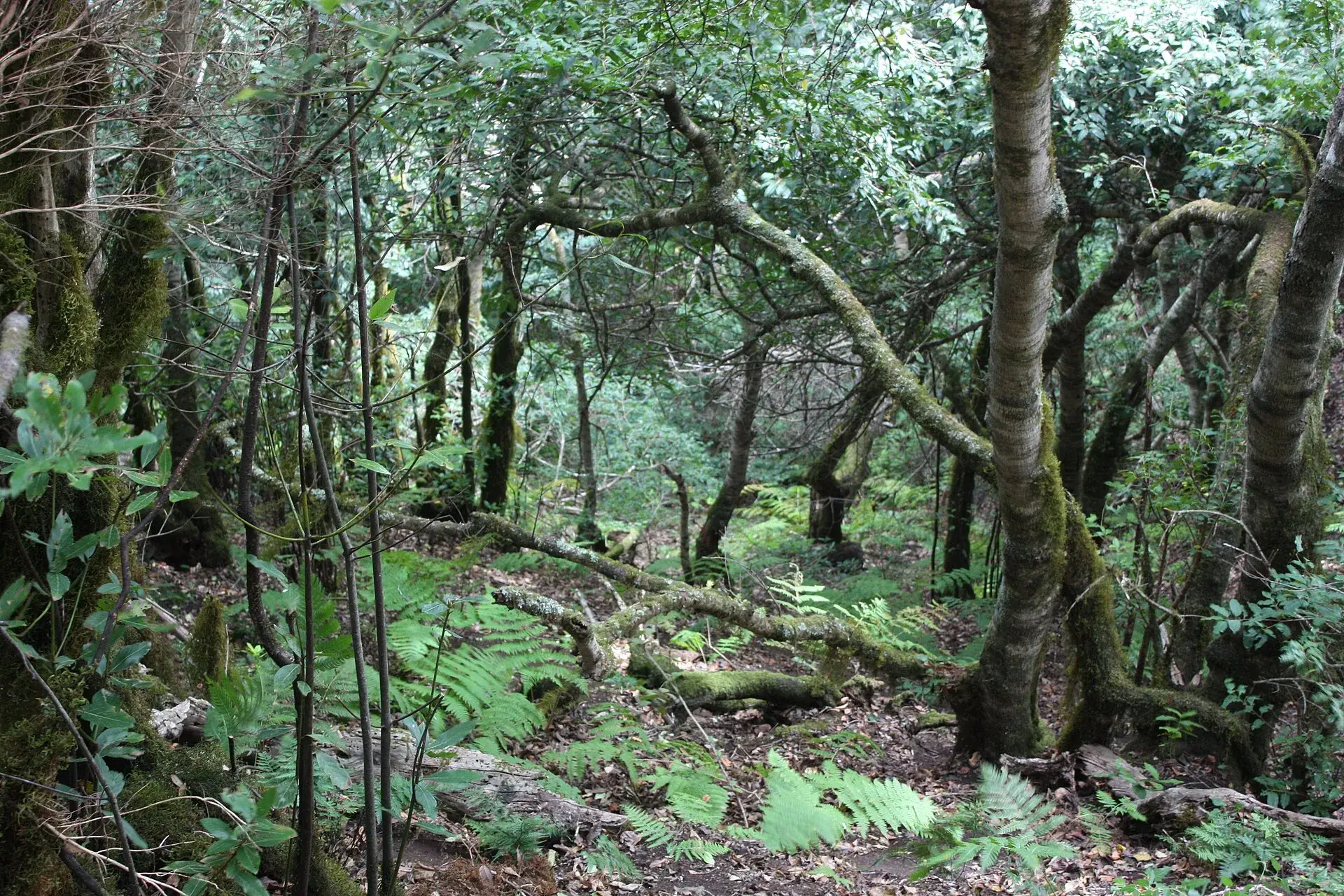
Photo by Perlaroques, CC BY-SA 4.0, via Wikimedia Commons
Tenerife protected areas rules: trail quotas and drones
Almost half of Tenerife is protected natural area: 43 sites in the Canary Islands Network of Protected Natural Areas, together covering around 48 % of the island. The vast majority can be visited freely by road and on their waymarked trails, but a few places require advance booking with a quota (the summit of Teide and other trails in the national park, the Masca gorge and El Pijaral, in Anaga), fire is banned in the hills as soon as there is a wildfire alert, camping is only allowed in the areas designated by the Cabildo (the island government) and drones cannot be flown for recreation in Teide National Park. This guide brings together the rules that affect visitors, with the information in force as of October 2026, so you get no surprises at a checkpoint.
What is protected in Tenerife
The Canary Islands network of protected areas places each site in a category, and that determines what is allowed. In Tenerife, the ones a visitor is most likely to set foot in are:
- Teide National Park: Las Cañadas and the peak, a World Heritage Site. It is the most regulated area and the only one with an access fee on some trails.
- Corona Forestal Natural Park: the great pine forest surrounding the national park, from Vilaflor to La Orotava. It includes the Paisaje Lunar and much of the high mountains.
- Anaga and Teno rural parks: ancient massifs with inhabited hamlets, laurel forest and cliffs. Anaga has also been a Biosphere Reserve since 2015.
- Integral nature reserves: Ijuana, El Pijaral and the Roques de Anaga, in Anaga, and Pinoleris, in La Orotava. This is the highest level of protection: in general there is no entry, and in El Pijaral only with authorisation along a specific trail.
- Special nature reserves: for example the Malpaís de Güímar, Montaña Roja in El Médano or the Barranco del Infierno in Adeje, with free trails or, in the last case, paid entry with booking.
- Natural monuments, protected landscapes and sites of scientific interest: such as Montaña de Guaza, in Arona, or the Las Lagunetas protected landscape, on the central ridge. You can walk them freely along the paths.
To get to know each park in depth, see the Teide National Park guide and the Anaga Rural Park guide.
Trails with advance booking and quotas
Tenerife ON, the Cabildo's platform, handles trail bookings and closure information. Request authorisations in the name of everyone in the group and always carry your ID: it is checked at checkpoints.
Teide National Park
- Trail 10, Telesforo Bravo (La Rambleta–summit): booking by time slot and a fee for non-residents of Tenerife since 19 January 2026 (€15 if you live outside the Canary Islands, €6 if you live on another island). The step-by-step process is in the permit to climb Teide peak.
- Trail 7, Montaña Blanca–La Rambleta: also requires booking and a fee between 9:00 and 18:00 for non-residents of Tenerife.
- Trails 9 (Teide–Pico Viejo–Mirador de Las Narices), 23 (Los Regatones Negros) and 28 (Chafarí): a Cabildo resolution of October 2026 makes them subject to free booking with a combined quota of 225 places a day, and sets compulsory equipment (long trousers, warm clothing, boots, water, hat, gloves, thermal blanket, charged mobile phone and head torch). As of October 2026 there is no confirmed date for it to take effect: check each trail's page on Tenerife ON before you go.
- Other trails in the park: free, no booking, including the Roques de García.
Entering a trail that requires booking without authorisation can be punished with fines of up to €600, and staff can refuse entry to anyone without the required equipment even if they have a booking.
Masca gorge
The descent of the gorge is regulated: you book on the official Camino Barranco de Masca website, priced from €40.66 for non-residents (IGIC, the Canary Islands sales tax, included), with the exit boat from the beach paid separately. You must report to the Visitor Centre 30 minutes before your time slot. You can only go down, not up. In addition, during wildfire-risk alerts the Cabildo controls vehicle access to the TF-436. All the details are in the guide to the Masca gorge.
El Pijaral, in Anaga
The El Pijaral Integral Nature Reserve, known as the Enchanted Forest, can only be walked on the circular trail from La Ensillada and with free authorisation from the Cabildo, processed through Tenerife ON: 45 people a day, a maximum of five per application, bookings 14 days in advance that are released on Mondays at 7:00, private individuals only and only in daylight. The rest of Anaga's trails, including the classic Cruz del Carmen–Punta del Hidalgo, are free.
Other places with paid entry
The Barranco del Infierno (Adeje) is visited with a paid ticket and an assigned time on its operator's website, and the Cueva del Viento (Icod de los Vinos) with a guided tour bought in advance. These are not free trails: without a booking you cannot get in.
Drones: where you can fly
This is the rule that generates the most fines among visitors. There are two layers that add up: aviation rules, from the Spanish Aviation Safety Agency (AESA), and environmental rules, from the protected area.
What AESA requires everywhere
- Registration as an operator on the AESA website if the drone weighs 250 grams or more or carries a camera (except toys), with the number visible on the aircraft. Residents of another European Union country use their own country's registration.
- Training appropriate to the drone's category, a maximum height of 120 metres, always within sight and never over crowds of people.
- Geographical zones: check ENAIRE's official map before taking off. The surroundings of Tenerife South and Tenerife North airports are controlled airspace. In March 2026 the Guardia Civil intercepted two drones in El Médano, next to Tenerife South, for flying without authorisation or registration.
What protected areas add
- Teide National Park: recreational drone use is not allowed. Only justified professional flights are authorised, with express permission from the park in addition to the AESA procedures. Commercial filming also needs authorisation.
- Other protected areas and Biosphere Reserves: flying may be restricted or require authorisation from the managing body, especially in bird nesting areas and integral reserves. If you want to fly in Anaga, Teno or a natural monument, ask the Cabildo first.
- Wildfire risk: a drone once caused a small fire in Masca. During a wildfire alert, do not use one in wooded or scrub areas.
Camping, campfires and wildfire alerts
Camping
Wild camping is banned in the national park and, in practice, in all protected areas. You can camp in the Cabildo's camping areas, spread across the island's hills and forests, with prior authorisation requested from the Cabildo's booking centre or on Tenerife ON, on the dates and for the number of people and tents stated on it, up to a maximum of seven consecutive nights. To stay overnight during a multi-day trek you must request authorisation from the Cabildo in advance, stating the route and the camping points.
Fire and alerts
The Cabildo activates measures by level according to the Canary Islands Government's wildfire-risk alert:
- Level 1: it is forbidden to light fires outdoors in wooded and scrub areas, including barbecues and gas stoves, and to smoke in picnic areas, camping areas, forest tracks, trails and viewpoints. Picnic areas can still be used.
- Level 2: in addition, all picnic areas and camping areas close and driving on forest tracks is banned. There may be trail closures and access checkpoints, such as the one on the TF-436 towards Masca.
In 2026 there were level 1 measures from late June and level 2 in July across the whole island, and level 1 again in the south in September. Outside alerts, barbecues may only be lit in the designated grills of picnic areas. Before a summer hike, check the notices on Tenerife ON and from the Cabildo.
Plants, stones, dogs and rubbish
- Take nothing: in Teide National Park it is forbidden to collect stones, plants, animals or their remains, or to disturb archaeological objects. Apply the same rule in any protected area: obsidian, pumice or a tajinaste flower are not souvenirs.
- Mark nothing: painting or writing on rocks is forbidden in the national park.
- Do not leave the trail: on Teide it is forbidden to drive off open roads and tracks, and in most areas walking off the trails damages the vegetation. The Paisaje Lunar and the Roques de Anaga, for example, are fenced off or closed to access.
- Dogs: always keep them on a lead and pick up after them. Some places do not admit them, such as the Teide cable car, except assistance dogs; check each trail's page. Beaches that allow them, buses and accommodation are covered in travelling to Tenerife with a dog.
- Rubbish: there are no bins on most trails. Take all your rubbish with you, including fruit peel.
- Noise and wildlife: in the national park, loud radios or instruments are forbidden. Do not feed the lizards or the birds.
Fines: what you should know
Penalties depend on which rule is broken. The most common ones for visitors are entering a regulated Teide trail without authorisation (up to €600), flying a drone without complying with AESA rules (an aviation case separate from the environmental one) and lighting a fire during an alert. In 2016 a user was fined €600 for filming with a drone on Teide. Beyond the amount, on trails that require booking, failing to turn up without justification can mean being unable to book for a while.
Official resources before you set off
- Tenerife ON: trail bookings, route status and closures, camping areas and alert notices.
- Teide National Park website (Ministry for the Ecological Transition): visiting rules and pages for the numbered trails.
- Camino Barranco de Masca: booking and conditions for the descent.
- AESA and ENAIRE: drone operator registration and map of geographical zones.
- 112 Canarias: emergencies. If you get lost or injured on a trail, call 112 and give the name of the route.
To choose routes to suit your level, the guide to the best hikes in Tenerife shows on each route whether a permit is needed.
Frequently asked questions
Can you fly a drone on Teide?
Not for recreation. Teide National Park only authorises justified professional flights, with express permission from the park and in compliance with AESA rules as well. Outside the park, check the ENAIRE map and, if you are going to fly in another protected area, ask the Cabildo.
Which trails in Tenerife need booking?
As of October 2026: Teide trails 7 and 10, with a fee for non-residents; park trails 9, 23 and 28, with free booking once the October resolution takes effect; the Masca gorge, paid; and El Pijaral, in Anaga, free with a quota. The rest of the trail network is open access.
Can you wild camp in Tenerife?
Not in protected areas or in the national park. You can camp in the Cabildo's camping areas with prior authorisation, for up to seven consecutive nights, and during a multi-day trek with express authorisation. With a level 2 wildfire alert the camping areas close.
Can you have a barbecue in the hills?
Only at the designated grills in picnic areas and as long as there is no wildfire alert. Level 1 measures ban any outdoor fire in wooded and scrub areas, including gas stoves, and with level 2 the picnic areas close.
Can I take a stone from Teide as a souvenir?
No. It is forbidden to collect stones, plants or any natural element from the national park, and staff can report you.
Keep planning
You may also like
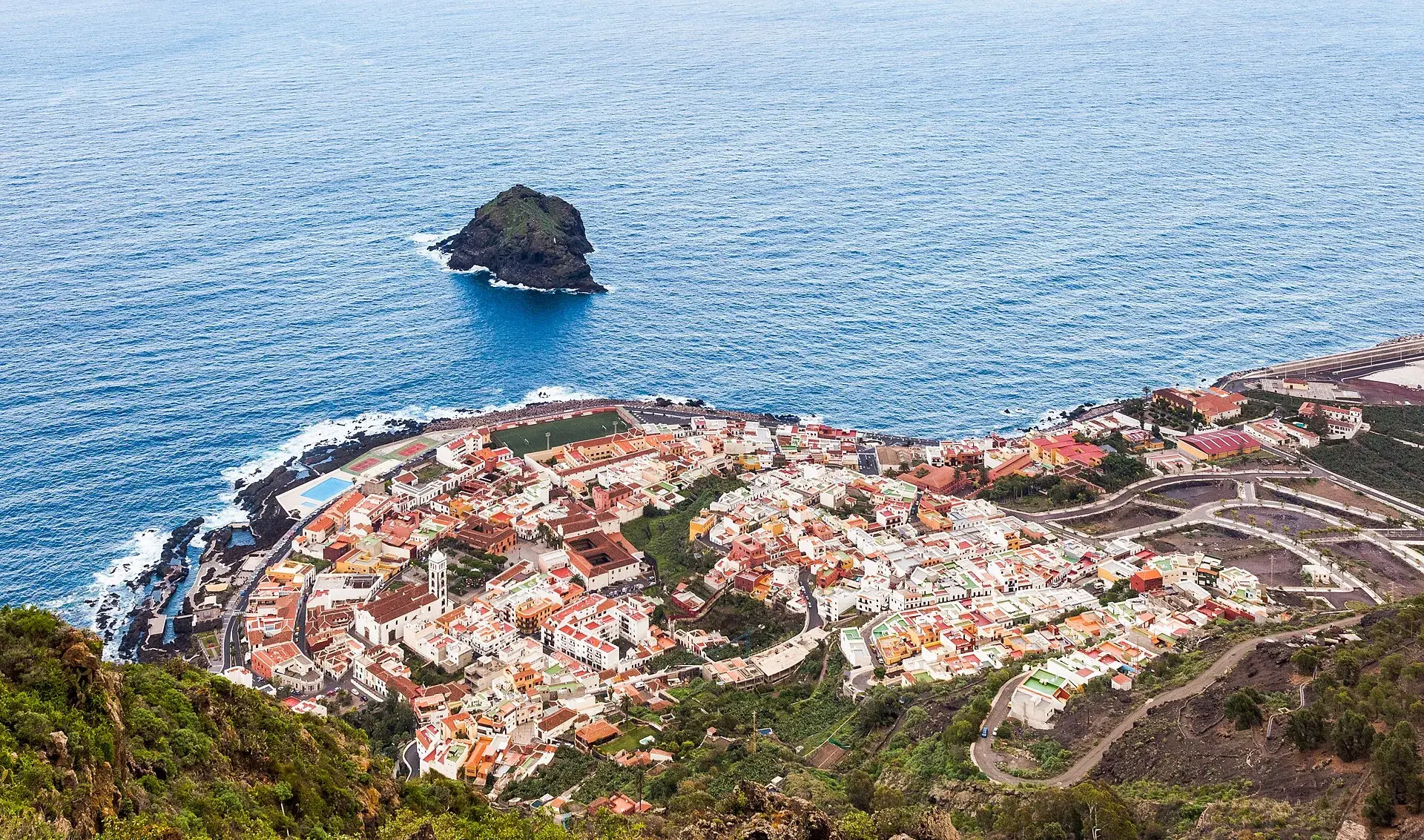
Garachico, Tenerife: old town, El Caletón and the Isla Baja
What to see in Garachico in half a day: the port buried by lava in 1706, the historic centre, El Caletón, the castle, San Roque, buses and where to park.
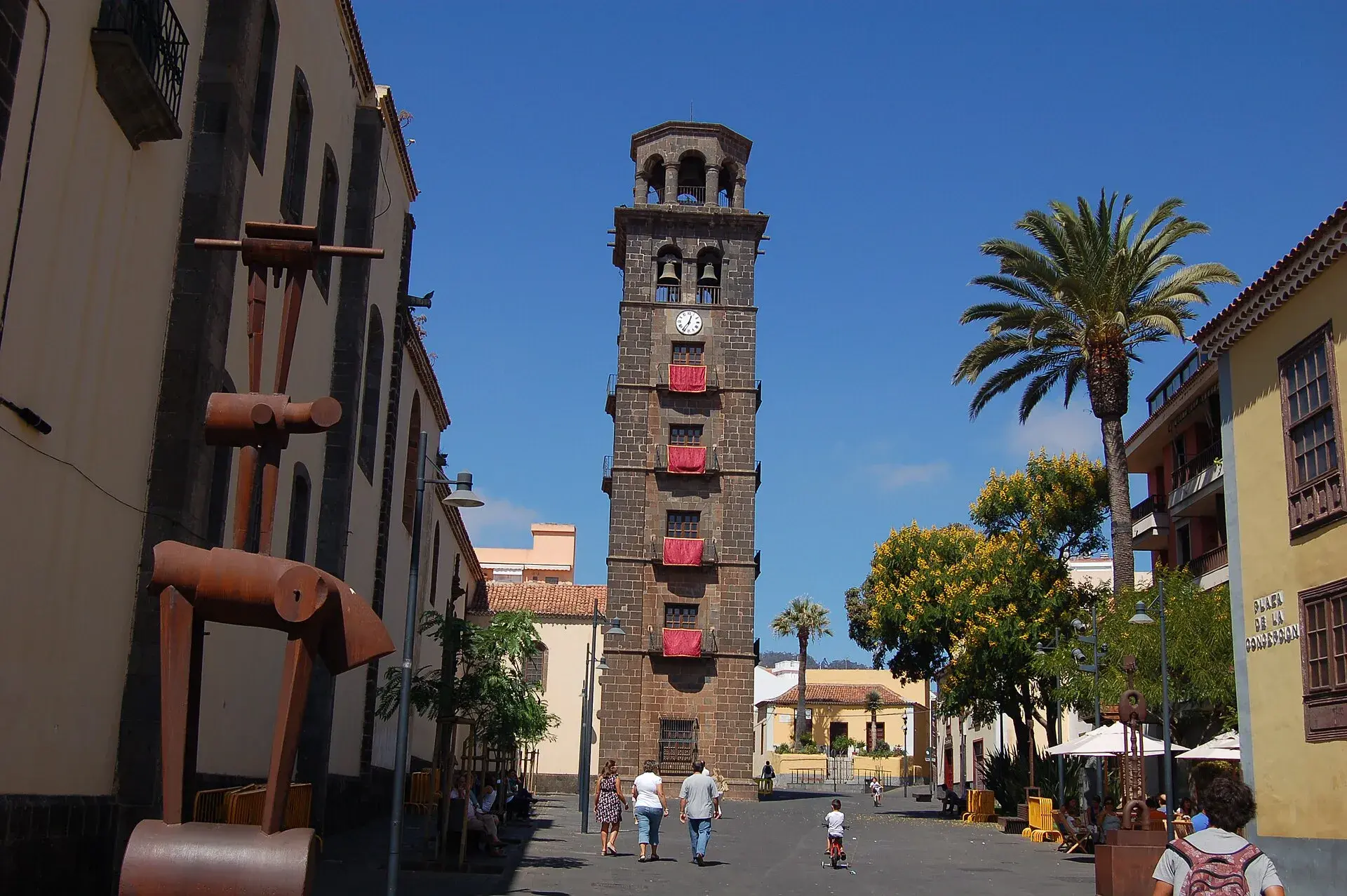
La Laguna, Tenerife: old town, museums and how to get there
What to see in La Laguna step by step: walking route through the World Heritage old town, cathedral, museums, tram, parking, festivals and a trip to Anaga.
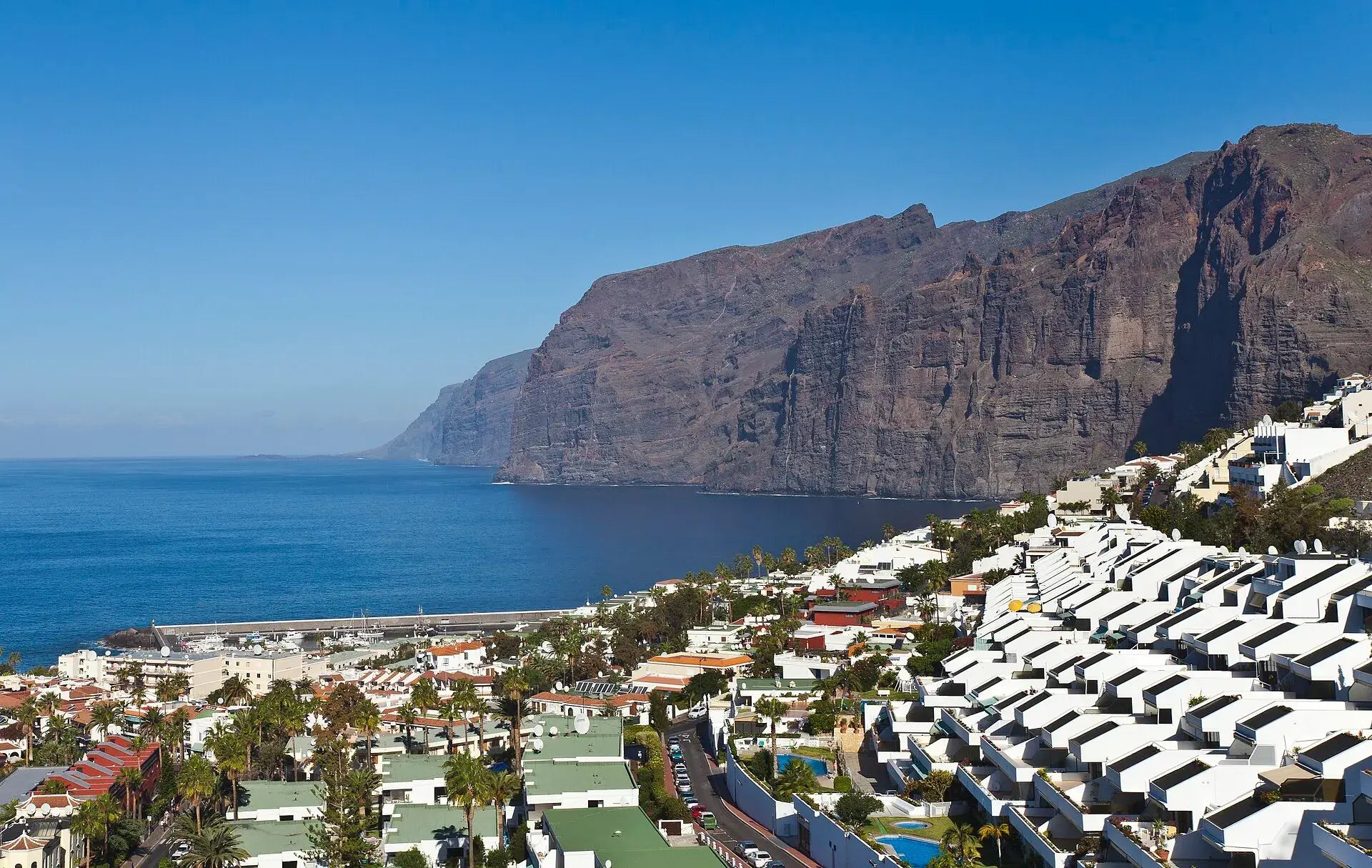
Los Gigantes Tenerife: cliffs, boat trips, beaches and access
Los Gigantes (Tenerife): cliffs up to 600 m, Archipenque viewpoint, boats from the marina, Los Guíos, rock pools, buses 473 and 477 and where to park.
Puerto de la Cruz: Lago Martiánez, old town and gardens
What to see in Puerto de la Cruz: Lago Martiánez, Playa Jardín, Plaza del Charco, La Ranilla, the Botanical Garden, Sitio Litre and Loro Parque, buses, parking.