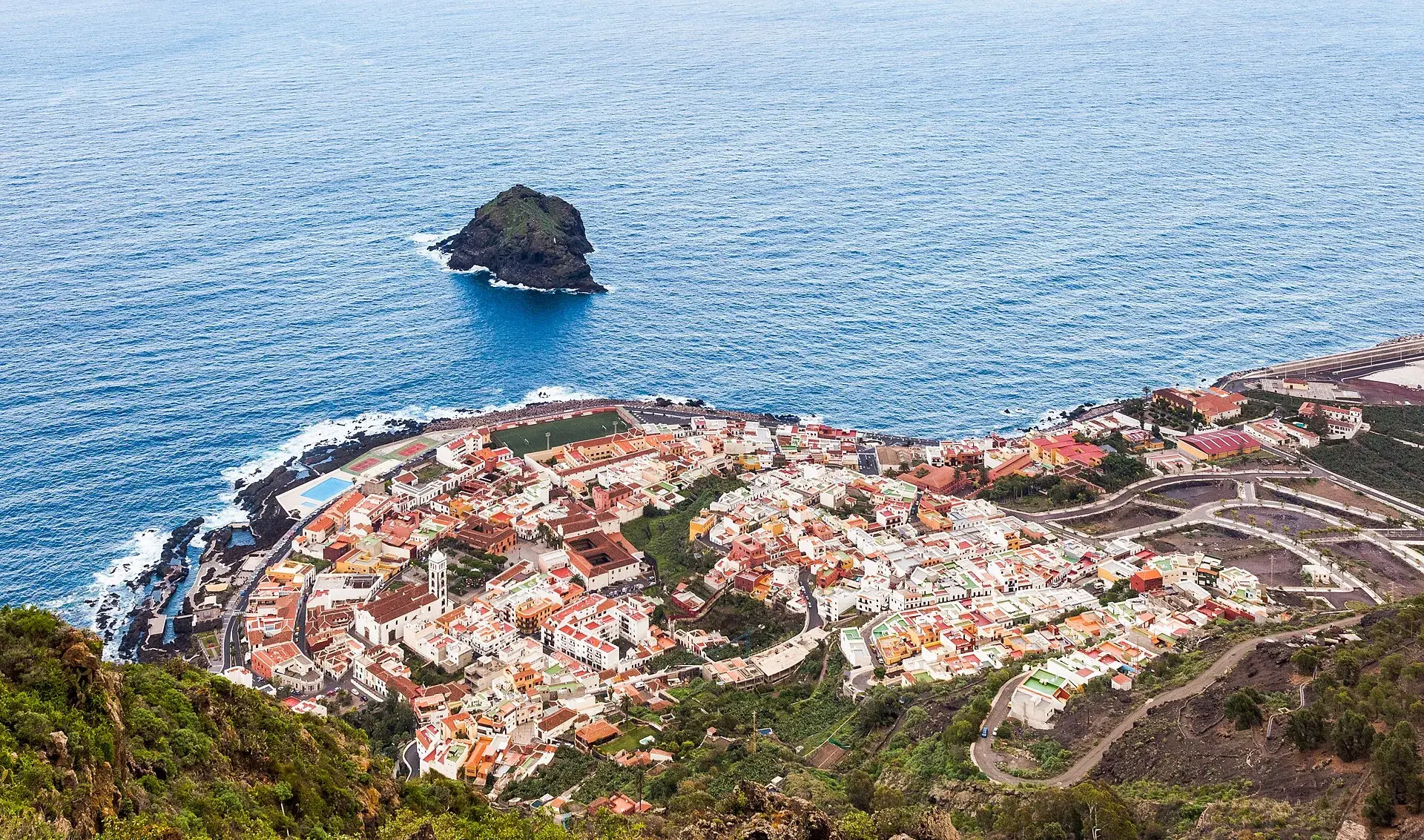
Photo by Diego Delso, CC BY-SA 3.0, via Wikimedia Commons
Garachico, Tenerife: old town, El Caletón and the Isla Baja
What to see in Garachico comes down to a two- or three-hour walk: the historic centre rebuilt on top of the 1706 lava, the Puerta de Tierra of the vanished port, plaza de la Libertad with the former Convento de San Francisco, the Iglesia de Santa Ana, the Castillo de San Miguel and, at its feet, El Caletón, the natural pools formed by the same lava flow that destroyed the village. Off the coast, the Roque de Garachico completes the postcard. If the sea is calm, add a swim and stay for lunch; if you want to see the whole village from above, drive up to the viewpoint on the road to El Tanque. Garachico is also the best base for exploring the Isla Baja (Los Silos, Buenavista del Norte and El Tanque) and the Teno massif.
Why Garachico is different: the port it lost in 1706
Founded at the end of the 15th century, Garachico was for two centuries Tenerife's main port: Malvasía wine and sugar left its bay for Europe, and trade with the Americas came in. On 5 May 1706, lava flows from the Trevejo volcano (also called Arenas Negras), which had opened on the ridge above the village, ran down the slope, buried much of the town and filled in the bay. The port was put out of action and the town's economy with it; trade moved to Puerto de la Cruz and Santa Cruz.
What you see today is the village rebuilt on top. That history can be read on every corner: streets that end in lava, a port gateway stranded far from the water and natural pools that are, quite literally, the lava flow that cooled as it reached the sea. The historic centre was declared a Bien de Interés Cultural (a protected heritage site) in the Historic Ensemble category in 1994 and holds the Gold Medal for Fine Arts, according to Canary Islands Tourism. The guide to the prettiest villages in Tenerife ranks it first; here is the detail there was no room for there.
Walking route through the historic centre
The centre is flat and small. A logical order, starting on the seafront avenue, where the car parks are:
1. Parque de la Puerta de Tierra
The Puerta de Tierra was the main entrance to the old port, through which goods passed. It was buried after the eruption and now stands, rescued, in a small landscaped park several hundred metres from today's shoreline: the best way to understand how far the coast advanced with the lava. The park has opening hours and is sometimes closed; if you find it that way, you can still see the gateway from outside.
2. Plaza de la Libertad and the Convento de San Francisco
The centre of the village. Around the tree-lined square with its kiosk stand the town hall, the house of the Marquis of La Quinta Roja and the former Franciscan convent, one of the few buildings that survived the lava. Today it is a cultural space hosting exhibitions; check opening times with the town council before counting on seeing inside. On Sunday mornings the farmers' market sets up in this square.
3. Iglesia de Santa Ana
The mother church, a step from the square, was rebuilt after 1706 following its original layout. Inside is the image of the Cristo de la Misericordia, a statue made of corn-stalk paste, a technique of Mexican origin. Respect service times if you go in.
4. Streets of the historic centre
Between the church and the sea, the cobbled streets are lined with 17th- and 18th-century mansions with wooden balconies, courtyards and carved stone doorways. There is no set signposted route: wander west towards the castle and you will see volcanic rock appearing between the houses.
5. Castillo de San Miguel
A 16th-century fortress by the sea, one of the few buildings the eruption spared. It has been a Bien de Interés Cultural since 1999 and houses a heritage information centre. From around it you can see the whole of El Caletón and the Roque.
6. El Caletón
At the foot of the castle, the 1706 lava flow forms a series of charcos (natural pools in volcanic rock) linked by walkways and steps. The next section explains when to swim.
7. Roque de Garachico
The islet off the village, about 300 metres long, is a Natural Monument and a refuge for seabirds such as Barolo's shearwater and Bulwer's petrel. Landing is not allowed: you admire it from the shore or from the sea. It is also a well-known diving spot, done only with authorised centres and in calm seas.
Time: two hours for the centre and the castle; half a day with a swim and lunch.
El Caletón: swimming, facilities and closures due to swell
It is the most complete natural pool in the north, with calm pools for families and openings to the open sea for swimming.
- Where: the seafront, next to the Castillo de San Miguel.
- Facilities: showers, toilets, sun terrace, children's area, a restaurant on the lava and an adjoining public swimming pool, according to Canary Islands Tourism. Adapted access.
- Lifeguards: summer only.
- When it is safe: at mid tide with moderate waves. With ground swell (long waves from distant storms, frequent from October to March) the sea washes over the lava and swimming is banned.
- Rules: do not use soap in the showers, do not take stones away and do not leave rubbish; pets are not allowed in the bathing area.
The most common mistake is trusting the sunshine: in winter you can have a glorious day and find El Caletón closed with a red flag. Check sea conditions before you set off and always respect the flag and the signs. If El Caletón is closed, the adjoining municipal pool or a stroll along the seafront avenue are the alternatives. The other rock pools on the north coast, with their conditions, are in natural pools in Tenerife.
The Garachico viewpoint
The view that appears in every photo is taken from the mirador de Garachico, on the TF-82, the road that climbs towards El Tanque: the village below, the 1706 lava flow reaching the sea and the Roque opposite. It has parking and a restaurant. Stop on the way up or down, ideally in the morning, with the light on the old town. Leaving the village along the coast, the mirador de El Guincho shows the cliff and the new harbour. More lookouts in the best viewpoints in Tenerife.
Festivals: the Romería de San Roque and other events
- Romería de San Roque (August): the main day of the patron saint festivities is 16 August. In 2026 it fell on a Sunday, with a pilgrims' mass in the morning, a sea crossing at midday and the romería (a festive pilgrimage) from plaza Ramón de Arocha at 13:00, according to RTVC. It is one of the busiest romerías in the north, with carts, traditional dress and offerings; on that day the village fills up and parking is very difficult. Arrive early or come by bus.
- Autumn and Christmas festivities: the town council schedules cultural events throughout the year; check its programme and the site's events calendar.
How to get to Garachico
By car
Garachico is on the TF-42, the coastal road between Icod de los Vinos and Buenavista del Norte. From Puerto de la Cruz, take the TF-5 to Icod and then the TF-42, in just under an hour. From the south, the most direct route is up through Santiago del Teide and down the TF-82 via El Tanque, passing the viewpoint; allow well over an hour from Costa Adeje, on winding roads.
Where to park
There are free and paid parking areas along the seafront avenue and at the entrance to the old town. On weekdays and before 11:00 there is usually no problem; at weekends around midday and in summer they fill up, and on San Roque day it is better to leave the car outside the village. The inner streets of the old town are narrow and best avoided.
By bus
TITSA line 363 links Puerto de la Cruz with Buenavista del Norte via Icod de los Vinos, Garachico and Los Silos; the full journey takes an hour and a half, with departures every 30 to 60 minutes on weekdays and fewer at weekends, as of October 2026. From Santa Cruz and La Laguna you need to change in Puerto de la Cruz or Icod. Check timetables on the TITSA website.
The Isla Baja: Los Silos, Buenavista and El Tanque
Garachico is the gateway to the Isla Baja, the strip of low-lying coast and banana plantations between the cliffs of La Culata and the Teno massif. With an extra half day:
- Los Silos (5 minutes): the quietest old town in the area, with plaza de la Luz, the former Convento de San Sebastián and a coastline of rock pools that only work at low tide. This is the start of the trail to Cuevas Negras, an abandoned hamlet in a ravine. Ideal for: a short walk and a swim when the sea is calm.
- Buenavista del Norte (15 minutes): the village at the north-western tip, with its square and the Iglesia de los Remedios, a base for El Palmar, Teno Alto and Punta de Teno. Everything beyond is explained in Teno Rural Park and Punta de Teno. Ideal for: combining with bus 369 to the lighthouse.
- El Tanque (15 minutes, uphill): a hillside village on the TF-82, above the viewpoint. From its municipal area you can reach the surroundings of the Chinyero volcano, whose 1909 eruption is the last recorded in Tenerife, with trails across lava flows and pine forest. Ideal for: hikers and anyone driving to or from the south on this road.
- Icod de los Vinos (15 minutes to the east): the Drago Milenario (the thousand-year-old dragon tree) and San Marcos beach; it fits in before Garachico on the same morning. Details in what to see in the north of Tenerife.
Where to eat and stay
In Garachico you eat well in three kinds of places: the fish and seafood restaurants on the seafront avenue and around El Caletón, the casas de comidas (simple eateries) in the old town serving Canarian food (potajes or hearty stews, goat meat, papas arrugadas with mojo), and, in the hillside areas of El Tanque and the Isla Baja, the occasional guachinche (seasonal eatery linked to the wine harvest) in season. At weekend lunchtimes it is best to arrive before 13:30.
Stay in Garachico? Yes, if you are travelling by car and want a quiet village, with sunsets over the sea and Teno half an hour away: there are small hotels in historic mansions and rural houses. Not if you want a sandy beach, nightlife or to get around a lot by bus, because connections are slow. At midday the village fills with coach tours and in the afternoon it empties: that is when it is most enjoyable. The comparison by area is in where to stay in Tenerife.
When to go and how long to spend
- Best time of day: first thing in the morning or from 16:00, without the excursion coaches.
- Best season for swimming: June to September, with calmer seas and lifeguards. In winter you can still visit the village, but El Caletón often closes because of the swell.
- Weather: this is the north; there may be clouds and rain while the south is clear. Bring a light layer.
- Time: two or three hours for the village; a full day with Icod, Los Silos and Buenavista.
Common mistakes
- Swimming with a ground swell. The lava platforms are slippery and waves come in without warning. If there is a red flag, there is no swimming.
- Driving into the old town. Park on the seafront avenue and walk.
- Just passing through at midday. It is the worst time: heat, crowds and full restaurants.
- Mistaking El Caletón for a beach. There is no sand; bring water shoes if you have children with you.
Frequently asked questions
What can you see in Garachico in an hour?
The Puerta de Tierra, plaza de la Libertad, the Iglesia de Santa Ana and the Castillo de San Miguel with El Caletón: everything is a few minutes' walk apart. If you have time to spare, drive up to the viewpoint on the TF-82 for the full view.
Can you swim in El Caletón all year round?
El Caletón is open all year, but swimming depends on the sea. At mid tide with moderate waves it is safe; with a ground swell, common in winter, it is banned. Lifeguards are only on duty in summer.
How do you get to Garachico without a car?
On TITSA line 363 from Puerto de la Cruz or Icod de los Vinos, which continues to Los Silos and Buenavista del Norte. There is no practical direct connection from the south: an organised excursion or a car is the sensible option.
When is the Romería de San Roque?
On 16 August, the main day of Garachico's festivities. It is the liveliest date of the year and also the hardest for parking: arrive early or come by bus.
Is it worth staying overnight in Garachico?
If you are travelling by car and want to explore Teno and the Isla Baja, yes: the village at night, without the day-trippers, is a different place. If you prefer a sandy beach and amenities, a base in the south or in Puerto de la Cruz suits you better.
Keep planning
You may also like
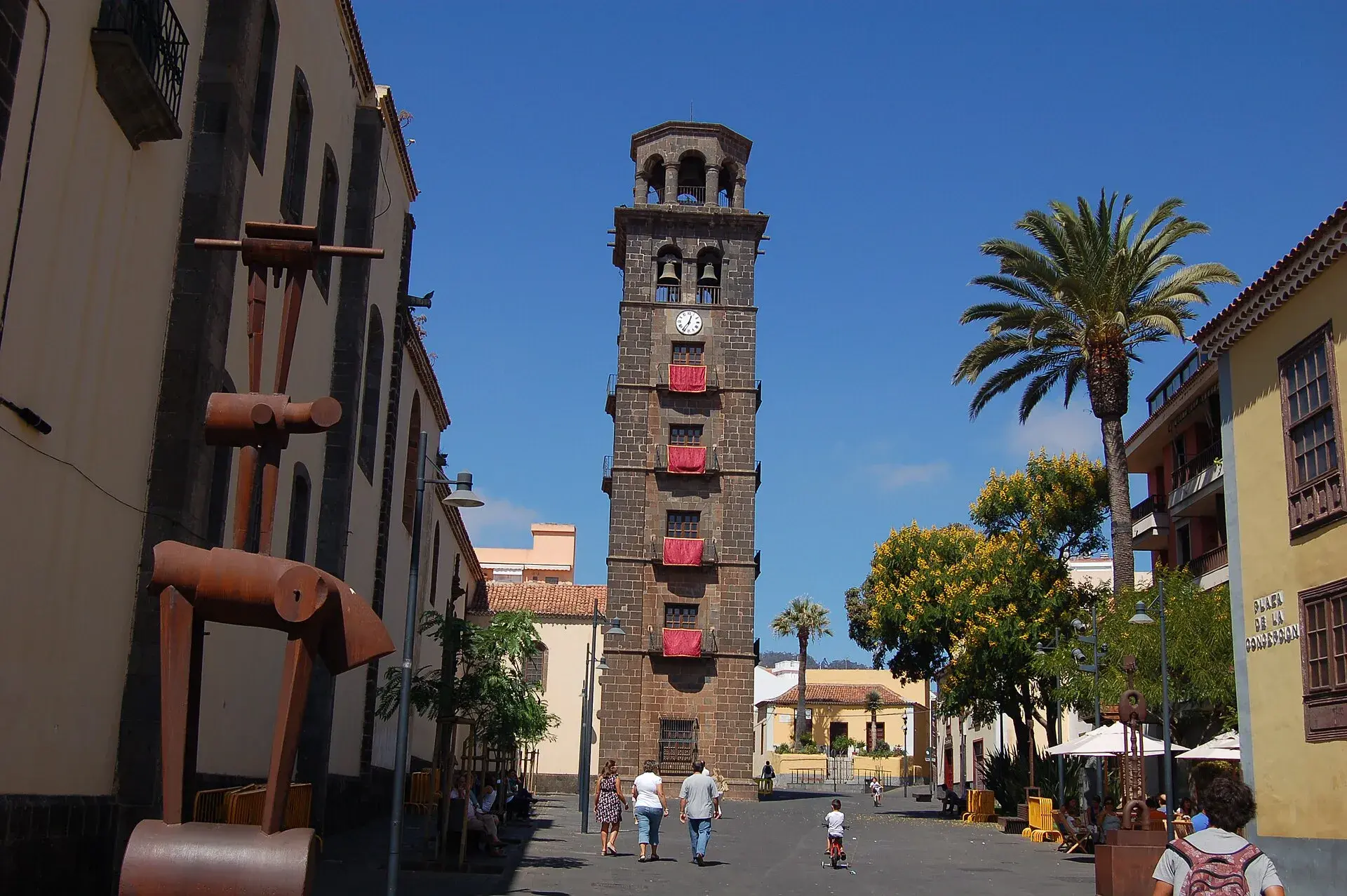
La Laguna, Tenerife: old town, museums and how to get there
What to see in La Laguna step by step: walking route through the World Heritage old town, cathedral, museums, tram, parking, festivals and a trip to Anaga.
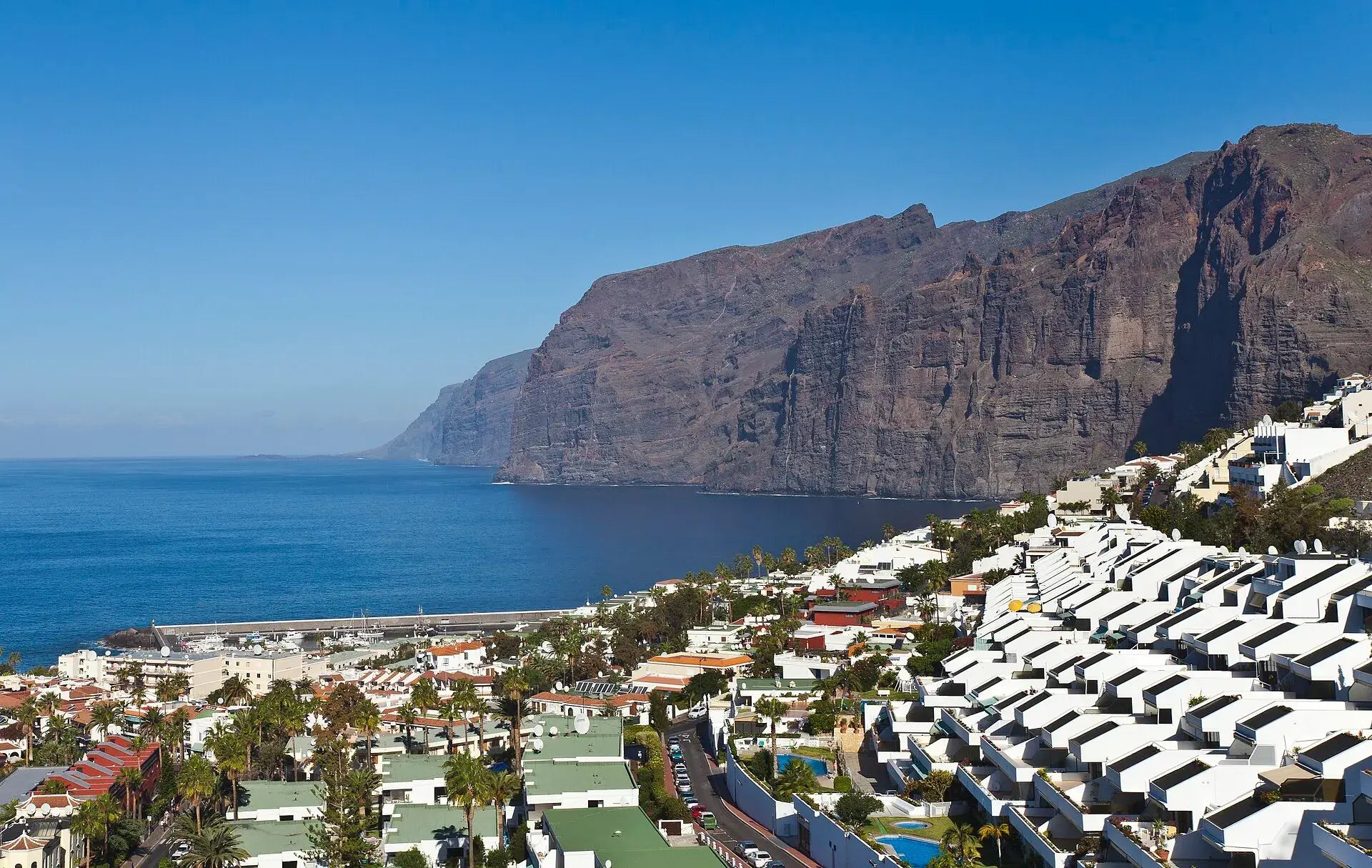
Los Gigantes Tenerife: cliffs, boat trips, beaches and access
Los Gigantes (Tenerife): cliffs up to 600 m, Archipenque viewpoint, boats from the marina, Los Guíos, rock pools, buses 473 and 477 and where to park.
Tenerife protected areas rules: trail quotas and drones
Rules for Tenerife's protected areas: trails that need booking, Teide, Masca and El Pijaral, drones, camping, wildfire alerts, dogs and fines in 2026.
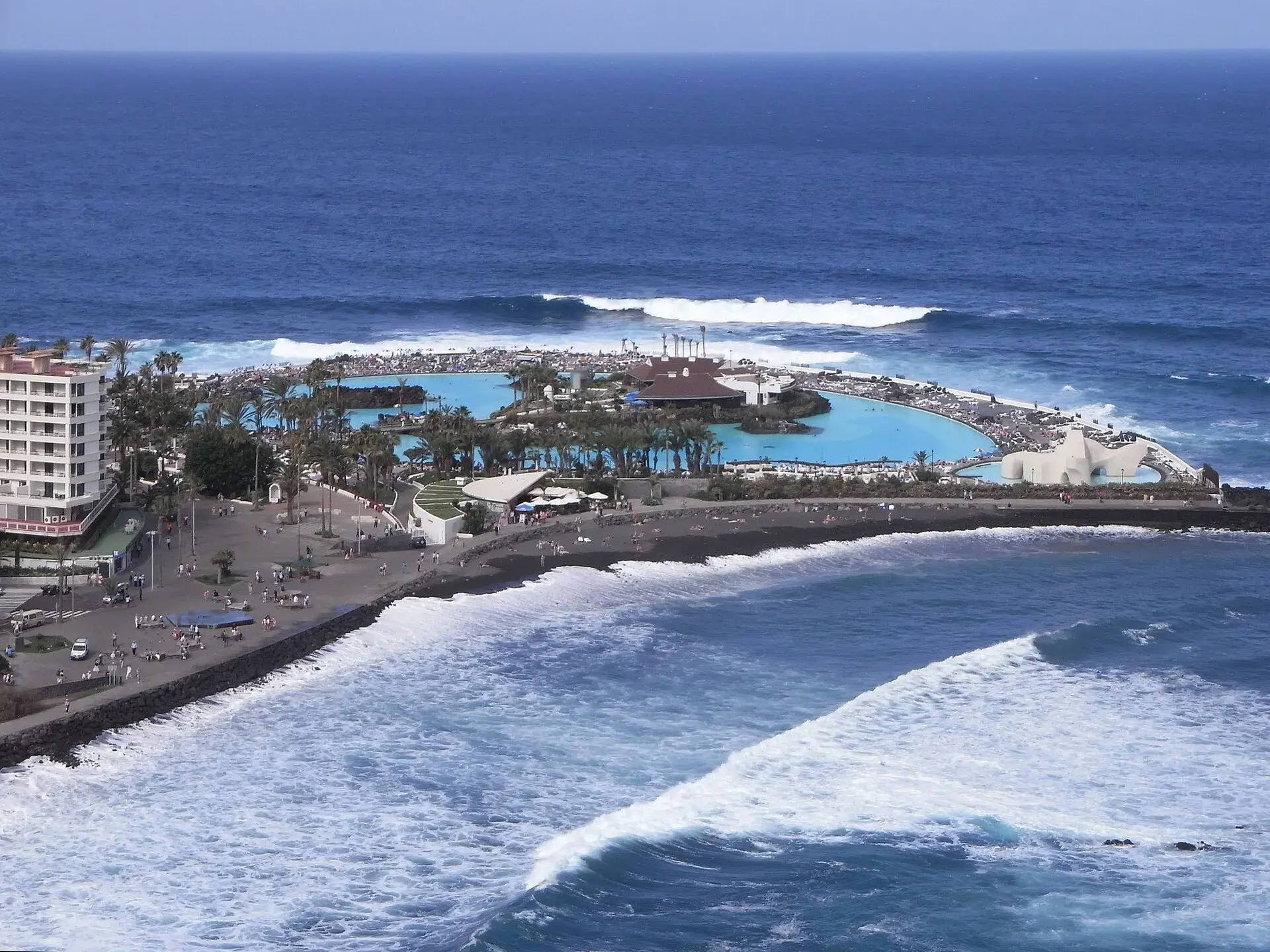
Puerto de la Cruz: Lago Martiánez, old town and gardens
What to see in Puerto de la Cruz: Lago Martiánez, Playa Jardín, Plaza del Charco, La Ranilla, the Botanical Garden, Sitio Litre and Loro Parque, buses, parking.