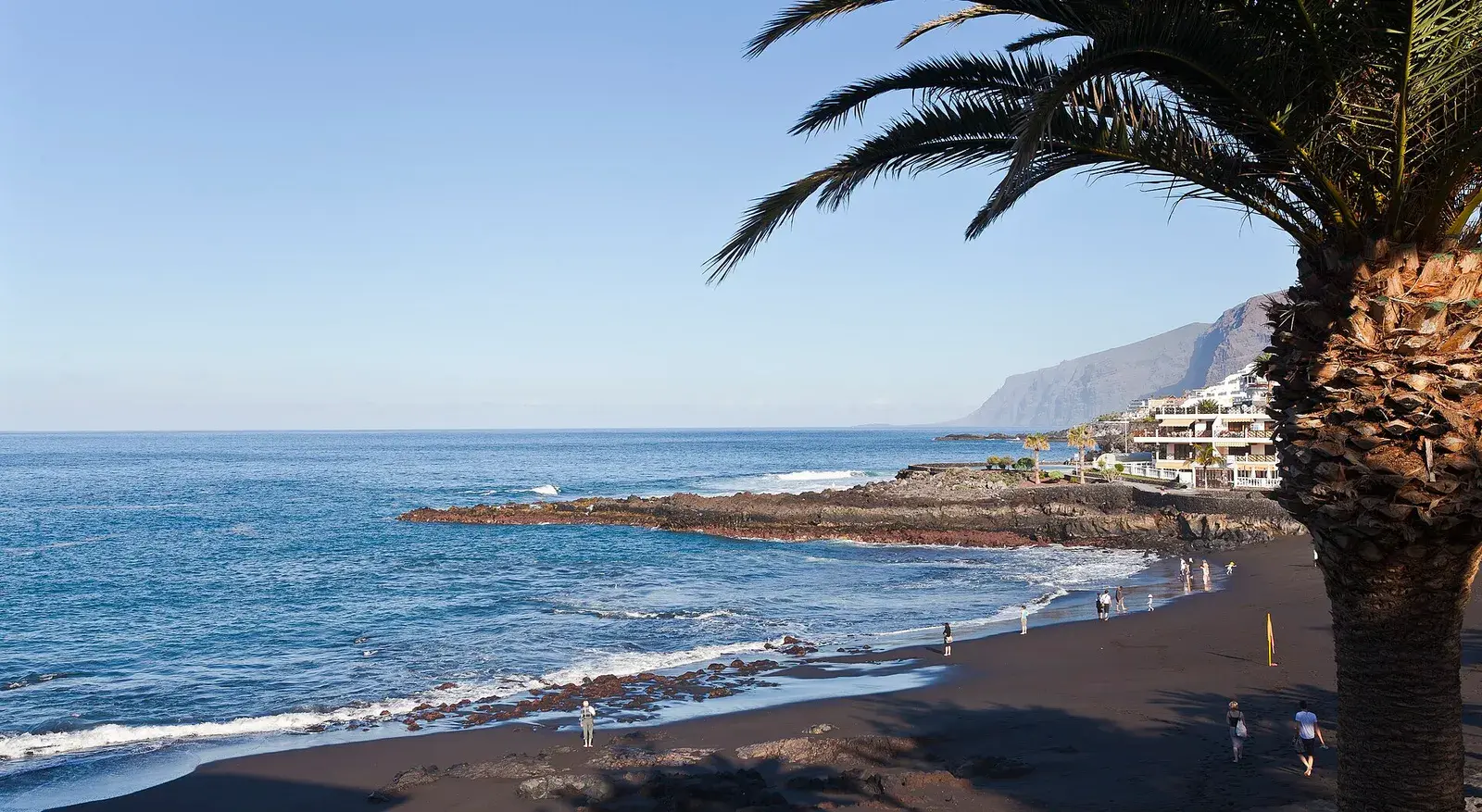
Photo by Diego Delso, CC BY-SA 3.0, via Wikimedia Commons
Playa de la Arena, Tenerife: black sand, facilities and access
Playa de la Arena is the most complete black-sand beach in west Tenerife: about 140 metres of fine volcanic sand in Puerto de Santiago, in the municipality of Santiago del Teide, a few minutes from the Los Gigantes cliffs. It has clear, calm water most of the year, toilets, showers, sunbeds, restaurants serving Canarian food, a diving area and adapted access, and in the late afternoon the sun sets opposite La Gomera. It flew the Blue Flag for many years, but it is not on the official 2026 list. It is the best option in the area for families and for anyone who wants a natural beach with facilities; its weak point is its size, which falls short in high season.
At a glance
- Area and municipality: Puerto de Santiago, west coast, municipality of Santiago del Teide.
- Sand: natural, black and fine, of volcanic origin.
- Approximate length: about 140 metres, and about 40 metres wide.
- Waves and wind: clear, calm water most of the year; with an ocean swell the waves can be strong.
- Lifeguards: lifeguard service in season; respect the flag.
- Facilities: toilets, showers, foot showers, sunbed and parasol hire, bars and restaurants, tourist information and a diving area.
- Blue Flag 2026: no; it flew it for many years, but it does not appear on the official 2026 list.
- Accessibility: adapted access for people with reduced mobility.
- Parking: around the beach, tight in high season.
- TITSA bus: guagua (the local word for bus) line 473 Los Cristianos–Los Gigantes, stopping at Puerto de Santiago; line 477 links Costa Adeje and Los Gigantes directly.
- Best for: families, diving and snorkelling, sunsets and anyone staying in Los Gigantes or Puerto de Santiago.
- Drawbacks: it is small and fills up in season; the black sand gets very hot in the afternoon.
How to get there
By car, from the south take the TF-1 towards Guía de Isora and continue on the TF-47 via Playa San Juan and Alcalá to Puerto de Santiago; from Costa Adeje it takes in the order of half an hour. From the north, the road comes down through Santiago del Teide. There is parking around the beach, but in high season it is best to arrive before midday.
By bus, TITSA line 473 leaves Los Cristianos, passes Costa Adeje bus station, Adeje, Playa San Juan and Puerto de Santiago and ends in Los Gigantes, in around an hour and twenty minutes; line 477 runs direct from Costa Adeje to Los Gigantes. Check timetables and stops on the TITSA website, because some lines in the area are diverted for roadworks. The guide on how to get around Tenerife explains the system.
The sea and safety
The beach faces west and is relatively sheltered, so swimming is usually calm. As a natural beach without breakwaters, on days with a swell the waves and undertow increase: then the yellow or red flag is your guide, and you should not swim if there is no lifeguard on duty. The diving area is marked; if you snorkel, do it when the sea is calm and stay close to the shore.
Black sand absorbs heat: from midday, walk in shoes and bring a thick mat if you are with children.
What is nearby
A kilometre and a half away, Los Gigantes marina and Los Guíos beach lie at the foot of the Los Gigantes cliffs, which according to Canary Islands Tourism reach up to 600 metres. Boats leave the marina to run along the cliff face, as do the whale and dolphin watching trips closest to Teno. To the south, Alcalá and Playa San Juan, in Guía de Isora, have Blue Flag beaches in 2026 and rock pools along the coast, and up the road the TF-436 leads to Masca. The guide to what to see in south Tenerife suggests how to fit it all into a day, and the guide to natural pools in Tenerife describes the charcos (natural rock pools) of the west coast.
Best time of day and year
The morning belongs to families: cool sand, free space and a calm sea. The afternoon is the prettiest: the sun drops into the sea with La Gomera opposite and the promenade restaurants fill up. In the afternoon the sand is hotter, so come with footwear.
West Tenerife has sun and mild temperatures all year. Winter is high season for northern European visitors, who stay in Los Gigantes and Puerto de Santiago; summer brings more families from the island. With ocean swell, more frequent in winter, swimming becomes trickier on some days. The guide to the best time to visit Tenerife compares the seasons.
Frequently asked questions
Does Playa de la Arena have a Blue Flag in 2026?
No. It flew one for many years, but it is not on the official 2026 list. On the west coast, La Jaquita in Alcalá and Playa San Juan hold one in 2026.
Is the sand natural?
Yes. It is natural black volcanic sand, unlike the light-sand beaches of Costa Adeje and Arona, which are imported.
Is it good for children?
Yes. The sea is usually calm, there are lifeguards in season, showers, toilets and restaurants. Watch out for the hot sand in the afternoon and for days with a swell.
Can you dive or snorkel?
Yes. The beach has a marked diving area; only go in when the sea is calm. If you have no experience, go out with a diving centre.
How do you get there by bus?
On line 473 from Los Cristianos and Costa Adeje, which stops at Puerto de Santiago, or on the direct line 477 from Costa Adeje to Los Gigantes, a short walk from the beach.
Keep planning
- The best beaches in south Tenerife: the beaches of the west and south compared.
- Los Guíos beach: the cove at the foot of the cliffs.
- The best beaches in Tenerife: the island-wide selection.
- Where to stay in Tenerife: Los Gigantes and Puerto de Santiago as a base.
You may also like
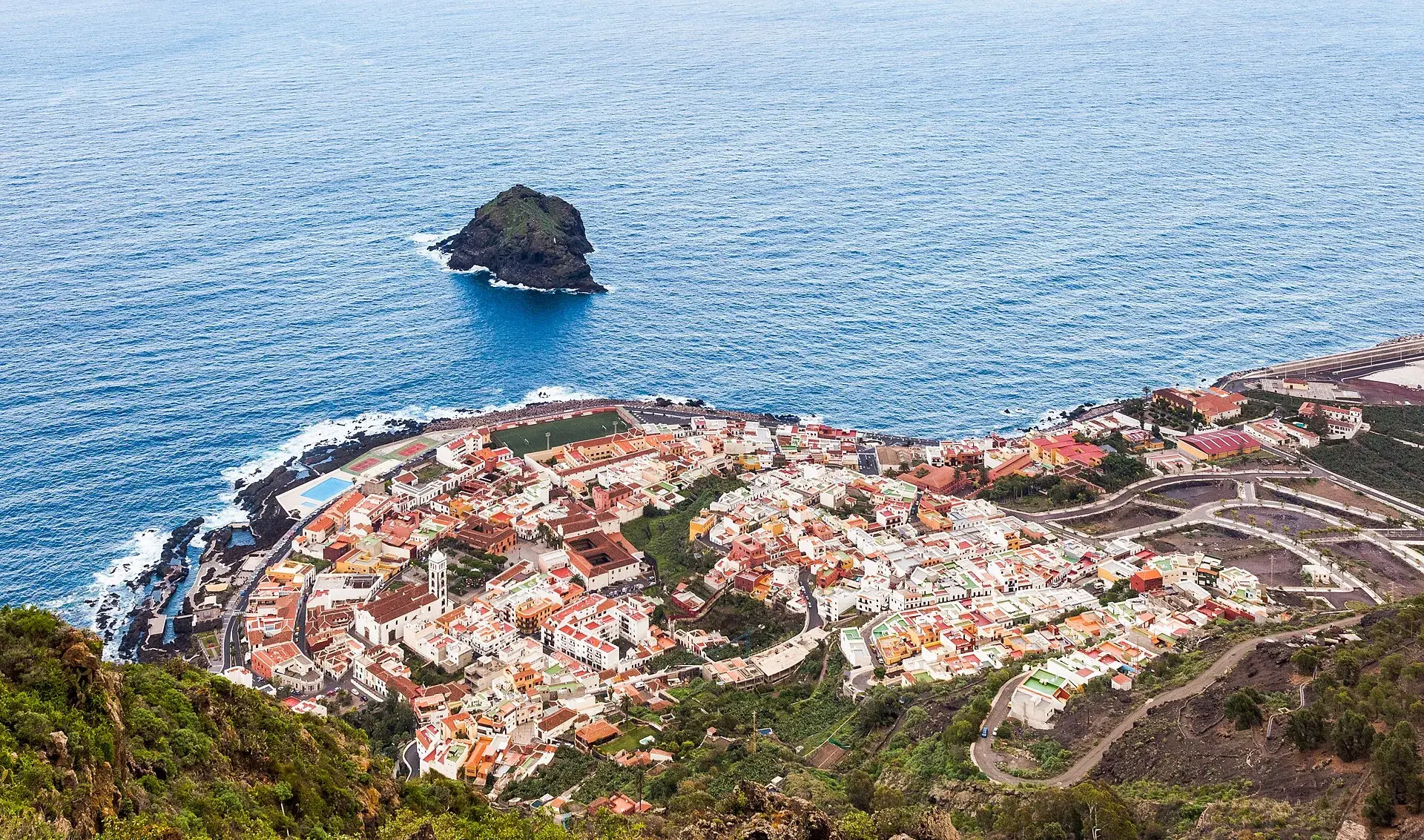
Garachico, Tenerife: old town, El Caletón and the Isla Baja
What to see in Garachico in half a day: the port buried by lava in 1706, the historic centre, El Caletón, the castle, San Roque, buses and where to park.
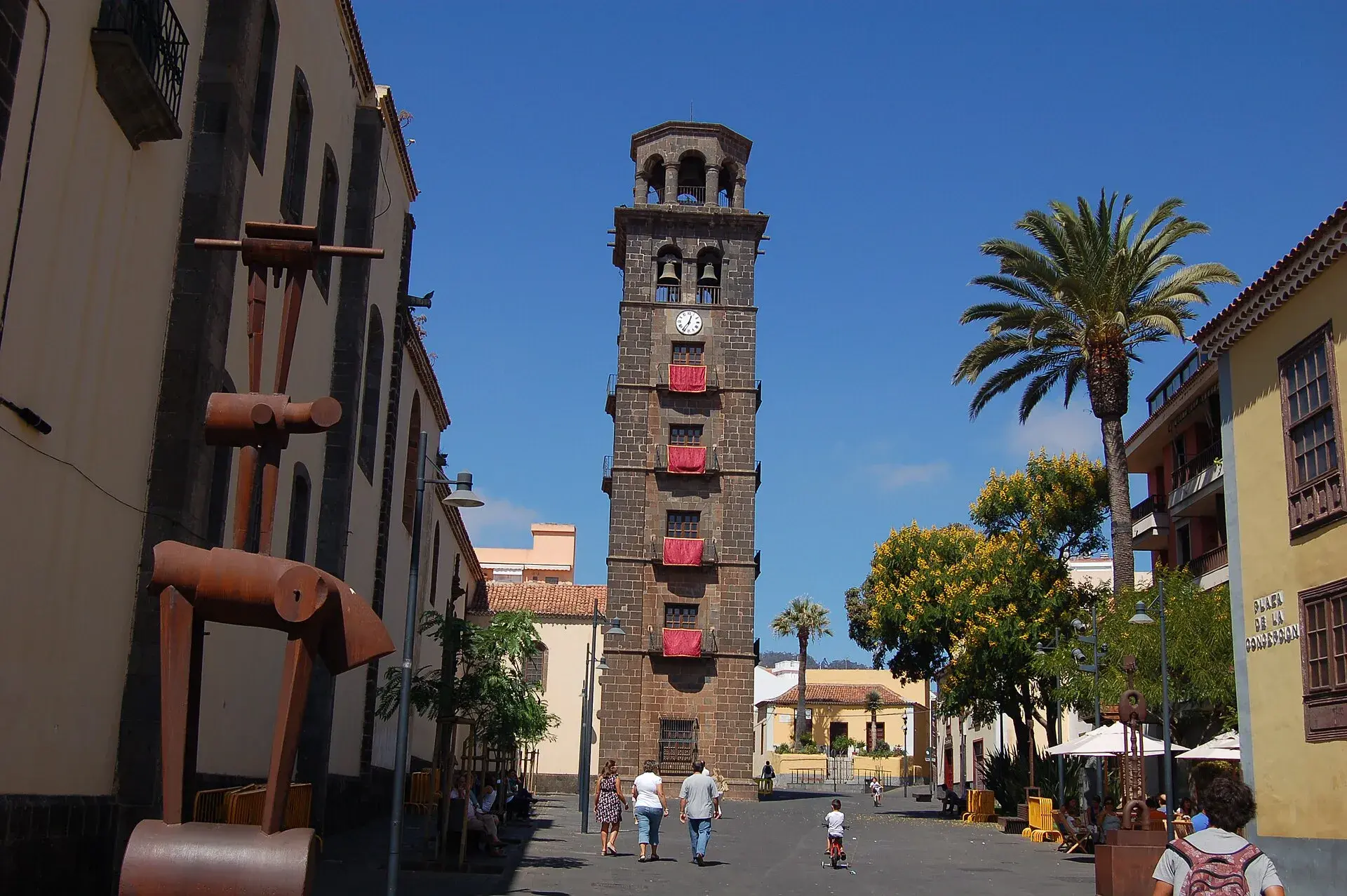
La Laguna, Tenerife: old town, museums and how to get there
What to see in La Laguna step by step: walking route through the World Heritage old town, cathedral, museums, tram, parking, festivals and a trip to Anaga.
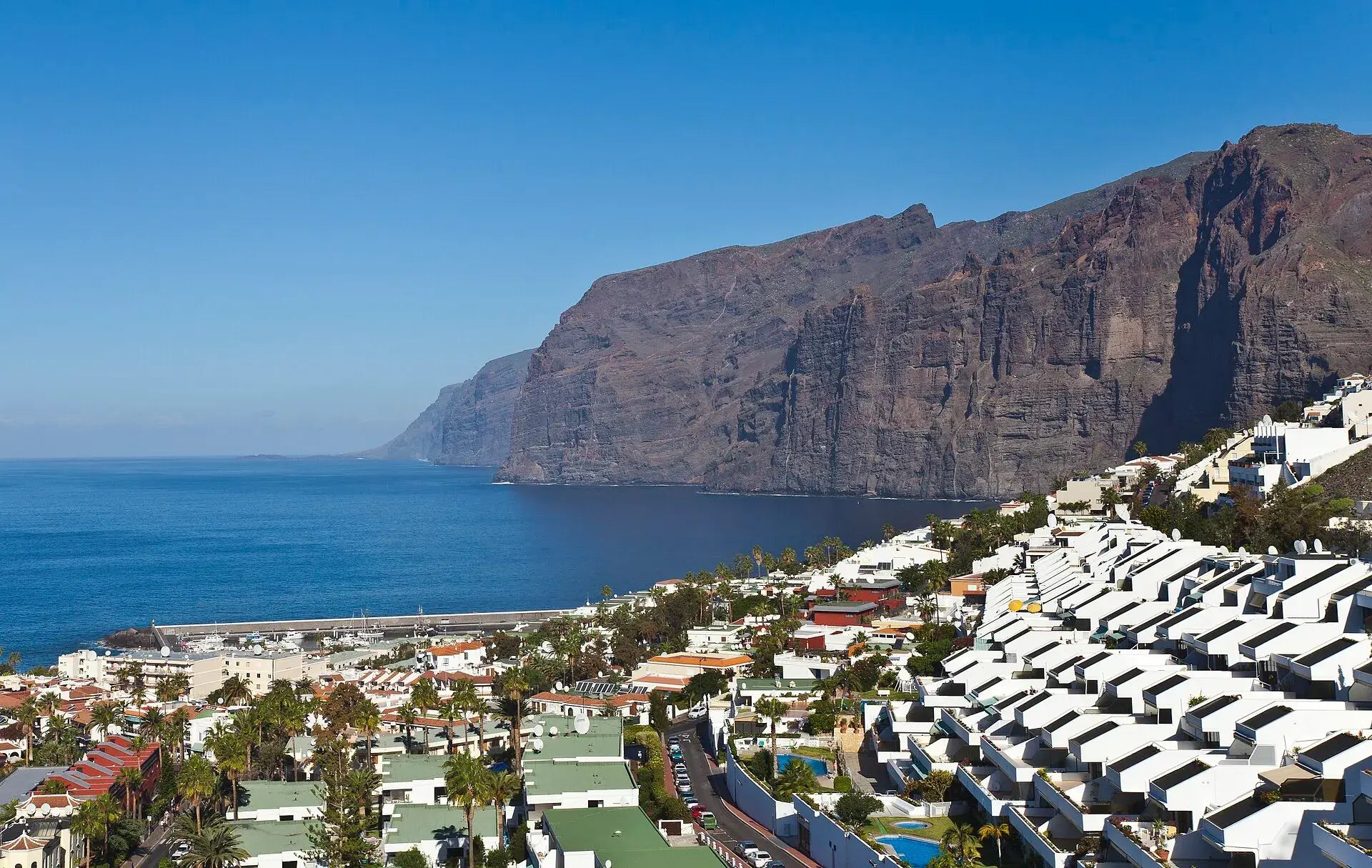
Los Gigantes Tenerife: cliffs, boat trips, beaches and access
Los Gigantes (Tenerife): cliffs up to 600 m, Archipenque viewpoint, boats from the marina, Los Guíos, rock pools, buses 473 and 477 and where to park.
Tenerife protected areas rules: trail quotas and drones
Rules for Tenerife's protected areas: trails that need booking, Teide, Masca and El Pijaral, drones, camping, wildfire alerts, dogs and fines in 2026.