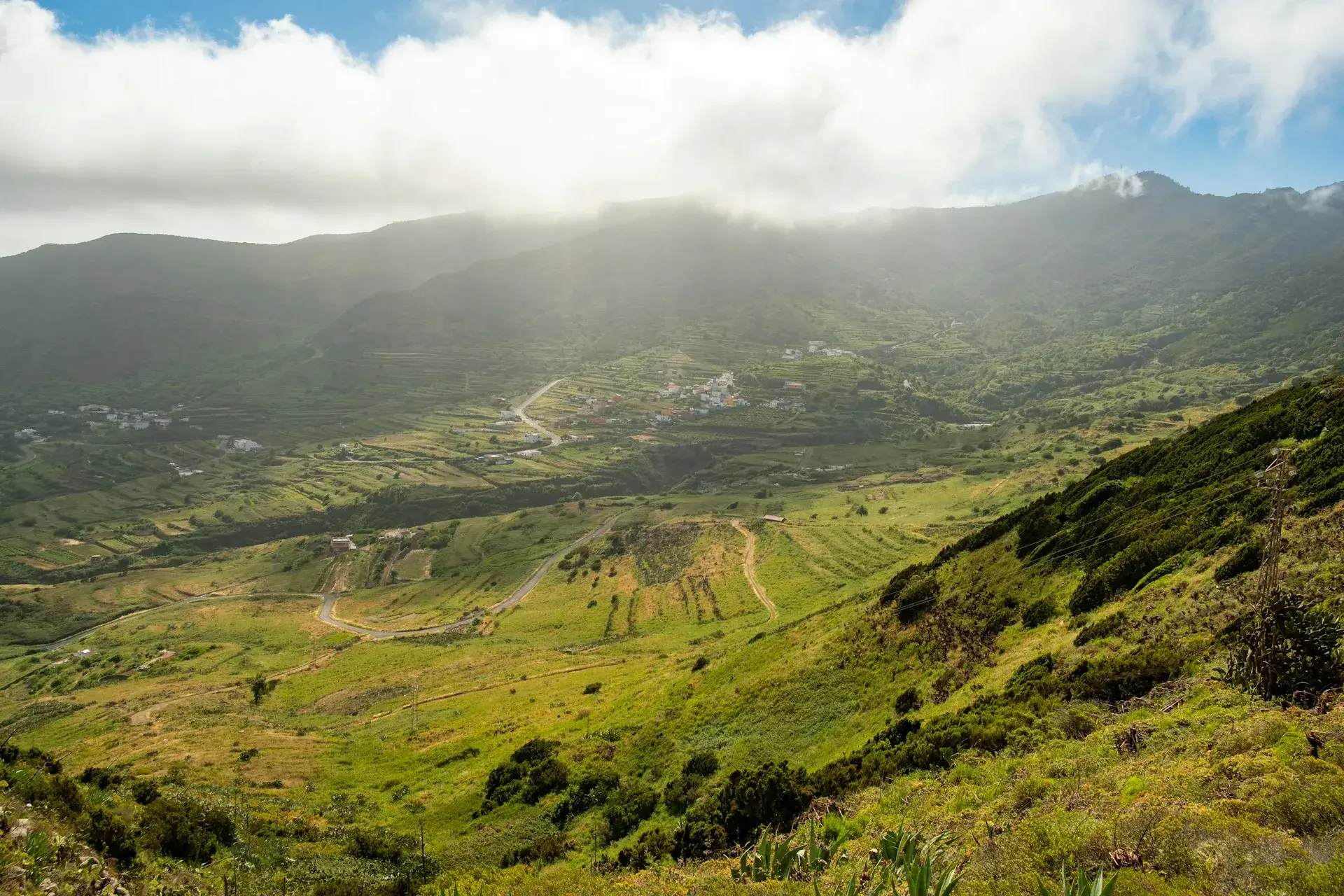
Photo by Jan Suchánek on Unsplash
Tenerife wine: designations of origin, wineries and tastings
Tenerife has five wine designations of origin (DO) of its own: Tacoronte-Acentejo, Valle de La Orotava, Ycoden-Daute-Isora, Valle de Güímar and Abona. On top of these comes the regional Islas Canarias designation, which covers the whole archipelago. For a visitor this means something very concrete: within a few kilometres the altitude, the exposure to the trade winds and the type of volcanic soil all change, and the style of the wine changes with them. This guide explains what sets each area apart, which grapes are worth knowing, why the island's winemaking history is so unusual and how to plan a winery visit or a tasting, starting with the Casa del Vino de Tenerife in El Sauzal.
Why Tenerife wine is different
Volcanic soils, altitude and trade winds
Tenerife's tourist board and the Cabildo (the island government) sum up what makes the island's grapes unique in four factors: microclimates, altitude (with El Teide as the backdrop), a variety of volcanic soils of different ages and exposure to the trade winds, the moist north-easterly winds known locally as alisios. These winds split the island into two worlds: a cooler, greener and often cloudy north, and a drier, sunnier south. In practice, northern wines tend to be associated with reds and fresh whites from humid slopes, and southern wines with whites from sun-drenched, high-altitude vineyards.
Ungrafted vines
Phylloxera, an insect from America that destroyed much of Europe's vineyards, never took hold in the Canary Islands. As a result, varieties that disappeared on the mainland survived here, and Tenerife growers still plant their vines on their own roots, without grafting them onto resistant rootstock. You will hear this point at almost every tasting.
Traditional training systems
Tenerife's vines are adapted to each plot with their own training systems. The most striking are:
- Cordón trenzado (braided cordon): typical of the Valle de La Orotava. The canes are braided so that each year's fruiting cane sits on top of the previous year's.
- Viña en rastras: the vine can reach 4 or 5 metres in length, resting on wooden forked props that are set up in June and taken down after the harvest.
- Low and high pergolas (parral bajo and parral alto): the foliage is spread over wires about one metre or about 2 metres above the ground.
The five designations of origin of Tenerife
Tacoronte-Acentejo
This was the first DO in the Canary Islands, recognised in 1992, and it covers the north-east of the island, from the metropolitan area to Santa Úrsula.
- Municipalities: Tegueste, Tacoronte, El Sauzal, La Matanza de Acentejo, La Victoria de Acentejo, Santa Úrsula, San Cristóbal de La Laguna, El Rosario and Santa Cruz de Tenerife.
- Landscape: terraces built to tame very uneven ground, with vineyards that the official Tenerife wine portal places between 300 and 750 m and the tourist board up to about 1,000 m.
- Style: red wine country, with reds making up around 80% of production, bright in colour with red fruit. It also produces whites, rosés and sweet wines from overripe grapes.
- Best for: trying Listán Negro reds without straying far from La Laguna or Tenerife North airport.
Valle de La Orotava
Recognised in 1995, it covers the valley that runs down from the summits to Puerto de la Cruz.
- Municipalities: La Orotava, Los Realejos and Puerto de la Cruz.
- Landscape: vines between 400 and 800 m on loose, reddish soils, sharing the land with banana plantations and with views of El Teide.
- Distinctive feature: the cordón trenzado, which gives some estates a look you will not see in other wine regions.
- Varieties: besides the two Listáns, the DO includes Malvasía, Marmajuelo, Gual, Albillo Criollo, Negramoll, Tintilla, Castellana and Baboso Negro, among others.
- Best for: combining a winery visit with the historic centre of La Orotava or a drive around the valley.
Ycoden-Daute-Isora
The westernmost part of the north, between San Juan de la Rambla and Guía de Isora, historically tied to the old port of Garachico.
- Municipalities: San Juan de la Rambla, La Guancha, Icod de los Vinos, Garachico, El Tanque, Los Silos, Buenavista del Norte, Santiago del Teide and Guía de Isora.
- Landscape: old, rugged volcanic soils, a mild and fresh climate, and vines spread from low-lying land up to the higher midlands.
- Style: dry Listán Blanco whites, fresh rosés, Listán Negro reds and sweet Malvasías made from overripe grapes.
- Best for: fitting a tasting into a day in Icod de los Vinos and Garachico, two of the most interesting historic towns in the north-west.
Valle de Güímar
On the south-east side of the island, above the valley that opens between Candelaria and Güímar.
- Municipalities: Arafo, Candelaria and Güímar.
- Landscape: vines on slopes in the south-east of the island, in a drier setting than the north.
- Style: whites clearly dominate, at around 80% of production, fresh and fruity. Rosés, reds, sweet and sparkling wines are also made.
- Varieties: its official list is one of the longest for white grapes, with Listán Blanco, Gual, Malvasía, Marmajuelo, Verdello, Albillo Criollo, Moscatel and Torrontés, among others.
- Best for: visitors staying in Santa Cruz or on the east coast who are looking for whites.
Abona
The southern DO, with the widest altitude range.
- Municipalities: Adeje, Arona, Vilaflor, San Miguel de Abona, Granadilla de Abona, Arico and Fasnia.
- Landscape: vineyards that the tourist board places between 400 and 1,700 m, on porous volcanic soils that hold moisture. Vilaflor has the highest vineyards in Spain.
- Style: mainly sun-drenched Listán Blanco whites, although reds and rosés are also made.
- Best for: visitors staying in the south who want to drive up towards El Teide through the midland vineyards.
The Islas Canarias DOP (Canary Wine)
Besides the five island DOs, Tenerife is also part of the Islas Canarias protected designation of origin, a more recent regional designation. According to its managing body, the Asociación de Viticultores y Bodegueros de Canarias (AVIBO), it brings together wineries from several islands and was officially recognised in 2011. It is marketed under the Canary Wine brand, with the aim of strengthening Canary wine in regional and international markets. On the label you will see "Islas Canarias" instead of the name of a specific district.
Grapes worth knowing
There is no need to memorise the official list, which runs to more than twenty varieties in some DOs. These will be enough to make sense of a wine list or a tasting:
- Listán Negro: the most widely planted red. It makes very flavourful young reds, aged reds and even sweet wines, with black fruit aromas and mineral notes.
- Listán Blanco: the benchmark white. It is used for both fresh young whites and classic sweet wines, with good acidity and body.
- Malvasía Aromática: the grape behind the old "Canary sack". Pronounced fruit and a mineral finish; today it is linked mainly to sweet wines and some dry whites.
- Marmajuelo, Gual and Albillo Criollo: minority white grapes that give aromatic wines; Marmajuelo stands out for its high acidity.
- Negramoll, Tintilla and Castellana Negra: usually blended with Listán Negro to add body, spice or liquorice notes.
- Vijariego Negro: distinctive reds with red fruit and spice aromas.
A little history: from Canary sack to today
The first vines reached Tenerife at the end of the 15th century, brought by settlers and clergy from several European countries. In the 16th and 17th centuries, the Malvasía wines known in England as "Canary sack" sailed with English and Dutch fleets and reached the royal courts of Europe; writers such as Shakespeare and Walter Scott mention them in their works.
The decline came in the 18th century. A volcanic eruption destroyed the port of Garachico, the main outlet for wine to Europe, and conflicts between the English and Spanish crowns favoured Portuguese wines. The modern revival came with the DOs, created in the 1990s, and with a rise in quality now backed by awards at international competitions.
Casa del Vino de Tenerife (El Sauzal)
If you only have time for one stop, make it this one. The Casa del Vino de Tenerife occupies the Hacienda San Simón, an old 17th-century Canarian estate in El Sauzal, within the Tacoronte-Acentejo area. The building belongs to the Cabildo de Tenerife, which set it aside to promote the island's quality wines, and it is run by the Fundación Canaria Tenerife Rural.
What you will find, according to its official website and the Canary Islands tourist board:
- Wine Museum, covering the history of winemaking on the island, with an old wine press in the central courtyard.
- Tenerife Honey Visitor Centre and an Agrodiversity Interpretation Centre, plus temporary exhibitions and the San Simón chapel.
- Gardens with vines and native plants.
- Tastings of wines from all five DOs paired with island produce, bookable on its own website, and a shop selling wine.
- Restaurant and terrace serving Canarian cuisine, plus a cultural programme of tastings, courses and concerts.
Opening hours and prices for the museum and tastings may change with the season: check the official Casa del Vino website before you go. If you are travelling without a car, look up the guagua (the local word for bus) connections in getting around Tenerife.
When is the grape harvest?
The harvest (vendimia) in Tenerife has no fixed date: it depends on the year, the altitude and the variety. As a guide, it falls between late summer and autumn, starting in the lowest, warmest vineyards and ending in the highest, such as those in Abona. Each Regulatory Council (Consejo Regulador) can set the start date in its area, and very hot years bring it forward. If you want to see the picking or take part in a harvest activity, ask the winery or the area's Regulatory Council well in advance. To choose your travel dates wisely, see also our guide to the best time to visit Tenerife.
How to visit wineries and book tastings
Plan by area
The official Tenerife wine portal says that around a hundred wineries offer experiences, on their premises or in restaurants, and groups them by designation. Pick one or two areas per day rather than crossing the island: midland roads are slow, and the differences between DOs are easier to appreciate when you compare within one area. If you are planning a longer trip, the Tenerife road trip guide will help you fit the stops in. The wineries that welcome visitors, area by area, are in the practical wine tourism guide.
Always book ahead
Many wineries are small family businesses and only receive visitors by appointment. When booking, ask about the length of the visit, the number of wines, whether a vineyard walk is included, the language and whether local food pairings are offered. Some cut back on visits during the harvest.
Designated driver or organised transport
A tasting involves several wines, and the roads in the north and the midlands are winding and steep. Decide before setting off who will drive and stay sober, use the spittoon without hesitation or book a tour with transport. The same drink-driving limits apply in the Canary Islands as in the rest of Spain.
What to ask for at a tasting
- A Listán Blanco white alongside one made from Marmajuelo, Gual or Albillo Criollo.
- A young Listán Negro red and, if available, one with Negramoll, Vijariego or Tintilla.
- A sweet Malvasía to finish. If you visit several DOs, try the same grape in each area to notice the effect of altitude and the trade winds.
Taking wine home
If you are flying with hand luggage only, aviation security rules restrict liquids: check the bottles in well protected or ask the winery about shipping.
Wine and food: guachinches and more
Tenerife wine makes most sense at the table. In the north you will find guachinches, seasonal eateries where growers sell their own wine with simple dishes. They follow their own rules and are not always what the sign promises; we explain it all in our guide to guachinches in Tenerife. To know what to order with each wine, see our guide to Canarian food, and if you want to buy from small producers, the markets in Tenerife are a good option.
Common mistakes
- Trying to see all five DOs in one day: you will spend more time in the car than in the wineries.
- Confusing a guachinche with a winery: a guachinche is an eatery; for a guided tasting, book at a winery or at the Casa del Vino.
- Trusting third-party opening hours: they change often. Check them on the official website.
Frequently asked questions
How many wine designations of origin does Tenerife have?
It has five DOs of its own: Tacoronte-Acentejo, Valle de La Orotava, Ycoden-Daute-Isora, Valle de Güímar and Abona. The island is also part of the regional Islas Canarias DOP, whose wines are marketed under the Canary Wine brand.
What is the most typical grape in Tenerife?
Listán Negro among the reds and Listán Blanco among the whites are the most widely planted. Malvasía Aromática carries the most historical weight, as it was used for the Canary sack exported to Europe in the 16th and 17th centuries.
Do I need to book to visit the Casa del Vino de Tenerife?
Tastings are booked on the official Casa del Vino website, which also publishes its opening hours. As these can change with the season, check it before heading to El Sauzal.
When is the best time to see the grape harvest?
It depends on the area and the year. The picking generally falls between late summer and autumn, first in the lower vineyards and then in the higher ones. Ask the winery or the area's Regulatory Council before planning your trip around it.
Which area should I choose if I only have one day for wine?
From the north or the metropolitan area, Tacoronte-Acentejo with the Casa del Vino in El Sauzal is the easiest option. If you are staying in the south, Abona lets you combine wineries with a drive up to El Teide via Vilaflor.
Keep planning
You may also like
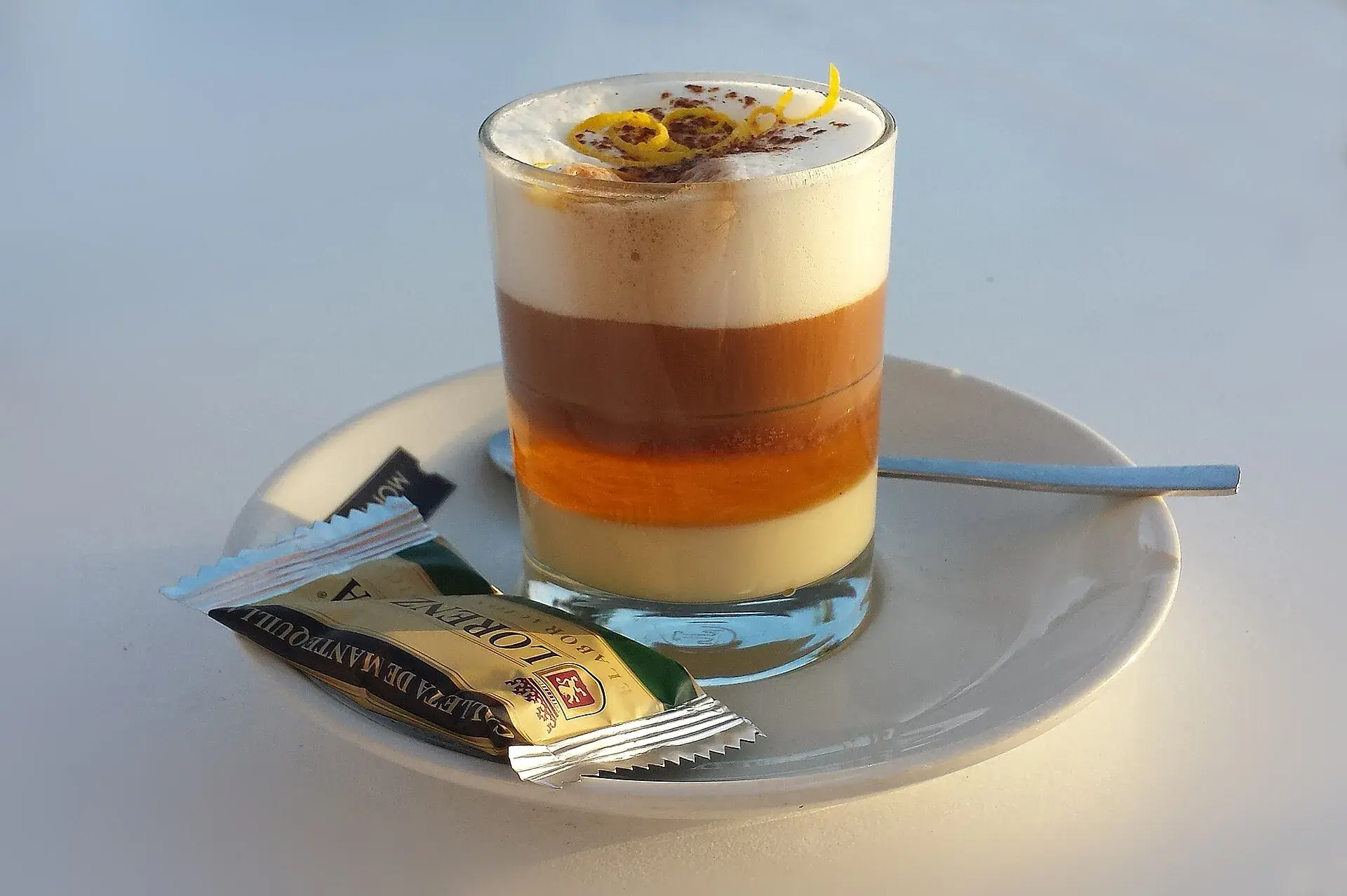
Canarian food glossary: menu words to order in Tenerife
Canarian food glossary with the words you will see on the menu: what barraquito, escaldón, enyesque, pella and carne fiesta mean, plus phrases for ordering.
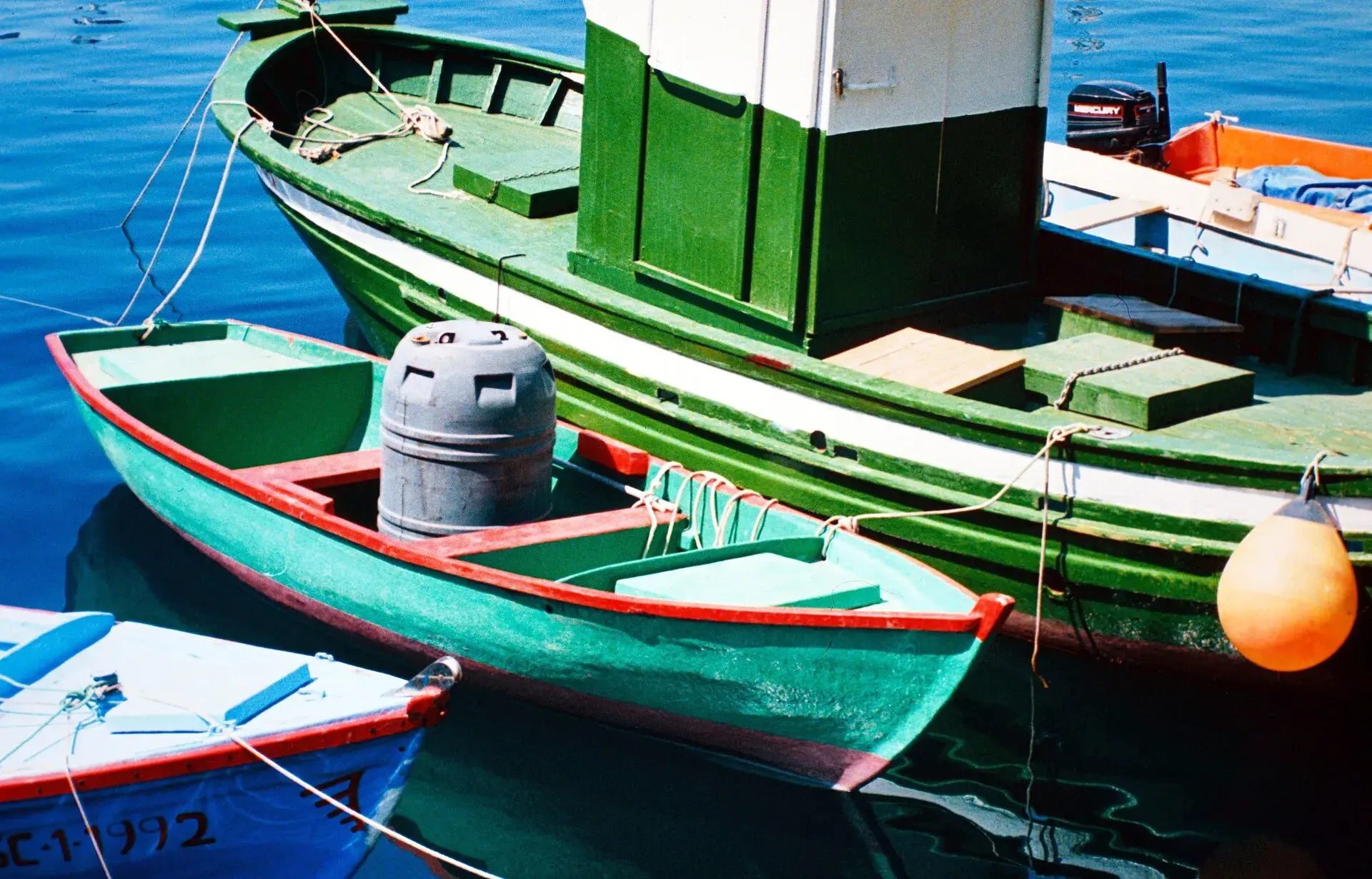
Where to eat fresh fish in Tenerife: harbours and fishermen
Where to eat fresh fish in Tenerife: harbours with a fishermen's guild, local species such as vieja or cherne, how ordering by weight works and the limpet ban.
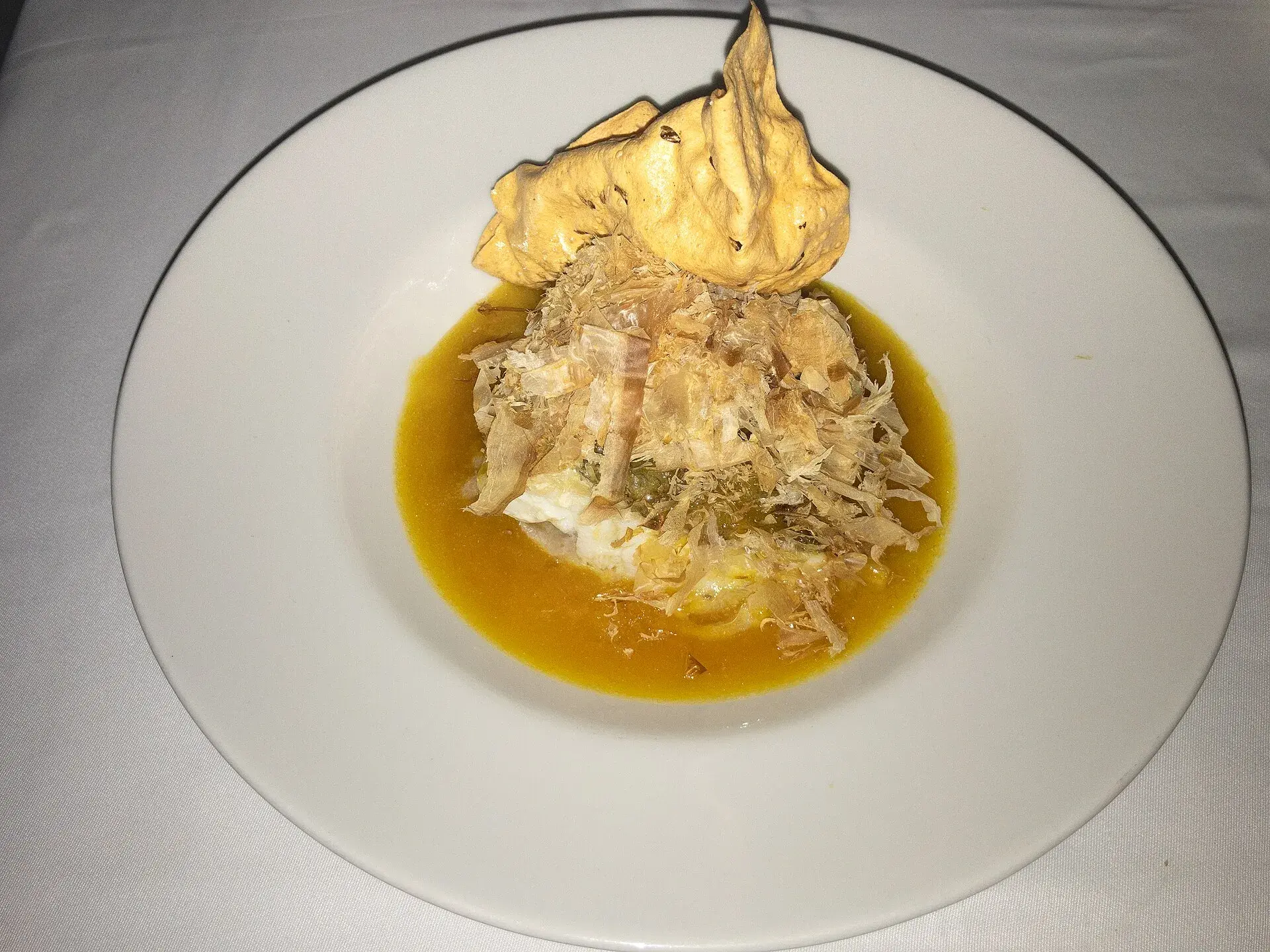
Michelin-starred restaurants in Tenerife and Repsol Suns
Michelin-starred restaurants in Tenerife in the 2026 edition: the 9 winners, their chefs and areas, the Bib Gourmands, the Repsol Suns and how to book a table.
Tenerife wineries to visit: a practical wine tourism guide
Tenerife wineries to visit by designation of origin, the Casa del Vino, what a tasting includes, harvest, San Andrés and getting around without driving.