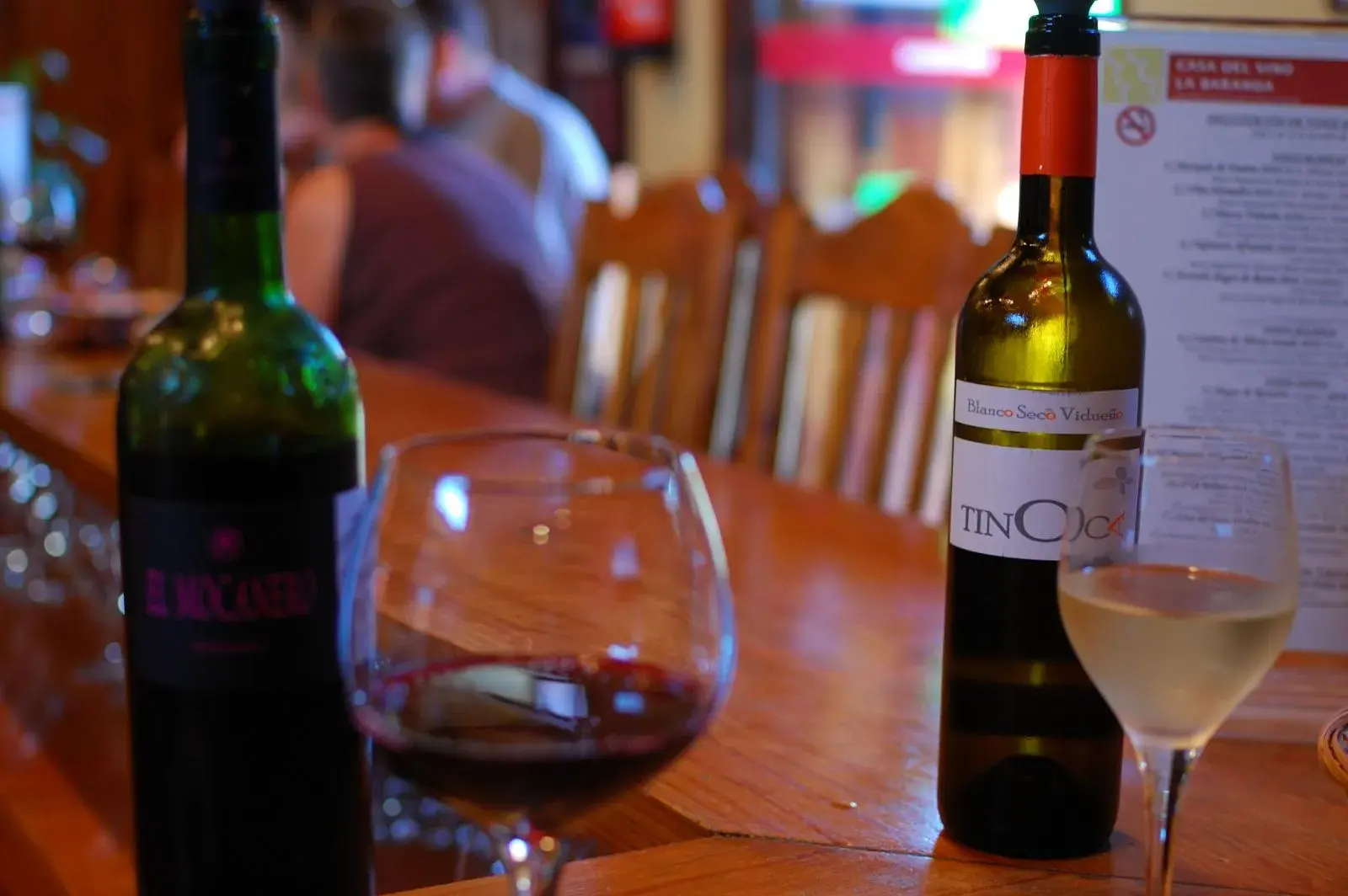
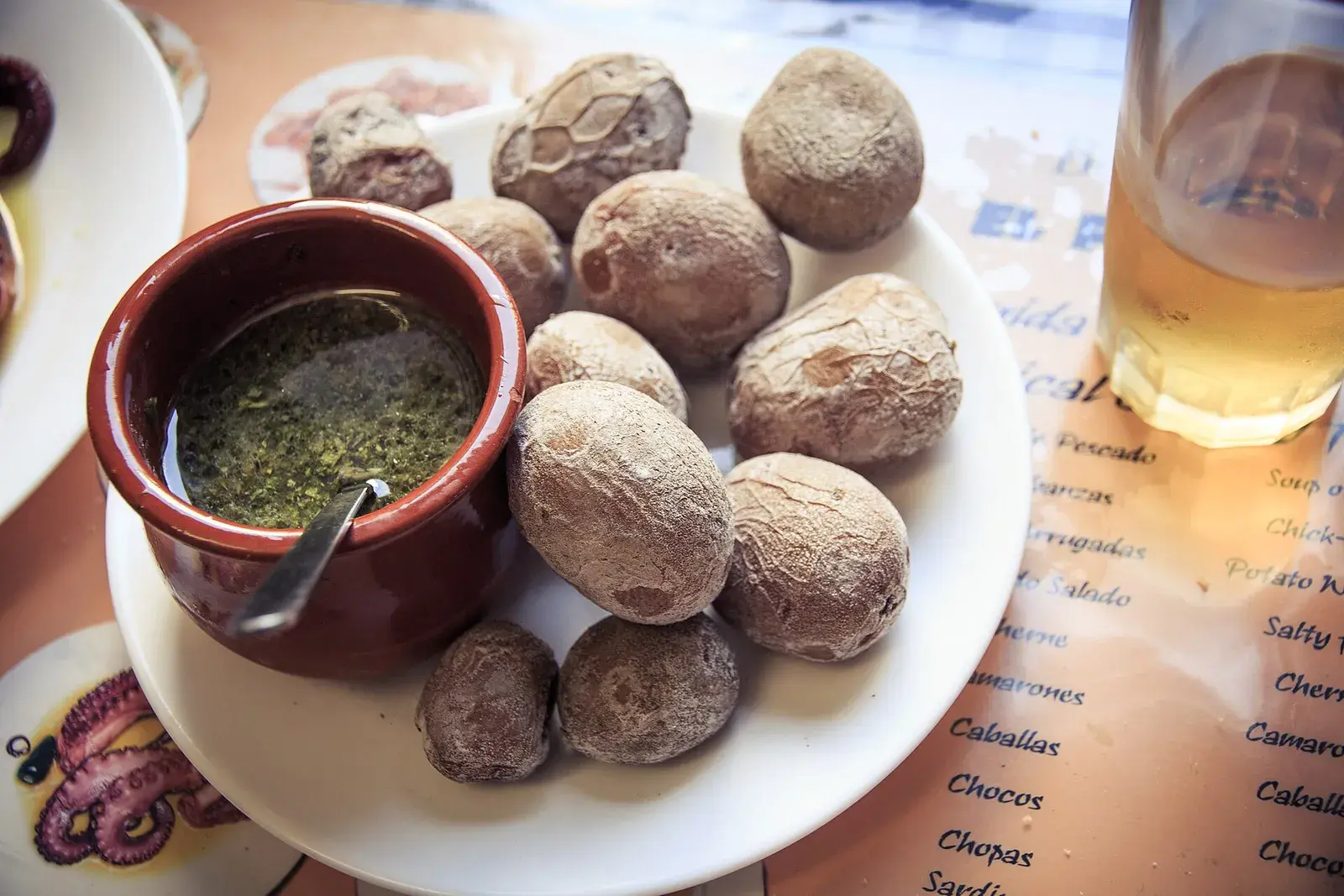
Photo by bea & txema & alan, CC BY 2.0, via Wikimedia Commons
Tenerife wineries to visit: a practical wine tourism guide
The most practical way to do wine tourism in Tenerife is to pick a single designation of origin per day, start at the Casa del Vino in El Sauzal and then book one or two wineries with a guided visit. According to the official Tenerife wine portal, around a hundred wineries offer some kind of experience, and Turismo de Tenerife gives as examples Bodegas Insulares (Tacoronte), Bodegas Monje (El Sauzal), Viñátigo (La Guancha), Altos de Trevejos (Abona), and Bodegas Ferrera and the Bodega Comarcal Valle de Güímar in the south-east. Almost all of them work by appointment, and it is worth deciding who is driving before you set off.
If you want to know what sets each designation apart, which grapes are worth knowing or the history of Canary sack, see the guide to Tenerife wine. This page covers the practical side: where to go, how to book, what a visit includes and how to get back.
How this selection was made
Only wineries that appear in official Turismo de Tenerife publications (its blog posts from September and October 2026) with visits or experiences are named. It is not an exhaustive list: many more wineries receive visitors, especially small family ones that take bookings by phone. No prices are given because the official sources do not publish them and they vary by experience; each winery tells you when you book. Information as of October 2026.
First stop: Casa del Vino de Tenerife (El Sauzal)
The Casa del Vino occupies a 17th-century hacienda owned by the Cabildo (the island government) and is the best starting point because it brings together wines from all five designations in one place.
- What is there: Wine Museum, Tenerife Honey Visitor Centre, Agrodiversity Interpretation Centre, the chapel of San Simón, gardens of vines and native plants, a tasting room, a wine shop and a restaurant.
- Admission: according to its website, entry to the grounds is free.
- Tastings: they pair island wines with local products. The website recommends booking them in advance through its reservations section.
- Tasting workshops: it runs themed workshops on fixed dates with limited places; in October 2026, for example, one devoted to Malvasía. Check the programme on the website.
- Getting there: it is on calle San Simón in El Sauzal, a few minutes from the TF-5 motorway. The website itself refers you to the TITSA journey planner to get there by guagua (bus), entering "Casa del Vino" as the destination.
- Best for: a first introduction or a rainy day, and for buying wine from different areas if you are not going to visit wineries.
Wineries to visit by designation of origin
Tacoronte-Acentejo (north-east)
The most convenient area if you are staying in Santa Cruz, La Laguna or the north: the wineries are close to the TF-5 and can be combined with the Casa del Vino in the same morning.
- Bodegas Insulares (Tacoronte): Turismo de Tenerife says it offers guided tours of the facilities and guided tastings.
- Bodegas Monje (El Sauzal): offers tastings and food experiences. Turismo de Tenerife advises checking when you book whether the guided tour is included.
- El Lomo (Tegueste): listed by Turismo de Tenerife among the island's wineries; ask them directly what visits they offer.
- Plan for the day: Casa del Vino in the morning, one winery mid-morning and lunch in the area. On Saturdays and Sundays, the Tacoronte Farmers' Market has local wine stalls (see markets in Tenerife).
Valle de La Orotava
This is the designation of the cordón trenzado, vines with their shoots braided into long rows. The official sources consulted do not specify which wineries in this area offer visits: ask at the Casa del Vino or the La Orotava tourist office, or contact the valley's wineries directly. It fits well with a walk around the old town of La Orotava or an afternoon in Puerto de la Cruz.
Ycoden-Daute-Isora (north-west)
- Viñátigo (La Guancha): according to Turismo de Tenerife, the visit includes a tour of the vineyard and the winery and a guided tasting, with tastings of different lengths.
- Plan for the day: one winery in the morning and the afternoon in Icod de los Vinos and Garachico.
- Do not confuse: in Icod there are visits about sugar cane and rum distilling; they are interesting, but they are not wine tourism.
Abona (south)
- Altos de Trevejos: Turismo de Tenerife notes that you can visit the winery, in San Miguel de Abona, and the vineyards, in Vilaflor, which are in different places. Confirm the meeting point when you book.
- Why go: Abona has high-altitude vineyards; those in Vilaflor are among the highest in Spain.
- Plan for the day: combine the visit with Vilaflor and the Paisaje Lunar or with the drive up to El Teide on the TF-21. It is the best option if you are staying in the south.
Valle de Güímar (south-east)
- Bodega Comarcal Valle de Güímar (Arafo): according to Turismo de Tenerife, it offers guided tours by appointment, a tasting room and a shop. As a district cooperative winery, it brings together wines from many growers in the area.
- Bodegas Ferrera: offers a vineyard visit with a tasting and tapas, and on certain dates hiking, dinner and stargazing activities.
- Plan for the day: it suits you if you are staying in Santa Cruz or on the east coast, or on the way between the north and the south on the TF-1.
What a visit includes and how to book
A standard visit usually includes a tour of the winery (and sometimes the vineyard), an explanation of how the wine is made and a tasting of several wines, often with cheese or other local products. The fuller versions add a walk around the estate, a food pairing or a meal.
When booking, Turismo de Tenerife recommends asking about:
- Total price and exactly what it includes.
- Length and number of wines.
- Language of the visit.
- Food included, if any.
- Cancellation policy.
- Meeting point, especially when the winery and the vineyard are in different places.
Other useful tips:
- Book ahead. Many wineries are small and have no dedicated staff for walk-in visits.
- Comfortable shoes. The vineyards are on terraces and slopes.
- Two wineries a day at most. Mid-altitude roads are slow; with a morning visit and an afternoon one, plus an unhurried lunch, the day is full.
When to go: harvest, new wine and San Andrés
Harvest
The harvest has no fixed date. As a rough guide, it runs from late August to October: it starts in the low, warm vineyards and ends in the highest ones in the south, and hot summers bring it forward. It is a very photogenic time to visit, but some wineries cut back on visits while they are picking. If you want to see the harvest, ask the winery well in advance. For the rest of the calendar, see the best time to visit Tenerife.
San Andrés (29 and 30 November): the new wine is opened
The night of 29 November, the eve of San Andrés, is the new wine festival in the north. According to Turismo de Tenerife:
- Icod de los Vinos: young and not so young people slide down the steep calle del Plano on wooden boards, in the traditional tablas de San Andrés, with the young wine as the star.
- Puerto de la Cruz: tin cans tied together are dragged through the streets ("los cacharros") and there is a chestnut feast in the plaza del Charco, with chestnuts, wine and traditional products.
- Other towns: in many of them the wineries open that night to taste the wines of the latest harvest.
Programmes vary every year and the celebrations can spread over several days around the 29th: check each town council's website.
Guachinches: growers' wine on the table
Guachinches are seasonal eating houses where wine-growing families serve their own wine with a short menu of home-cooked dishes. They are not wineries with tours or guided tastings, but they are the most direct way to try the growers' wine of the north, especially when the new wine comes out in late autumn. Turismo de Tenerife advises asking who makes the wine. Before you go, read the guide to guachinches in Tenerife.
Wine and driving: getting around without a car
On a winery route you taste several wines, and mid-altitude roads have bends, steep gradients and police checks. In Spain the general limit is 0.5 g/l in the blood (0.25 mg/l in exhaled air), and it is lower for new and professional drivers. The safest choice is not to drink if you are going to drive. Alternatives:
- A designated driver who does not drink, and the spittoon for everyone else.
- Taxi between nearby wineries; ask for a return quote, because at mid-altitude there are not always taxis free for the way back.
- Guagua (bus) to the Casa del Vino or the town centres of Tacoronte, El Sauzal or La Orotava; the last stretch to a rural winery usually means walking or a taxi. See getting around Tenerife.
- An organised tour with transport included, which solves the trip back.
Buying wine to take home
- Where: at the winery itself, at the Casa del Vino shop, which stocks all five designations, and at the farmers' markets in the north.
- Luggage: liquid limits apply in the cabin; check in the bottles well wrapped or ask the winery whether it ships.
- Allowances: the Canary Islands are outside the EU VAT area, so when you return to mainland Spain, the Balearics or another EU country, per-traveller alcohol limits apply. They are explained in money, tipping and IGIC.
- Label: if you want wine from the island, look for the name of the designation of origin or the words "Islas Canarias" on the label.
Common mistakes
- Turning up without a booking: many wineries do not take visitors without an appointment.
- Cramming three or four wineries into one day: you spend more time on the road than tasting.
- Mistaking a guachinche for a winery you can tour: for a guided visit, book at a winery or the Casa del Vino.
- Leaving the trip back until the end: decide before the first glass who is driving or how you will get back.
Frequently asked questions
What is the best area for wine tourism in Tenerife?
For a first time, Tacoronte-Acentejo: it has plenty of wineries close to the northern motorway and the Casa del Vino in El Sauzal. If you are staying in the south, Abona lets you combine high-altitude wineries with Vilaflor and El Teide.
Do you need to book to visit wineries in Tenerife?
Yes, at the vast majority. They are small wineries that take visitors by appointment. At the Casa del Vino, entry to the grounds is free, but it is best to book tastings on its website.
How much does a winery visit cost in Tenerife?
It depends on the winery and what is included: number of wines, a vineyard tour or a meal. The official sources do not publish prices; ask for them when you book, together with the cancellation policy.
When is the grape harvest in Tenerife?
Roughly between late August and October, depending on altitude and the year: first in the low vineyards and last in the high ones in the south. Ask the winery before planning a visit during the harvest.
Can you do a winery route by bus?
Partly. The Casa del Vino and the town centres in the north are served by guaguas (buses), but many wineries are in rural areas and the last stretch means walking or a taxi. An organised tour or a driver who does not drink are the most convenient options.
Keep planning
You may also like
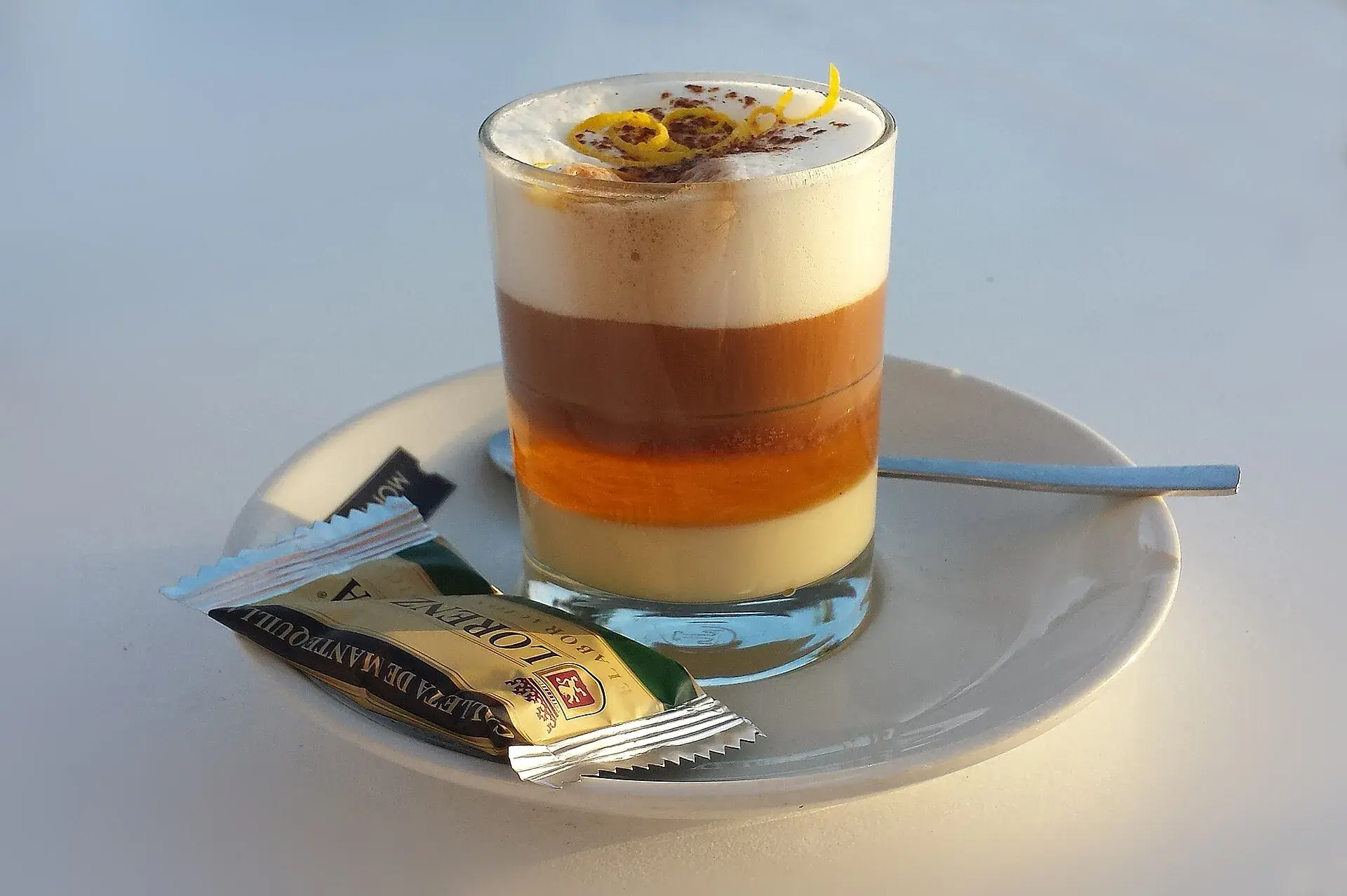
Canarian food glossary: menu words to order in Tenerife
Canarian food glossary with the words you will see on the menu: what barraquito, escaldón, enyesque, pella and carne fiesta mean, plus phrases for ordering.
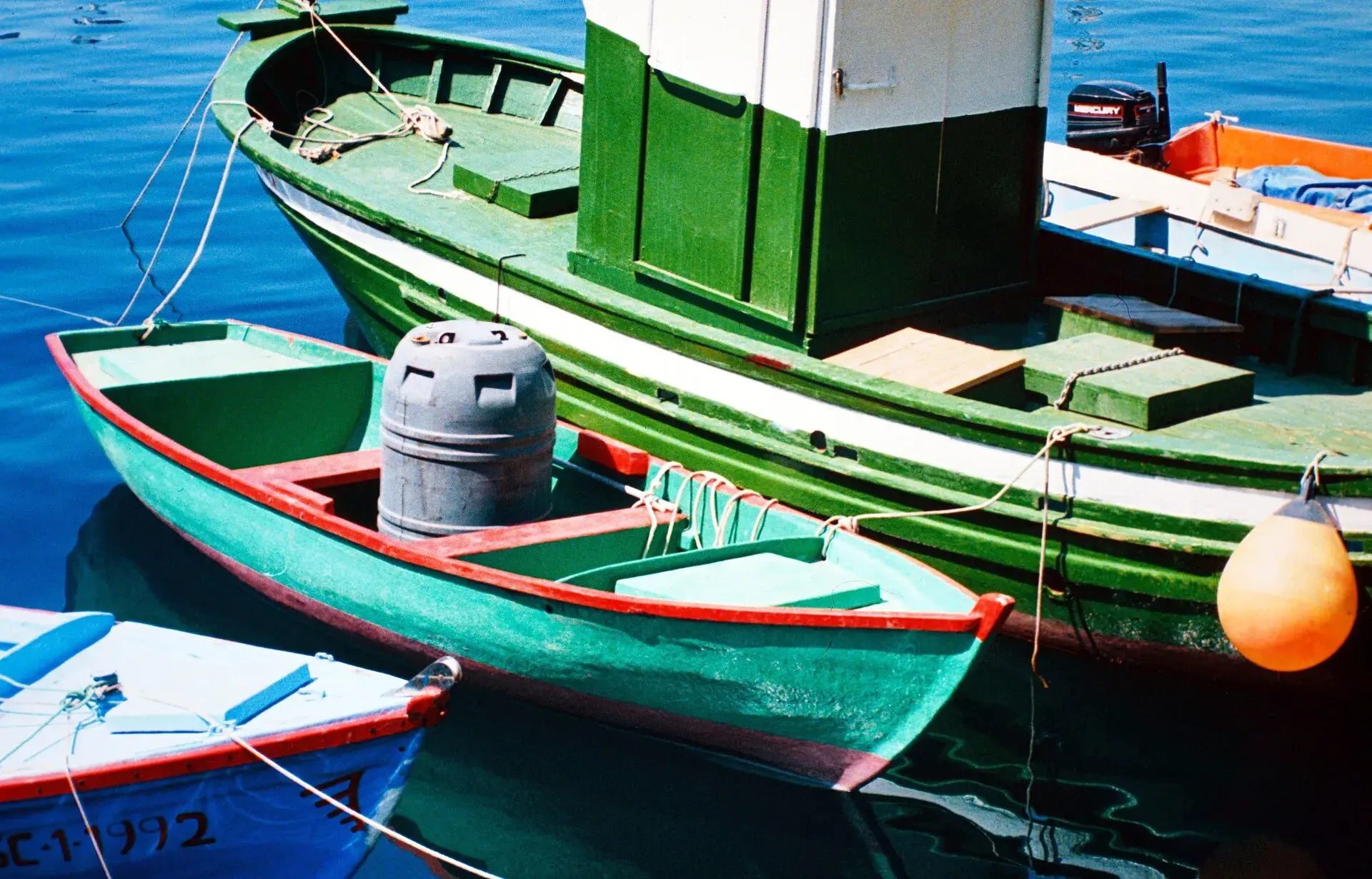
Where to eat fresh fish in Tenerife: harbours and fishermen
Where to eat fresh fish in Tenerife: harbours with a fishermen's guild, local species such as vieja or cherne, how ordering by weight works and the limpet ban.
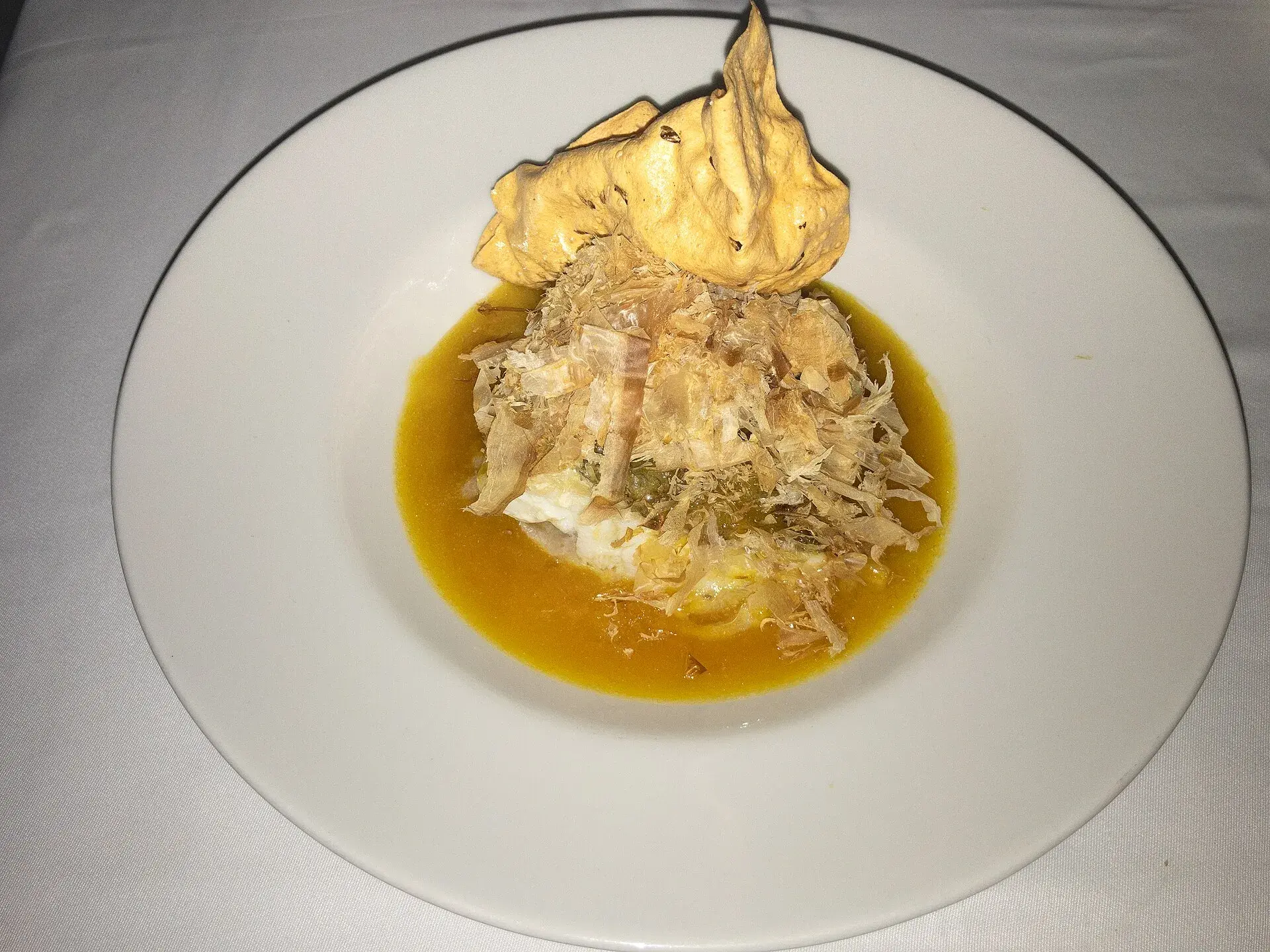
Michelin-starred restaurants in Tenerife and Repsol Suns
Michelin-starred restaurants in Tenerife in the 2026 edition: the 9 winners, their chefs and areas, the Bib Gourmands, the Repsol Suns and how to book a table.
Canarian food in Tenerife: typical dishes and where to try them
What to eat in Tenerife: wrinkled potatoes with mojo, gofio, goat, fresh fish, cheeses and PDO honey, desserts, and the kind of place to try each dish.