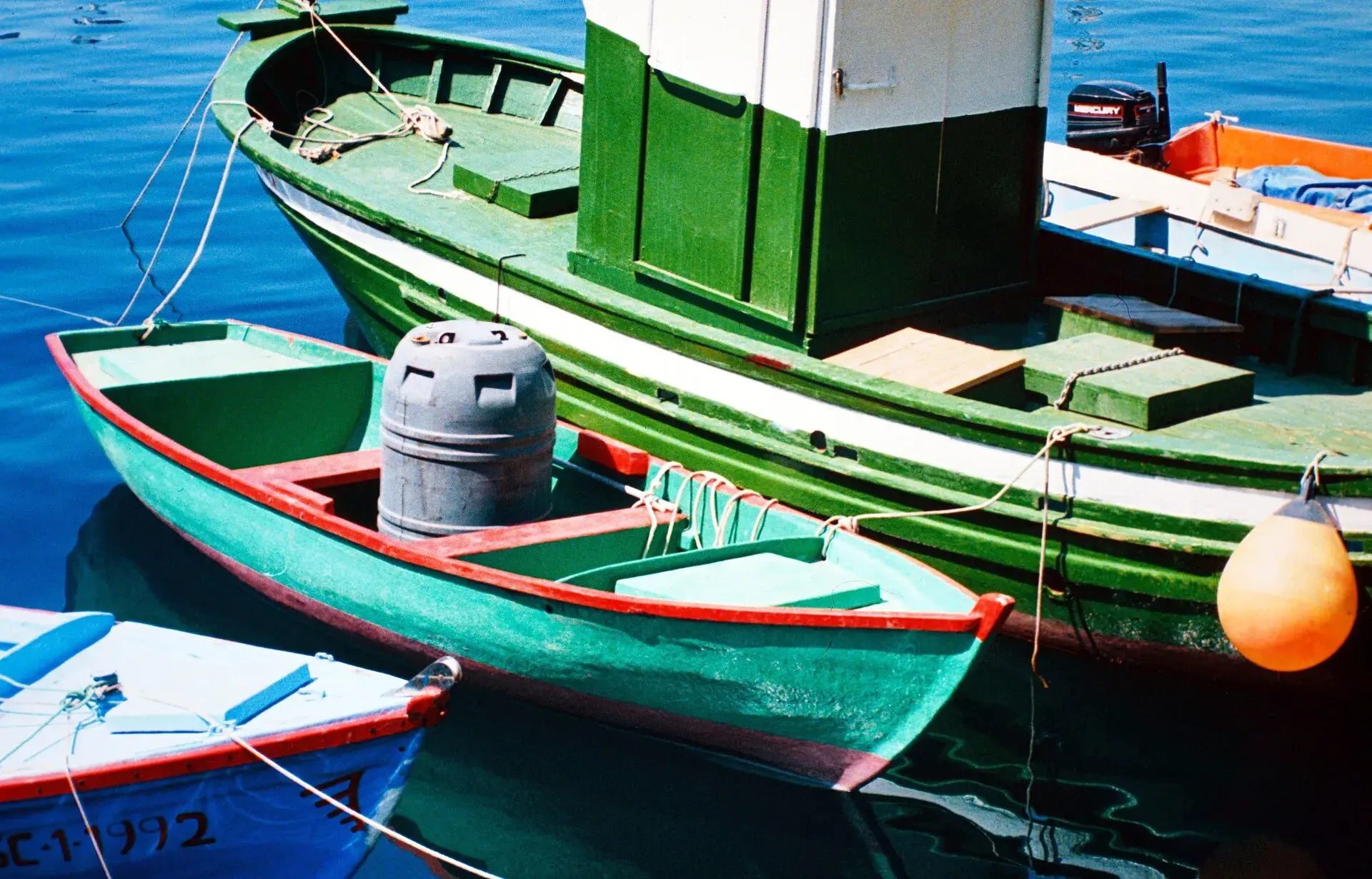
Photo by ingostrutz, CC BY-SA 3.0, via Wikimedia Commons
Where to eat fresh fish in Tenerife: harbours and fishermen
To eat fresh fish in Tenerife, the most reliable approach is to go to a village with an active fishing harbour, ask for the catch of the day and choose it from the display. There are nine harbours with a cofradía (fishermen's guild) registered by the Government of the Canary Islands: Punta del Hidalgo, El Pris, Puerto de la Cruz, San Marcos (Icod de los Vinos) and Garachico in the north; Playa San Juan, Los Cristianos and Tajao in the south and south-west; and Candelaria in the east. On top of those there are coastal villages with a long tradition of fish restaurants, such as San Andrés, Los Abrigos, Las Galletas or Alcalá. The species worth ordering are the rock fish from local small-scale fishing: vieja, sama, cherne, salema or abadejo, plus limpets outside the closed season.
This guide does not recommend specific restaurants: what is on offer changes, and the useful part is knowing where to go, what to order and how to tell local fish apart.
How to spot a good fish restaurant
- A display of whole fish: in Canarian fish restaurants you usually choose your fish from the display; it is charged by weight.
- Catch of the day: ask what came in that day and where it is from. A menu with many species available all year round usually points to frozen or imported fish.
- Few species, but local ones: a place with vieja, sama or abadejo of the day and limpets in season is a better sign than one with hake, salmon and prawns as its star dishes.
- Next to the quay: near harbours with a small-scale fleet is where the journey from boat to kitchen is shortest.
A word of warning about names: several restaurants are called "Cofradía" or "La Cofradía" without that guaranteeing that the harbour's fishermen's guild runs them. If it matters to you, ask.
Harbours and fishing villages by area
North
- Punta del Hidalgo (San Cristóbal de La Laguna): the Nuestra Señora de la Consolación guild, at the small harbour at the end of Anaga's north coast. It goes well with an afternoon at the natural pools or a walk to the end of the road, and the sun sets over the sea.
- El Pris (Tacoronte): the Nuestra Señora del Carmen guild. It is a small hamlet at the foot of the cliff, a good stop if you are touring the Tacoronte-Acentejo wine area.
- Puerto de la Cruz: the Gran Poder de Dios guild, at the fishing quay next to the plaza del Charco, right in the old town. It is the easiest option without a car in the north.
- San Marcos (Icod de los Vinos): the San Marcos guild, next to the beach of the same name.
- Garachico: the San Roque e Isla Baja guild, at the town quay. It combines well with a swim in the charcos (natural pools) of El Caletón; you will find more ideas in natural pools in Tenerife.
North-east: San Andrés
San Andrés, the coastal village next to Las Teresitas beach in Santa Cruz de Tenerife, has a street of fish and seafood restaurants that is very popular with people from the capital, especially at weekends. It has no guild of its own in the official directory. You can combine it with Las Teresitas beach or the drive up to Anaga.
South and south-west
- Playa San Juan (Guía de Isora): the Nuestra Señora de la Luz guild, at the fishing quay. It is a fishing village with a seafront promenade and a more local feel than the resort areas.
- Alcalá (Guía de Isora): a coastal village near Playa San Juan with catch of the day served in small restaurants; it is best to book.
- Los Cristianos (Arona): the las Mercedes guild, at the fishing quay next to the ferry port. Although it is a very touristy area, the fleet still lands its catch at the harbour.
- Las Galletas (Arona): a former fishing village with a marina and fishing harbour and fish restaurants along the promenade.
- Los Abrigos (Granadilla de Abona): a small fishing harbour with a row of fish restaurants above the quay and a fish market. It is close to Tenerife South airport, handy for a last meal before your flight.
If you are staying in this area, the guide what to see in the south of Tenerife helps you fit these villages into a route.
East
- Tajao (Arico): the San Miguel de Tajao guild. It is a small fishing village on the east coast, between the TF-1 motorway and the sea, with several fish restaurants around the harbour. Very convenient on the way between the south and Santa Cruz.
- Candelaria: the Nuestra Señora de Candelaria guild, near the basilica and the square, so you can combine it with a visit to the shrine.
Local species worth knowing
The Cabildo de Tenerife (the island government) describes the vieja as the fish Canarians prize most. These are the species you will see most often in the displays:
- Vieja: a rock fish (parrotfish) with white, very delicate flesh. It is eaten mostly sancochada (boiled) with potatoes and mojo, or grilled.
- Cherne: firm flesh. Fresh, it is grilled; salted, it is the basis of the Canarian sancocho with potatoes, sweet potato and mojo.
- Sama and bocinegro: rock fish of the same family (sea breams), with firm flesh, very often grilled or cooked a la espalda.
- Abadejo: white, juicy flesh; it is fried, grilled or cooked in broth.
- Salema: a small fish with an intense flavour, usually fried or grilled.
- Morena: fried in thin, crunchy strips, a typical tapa in coastal villages. It has bones; ask how they serve it.
- Lapas: rock limpets served grilled in their shells with green mojo.
- Burgados: small sea snails eaten boiled, picked out with a toothpick.
- Tuna and other tunas: tuna fishing in the Canary Islands is seasonal. When there is fresh tuna of the day it shows on the menu: in chunks, grilled or marinated (en adobo).
Rock fish depends above all on the state of the sea: in rough weather the boats do not go out and there is less variety. A short display on those days is consistent with local fish.
How to order and how it is cooked
By weight
You choose the fish from the display and it is charged by the kilo, at the price shown on the board or the menu. Ask the price per kilo and the approximate weight of the fish before they cook it: a large fish can push the bill up a lot. For two people, a medium-sized fish is usually enough.
Common preparations
- A la plancha: grilled on a hot plate, the simplest way, with oil, garlic and sometimes green mojo.
- A la espalda: the fish opened along the back, grilled or cooked over embers, with a garlic and oil dressing poured over it.
- Sancochado: boiled in salted water, served with potatoes, sweet potato and mojo; the classic way for vieja and salted fish.
- Frito: fried, for small fish (salemas, chicharros) and for morena.
- En caldo or cazuela: fish broth with potatoes, often the basis of a gofio escaldón.
If you come across an unfamiliar word on the menu, the Canarian food glossary will help you order.
Side dishes
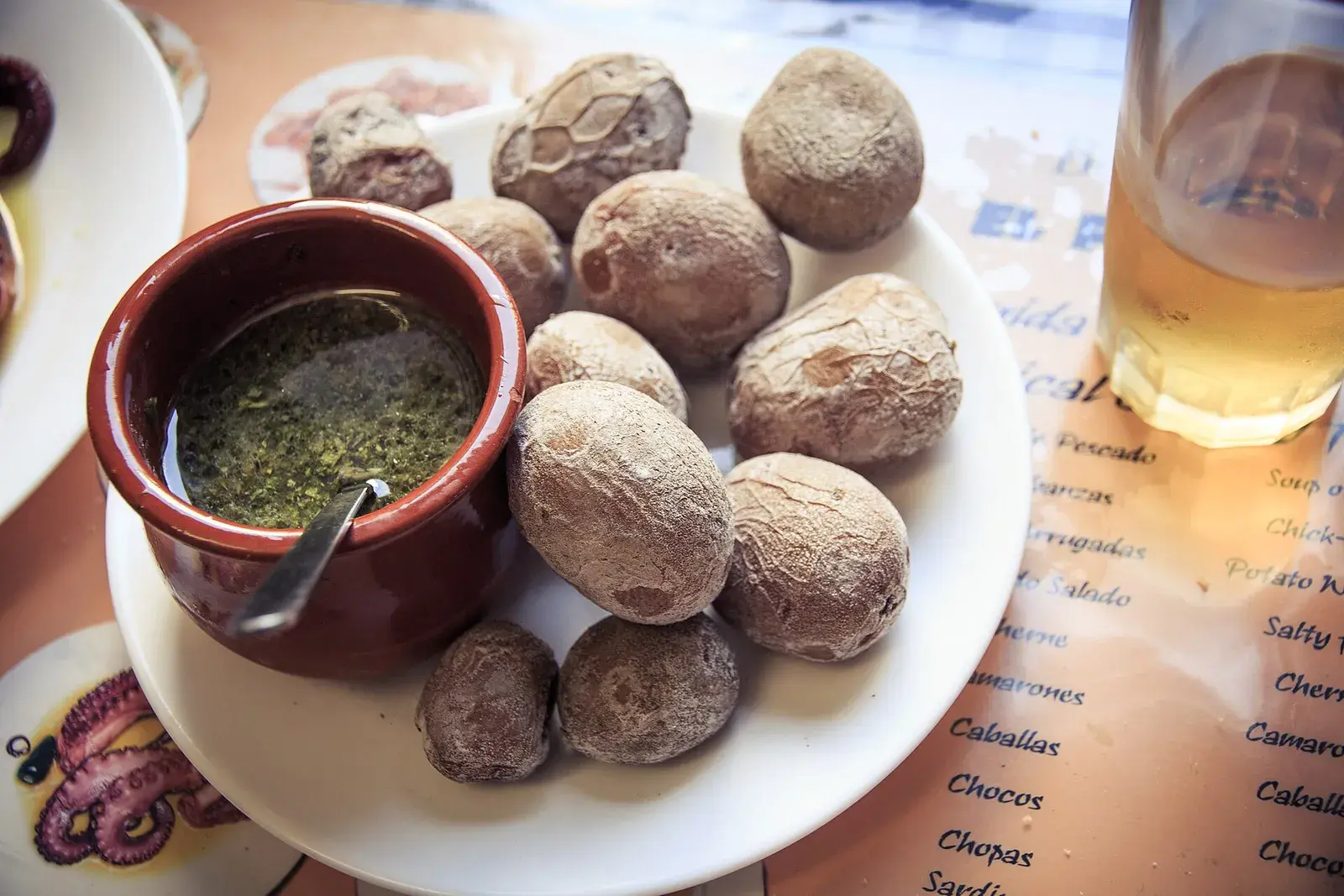
The usual sides are papas arrugadas or boiled potatoes with green mojo, salad and bread. Limpets and queso asado (grilled cheese) are the most ordered starters. To understand the rest of the island's cuisine, read the guide to Canarian food.
Small-scale fishing or imported fish
In the Canary Islands the inshore fleet is small-scale: small boats that go out and come back the same day. That fish is what makes eating in a fishing village worthwhile, but not everything served on the island is local. Species such as salmon, hake or a good part of the shellfish usually come from elsewhere. To know what you are eating:
- Ask directly whether the fish is from the island and from which day.
- Look at the species: vieja, sama, cherne, abadejo, salema or burgados are species from Canarian waters.
- Be wary of fixed offers of a "fresh fish platter" at a set price in very touristy areas.
The limpet closed season and other rules
According to the fisheries department of the Government of the Canary Islands, between 1 December and 30 April, both inclusive, limpets and burgados may not be collected on any island. The minimum size for a limpet is 45 mm along its longest axis, and there are areas on each island closed all year round for limpets, burgados and sea urchins.
What this means for you:
- At a restaurant: if you see limpets on the menu between December and April, ask where they come from.
- If you want to gather shellfish: recreational shellfish gathering has daily quotas (for example, 3 kg of limpets per person per day), minimum sizes and prohibited areas. Check the closed-area map on the Government of the Canary Islands fisheries website before taking anything from the rocks.
Markets for buying fish
If you are cooking in your accommodation, the municipal markets have fishmongers with produce of the day. The Mercado de Nuestra Señora de África in Santa Cruz and the La Laguna market open almost every day in the morning. You will find opening hours and details in the guide to markets in Tenerife.
Common mistakes
- Ordering without asking the price per kilo: the most common cause of surprises on the bill.
- Going in rough seas and expecting a wide choice: in stormy weather there is less rock fish.
- Taking limpets from the rocks during the closed season: it is prohibited and fined.
Frequently asked questions
What is the most typical fish in Tenerife?
The vieja, which the Cabildo de Tenerife describes as the fish Canarians prize most. Cherne, sama, abadejo and salema are also very common, plus limpets as a starter.
Where can you eat the freshest fish in Tenerife?
In villages with an active fishing harbour and a fishermen's guild, such as Punta del Hidalgo, Puerto de la Cruz, Garachico, Playa San Juan, Los Cristianos, Tajao or Candelaria, and in coastal villages such as San Andrés or Los Abrigos. Always ask for the catch of the day.
When is the limpet closed season in the Canary Islands?
From 1 December to 30 April limpets and burgados may not be collected on any island, according to the Government of the Canary Islands. There are also areas closed all year round.
Why is fish charged by weight?
Because you choose the whole fish from the display and the price depends on its size. Ask the price per kilo and the estimated weight before ordering to avoid surprises.
What is fish a la espalda?
A way of preparing it opened along the back and cooked on the grill or over embers, with a garlic and oil dressing poured over it. It is very common with sama and other rock fish.
Keep planning
You may also like
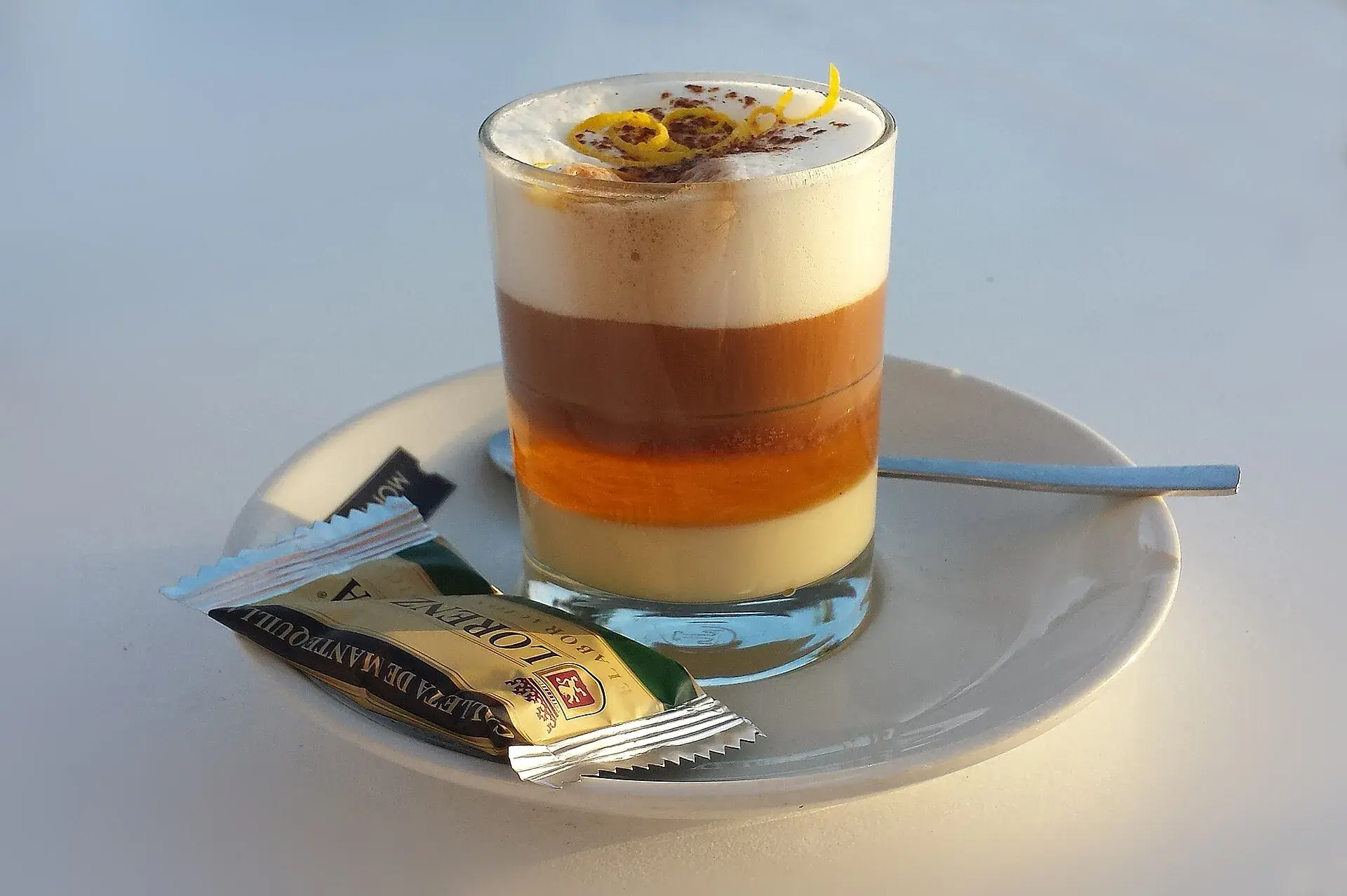
Canarian food glossary: menu words to order in Tenerife
Canarian food glossary with the words you will see on the menu: what barraquito, escaldón, enyesque, pella and carne fiesta mean, plus phrases for ordering.
Michelin-starred restaurants in Tenerife and Repsol Suns
Michelin-starred restaurants in Tenerife in the 2026 edition: the 9 winners, their chefs and areas, the Bib Gourmands, the Repsol Suns and how to book a table.
Tenerife wineries to visit: a practical wine tourism guide
Tenerife wineries to visit by designation of origin, the Casa del Vino, what a tasting includes, harvest, San Andrés and getting around without driving.
Canarian food in Tenerife: typical dishes and where to try them
What to eat in Tenerife: wrinkled potatoes with mojo, gofio, goat, fresh fish, cheeses and PDO honey, desserts, and the kind of place to try each dish.