Photo by Jürgen Lindert, Lindi44, CC BY-SA 3.0 de, via Wikimedia Commons
Canarian food glossary: menu words to order in Tenerife
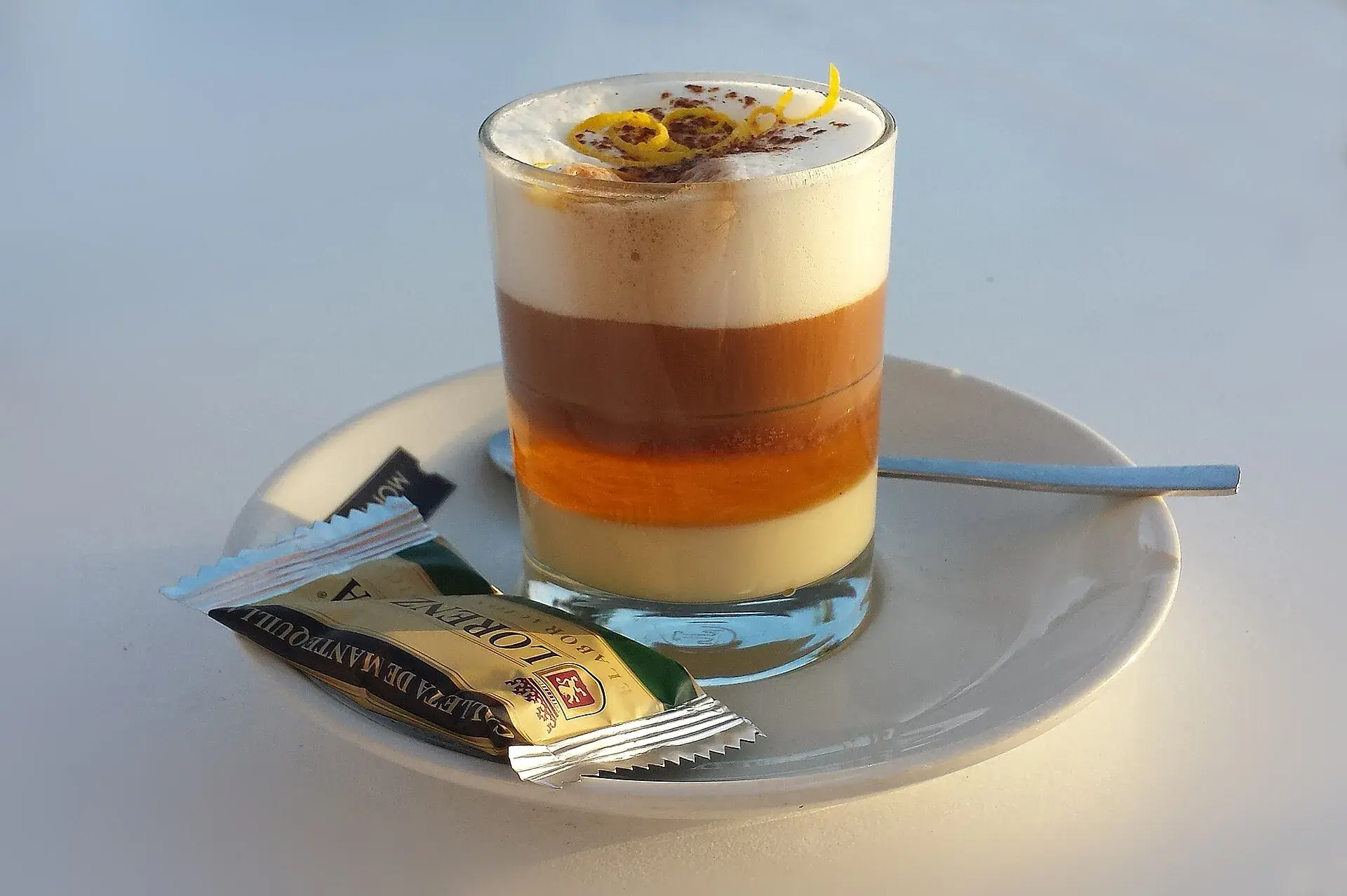
In Tenerife, menus and bar counters use words you will not hear on the Spanish mainland: papas instead of patatas (potatoes), millo instead of maíz (maize), guagua instead of autobús (bus). This glossary gathers, in alphabetical order, the Canarian food words that come up most often in bars, guachinches and restaurants, with a short definition of each. The barraquito, for example, is a layered coffee with condensed milk, liqueur, coffee, frothed milk, cinnamon and lemon. If you want the history and details of each dish, the guide to Canarian food in Tenerife explains them at more length; this is the quick reference to keep handy at the table.
Canarian food glossary from A to V
A
- Almogrote: a spread made of grated cured cheese, garlic, pepper and oil, typical of La Gomera. In Tenerife it is served with bread or potatoes as a starter, including in many guachinches.
B
- Barraquito: Tenerife's signature coffee. It is built in layers in a glass: condensed milk, liqueur (usually a vanilla and citrus liqueur), coffee, frothed milk, cinnamon and lemon peel. According to Turismo de Tenerife, the name is attributed to a customer nicknamed "Barraco" who ordered it in the bars of the capital, and in Santa Cruz and La Laguna you may have to ask for a "barraquito especial" or "zaperoco". Without alcohol, ask for a barraquito sin licor.
- Bienmesabe: a cream of ground almonds, sugar, egg and lemon. It is associated with La Palma but found all over the island, often poured over ice cream.
C
- Carne fiesta: pieces of pork marinated in paprika, garlic, oregano, vinegar and oil, then fried. It is the food of village fiestas and comes with potatoes.
- Cherne: a firm-fleshed fish (wreckfish), the basis of the Canarian sancocho with salted fish, potatoes and sweet potato.
- Chiringuito: a beach bar or kiosk, as in the rest of Spain. For the catch of the day, a harbour restaurant is a better bet.
- Conejo en salmorejo: rabbit marinated in a sauce of garlic, pepper, herbs, vinegar, wine and oil, fried and finished in the sauce itself. One of the most ordered meat dishes on the island.
- Cortado: espresso with a dash of milk, served in a small glass. In the Canary Islands a distinction is made between the cortado natural (with milk) and the cortado de leche y leche (with condensed milk and milk).
E
- Enyesque: a Canarian word for tapa or appetiser, whatever you nibble before a meal or with a drink. "Un enyesque" can be a plate of cheese, olives or potatoes.
- Escaldón: gofio mixed with hot fish, meat or puchero broth until it forms a thick paste. It is usually served with raw onion and mojo.
F
- Frangollo: a dessert of maize flour cooked with milk, sugar, raisins, almonds and cinnamon, served cold and firm.
G
- Garbanzas: chickpeas stewed with pork, chorizo and vegetables, sometimes called garbanzas compuestas. A guachinche staple.
- Gofio: flour made from toasted cereals (barley, wheat, maize) and sometimes pulses. It is eaten at breakfast, thickens stews and is the basis of escaldón and pella. It has Protected Geographical Indication status as Gofio Canario.
- Guachinche: a seasonal eating house run by wine-growing families, mostly in the north, where they serve their own wine with a short menu of home-cooked dishes. Before you go, read the guachinches guide.
- Guarapo: the sap of the Canary Island date palm, collected mainly in La Gomera, which when boiled down gives the so-called miel de palma (palm honey). It is not a Tenerife dish, but palm syrup is used in desserts and sold in local produce shops.
L
- Lapas: rock limpets grilled in their shells and served with green mojo. A typical starter in coastal restaurants.
- Leche y leche: coffee with condensed milk and ordinary milk. It is the basis of the barraquito without liqueur.
M
- Media ración: half a ración (sharing plate), at the corresponding price. Handy for trying more dishes.
- Millo: maize. It appears in stews, in gofio and as boiled corn on the cob.
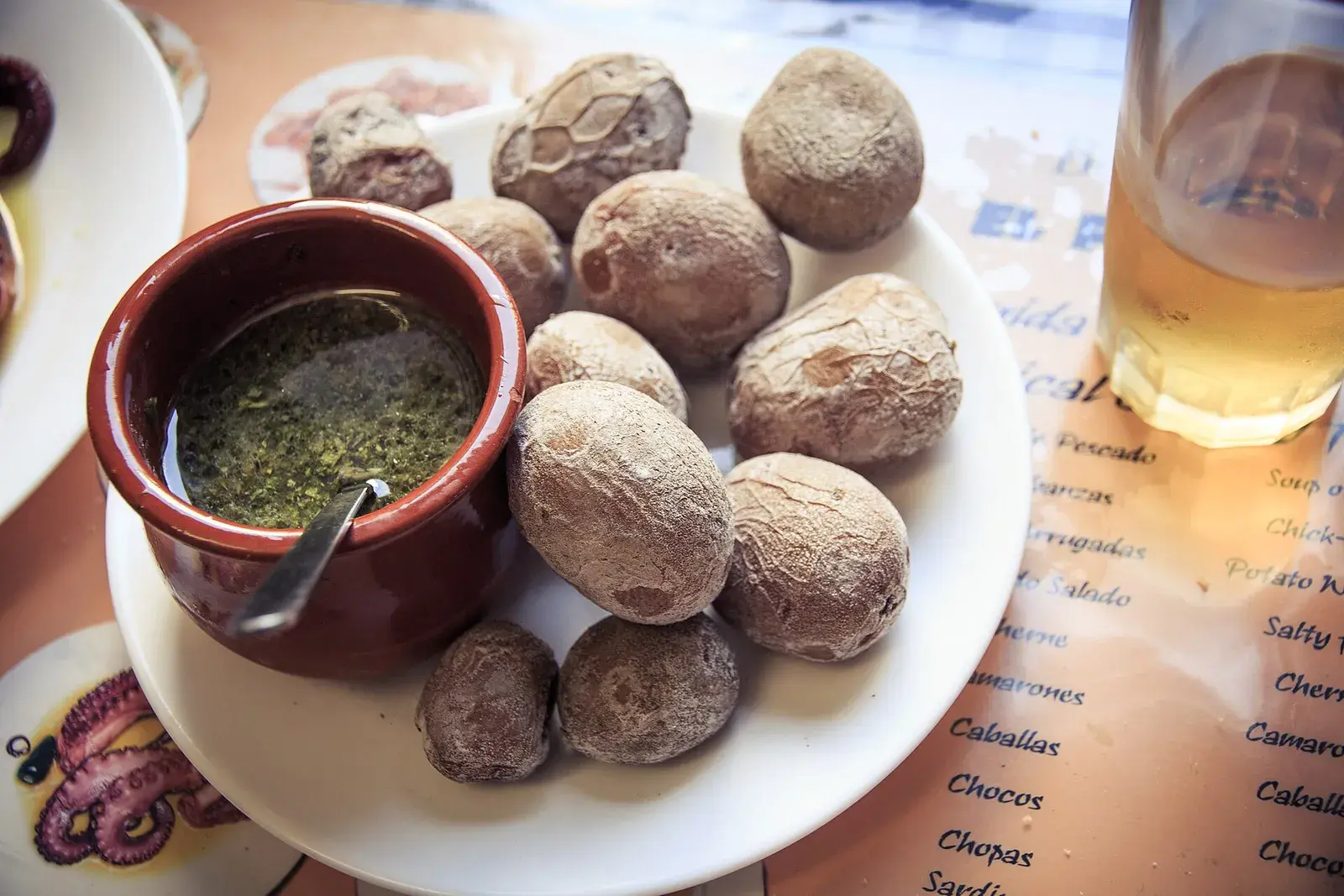
- Mojo: the Canarian dipping sauce. Mojo rojo or mojo picón (also colorado) contains chilli or paprika, garlic, cumin, oil and vinegar, and can be spicy; it goes with potatoes and meat. Mojo verde is made with coriander or parsley and green pepper; it is milder and goes with fish.
- Morena: a rock fish (moray eel) served fried in crunchy pieces.
P
- Papas arrugadas: small potatoes boiled in their skins in very salty water until the skin wrinkles and turns white with salt. They are eaten skin and all, with mojo.
- Papa bonita: one of the Canary Islands' heritage potato varieties, with dense, flavourful flesh, named by Turismo de Tenerife among the best for papas arrugadas, together with the papa negra and the azucena.
- Pella: gofio kneaded with water (sometimes with sugar, honey or almonds) into a roll and cut into slices. It accompanies salted fish and stews.
- Potaje de berros: a watercress stew with potatoes, maize, pulses and often pork ribs. One of the most characteristic stews of Tenerife.
- Puchero canario: a hotpot with several meats, chickpeas, vegetables and potatoes. Its broth is used to make escaldón.
Q
- Queso asado: goat's cheese roasted or grilled, served with red and green mojo or with honey. One of the most ordered starters.
- Quesillo: the Canarian flan, denser, made with condensed milk.
R
- Rancho canario: a thick stew halfway between soup and potaje, with chickpeas, potatoes, thick noodles and meat.
- Ración: a full plate for sharing, larger than a tapa.
- Ropa vieja: chickpeas sautéed with shredded meat (beef, chicken or both), potatoes, pepper and spices. It is a different dish from the ropa vieja of other regions.
S
- Sancocho: salted fish (often cherne) boiled with potatoes and sweet potato, served with mojo and pella de gofio.
T
- Tapa: a small portion to go with a drink. In many tourist areas tapas are charged for; ask if it is not clear.
- Truchas: sweet fried pasties filled with sweet potato or cabello de ángel (candied squash). They are the Christmas sweet par excellence.
V
- Ventorrillo: a food and drink stall or booth at fiestas, romerías (pilgrimage festivals) and fairs. It is the place for carne fiesta.
- Vieja: a rock fish (parrotfish) with white, delicate flesh, the one Canarians prize most according to the Cabildo (the island government). It is cooked sancochada (boiled), grilled or baked.
Canarian words worth recognising
Some words are not dishes but come up when ordering or reading the menu:
- Papas, not patatas: in the Canary Islands potatoes are called papas in every context.
- Sancochado: boiled in water; "papas sancochadas" are boiled potatoes.
- Picón: spicy or made with paprika; a "mojo picón" is hot.
- De la tierra: locally produced. "Vino de la tierra" or "queso de la tierra" means it comes from the island. For wine, see Tenerife wine.
- Pescado del día: the fish that came in that morning. You choose it from the display and pay by weight; more details in the guide to fresh fish in Tenerife.
Useful phrases for ordering
- "¿Qué tienen de pescado del día y a cuánto está el kilo?" (What is the catch of the day and how much per kilo?) Avoids surprises on the bill.
- "Unas papas arrugadas con mojo, por favor." (Some papas arrugadas with mojo, please.) If they do not bring both mojos, ask for "el rojo y el verde" (the red and the green).
- "¿El mojo rojo pica mucho?" (Is the red mojo very hot?) The heat varies a lot from one place to another.
- "¿Esto es una tapa, una ración o media ración?" (Is this a tapa, a ración or a half ración?) Raciones are usually generous: start with a few.
- "¿El escaldón (o el potaje) lleva caldo de carne?" (Is the escaldón, or the stew, made with meat stock?) Useful for vegetarians.
- "Un barraquito", or "un barraquito sin licor" (without liqueur), "un cortado natural", "un leche y leche".
- "¿Qué vino de la casa tienen?" (What house wine do you have?) In guachinches this is the key question: the wine is their own.
- "¿Me cobra, por favor?" (Can I pay, please?) To ask for the bill. Tipping is not compulsory; read the guide to tipping in Tenerife.
Frequently asked questions
What does barraquito mean?
It is Tenerife's typical coffee: condensed milk, liqueur, coffee, frothed milk, cinnamon and lemon peel, served in layers in a glass. The name is attributed to a customer nicknamed "Barraco" who ordered it in the bars of Santa Cruz.
What is the difference between a cortado and a leche y leche?
A cortado natural is coffee with a dash of milk. A leche y leche has condensed milk at the bottom and ordinary milk on top, so it is sweeter.
What is enyesque?
It is the Canarian word for tapa or appetiser: whatever you nibble with a drink or before a meal.
What are pella and escaldón?
Both are ways of eating gofio. Pella is gofio kneaded with water into a roll that is cut into slices; escaldón is gofio mixed with hot broth until it forms a paste.
Is mojo picón always spicy?
Not always. Red mojo, or mojo picón, contains chilli or paprika and its heat depends on each kitchen; green mojo, made with coriander or parsley, is milder.
Keep planning
You may also like
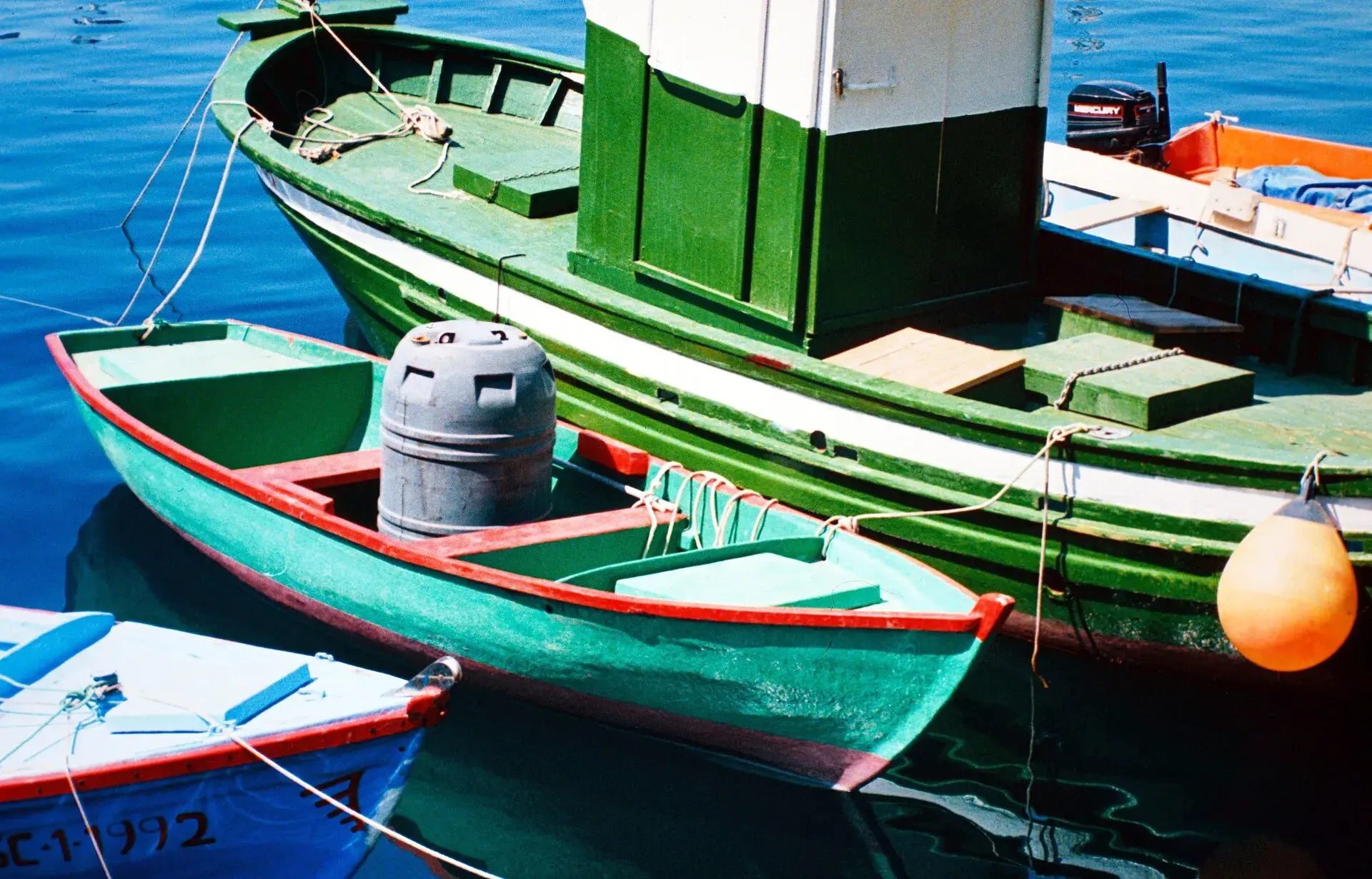
Where to eat fresh fish in Tenerife: harbours and fishermen
Where to eat fresh fish in Tenerife: harbours with a fishermen's guild, local species such as vieja or cherne, how ordering by weight works and the limpet ban.
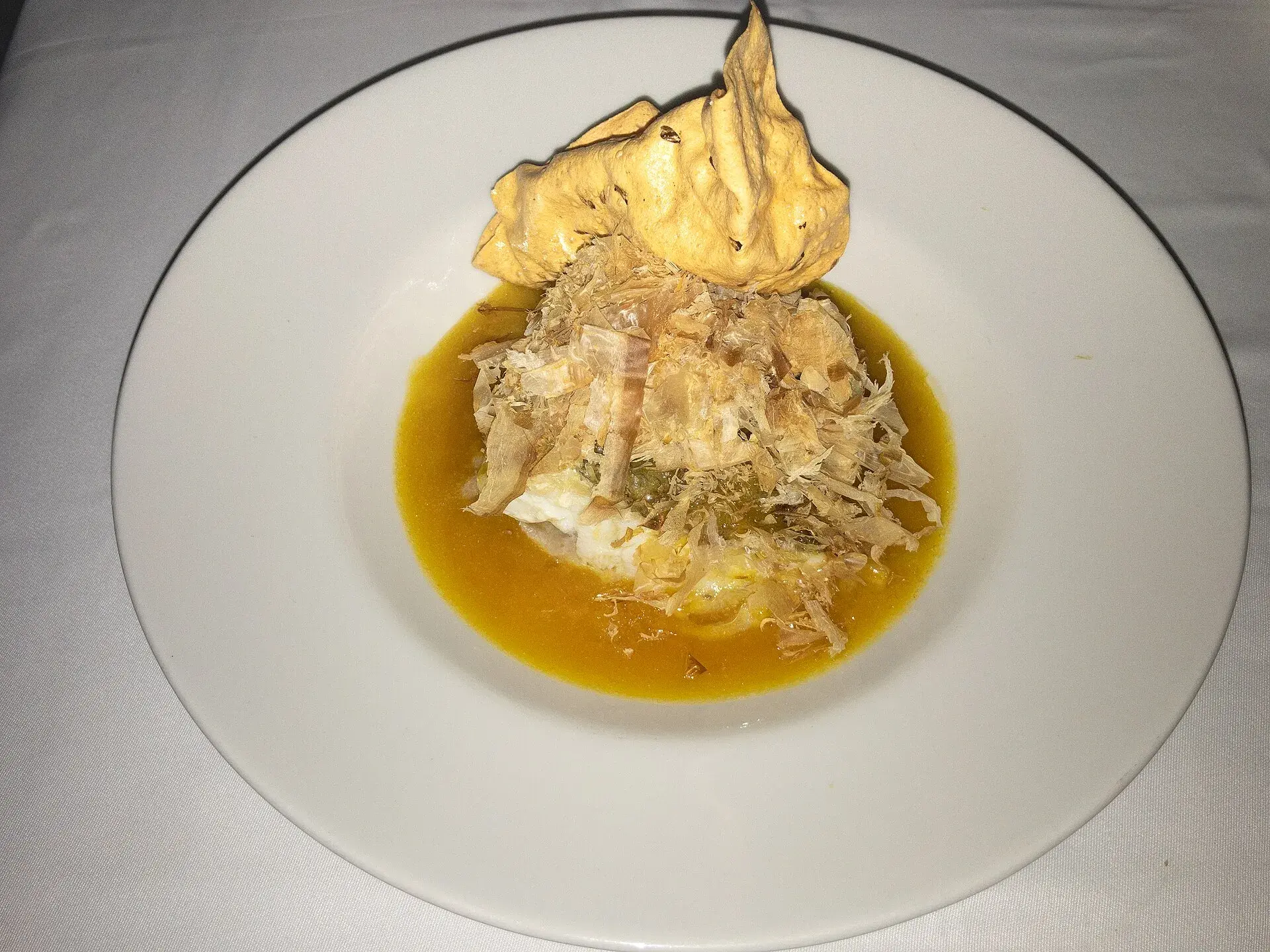
Michelin-starred restaurants in Tenerife and Repsol Suns
Michelin-starred restaurants in Tenerife in the 2026 edition: the 9 winners, their chefs and areas, the Bib Gourmands, the Repsol Suns and how to book a table.
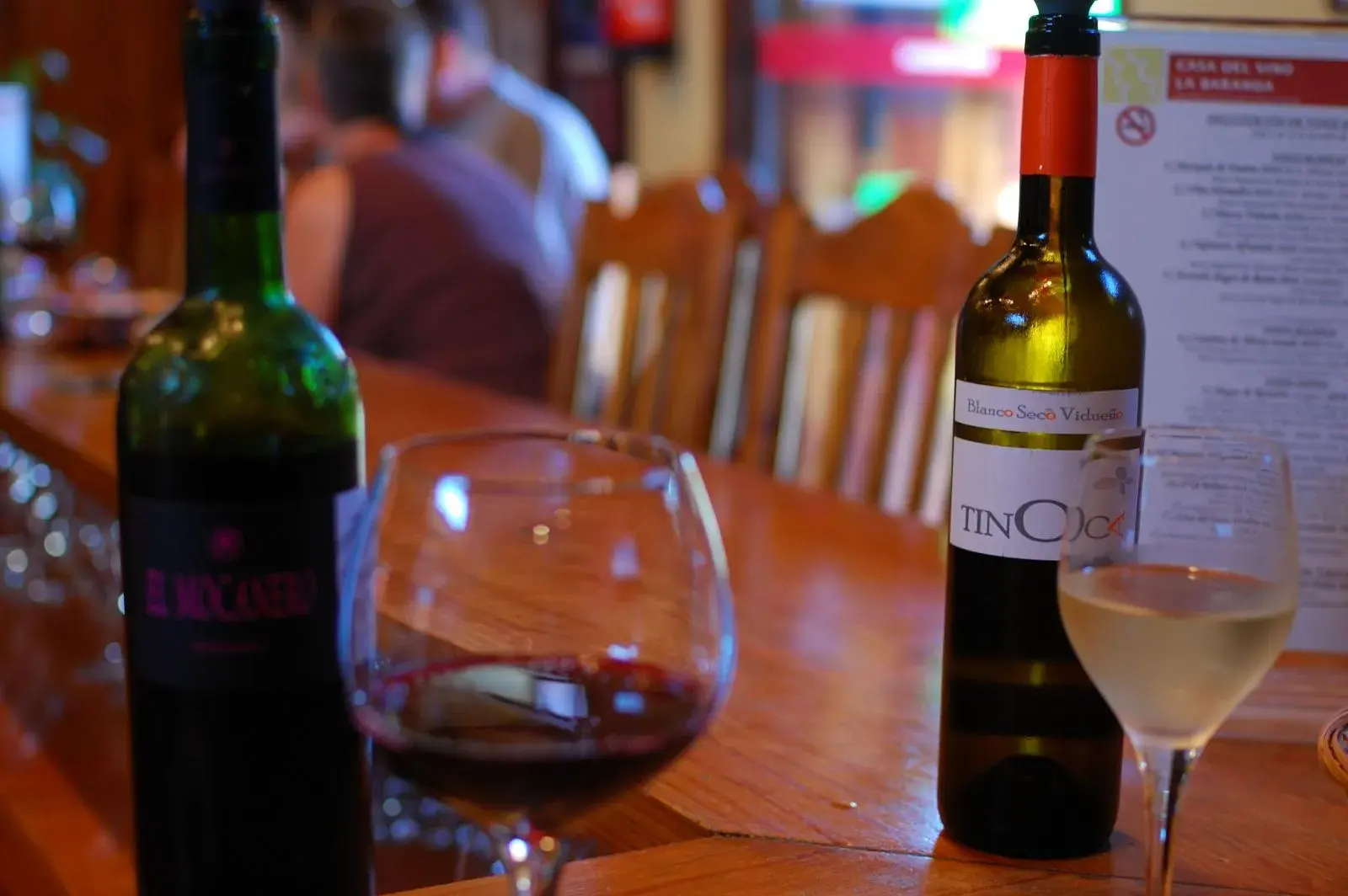
Tenerife wineries to visit: a practical wine tourism guide
Tenerife wineries to visit by designation of origin, the Casa del Vino, what a tasting includes, harvest, San Andrés and getting around without driving.
Canarian food in Tenerife: typical dishes and where to try them
What to eat in Tenerife: wrinkled potatoes with mojo, gofio, goat, fresh fish, cheeses and PDO honey, desserts, and the kind of place to try each dish.