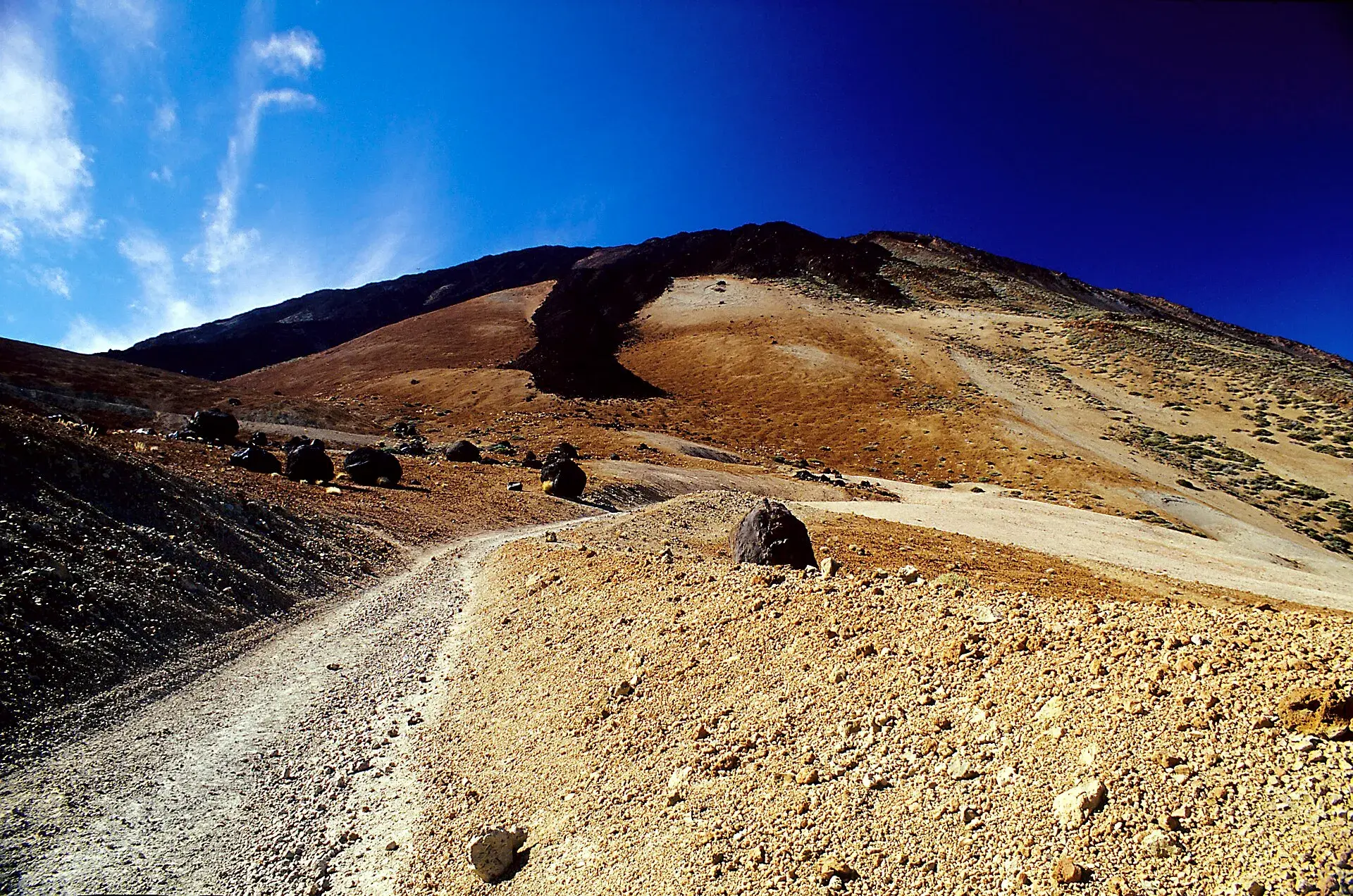
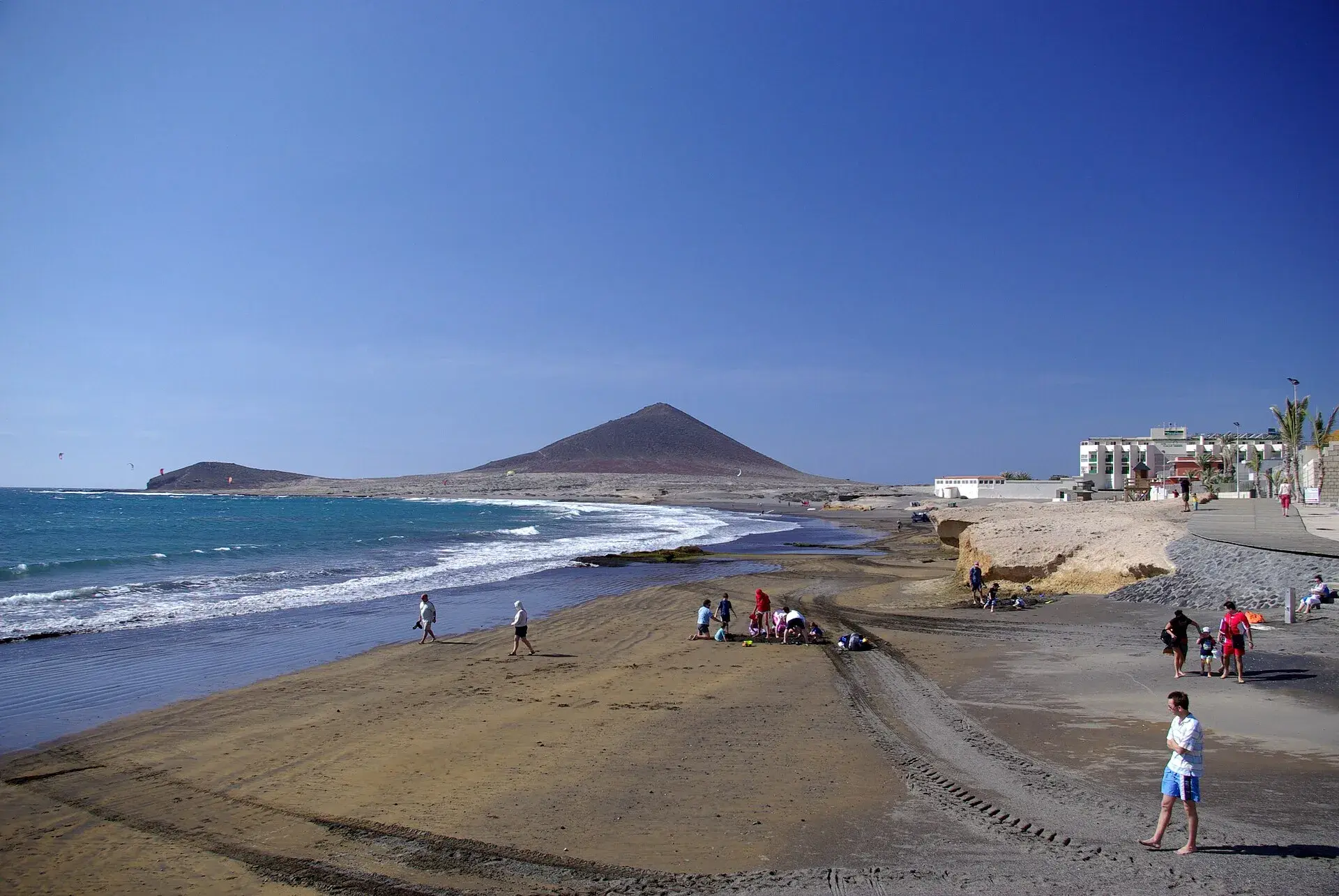
Photo by Falk2, CC BY-SA 4.0, via Wikimedia Commons
What to pack for Tenerife: packing list by season and area
What to pack for Tenerife depends less on the month than on how high you plan to go: the south coast is at 22 °C in January, but on Mount Teide the average low that month is 1 °C, according to AEMET (the Spanish State Meteorological Agency). The basic suitcase is summer clothes, one genuinely warm layer, closed shoes with a hiking sole, high-factor sun protection and your documents in order. What follows is the list in blocks, so you can tick off what applies to your plans.
The essentials
- Documents and cards: a valid passport (or national ID card for EU citizens), your GHIC or EHIC and bookings downloaded to your phone (cable car, permits, car).
- Sun protection: high-factor sunscreen, sunglasses and a cap or hat.
- A warm layer: a fleece or light down jacket, even if you travel in August.
- Windproof or thin rain jacket: for the north, the sea of clouds and the summits.
- Closed shoes with a good sole: even if you do not plan to hike, Mount Teide and the viewpoints call for them.
- Swimsuit, microfibre towel and water shoes.
- Reusable bottle and small backpack for day trips.
- Charger, power bank and adapter if you are coming from outside continental Europe.
Clothes by season
On the coast, the difference between winter and summer is about 6 or 7 degrees in the daytime high (21.7 °C in January and 28.4 °C in August at Tenerife South, AEMET climate normals). The list changes mainly in the layers for the evening and for altitude. Month-by-month data is in Tenerife weather by month.
- November to March: summer clothes for daytime in the south, long trousers and a jacket for evenings on the coast (lows are around 15 °C), a jumper or fleece, a rain jacket if you are staying in the north, and full winter clothing if you are going up Mount Teide: coat, hat, gloves.
- April to June: summer clothes, a sweatshirt for the evening and the midlands, a windproof jacket. The spring sun is deceptive: the breeze cools you down but you burn just the same.
- July to October: very light, breathable clothes, a hat, a spare swimsuit. For Mount Teide at sunset or at night, long trousers and a fleece.
Clothes by area
The beach resorts of the south
Costa Adeje, Los Cristianos, El Médano or Los Gigantes work with summer clothes almost all year round. Add a long-sleeved top for the wind in El Médano and for terraces at night, and something smart if you plan to dine in hotel restaurants, some of which have an evening dress code.
The north and the midlands
Puerto de la Cruz, La Laguna, La Orotava or Anaga have cloudy, cool afternoons and rain from October to March. Dress in layers: T-shirt, sweatshirt and a light rain jacket. In La Laguna, above 500 m, winter nights call for a proper jacket. For the laurel forest (laurisilva) of Anaga, clothes that can get wet and dry quickly.
Mount Teide and the summits
La Rambleta, where the cable car arrives, is at 3,555 m. At Izaña, at 2,369 m, AEMET records average lows of 1 to 3 °C from December to March and about 14 °C in high summer, and higher up it is colder and windier. To go up:
- Always: long trousers, fleece, windproof jacket, hat, sunglasses and sunscreen.
- In winter: also a warm coat, gloves and a neck gaiter. If it has snowed, roads may be closed; check their status before you set off.
- For sunrise or stargazing: winter clothes in any month. At those hours the temperature drops several degrees below the daily average.
What you need to know about the cable car and its closures is in the Teide cable car.
Footwear
- Sandals or flip-flops: for the promenade and the sandy beaches of the south.
- Water shoes: very useful. Many beaches in the north and west are made of callaos (rounded pebbles) or black sand that burns in summer, and the natural pools have slippery rock and sea urchins. You can buy them there, but bringing them saves you the first day.
- Trail shoes or light boots: for mountain routes, the malpaís (lava fields) of Mount Teide and the trails of Anaga and Teno. A lugged sole is better than a smooth one.
- Comfortable everyday trainers: the old towns of La Laguna and La Orotava have slopes and cobblestones.
Sun protection and altitude
Tenerife lies at the latitude of the Sahara and the UV index is high almost all year round; on Mount Teide, with less atmosphere overhead, it is even higher. Bring high-factor sunscreen and reapply every two hours, including on cloudy days in the north. The sea of clouds filters the light but not the radiation.
Altitude matters too: at 3,555 m some people feel dizzy, get headaches or feel tired. Going up on the cable car is not recommended for people with heart or respiratory problems, pregnant women or young children; check the recommendations on the official website before booking. Drink water and take it slowly.
Documents, health and insurance
- Passport from the UK: Tenerife is in Spain and the Schengen area, so the post-Brexit rules apply. According to the UK government, your passport must have been issued less than 10 years before the day you arrive and must be valid for at least 3 months after the day you plan to leave. You can stay up to 90 days in any 180-day period without a visa, and earlier Schengen visits in those 180 days count.
- Border checks: the EU Entry/Exit System (EES) is now in place, so on your first entry the passport check records your fingerprints and a photo; allow extra time at the airport. The ETIAS travel authorisation is not yet in operation and no application is needed for now; ignore websites that charge for one.
- From other countries: EU citizens can travel with their national ID card. Travellers from the United States, Canada, Australia and other non-EU countries follow the same Schengen rules as UK visitors: a valid passport and, depending on nationality, a visa.
- Permits and tickets: the Teide summit permit is requested on Tenerife ON and checked together with an ID document, so bring the same one you used to apply. The details are in the permit to climb Teide peak.
- Health card: UK residents should bring a GHIC (UK Global Health Insurance Card) or a still-valid UK EHIC, which gives access to necessary state healthcare in Spain on the same terms as a resident. EU visitors use their EHIC.
- Travel insurance: essential. The UK government points out that a GHIC or EHIC is not an alternative to travel insurance: it does not cover medical repatriation, private clinics or non-urgent treatment, and many clinics in the tourist areas are private. Make sure your policy covers any adventure activities you plan.
- Driving licence: if you are going to hire a car, a valid licence and a credit card in the driver's name; requirements vary by company.
Electronics
- Plugs: the same as in the rest of Spain, type F (Schuko, two round pins), compatible with type C, at 230 V and 50 Hz. From the UK or the Americas you need an adapter.
- Power bank: your phone drains quickly with GPS on a hike, and the cold on Mount Teide reduces battery life.
- Offline maps: in Anaga, Teno and at the bottom of the ravines (barrancos), coverage is patchy.
- Waterproof pouch: for boat trips and the natural pools.
Travel first-aid kit
- Your regular medication with the prescription or package leaflet, in your hand luggage.
- Painkillers, anti-diarrhoeal medicine, rehydration salts and blister plasters.
- Sunburn cream or aloe vera.
- Antihistamines if you have allergies.
- Seasickness tablets if you are taking a boat to see whales and dolphins or to La Gomera: the Atlantic has a swell even when it is sunny.
There are pharmacies in every municipality and duty pharmacies on a rota; whatever you forget, you will find there.
Travelling with children
- Swimwear with UV protection and a cap that ties on.
- Water shoes for each child: natural pools are their favourite spot and the rock is sharp.
- A warm layer for them too if you go up Mount Teide.
- A baby carrier backpack rather than a pushchair for trails, viewpoints and old towns with slopes.
- Child car seats: hire companies offer them, but they run out in high season; book them with the vehicle.
For hiking: Masca, Mount Teide and Anaga
- Masca Gorge: access is regulated and booked on the official website, which requires suitable footwear and clothing, enough water and a charged phone, and provides a helmet that you wear for the whole route. If you do not meet the requirements, you will not be let in. The check takes place at the Masca Visitor Centre 30 minutes before your slot. The route is downhill only and ends with a boat, paid separately. More in the Masca Gorge.
- Mount Teide and the summits: at least 1.5 or 2 litres of water per person, food, warm layers and a head torch if you set off early or come back late. Do not count on finding water on the park's trails.
- Anaga and Teno: a rain jacket, quick-drying clothes and footwear with grip for the mud of the laurel forest.
- Always: walking poles if you use them, sun protection and a bag to take your rubbish away.
The routes, with elevation gain and season, are in the best hikes in Tenerife.
What you do not need to bring
- Beach umbrella, inflatable or snorkel: you can buy them in any seaside shop, and many beaches in the south rent out sunbeds and umbrellas.
- Lots of sunscreen or after-sun: they are sold in supermarkets and pharmacies, so there is no need to fill your luggage with them.
- Strong mosquito repellent: on the coast it is rarely needed; if you are sensitive, a mild one.
- Large beach towels: if your accommodation provides them, you save a lot of space.
- Too many clothes: there are launderettes in the tourist areas and summer clothes dry in hours.
On the way home: shopping and customs limits
Arriving in Great Britain from Tenerife, the UK government's standard personal allowances apply, per traveller aged 17 or over:
- Alcohol: 42 litres of beer or cider, 18 litres of still or sparkling wine, and 4 litres of spirits over 22% or 9 litres of other drinks up to 22%.
- Tobacco: 200 cigarettes, or 100 cigarillos, or 50 cigars, or 250 g of tobacco, or 200 heated tobacco sticks.
- Other goods: up to £390 per person (including gifts and souvenirs).
Under-17s have no alcohol or tobacco allowance. Above those amounts you have to declare the goods at the red channel and pay duty. The figures may change: check GOV.UK before you buy. Wine from the island's designations of origin makes a good gift within those limits.
If you are flying back to another EU country, remember that the Canary Islands are outside the EU VAT area (IGIC, the local indirect tax, applies instead), so the stricter EU limits apply: 1 litre of spirits or 2 litres of drinks up to 22%, 4 litres of still wine, 16 litres of beer, 200 cigarettes and €430 of other goods by air or sea. Travellers from elsewhere should check their own country's customs rules.
Frequently asked questions
Do I need warm clothes for Tenerife?
Yes, at least one layer, even if you travel in summer. On the coast a light jacket is enough for winter evenings, but if you go up Mount Teide you will need proper warm clothing: at Izaña, at 2,369 m, the average January low is 1 °C according to AEMET, and at 3,555 m it is colder and windier.
What shoes should I take to Tenerife?
Sandals for the beach, water shoes for the natural pools and pebble beaches, comfortable trainers for the slopes of the old towns, and trail shoes or light boots if you plan to walk. In Masca, suitable footwear is an entry requirement.
What plug is used in Tenerife?
The same as in the rest of Spain: type F, compatible with type C, at 230 V. Travellers from the UK, Ireland or the Americas need an adapter.
How much alcohol and tobacco can I bring back to the UK from Tenerife?
If you are 17 or over: 42 litres of beer, 18 litres of wine, 4 litres of spirits (or 9 litres of drinks up to 22%) and 200 cigarettes or the equivalent, plus up to £390 of other goods. Above those amounts you have to declare them at UK customs.
What passport rules apply to UK travellers going to Tenerife?
Your passport must be less than 10 years old on the day you arrive and valid for at least 3 months after the day you leave the Schengen area. You can stay up to 90 days in any 180-day period without a visa. Fingerprints and a photo are taken under the EES; ETIAS is not yet required.
Keep planning
You may also like
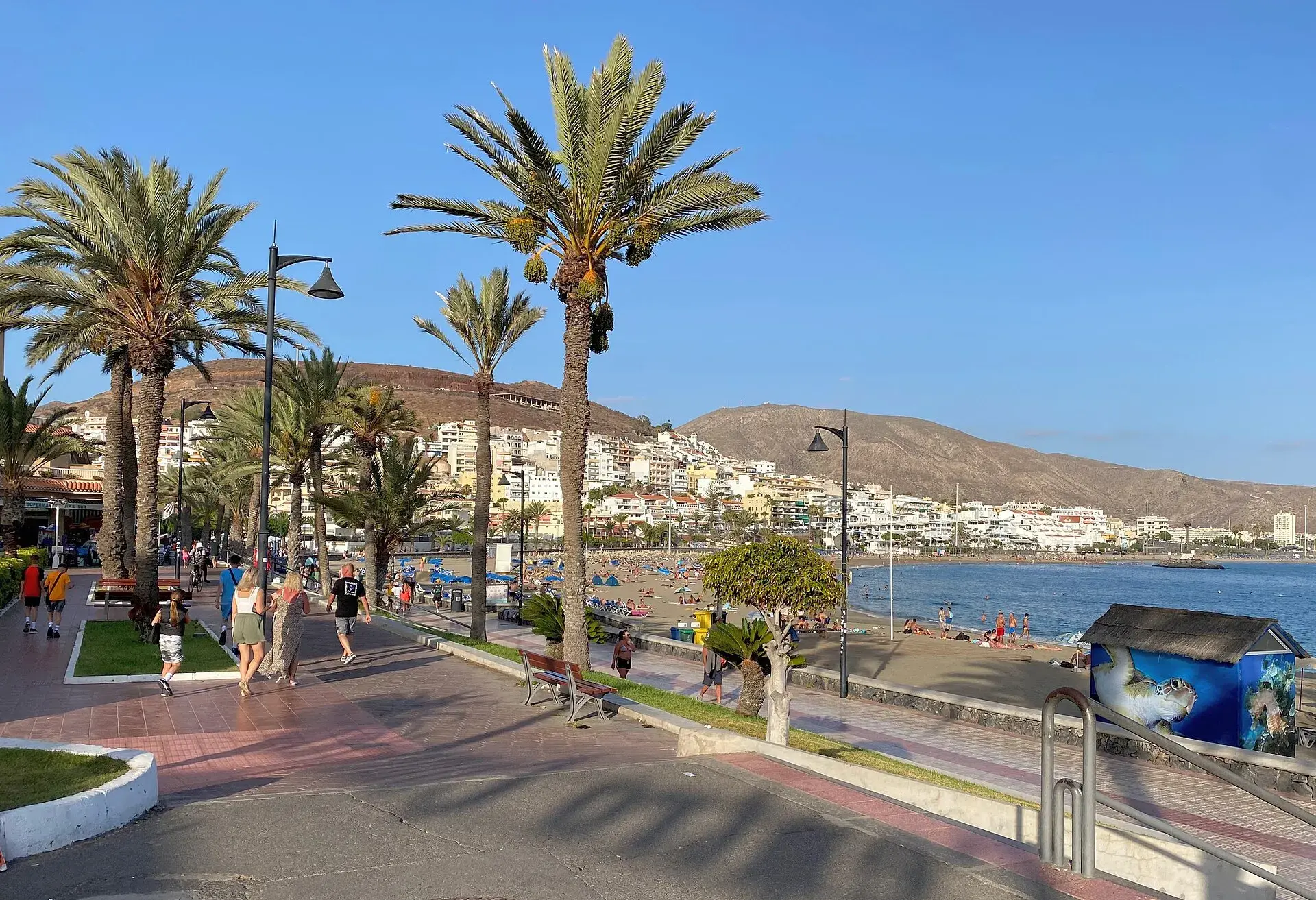
Accessible Tenerife: beaches, transport and step-free visits
Accessible Tenerife: beaches with assisted bathing and amphibious chairs, airport assistance, buses, tram and eurotaxi, and which visits work in a wheelchair.
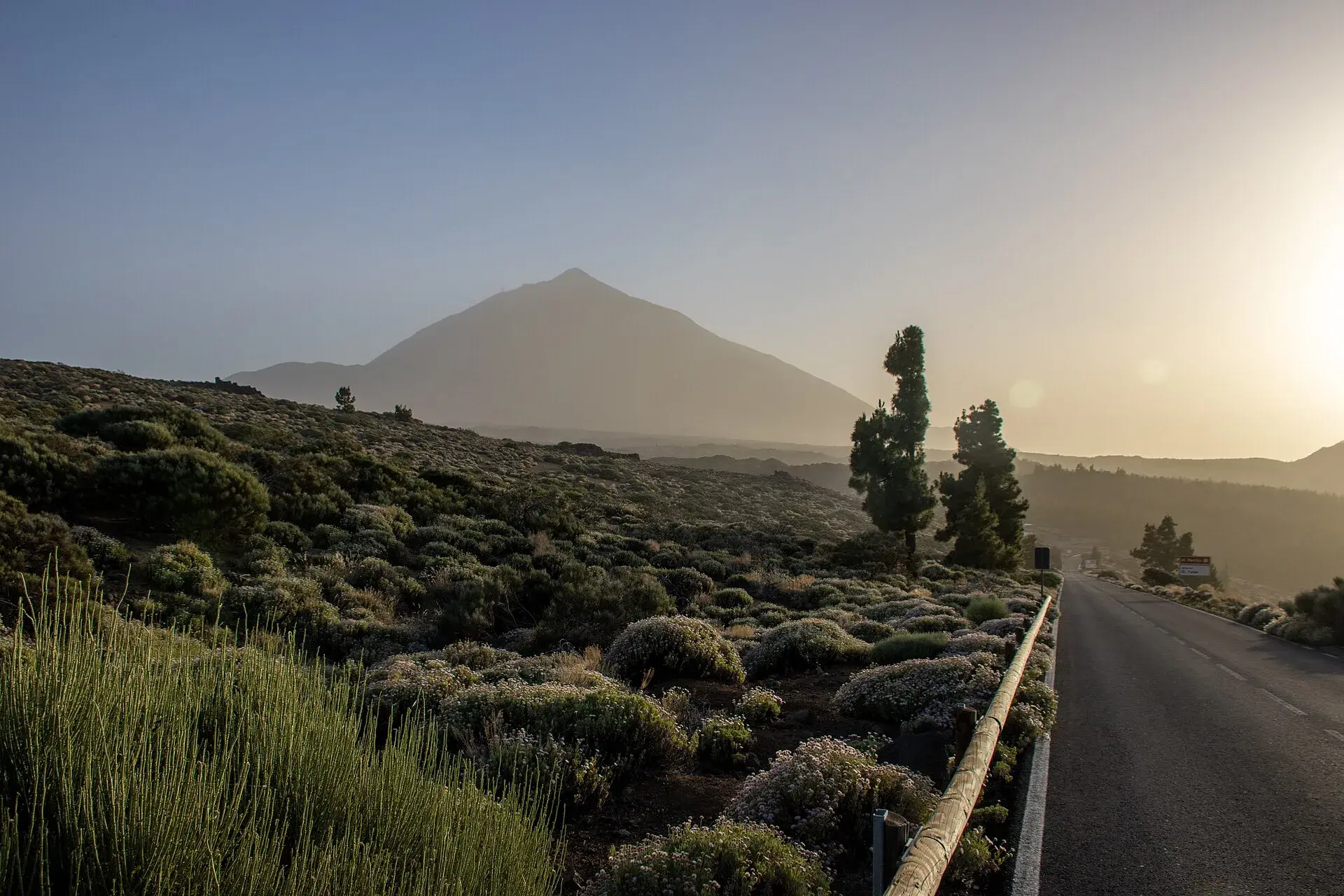
Calima in Tenerife: what it is, when it comes, how it affects you
Calima in Tenerife: what Saharan dust is, which months it tends to arrive, how it affects health and flights, where to check warnings and what to do that day.
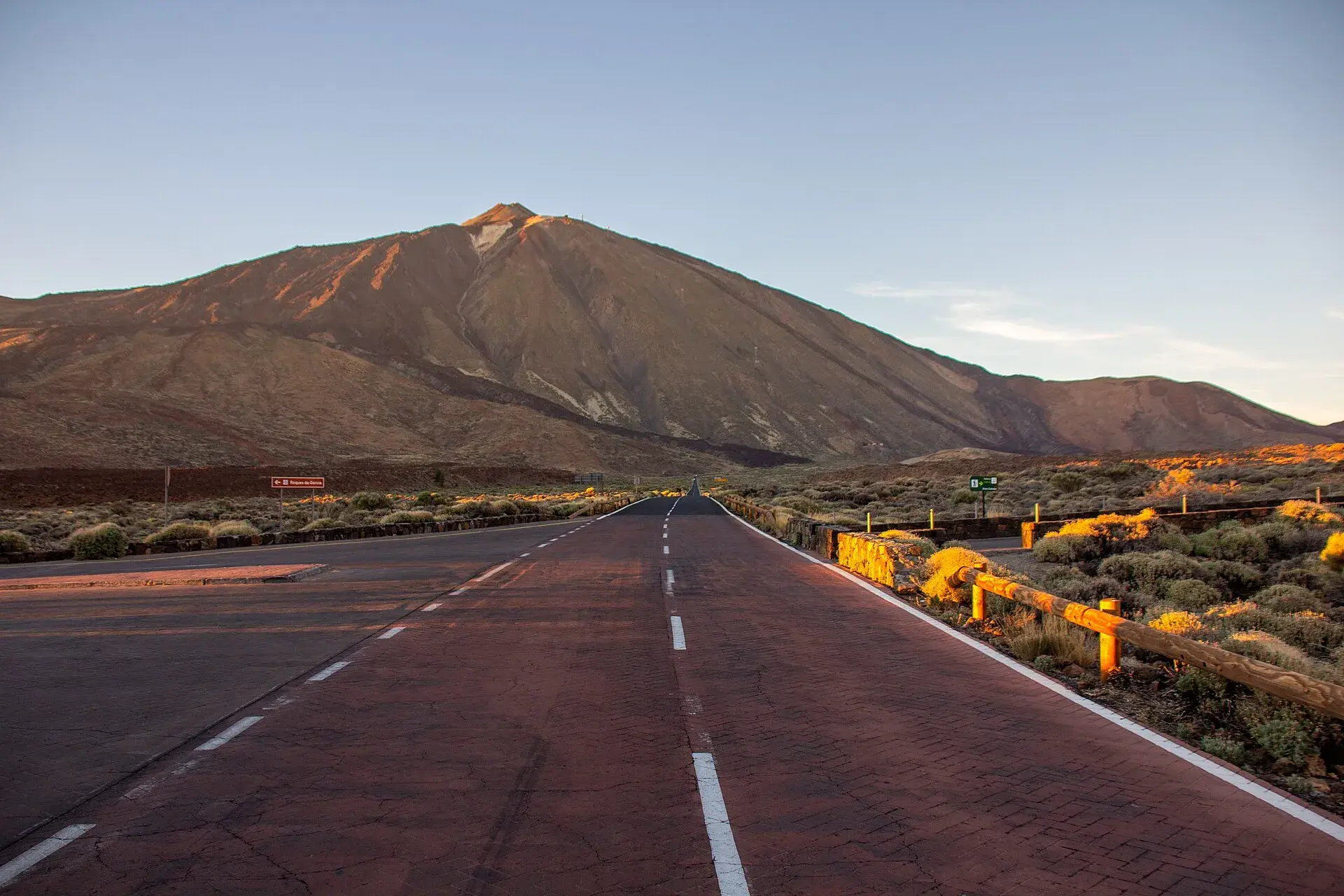
Car hire in Tenerife: insurance, deposit and useful tips
Car hire in Tenerife without surprises: when it pays off, insurance and excess, deposit, fuel, child seats, Masca, Teide and what to check at pick-up.
Digital nomads in Tenerife: visa, areas, housing and internet
Digital nomads in Tenerife: the remote work visa and 2026 requirements, EU citizen registration, the best areas to live, renting, healthcare and internet.