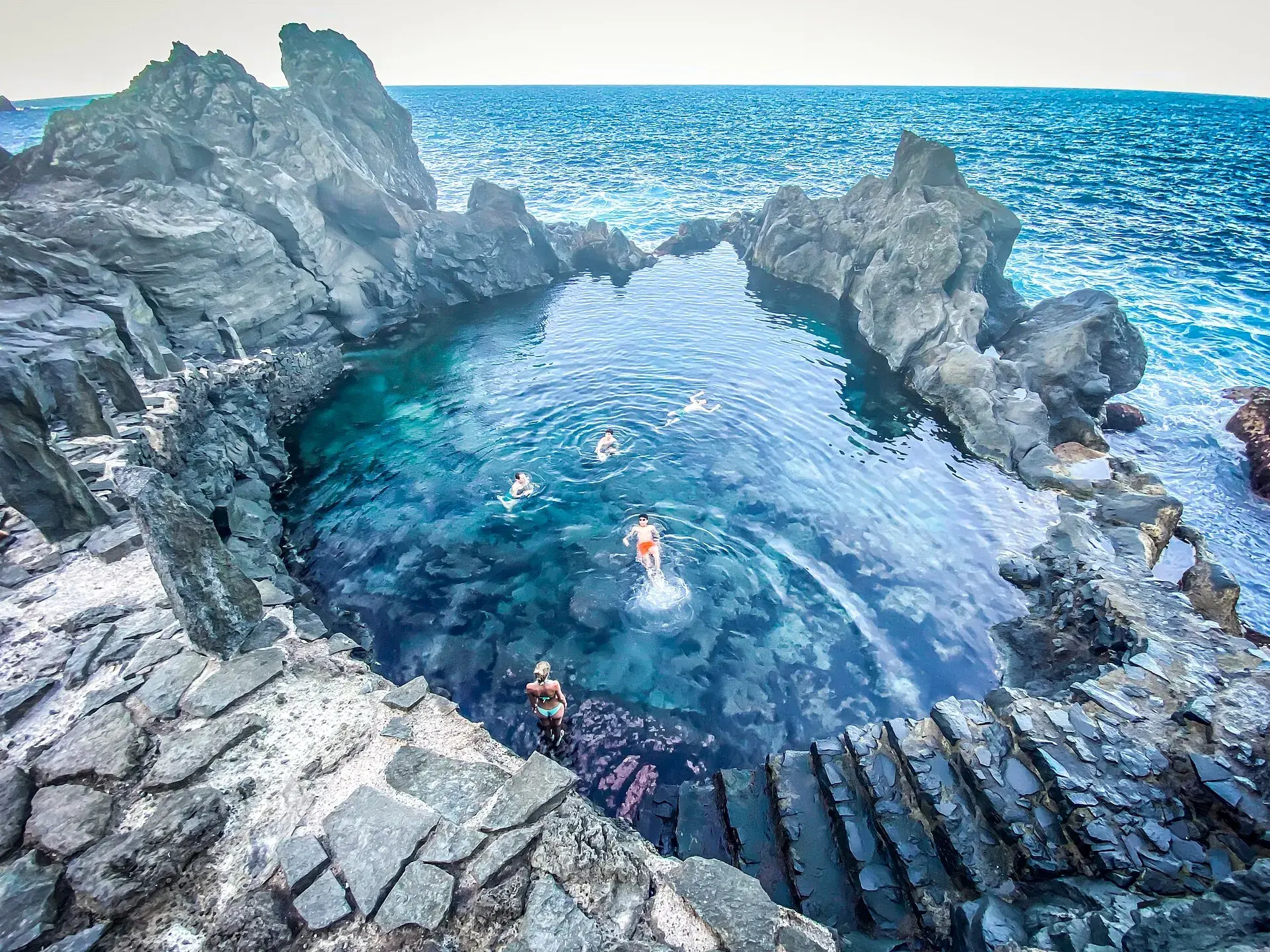
Photo by rachel_thecat, CC BY-SA 2.0, via Wikimedia Commons
Spa in Tenerife and wellbeing: thalasso, yoga and laurel forest
A wellbeing trip to Tenerife combines four things: hotel spas and thalassotherapy centres, concentrated in Costa Adeje, Arona, Guía de Isora and Puerto de la Cruz; swimming in sea water outside the spa, in charcos (natural rock pools) or at Lago Martiánez; yoga and retreats, which are private and vary widely; and quiet walks through the laurel forest of Anaga or along the coast. What the island adds to any spa is the climate: an average temperature of around 22 degrees and some 3,000 hours of sunshine a year, according to Tourism Tenerife. This guide explains what to expect from each option and what to ask before paying; it is not a substitute for medical advice.
Spa in Tenerife: what is on offer
Almost all of the island's spas are inside four- and five-star hotels. On its health and wellbeing website, Tourism Tenerife groups hotel spas, thalassotherapy centres, natural treatments (seaweed, aloe vera, wine, tropical fruit, volcanic sand and stones) and complementary therapies. What you mostly find are hydrotherapy circuits and, in some centres, sea-water pools.
What a water circuit includes
The usual format is a circuit of limited duration, often one to two hours, with hydrotherapy pools (jets, swan-neck fountains, bubble beds), sauna, Turkish or steam bath, contrast showers and a relaxation area. Treatments (massages, wraps, facials, aloe vera or wine rituals) are booked separately and in many cases include access to the circuit. Prices vary with the hotel and the season.
Thalassotherapy: what it is and where to find it
Thalassotherapy is the use of sea water for relaxation and body care: salt-water pools at different temperatures, jets, seaweed and mud wraps. In its thalassotherapy section, Tourism Tenerife lists, as of October 2026, the Mare Nostrum Spa, the Natural Wellness Spa (with its Natural Thalasso) and the Thalasso centre at the Sensimar Arona Gran Hotel & Spa, all in hotels in the south. Some luxury spas in Costa Adeje also have outdoor circuits with sea water.
A useful warning: "thalasso" in the name does not always mean sea-water pools. Ask which facilities use it, whether they are heated and whether they are indoors or outdoors, because an open-air pool is less enjoyable in wind or cool weather.
Hotel spas for non-residents
Many hotel spas accept outside guests with a booking, but not all, and not at any time: some keep time slots for hotel guests or limit numbers in high season. The most common options if you are not staying are circuit entry, a treatment with the circuit included or a day pass that combines spa, pool and sometimes a meal. Tourism Tenerife does not publish a list of access conditions, so always confirm them with the spa itself.
What to ask before booking
- Minimum age: many circuits do not admit minors, or only at specific times.
- What is included: circuit length, towel, bathrobe, slippers, locker and parking.
- Swim cap and swimwear: some centres require a swim cap or do not allow board-short style trunks.
- Contraindications: if you are pregnant or have high blood pressure, heart or circulation problems, mention it when booking; saunas, Turkish baths and very hot water are not for everyone.
- Cancellation: the deadline to cancel free of charge and what happens if you arrive late.
If you are travelling as a couple, the guide to Tenerife for couples fits the spa into other plans, and on a grey day in the north it goes well with the ideas in what to do in Tenerife when it rains.
Sea-water swimming outside the spa
You do not need to pay for a circuit to swim in salt water without waves. The island offers two alternatives that work as a complement or a substitute for the spa.
Lago Martiánez (Puerto de la Cruz)
The pool complex that César Manrique designed in the mid-1970s on the Puerto de la Cruz seafront is built around a large artificial sea-water lake, with four adult pools and three children's pools, gardens, sun loungers, terraces and restaurants. It is listed as a Bien de Interés Cultural (a protected heritage site) in the historic garden category. Entry is paid and it lets you swim in sea water without waves, which is hard to do on the north coast. It has undergone refurbishment work in recent years: before you go, check the opening hours, prices and which pools are open on the complex's official website.
Charcos and natural pools
The charcos (natural pools formed by lava flows that the sea fills) at Bajamar, Punta del Hidalgo or Garachico let you swim for free in open sea water, at a very different pace from a spa. The Bajamar pools have a Blue Flag in 2026. Their safety depends on the state of the sea: with a ground swell they close or become dangerous, even when it is sunny. The guide to natural pools in Tenerife details which have lifeguards, showers and access.
Yoga, meditation and retreats
Yoga ranges from drop-in classes in hotels, studios and on beaches to retreats of several days on rural estates in the north or villas in the south. Quality varies widely and the offer changes from one season to the next, so a set of criteria is more useful than a list of names. Before booking, check:
- Who teaches: the teachers' training and experience, and whether the person giving the classes is the one in the advertising.
- The actual programme: hours of practice a day, style, level (beginner, mixed, advanced) and free time. Ask for a typical day's schedule.
- What the price includes: accommodation (single or shared), meals, airport transfers, excursions and equipment.
- Location and climate: a retreat in the north or in the medianías (mid-altitude areas) can be cool and damp in winter; one in the south, hot in summer. Ask where you will practise and what the alternative is in rain or heat.
- Cancellation: long retreats usually ask for a deposit; read which part is refundable.
- Health promises: be wary of anyone who promises to cure or detox you. A serious retreat asks about injuries and health conditions and does not present itself as a treatment.
Gentle walking and forest bathing in Anaga
The Sendero de los Sentidos
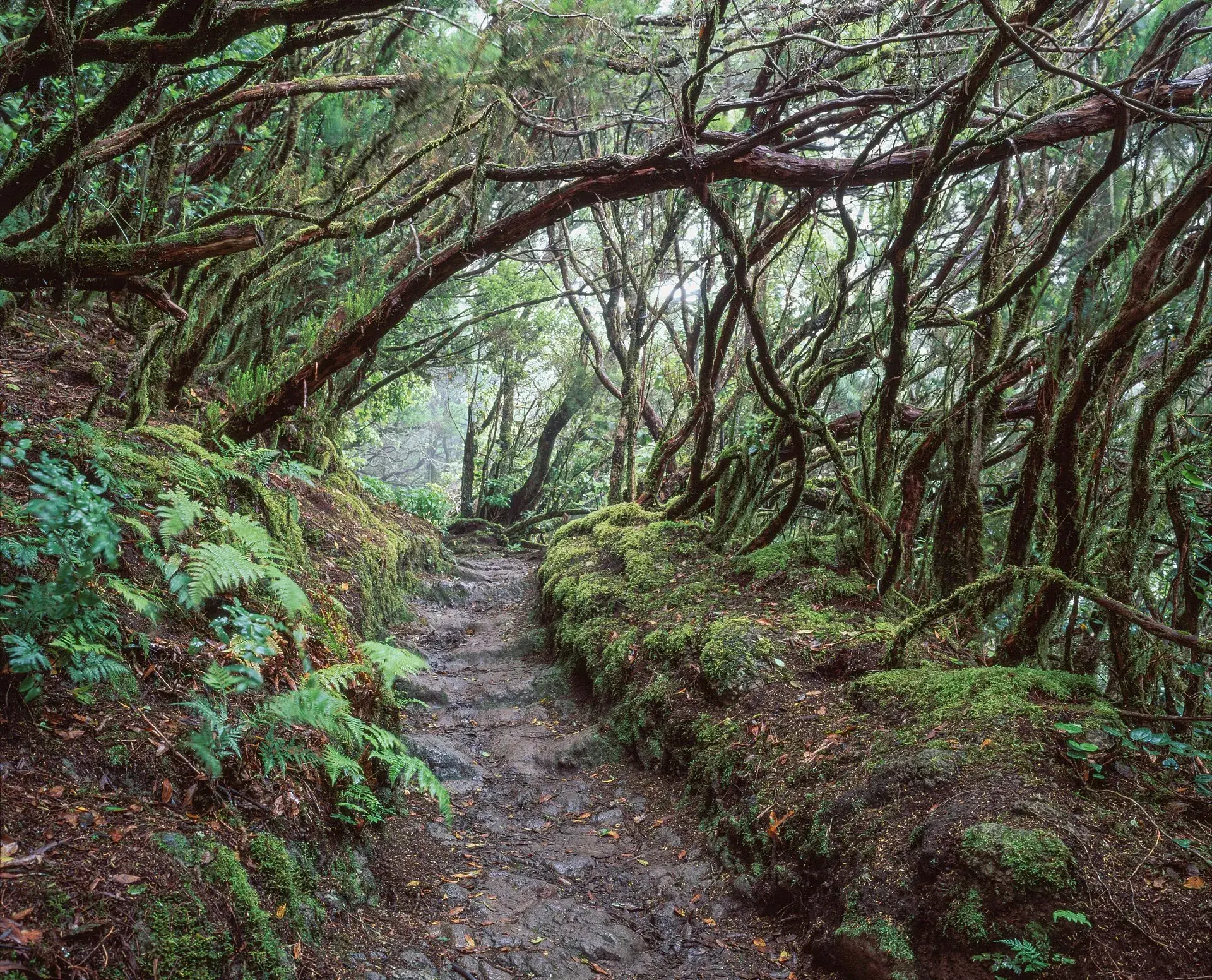
Laurisilva, the humid laurel forest typical of Macaronesia, covers the ridges of Anaga Rural Park, at the north-eastern tip of the island. At Cruz del Carmen, next to the park's visitor centre, starts the Sendero de los Sentidos (Path of the Senses): three short routes totalling about 2 km, with panels that invite you to smell, touch and listen to the forest.
- Path 1: the shortest, with a wooden boardwalk; it is the most suitable for pushchairs and people with reduced mobility.
- Path 2: about 500 metres, with steps and a bridge.
- Path 3: the longest; it links the other two and goes down to the Llano de los Loros viewpoint.
It is the closest thing to forest bathing (walking slowly, with no sporting goal, paying attention to your surroundings) that you can do without preparation. Fog is common and the ground gets wet: bring a warm layer and shoes with grip. How to get there, visitor centre hours and other routes are in the Anaga Rural Park guide.
Other gentle walks
The seafront promenades of Puerto de la Cruz or Costa Adeje let you walk with no climbing. For something longer, the selection of hiking routes in Tenerife gives distance, elevation gain and difficulty, which helps you choose a route suited to rest rather than to a challenge.
Climate and health: what to know
Mild winters
The island's classic selling point is winter: the coast keeps mild temperatures, which attracts many older people who spend the cold months here. Health tourism has a history in the Canary Islands: from the late 18th century until well into the 20th, the climate was a reason to travel in itself. The south is drier and sunnier; the greener, wetter north gets the trade winds (north-easterly winds) and the mar de nubes (sea of clouds). For people with respiratory problems, the humidity of the north and the dust on calima days can matter more than the temperature: consult your doctor before choosing an area. The weather month by month is in Tenerife weather by month.
Calima
Calima is suspended Saharan dust that arrives on easterly winds, raises the temperature and worsens air quality. The Canary Islands Department of Health asks the most sensitive people (children, older people, pregnant women, smokers and people with respiratory or heart conditions) to avoid exertion outdoors, stay indoors with the windows closed, keep hydrated and keep taking their usual medication; if symptoms get worse, the number to call is 112. A calima day is better for the spa than for walking.
Sun and altitude
The sun is strong all year round, in winter too and under high cloud: use high-factor sunscreen, a hat and sunglasses. On Teide, above 2,000 metres, there is more radiation and less oxygen; the cable car, which reaches 3,555 metres, does not admit pregnant women, children under 3 or people with cardiovascular problems. More details in the Teide National Park guide.
Health tourism and clinics
Tenerife has a network of private hospitals and clinics, mainly in Santa Cruz, Puerto de la Cruz and the south, with care in several languages; Tourism Tenerife gathers them in a medical tourism section of its website. If you plan to use your stay for a treatment:
- Get a written quote and diagnosis before travelling and check the accreditation of the centre and the practitioner.
- Plan the follow-up: any treatment needs check-ups; agree how they will be done when you are back home.
- Insurance: European Union residents should carry the European Health Insurance Card for public healthcare; private care is paid separately unless your insurance covers it.
How to plan a few restful days
A sensible plan for three or four quiet days is to alternate a spa day, a sea day and a nature day, leaving gaps with nothing planned. If you stay in the south you have the greatest concentration of hotel spas and the most reliable sun, and you can go up to the north one day for Anaga or Puerto de la Cruz. If you stay in the north you have the laurel forest and Lago Martiánez close by, and the south an hour away on the motorway. To choose an area, see where to stay in Tenerife by area.
Frequently asked questions
Can you use a hotel spa without staying there?
In many cases, yes: several hotel spas sell circuit entry, treatments or day passes to outside guests. Conditions on opening hours, capacity and minimum age change with the hotel and the season, so book ahead and confirm what is included.
What is the difference between a spa and a thalassotherapy centre?
A spa offers water circuits and treatments in general; thalassotherapy specifically uses sea water. In Tenerife some centres combine both, but not every place that uses the word "thalasso" has sea-water pools.
Where can you swim in sea water without waves?
At Lago Martiánez in Puerto de la Cruz, a paid sea-water pool complex designed by César Manrique, or in charcos such as those at Bajamar and Punta del Hidalgo, which are free but depend on the state of the sea.
Is Tenerife a good winter destination for older people?
Yes, thanks to its mild climate on the coast, especially in the south. It is best to choose flat accommodation close to services, protect yourself from the sun and bear calima days in mind if you have respiratory problems.
How do I know if a yoga retreat is reliable?
Ask for a typical day's programme, the teachers' training and a breakdown of what the price includes, and read the cancellation terms. Be wary of anyone who promises medical effects or does not ask about your health.
Keep planning
You may also like
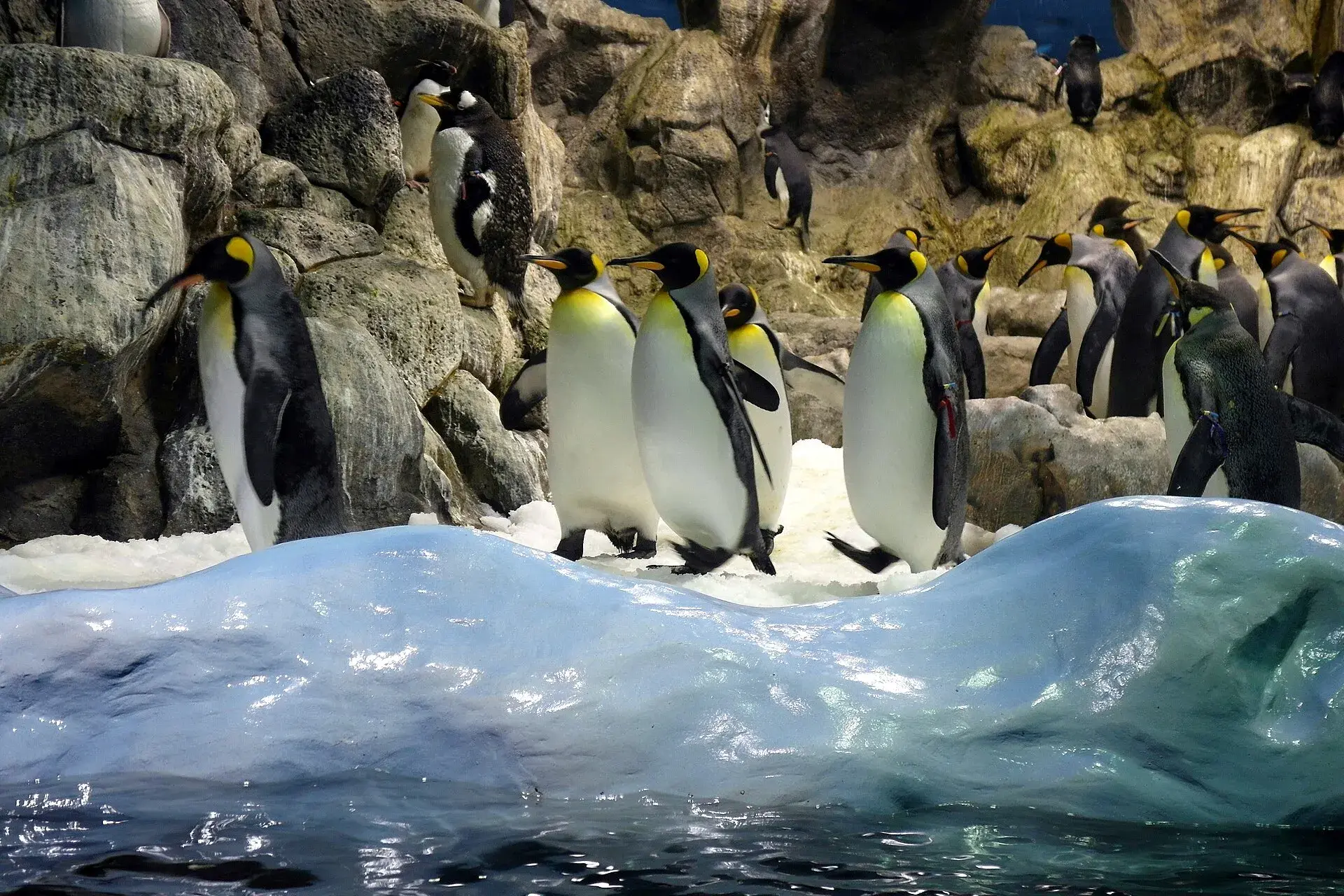
Loro Parque guide: opening hours, shows and getting there
Visiting Loro Parque in Puerto de la Cruz: show times, Planet Penguin, the free train, parking, the Twin Ticket, food and practical tips for a full day out.
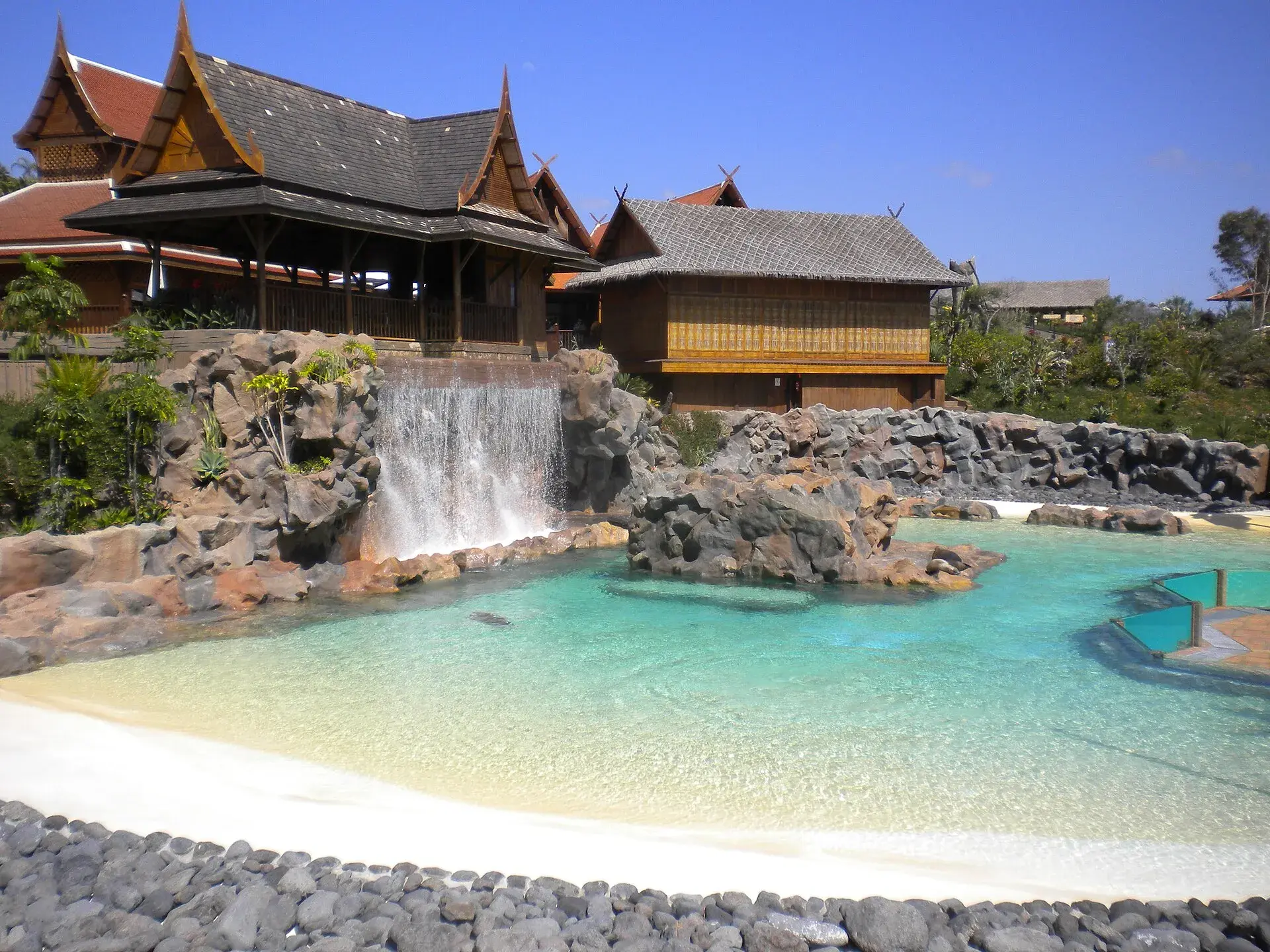
Siam Park guide: rides, height limits and getting there
Visiting Siam Park in Costa Adeje: rides and height limits, opening hours, free buses, Fast Pass, lockers, food and practical tips for Tenerife's water park.
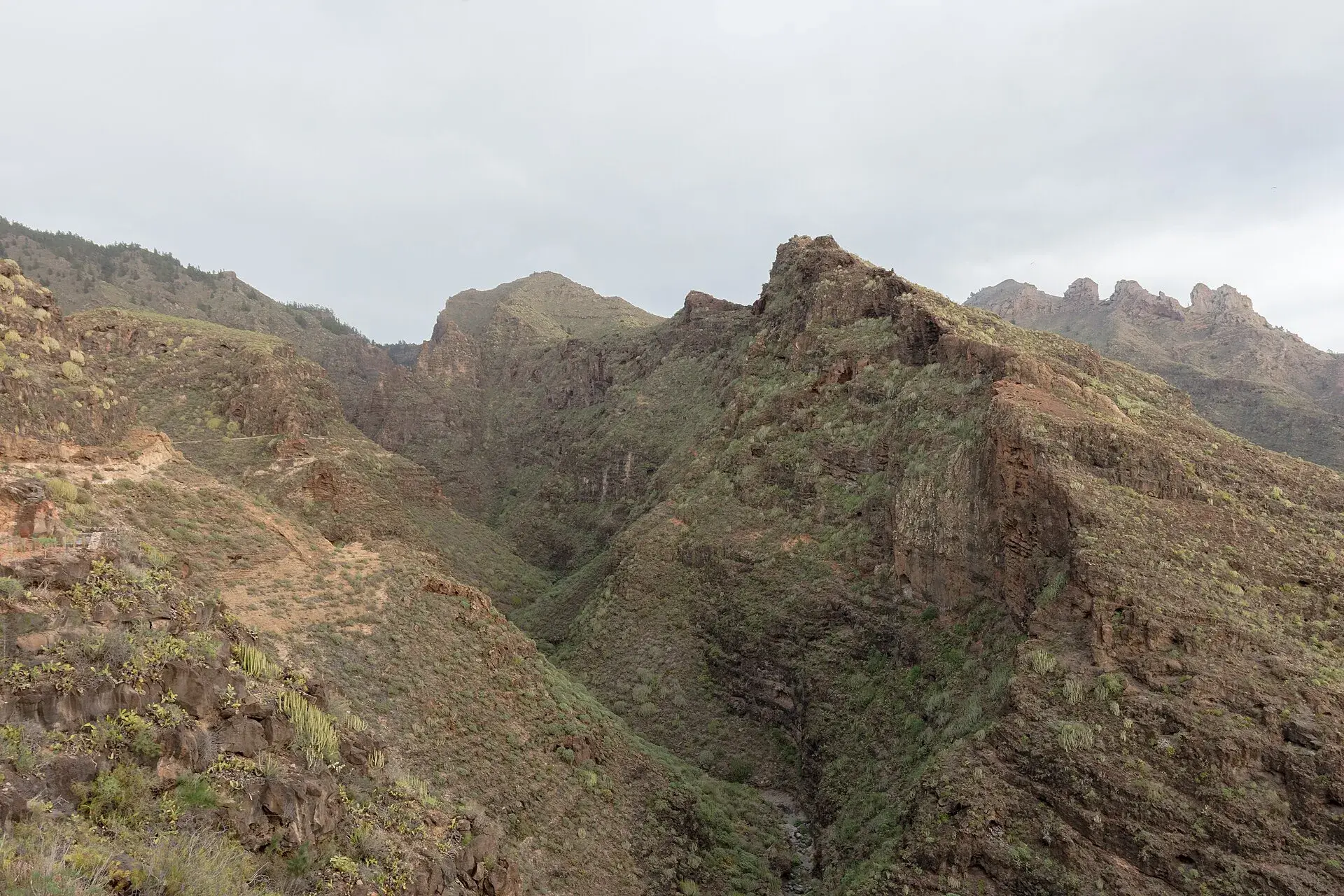
Barranco del Infierno hike: tickets, booking, times and rules
Barranco del Infierno hike in Adeje: tickets at €16, €6 for Canary residents, compulsory booking, entry times, minimum age, helmet, rain closures and buses.
Free things to do in Tenerife: beaches, pools, hikes, museums
Free things to do in Tenerife: beaches, rock pools, viewpoints, permit-free hikes, old towns, free museums and fiestas, and what costs parking or a booking.