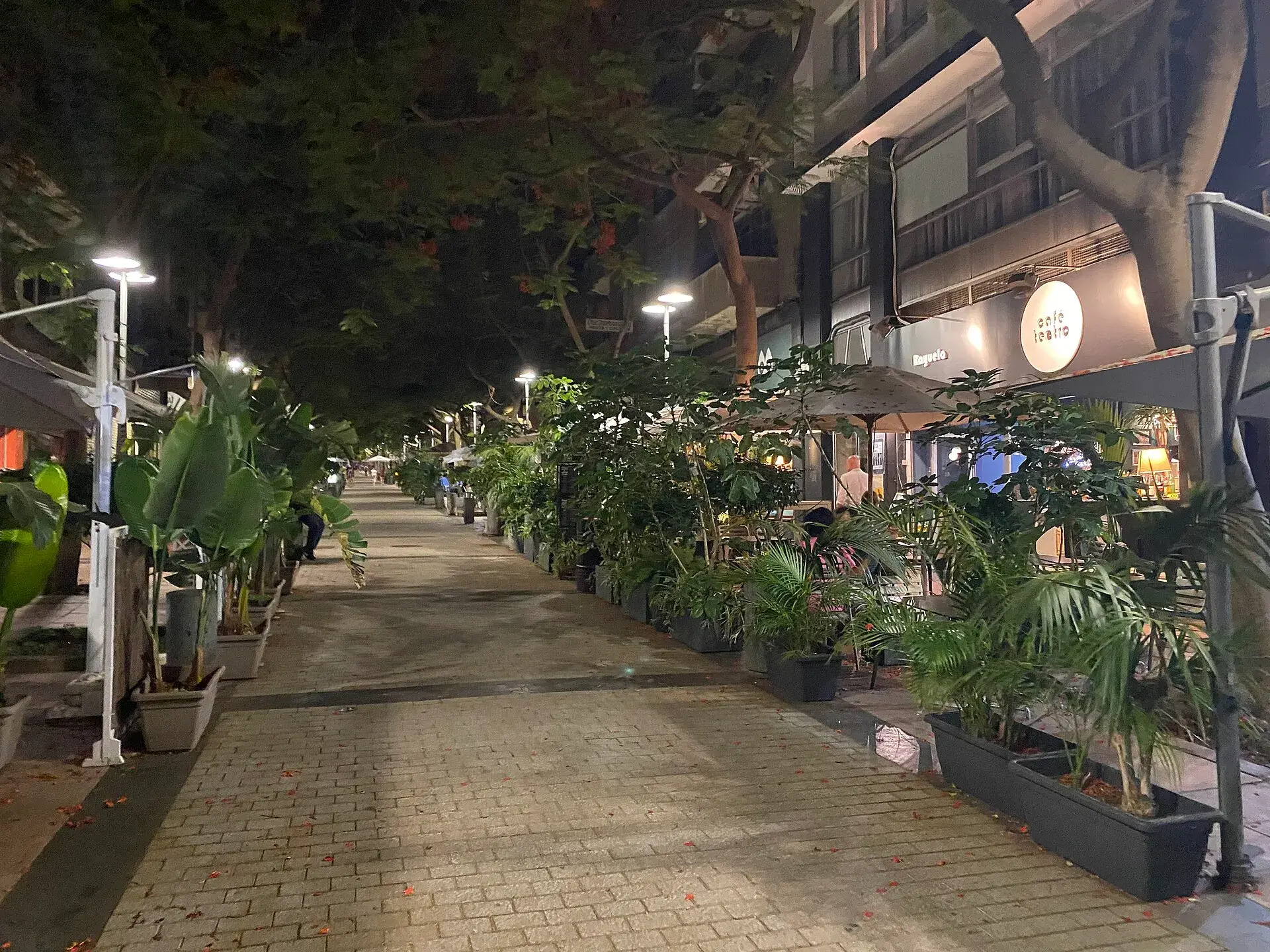
Photo by -wuppertaler, CC BY 4.0, via Wikimedia Commons
Tenerife nightlife: where to go out, area by area
Going out in Tenerife has two clear hubs. In the south, Playa de las Américas has the longest and most touristy nights, with the Las Verónicas complex at its heart, while Costa Adeje and Los Cristianos offer a calmer scene of cocktails, terraces and live music. In the metropolitan area, Tenerife nightlife is more local: La Noria street and its surroundings in Santa Cruz, and the university Cuadrilátero in La Laguna, especially from Thursday to Saturday. Puerto de la Cruz completes the map in the north with a more relaxed night out.
This guide describes areas and atmospheres, not specific venues, because bars and clubs frequently change name and owner.
What a night out in Tenerife is like: times and customs
Nights start late, as in the rest of Spain. Dinner is usually between 20:30 and 22:00; terraces and cocktail bars liven up from 22:00 or 23:00, and clubs do not fill up before one or two in the morning.
- Big nights: Friday and Saturday everywhere. In the south there is something going on almost every day in high season; in Santa Cruz and La Laguna, Thursdays draw the students.
- Entry: many clubs charge an entry fee that includes a drink, especially after a certain time. Prices change depending on the night and the event.
- Dress code: casual clothes are fine in beach bars; clubs and cocktail bars in Costa Adeje or Santa Cruz may not let you in wearing flip-flops or swimwear.
- Season: in winter the south fills up with European tourists and the offer is steady; in summer more Spanish visitors arrive and the local night partly moves to the village festivals.
Las Américas: the best-known party area
Playa de las Américas, split between the municipalities of Arona and Adeje, is what almost everyone means when they talk about partying in Tenerife. Its landmark is Las Verónicas, a block of seafront commercial buildings next to the promenade that brings together dozens of bars, pubs and clubs. In the afternoon it works as an area of sports bars and terraces; after midnight, as a strip of clubs with promoters at the door offering discounts.
- Crowd: mostly young and from abroad, with stag and hen parties and holiday groups.
- Music: commercial, electronic, reggaeton and current hits.
- Pros: everything is within walking distance and there is something on almost every night in season.
- Cons: noisy and crowded at weekends; it is easy to end up overpaying with door promotions.
To choose a place to stay near or far from the noise, see where to stay in Tenerife by area.
Costa Adeje: cocktails, terraces and beach clubs
Costa Adeje, north of Las Américas, has a more polished and somewhat more expensive night scene. Terraces in the promenade shopping centres, cocktail bars, live music venues and beach clubs by the beaches of Fañabé, Torviscas and El Duque, which stretch the afternoon with sunset DJ sets, dominate.
- Crowd: couples, groups in their thirties and forties and guests from the local hotels.
- Music: live covers, smooth jazz and soul, house and chill-out.
- Ideal for: a late dinner and a drink without having to end up in a club.
If you are travelling as a couple, the Tenerife for couples guide combines these plans with sunsets and dinners.
Los Cristianos: the quiet night of the south
Los Cristianos, right next to Las Américas on the Arona side, is the most laid-back of the three southern hubs. Its nightlife revolves around the seafront promenade and the streets near the port: bars with live music, British and Irish-style pubs with cover bands and karaoke, and restaurants where people linger at the table.
- Crowd: older tourists, foreign residents and families strolling after dinner.
- Advantage: it is a short walk from Las Américas: you can have dinner here and then head over to Las Verónicas.
Santa Cruz de Tenerife: La Noria and the centre
In the capital, the atmosphere is local and less touristy. The main axis is La Noria street (officially Antonio Domínguez Alfonso), a pedestrian street of colourful houses next to the Iglesia de la Concepción. Its restaurants and terraces fill up at dinnertime and, later in the night, several venues turn into cocktail bars. The Plaza de la Iglesia de la Concepción and the nearby streets form a single terrace area with it.
- Other areas: around Plaza de San Francisco and the central streets for tapas and drinks, and Avenida de Anaga, opposite the port, traditionally associated with clubs.
- Crowd: locals aged twenty-five to fifty, a tapas atmosphere that runs late.
Turismo de Tenerife (the island's tourist board) also lists the casinos of Santa Cruz (on the ground floor of the Hotel Mencey), Las Américas and Puerto de la Cruz (in the Lago Martiánez complex). To get to know the city by day, read the Santa Cruz de Tenerife guide.
La Laguna: the university Cuadrilátero
San Cristóbal de La Laguna, a university city, has the island's youngest nightlife. The Cuadrilátero, the area of streets next to the university's historic buildings with Plaza Víctor Zurita as its reference point, brings together cocktail bars, pubs and small clubs, with plenty of life from Thursday to Saturday during the academic year. The authorities have stepped up the police presence on several occasions to curb botellón (drinking in the street).
- Crowd: students and people in their twenties.
- Music: indie, rock, electronic and Latin pop; some bars host small gigs.
- Outside the Cuadrilátero: the historic centre, a World Heritage Site, has quiet bars and terraces in its pedestrian streets.
- Getting around: the tram (line 1) links La Laguna with Santa Cruz; check on the Metrotenerife website whether there is an extended night service before you go out.
To see the city by day, read the La Laguna guide.
Puerto de la Cruz: a quiet night in the north
In the north, Puerto de la Cruz has a more relaxed nightlife, spread between the old town, Plaza del Charco and the seafront promenade. There are cocktail bars, live music venues and the odd club that draws people from all over the north at weekends. It suits a long dinner and a drink better than a night out until dawn.
Alternative nights: music, culture and stars
Not everything revolves around clubs. Some alternatives for those who prefer a different kind of night:
- Live music and jazz: bars in Santa Cruz and La Laguna host jam sessions and jazz, flamenco or Canarian music concerts; the site's agenda lists each week's concerts and shows.
- Auditorium and theatres: the Auditorio de Tenerife, the Teatro Guimerá in Santa Cruz and the Teatro Leal in La Laguna programme classical music, opera, dance and comedy; cultural information by area is in the museums and culture in Tenerife guide.
- Stargazing: the sky over Teide is protected from light pollution and is one of the best in Europe for looking at the stars. Night tours and safety rules are in the Teide stargazing guide.
Local festivals, verbenas and Carnival
Between June and September almost every village celebrates its patron saint festivities, with verbenas (open-air dances with a live band) in the square, food and drink stalls (ventorrillos) and fireworks. They are free and bring together all ages. The Night of San Juan, on 23 June, is celebrated with bonfires on many beaches, and La Laguna holds its Noche en Blanco in autumn, with cultural activities and music into the early hours.
The big event of the year is the Santa Cruz de Tenerife Carnival, declared a Festival of International Tourist Interest. As well as the galas and contests at the fairground, the street carnival turns the city centre into a fancy-dress party for several nights. According to the published programme, in 2027 the street carnival is scheduled from 19 to 28 February, with the main parade (coso) on Carnival Tuesday, 23 February, and a daytime Carnival at a weekend; confirm the calendar on the official website before booking. The dates of each festival are published in the Tenerife agenda, and the season as a whole is covered in the best time to visit Tenerife.
Getting back: night buses, tram and taxi
- Bus (guagua) 711: TITSA's night line linking the Intercambiador (bus station) in Santa Cruz with Los Cristianos and the Costa Adeje bus station via the motorway, stopping at Tenerife South airport. According to TITSA's website it runs every day with night departures, and between 23:30 and 5:00 it leaves from the outdoor stop at the Intercambiador, next to the tram. Check the current timetable on TITSA's website or app, because frequencies change.
- Other night lines: TITSA runs night services in the metropolitan area (Santa Cruz and La Laguna) and towards the north, and adds extra services for Carnival, New Year's Eve and big events. Lines and timetables are on its website.
- Tram: line 1 connects Santa Cruz and La Laguna; on special nights such as New Year's Eve or Carnival it extends its service.
- Taxi: there are ranks in the nightlife areas and you can book one by phone or app. The interurban fare is set by the Government of the Canary Islands; between the south and the metropolitan area the journey is long and expensive, so agree with your group how you will get back.
- Never drive after drinking: breathalyser checkpoints are frequent, especially on the southern motorway and on the way out of nightlife areas.
For all other transport options, see getting around Tenerife.
Safety and rules worth knowing
- Minimum age: in Spain alcohol is not sold or served to under-18s, and most clubs do not admit minors. Carry your ID card or passport (a photo on your phone is not always accepted): you may be asked for it at the door, and casinos always require ID.
- Drinks: do not leave your drink unattended and do not accept drinks from strangers. If you suddenly feel unwell, tell the venue staff and call 112.
- Promoters and prices: in tourist areas, ask the price of entry and drinks before going in; pay by card when possible and check the bill.
- Beaches at night: avoid swimming at night or after drinking; beaches have no lifeguards outside their hours and the Atlantic swell is deceptive.
- Emergencies: the single number is 112, also in English and other languages.
Frequently asked questions
What is the best area to go out in Tenerife?
For a long party night and an international atmosphere, Playa de las Américas, around Las Verónicas. For a more local atmosphere, La Noria street in Santa Cruz and the Cuadrilátero in La Laguna, especially from Thursday to Saturday.
What time do people go out in Tenerife?
Cocktail bars liven up from 22:00 or 23:00 and clubs fill up from one or two in the morning. In the tourist south things start a little earlier than in Santa Cruz and La Laguna.
Are there night buses between Santa Cruz and the south?
Yes. TITSA's line 711 links the Intercambiador in Santa Cruz with Tenerife South airport, Los Cristianos and Costa Adeje during the night, every day. Check the timetable on TITSA's website before you go out.
What ID do you need to get into clubs and casinos?
Most clubs only admit over-18s and may ask for your ID card or passport at the door. Casinos always require a valid identity document.
Keep planning
You may also like
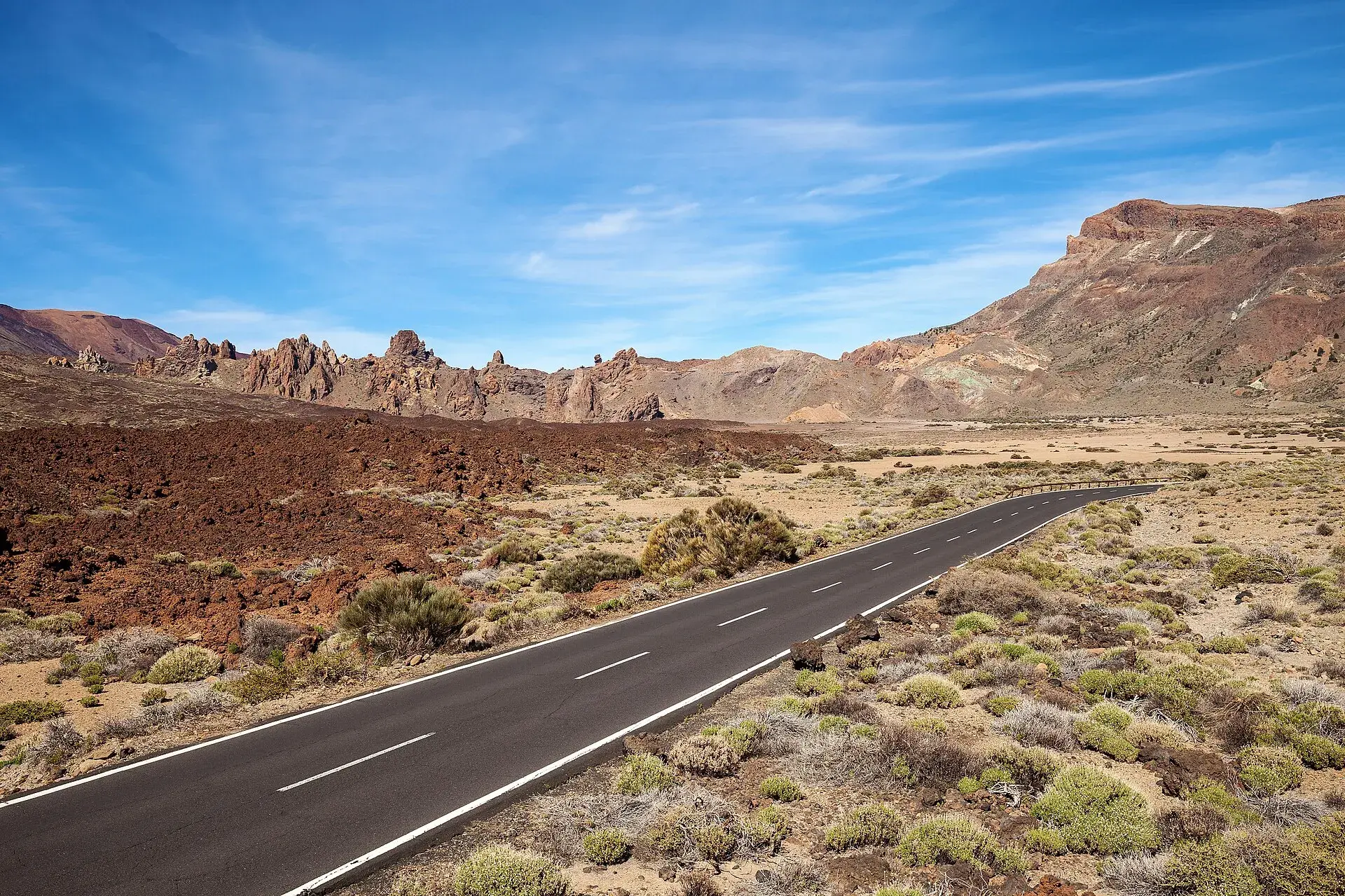
Cycling in Tenerife: riding up Teide and the key routes
Cycling in Tenerife: how to ride up Teide via Vilaflor, La Orotava, La Esperanza and Chío, with distances, elevation gain, best season, rules and bike hire.
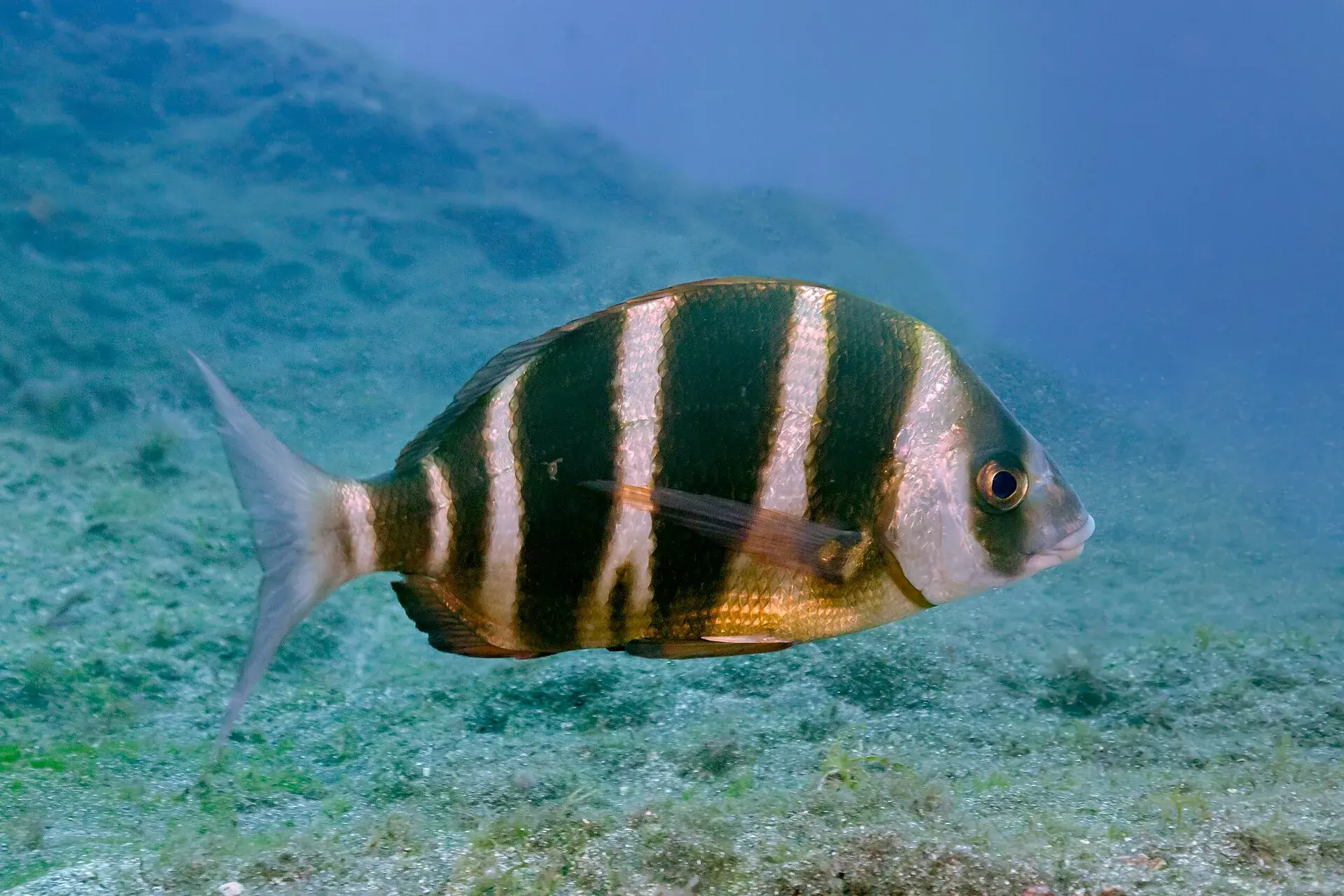
Diving in Tenerife: best spots, snorkelling, try dives and rules
Diving and snorkelling in Tenerife by area: Abades, El Puertito, Las Galletas, Radazul, Los Gigantes and Garachico, with depth, wildlife, try dives and safety.
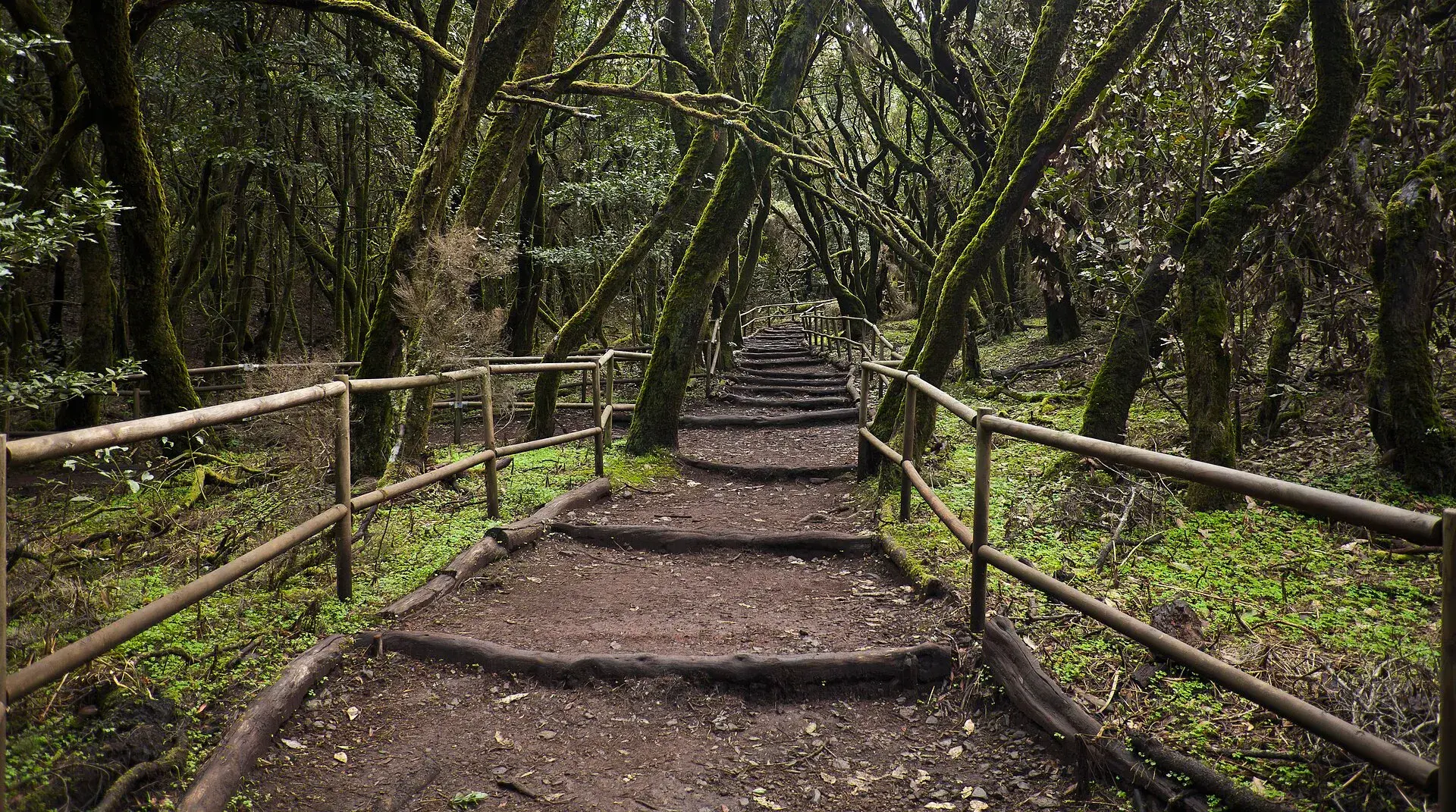
La Gomera day trip from Tenerife: ferry, route and timings
La Gomera day trip from Tenerife: ferries from Los Cristianos, car or tour, a route through Garajonay, Hermigua and Agulo, and how not to miss the last boat.
 Featured
Loro Parque or Siam Park: which to choose, prices and Twin Ticket
Loro Parque or Siam Park: differences, prices and Twin Ticket in 2026, opening hours, free buses, minimum heights, food, queues and who each park suits best.