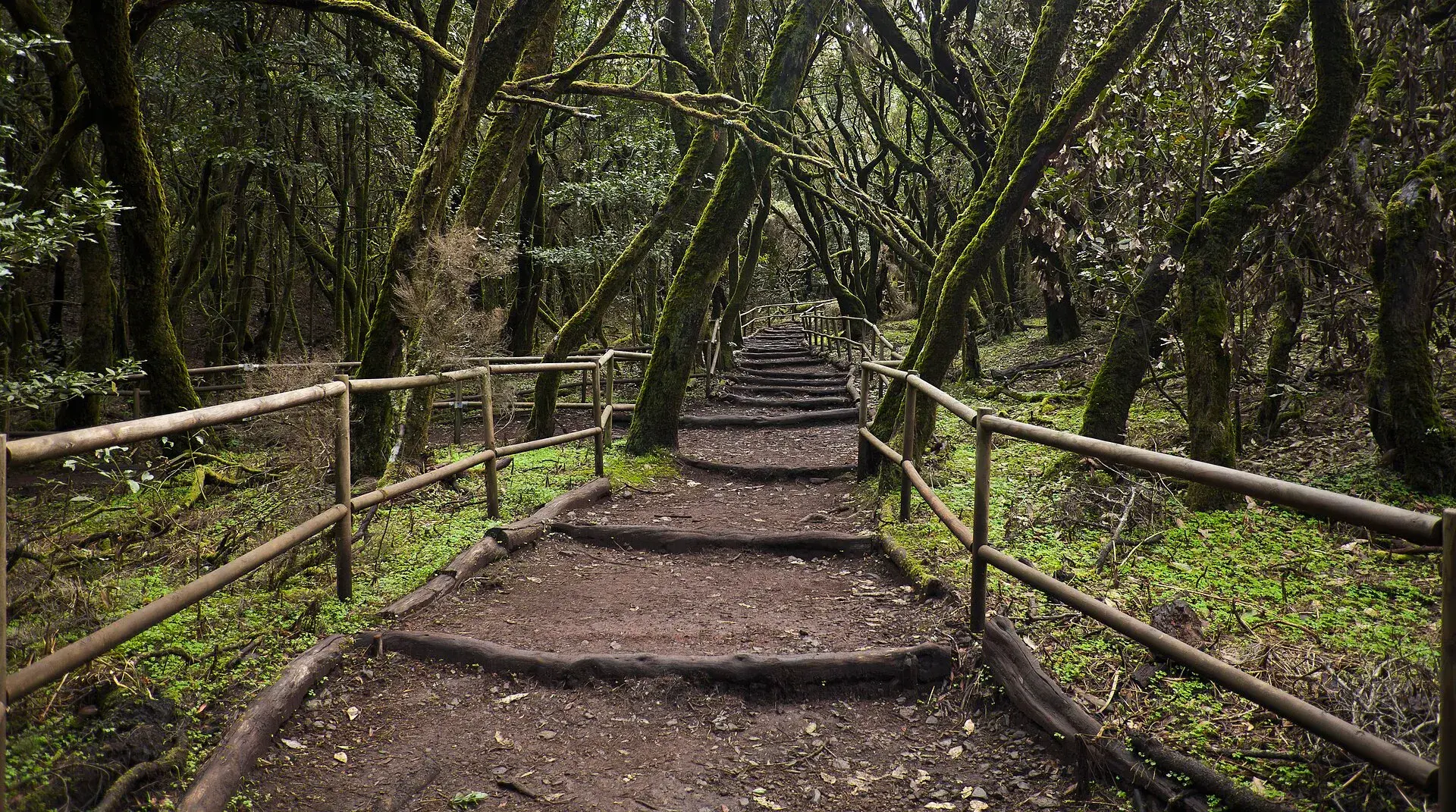
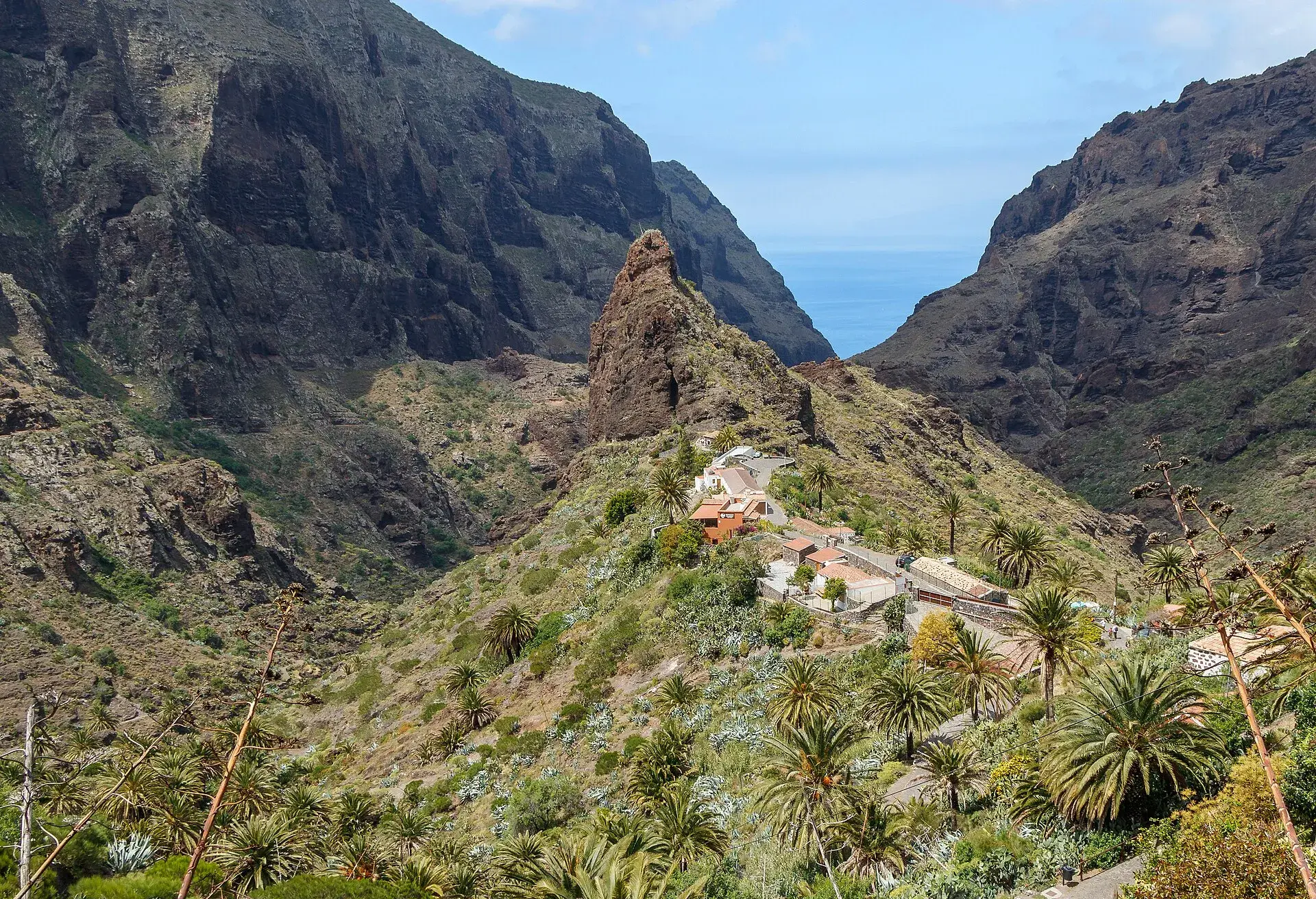
Photo by Diego Delso, CC BY-SA 3.0, via Wikimedia Commons
La Gomera day trip from Tenerife: ferry, route and timings
A La Gomera day trip from Tenerife starts at the port of Los Cristianos: the ferry takes about 50 minutes to San Sebastián de La Gomera and, between the two companies on the route, Fred. Olsen Express and Baleària Canarias (formerly Naviera Armas), there are several departures a day in each direction. With the first boat in the morning and the last one in the afternoon you get around eight or nine hours on the island: enough for Garajonay National Park, a UNESCO World Heritage Site, and one of the northern valleys or Valle Gran Rey, but not for everything. There are two ways to do it: independently by car (your own hire car, if the contract allows it, or one hired at the port) or on an organised excursion that includes the boat, coach, guide and lunch. This guide explains how to choose and suggests a realistic route.
Ferries from Los Cristianos to San Sebastián
Companies and crossing time
- Fred. Olsen Express: a crossing of about 50 minutes on a fast ferry. It is the company with the most departures on the route, with up to five a day depending on the day.
- Baleària Canarias: since May 2026 it has operated the ships that belonged to Naviera Armas in the Canary Islands, with up to four departures a day. During the transition you may still see the Armas brand on ships and ticket offices. The crossing time is similar.
Together they run up to nine departures a day in each direction, although timetables change with the day of the week and the season. Check the exact timetable on each company's website the day before: not every combination of early outbound and late return exists every day.
Fares and booking
Fred. Olsen advertises fares from €10 per journey for Canary Islands residents; for non-residents, adult single tickets were around €40 to €46 per journey on various 2026 sailings, depending on the date and fare. Cars are charged separately. Buy the outbound and return together, and book days ahead at Easter, in summer and over long weekends, especially if you are taking a vehicle.
Allow time at the port
- On foot: be at the port 30 to 60 minutes before departure.
- With a car: at least an hour before, respecting the cut-off time shown on the ticket. Enter your actual vehicle type when booking.
- Parking in Los Cristianos: if you leave the car in Tenerife, there are paid car parks next to the port that fill up in high season. Arriving by guagua (bus) or taxi from the Las Américas area avoids the problem.
Car or organised excursion?
Independently by car
This is the option if you want to set your own pace and stops. The island is round, with a high centre taken up by Garajonay and deep ravines running down to the sea; the roads are good but very winding, so short distances turn into long drives.
- Taking your Tenerife hire car: many companies do not allow it, others require express authorisation or charge a supplement, and if you board without permission your insurance stops covering you on the boat and on the other island. Ask for written authorisation before booking the ferry. We explain this in car hire in Tenerife.
- Hiring on La Gomera: there are car hire companies in San Sebastián, next to the port. Book before the trip: small cars sell out in high season.
- Advantage: a foot-passenger ferry ticket is cheaper than one with a vehicle.
Organised excursion
Operators in the south of Tenerife sell a full day with hotel pick-up, ferry, coach around the island, guide, lunch and often a demonstration of silbo gomero. You will not have to drive mountain roads or watch the time of the last boat, in exchange for a fixed itinerary and a large group. It is worth it if you do not drive, are travelling with older people or just want to see the essentials without planning. The comparison with other day trips is in the best excursions in Tenerife.
By bus: possible, but limited
GuaguaGomera links the San Sebastián ferry terminal (Estación Marítima) with Valle Gran Rey (line 1), Vallehermoso via the north (line 2), Alajeró and Playa de Santiago (line 3) and the airport, among others. For the last quarter of 2026 the Cabildo de La Gomera (the island government) has announced departures from 7:00 towards Valle Gran Rey and Vallehermoso and more frequent services, but the service is still too sparse to fit a ferry day. It works for a return trip to a single destination (Valle Gran Rey, for example) if you check the timetables on the GuaguaGomera website beforehand, not for touring the island.
A one-day driving route around La Gomera
This route fits between the first ferry in the morning and one late in the afternoon. It is a loop through the north and centre, with Valle Gran Rey as the alternative.
1. San Sebastián de La Gomera (1 hour, on arrival or before boarding)
The capital was Christopher Columbus's last stop before crossing the Atlantic in 1492, and the old town keeps that memory in a few streets: the Torre del Conde, a 15th-century fortress in a park next to the port; the church of La Asunción, where tradition says Columbus prayed; and the Casa de Colón and the Pozo de la Aguada, in the old Customs House, from which he is said to have taken water for the voyage. It is a good place for a coffee on arrival or for the last hour before the boat, because it is five minutes' walk from the terminal.
2. Garajonay National Park (2 to 3 hours)
Garajonay has been a national park since 1981 and a World Heritage Site since 1986 for its laurisilva, the humid forest of laurels, tree heaths and ferns that covered southern Europe millions of years ago and survives here thanks to the moisture of the trade winds. It takes up the centre of the island and its summit, Alto de Garajonay, reaches 1,487 m.
- From San Sebastián: the road climbs inland towards the centre. Make your first stop at the Mirador de los Roques, with the Roque de Agando, an old volcanic conduit that rises vertically above the ravine.
- Short walk: from the Pajarito car park, a path of about 30 to 40 minutes uphill leads to Alto de Garajonay, with views of Teide above the mar de nubes (the sea of low clouds formed by the trade winds) on clear days.
- Real laurel forest: the area around El Cedro and Laguna Grande, with its picnic area, are the easiest ways into the forest. On foggy days the moss and dripping trunks make the trip worthwhile.
- Visitor centre: it is at Juego de Bolas, in La Palmita (Agulo), on the northern side, with an exhibition on the park and the island's culture.
Bring a jacket: in Garajonay the temperature is much lower than on the coast and fog is common. The rules are those of any national park: stay on the paths, do not pick plants and do not light fires.
3. Hermigua and Agulo (1 hour 30 minutes)
Heading down to the north you reach Hermigua, a narrow valley of banana plantations and scattered houses between vertical walls, with a beach of callaos (rounded pebbles) and a charco (natural rock pool) next to the old pescante, the crane-operated loading jetty once used to ship bananas. A few minutes further west is Agulo, a compact village of cobbled streets and traditional houses perched above the sea with Teide opposite. If time allows, the Mirador de Abrante, above the Agulo cliffs, is the great viewpoint on this coast; check whether it is open before making the detour.
From Agulo you can return to San Sebastián along the same northern road or through the centre of the park.
Alternative: Valle Gran Rey (the whole day)
Valle Gran Rey, in the west, is La Gomera's most photographed landscape: a ravine of farming terraces and palm trees running down to dark-sand beaches and the port of Vueltas. From San Sebastián it takes roughly an hour and a quarter on winding roads, so in a single day it does not combine well with Hermigua and Agulo. If you choose it, cross Garajonay in the morning, go down to the valley for lunch and drive back along the same road with time to spare.
Los Órganos by boat
Los Órganos is a cliff of vertical basalt columns on the north coast, protected as a natural monument, that can only be seen from the sea. Boat trips leave from the port of Valle Gran Rey and last about three hours. On a day trip from Tenerife it is very hard to fit in with the driving and the ferry timetable: book it if you spend at least one night on La Gomera.
Silbo gomero
Silbo is a whistled language that reproduces Spanish with two whistled vowels and four whistled consonants, and allowed people to communicate from one side of a ravine to the other. UNESCO inscribed it in 2009 on the Representative List of the Intangible Cultural Heritage of Humanity, and it has been taught in the island's schools since 1999. Organised excursions usually include a demonstration; if you go independently, some restaurants on the island offer them at lunchtime, and you can easily hear it at village festivities.
What to eat on La Gomera
- Almogrote: a spread of grated cured cheese, pepper, garlic, tomato and oil, eaten on bread or potatoes. It is the island's most characteristic flavour.
- Miel de palma (palm honey): not bee honey, but the syrup made by boiling guarapo, the sap of the Canary Island palm. It is eaten with fresh cheese, in desserts or over gofio.
- Watercress stew and Gomeran cheese: inland dishes for a foggy day in Garajonay.
- Fish of the day: in Valle Gran Rey, Playa de Santiago and San Sebastián.
If you want to compare with Tenerife's cooking, the guide to Canarian food explains the dishes shared across the archipelago.
Timings: how not to miss the last ferry
This is the mistake that turns a good day trip into a problem. Practical tips:
- Buy the return on the same ticket and note the time on your phone. If you miss the boat, the next one may be the following day and the ticket is not refunded.
- Work backwards: be at the San Sebastián ferry terminal an hour before with a car and half an hour before on foot. If you are returning a hire car, add the time for handover and refuelling.
- Do not measure in kilometres: from Valle Gran Rey or Agulo to the port, allow between 45 minutes and an hour and a quarter. Leave 20 minutes' margin in case you meet a lorry or a bus on a bend.
- Check the weather and the sea: in storms, the ferry companies may cancel or delay sailings. Check their websites before leaving the hotel.
- Do not cut it fine on the last boat with children or older people: take an earlier one and finish the day in San Sebastián.
Planning the day trip
- Best time of year: all year round. In summer the sea is calmer; in winter Garajonay is greener and wetter, with more fog.
- Who it suits: repeat visitors to Tenerife or anyone with a week who wants a change of pace. On short itineraries it is too much: in Tenerife in 7 days we treat it as an optional day.
- With young children: it is a ten- to twelve-hour day with lots of bends; weigh it up or stay overnight on the island.
- What to bring: a jacket for Garajonay, comfortable shoes, swimwear if you want a charco in Hermigua, an ID document (required for boarding) and travel-sickness tablets if you get car or seasick.
Frequently asked questions
How long is the ferry from Tenerife to La Gomera?
About 50 minutes between Los Cristianos and San Sebastián de La Gomera with Fred. Olsen Express, and a similar crossing time with Baleària Canarias. Add the time to arrive at the port, from 30 minutes on foot to an hour with a car.
Can you go to La Gomera and back in one day?
Yes. With the first ferry in the morning and the last in the afternoon you have around eight or nine hours on the island, enough for Garajonay and one of the valleys. Check the timetable for your specific day, because sailings change with the day of the week.
Can I take my hire car to La Gomera?
Only if the car hire company authorises it. Many forbid it or charge a supplement, and if you board without permission your insurance stops covering you. The alternative is to go on foot and hire a car at the port of San Sebastián.
Is an organised excursion worth it?
Yes, if you do not want to drive mountain roads or are worried about the time of the last boat: the operator takes care of the ferry, transport, guide and lunch. Going independently gives you flexibility and usually works out cheaper for a couple or a group.
What are the must-sees of La Gomera in one day?
Garajonay National Park, with its laurel forest and Alto de Garajonay, and one valley: Hermigua and Agulo in the north, or Valle Gran Rey in the west. San Sebastián can be seen in an hour on arrival or before boarding.
Keep planning
You may also like
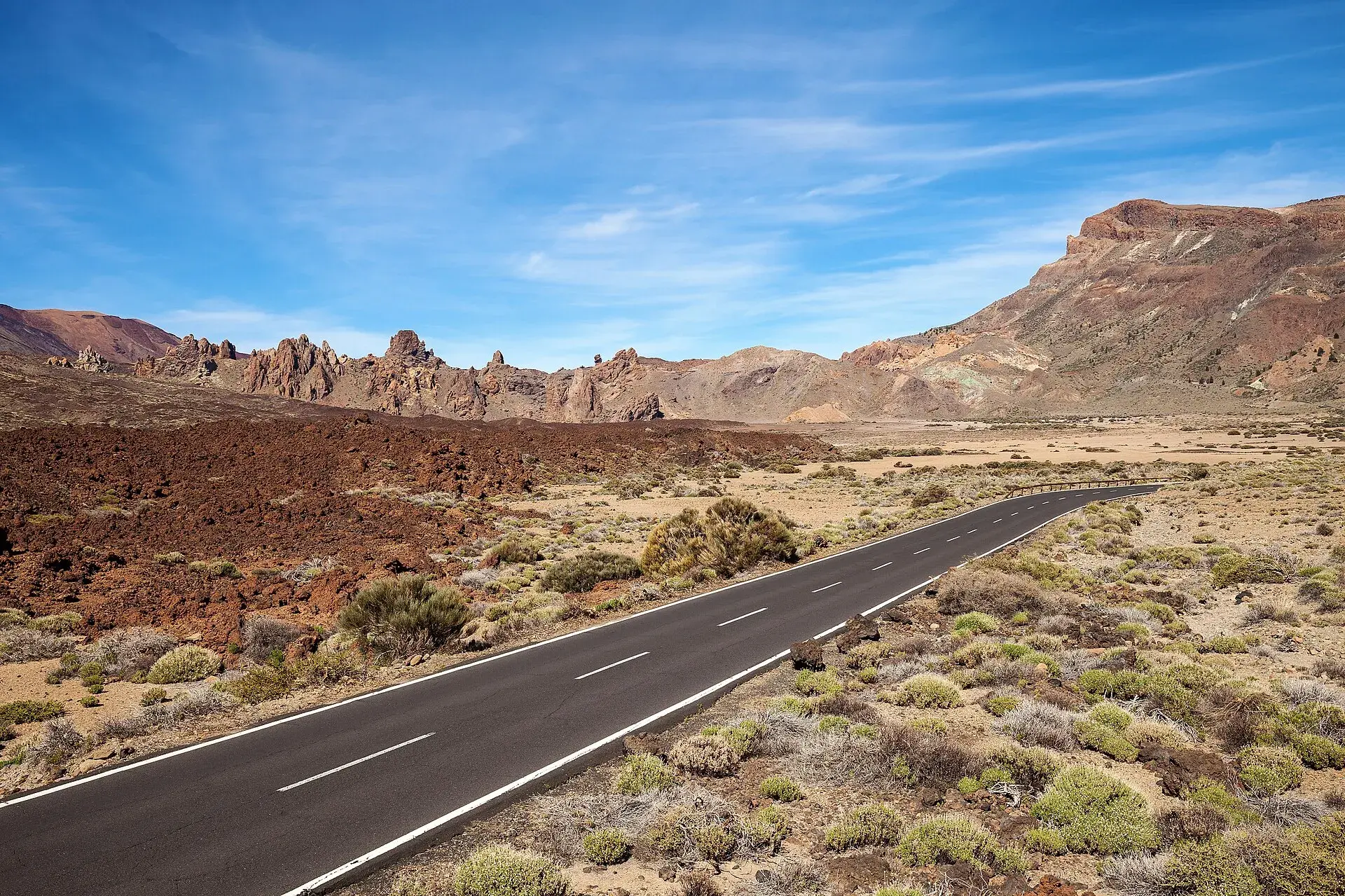
Cycling in Tenerife: riding up Teide and the key routes
Cycling in Tenerife: how to ride up Teide via Vilaflor, La Orotava, La Esperanza and Chío, with distances, elevation gain, best season, rules and bike hire.
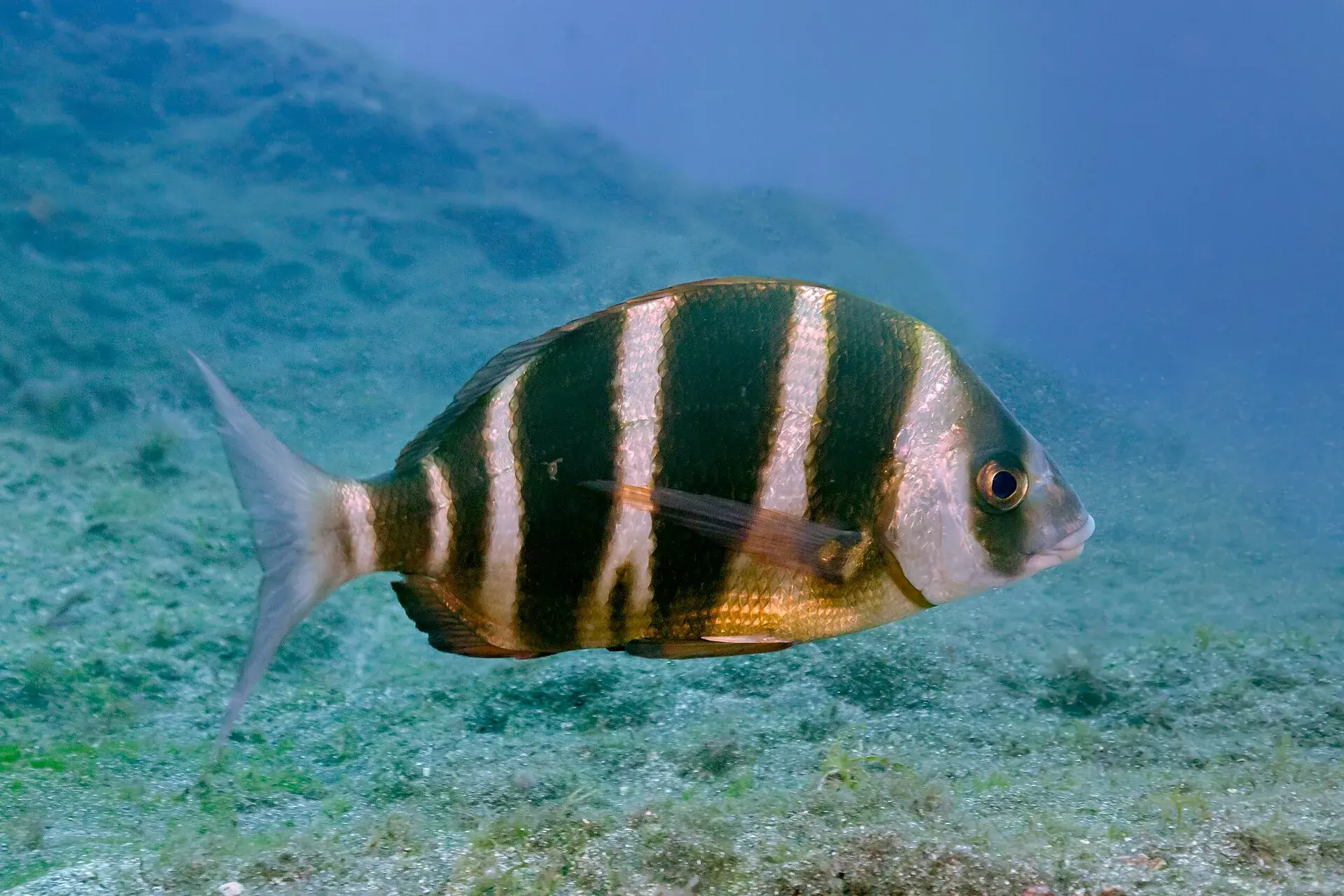
Diving in Tenerife: best spots, snorkelling, try dives and rules
Diving and snorkelling in Tenerife by area: Abades, El Puertito, Las Galletas, Radazul, Los Gigantes and Garachico, with depth, wildlife, try dives and safety.
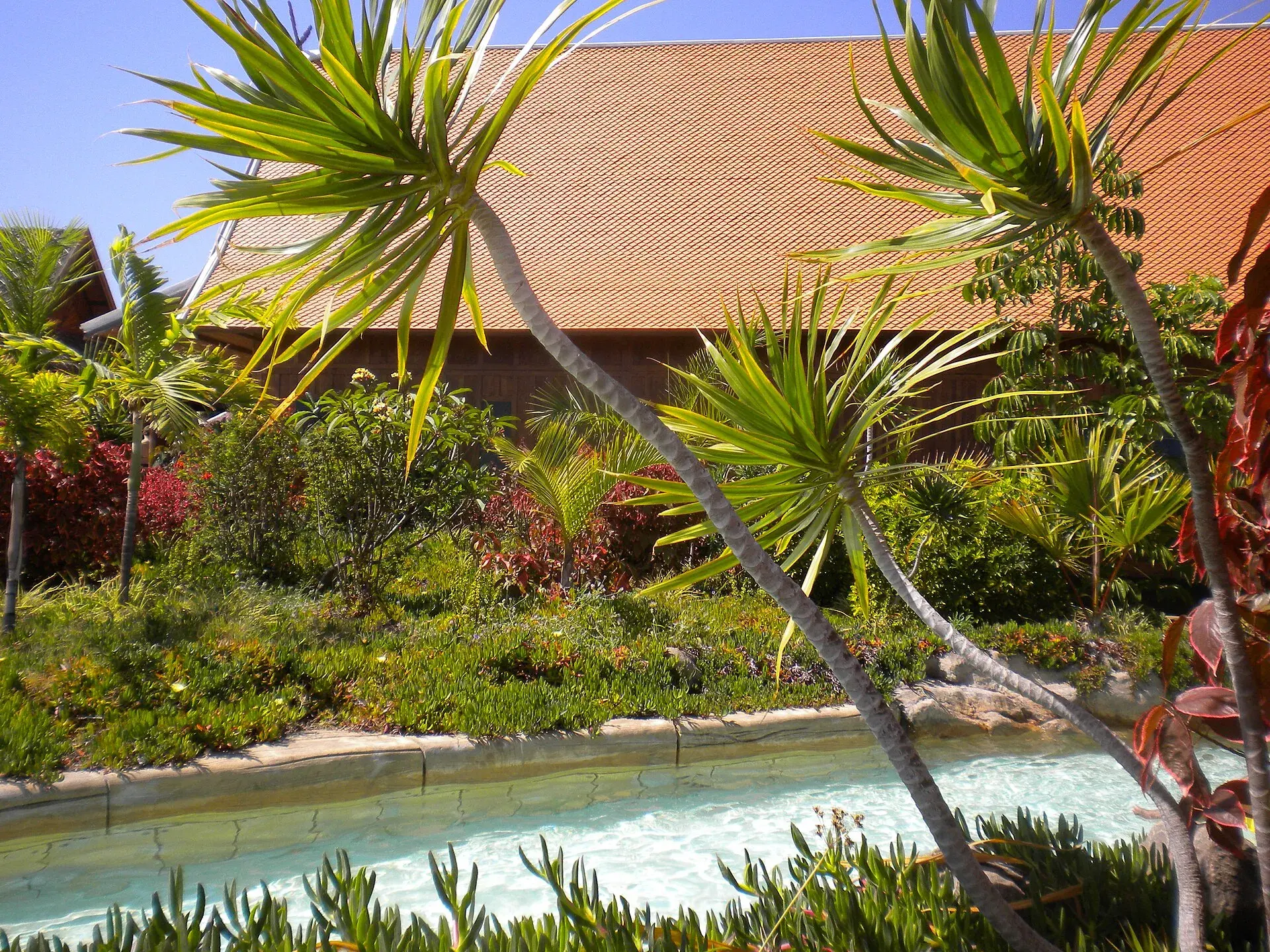 Featured
Loro Parque or Siam Park: which to choose, prices and Twin Ticket
Loro Parque or Siam Park: differences, prices and Twin Ticket in 2026, opening hours, free buses, minimum heights, food, queues and who each park suits best.
 Featured
Masca gorge hike: booking, rules, bus 355 and the boat out
Masca gorge hike in 2026: compulsory booking, official price, bus 355, time slots, minimum age, boat to Los Gigantes and what to do if the trail is closed.