Photo by Eduardo Martín Pérez, CC BY 4.0, via Wikimedia Commons
San Marcos Beach, Icod de los Vinos: current state and tips
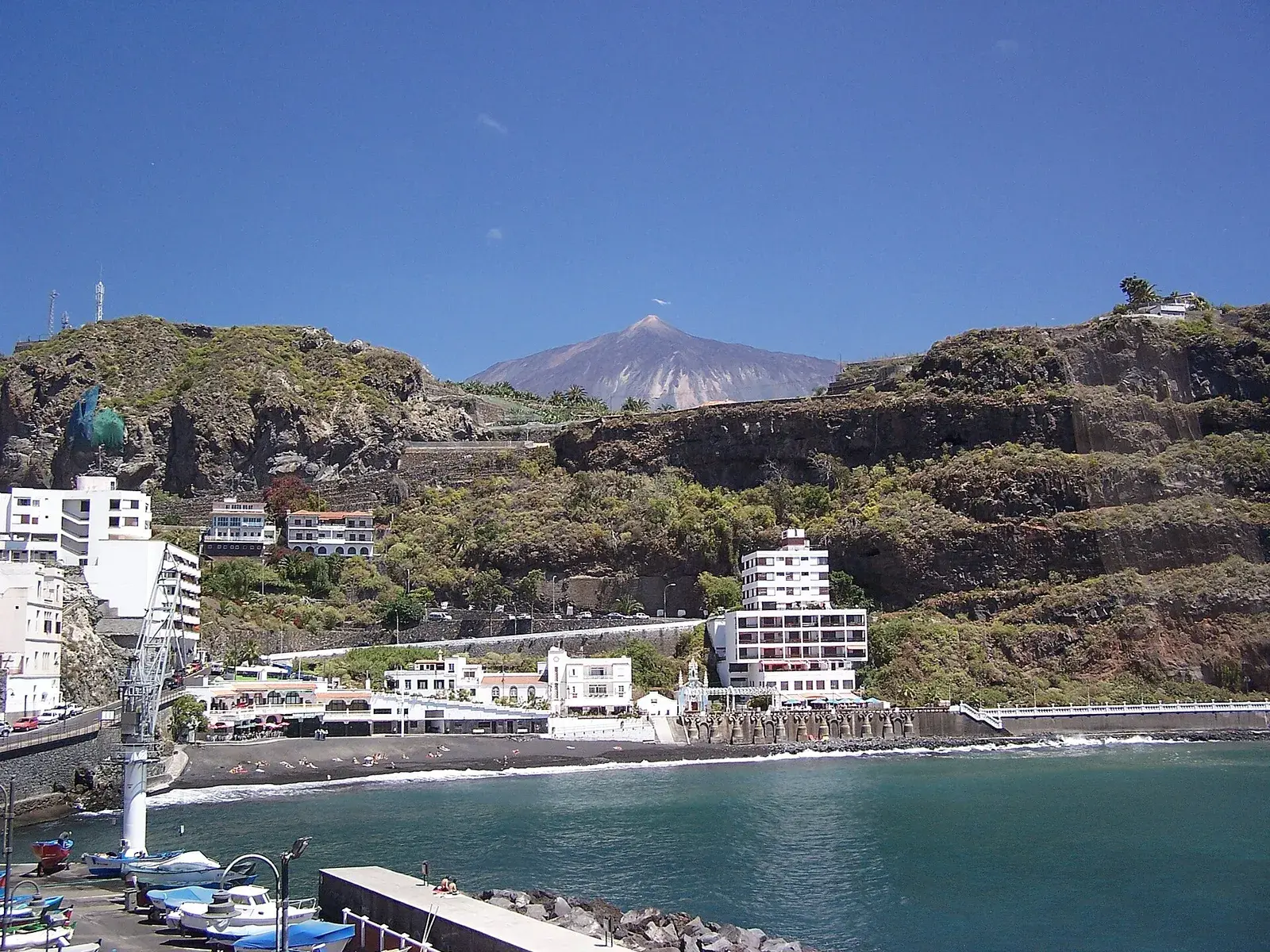
Playa de San Marcos is the beach of Icod de los Vinos: a shell-shaped bay with about 160 metres of black sand, next to the small harbour of the same name, below the town of the Drago Milenario (the thousand-year-old dragon tree). The inlet shelters it from the strong waves that pound the rest of the north coast; it has toilets, showers, sun loungers, restaurants with terraces over the sand and adapted access, and it keeps its Blue Flag in 2026. Its problem is the sand: the beach has been losing it ever since the fishing harbour was built, and in 2026 residents described getting into the water as impossible because of the stones, with the restoration project stalled. Check its condition before going with children; for eating fish by the sea and a calm swim when there is sand, it is still an excellent stop on a tour of the north-west.
Fact sheet
- Area and municipality: San Marcos harbour, on the coast of Icod de los Vinos, below the town centre.
- Sand: black volcanic sand; with stones at the water's edge in 2026.
- Approximate length: about 160 metres long and about 40 wide, according to Turismo de Tenerife.
- Waves and safety: the calmest sea on the north coast, thanks to the shape of the bay; check sea conditions in winter.
- Lifeguards: yes, in season.
- Facilities: toilets, showers, sun lounger hire, bins, municipal cleaning, bars and restaurants.
- Blue Flag 2026: yes.
- Accessibility: yes, according to Turismo de Tenerife; in 2026 the sea had washed away the wooden boardwalks down to the water.
- Parking: fewer than fifty spaces; it fills up in summer.
- TITSA bus (guagua): line 363 (Puerto de la Cruz–Buenavista) stops at Icod bus station; Turismo de Tenerife lists a town service to the beach.
- Best for: families, a swim without waves when the sand allows it, eating fish by the sea.
- Drawbacks: loss of sand and stones at the water's edge, scarce parking and a small beach that fills up in summer.
A sheltered bay that has run out of sand
For decades San Marcos was the family beach of the Icod area: a shell of black sand enclosed by cliffs, next to the small harbour, where the sea arrives gently while it breaks hard along the rest of the north. That shelter is what has earned it the Blue Flag. Building the fishing harbour, almost thirty years ago, altered the currents in the bay and sand stopped reaching the beach. The result is stones where there used to be sand and an increasingly difficult entry into the water.
The City Council has had a restoration project for more than ten years, but it is still blocked: in 2026 the environmental assessment was still pending with the Canary Islands Government. In May 2026 residents from the SOS Playa de San Marcos group demonstrated outside the Presidency of the Canary Islands Government and called for temporary measures for the summer, such as removing stones and putting the wooden boardwalks back down to the water. Until there are works, the state of the shoreline varies from one season to the next.
How to get there
By car. Follow the TF-5 towards Icod de los Vinos and go down from the town centre to the coast following the signs to San Marcos. The car park next to the beach has fewer than fifty spaces; in summer and at weekends, arrive early.
By bus. TITSA line 363, between Puerto de la Cruz and Buenavista, stops at Icod bus station. From there, Turismo de Tenerife lists a town guagua (the local word for bus) service to the beach; check the line and timetable with TITSA. The guide to getting around Tenerife explains how to combine lines.
The sea and safety
The shell shape holds back the waves, which is why San Marcos has the calmest sea in the north. Even so, in winter the ground swell can enter the bay, and the stony shoreline calls for care: go in with water shoes, slowly, and watch children as they cross the strip of stones. There are lifeguards in season; respect the flag. If you want a swim without waves and the shoreline is impassable, El Caletón in Garachico, a few kilometres away, is the alternative.
What's nearby
- Drago Milenario: the most famous dragon tree on the island, in the Parque del Drago, in the centre of Icod; you can also see it for free from the square of the San Marcos church.
- Cueva del Viento: Icod's great volcanic lava tube, which you visit with a guide.
- Garachico: a few minutes to the west, with its historic centre and the natural pools of El Caletón; it is one of the prettiest villages in Tenerife and appears in the guide to the natural pools of Tenerife.
- The rest of the north: Puerto de la Cruz, La Orotava and the viewpoints are in what to see in the north of Tenerife.
Best time to go
Time of day. Arrive in the morning to park and find a spot on the sand; at midday, the restaurants with terraces over the beach are the plan.
Time of year. Summer is the best season: calm sea, lifeguards and, when council measures allow, more sand at the water's edge. In winter the beach is more interesting as a lunch stop than for swimming. Before you go, look for recent news on its condition or ask Icod City Council.
Frequently asked questions
Can you swim at San Marcos beach?
Yes: it has the calmest sea in the north and a Blue Flag in 2026. The problem is the shoreline, which is stony because of the loss of sand; go in with water shoes and check its condition if you are going with children.
Why has it lost its sand?
According to the City Council and residents, the fishing harbour built almost thirty years ago altered the currents in the bay and sand stopped arriving. The restoration project has been blocked for more than ten years.
How do you get to San Marcos by bus?
On TITSA line 363 (Puerto de la Cruz–Buenavista) to Icod bus station and, from there, by town bus or taxi down to the coast. Check timetables with TITSA.
What else is there to see in Icod de los Vinos?
The Drago Milenario and its park, the San Marcos church and the Cueva del Viento. Garachico and El Caletón are a few minutes away.
Keep planning
- The best beaches in the north of Tenerife: San Marcos alongside the rest of the north coast.
- The best natural pools in Tenerife: El Caletón and other wave-free swims.
- Tenerife road trip: the northern route, from Puerto de la Cruz to Teno.
- The best beaches in Tenerife: the island's selection by type of plan.
You may also like
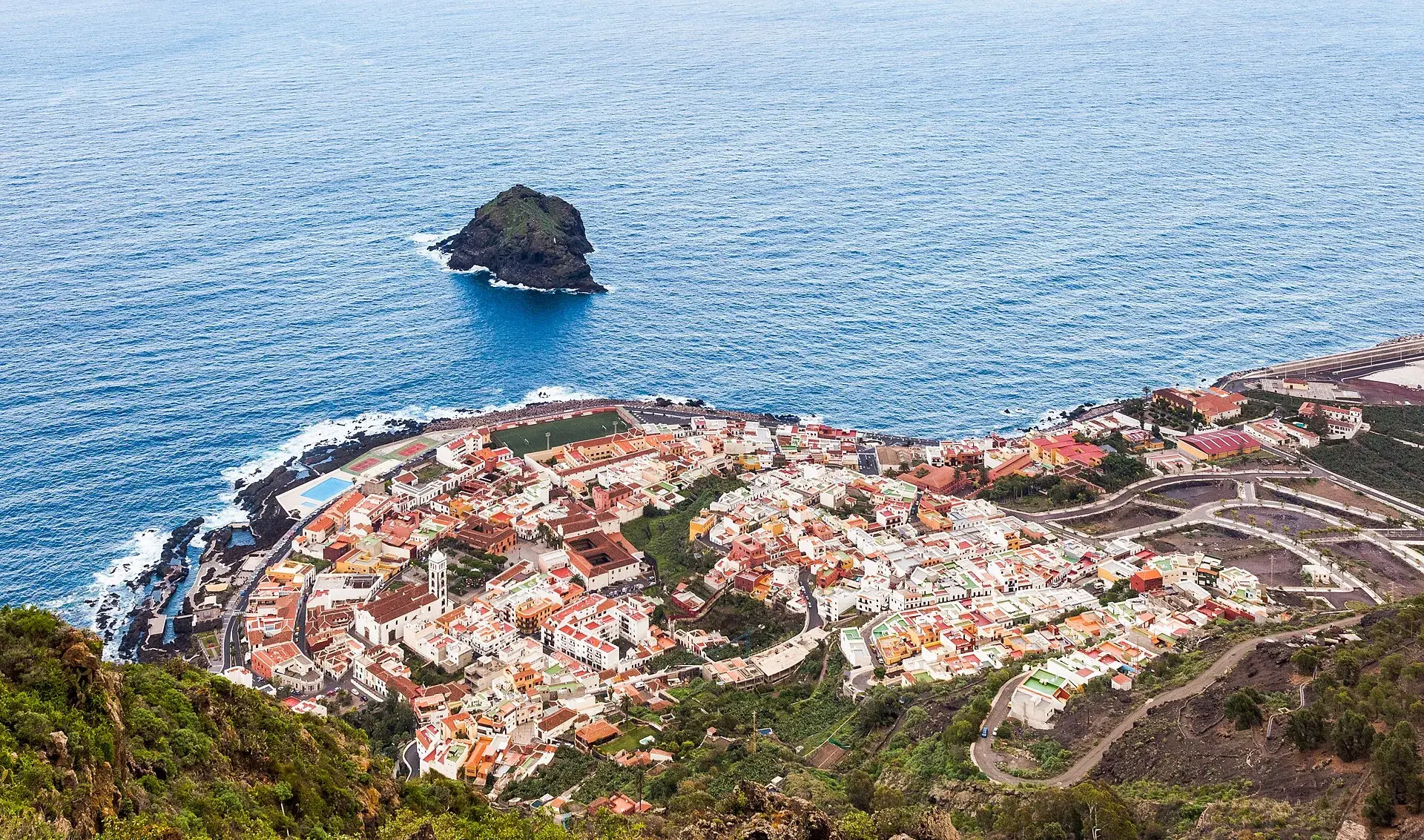
Garachico, Tenerife: old town, El Caletón and the Isla Baja
What to see in Garachico in half a day: the port buried by lava in 1706, the historic centre, El Caletón, the castle, San Roque, buses and where to park.
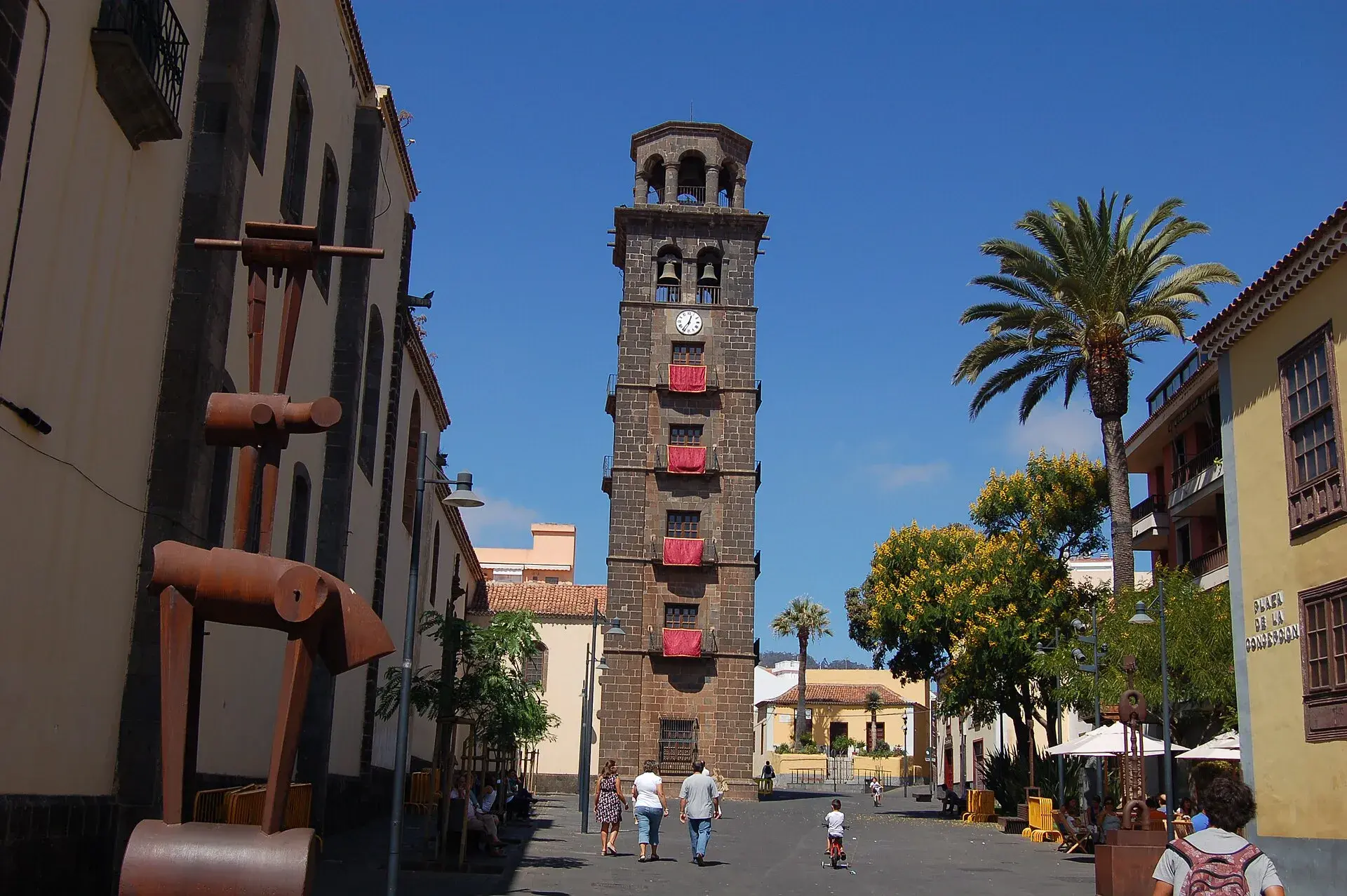
La Laguna, Tenerife: old town, museums and how to get there
What to see in La Laguna step by step: walking route through the World Heritage old town, cathedral, museums, tram, parking, festivals and a trip to Anaga.
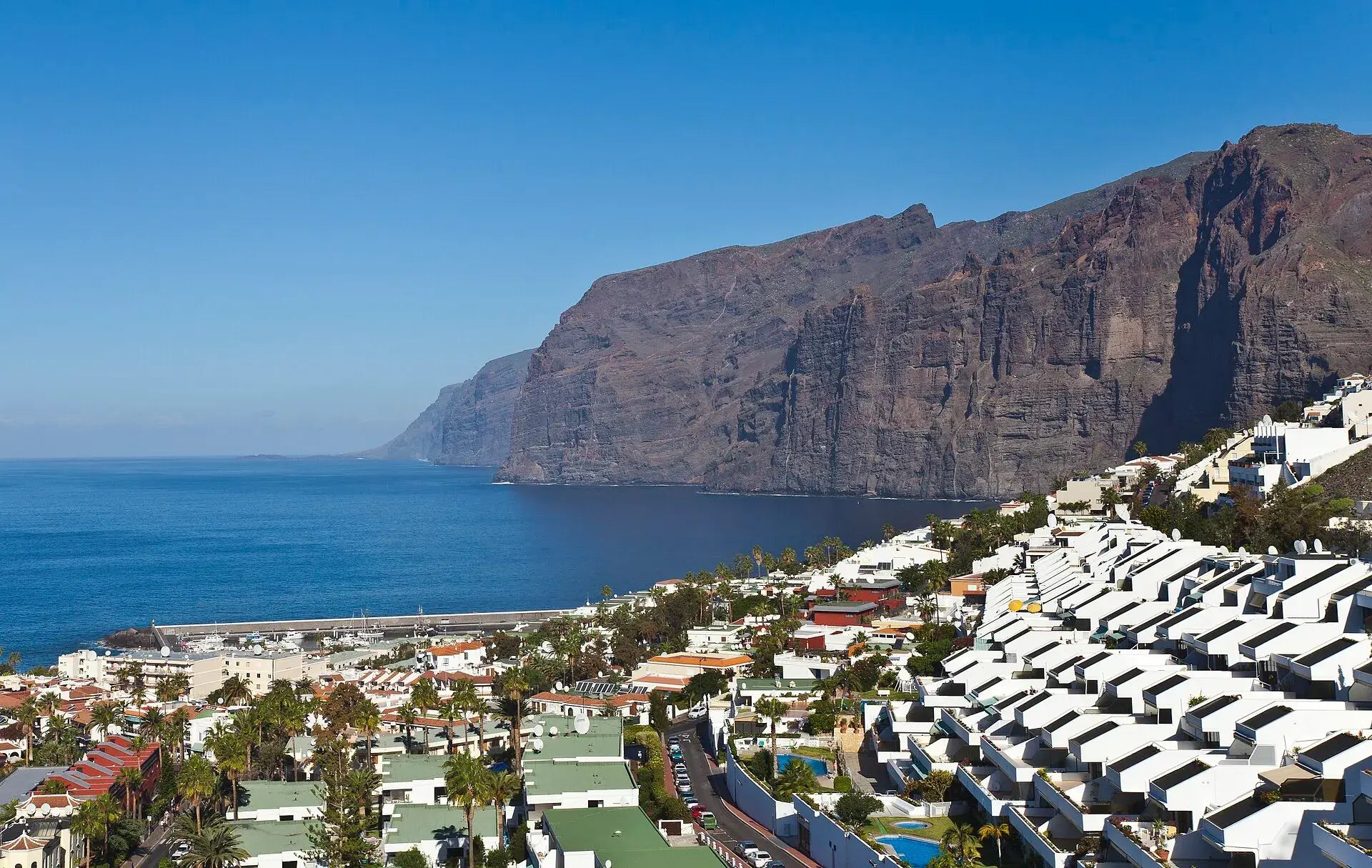
Los Gigantes Tenerife: cliffs, boat trips, beaches and access
Los Gigantes (Tenerife): cliffs up to 600 m, Archipenque viewpoint, boats from the marina, Los Guíos, rock pools, buses 473 and 477 and where to park.
Tenerife protected areas rules: trail quotas and drones
Rules for Tenerife's protected areas: trails that need booking, Teide, Masca and El Pijaral, drones, camping, wildfire alerts, dogs and fines in 2026.