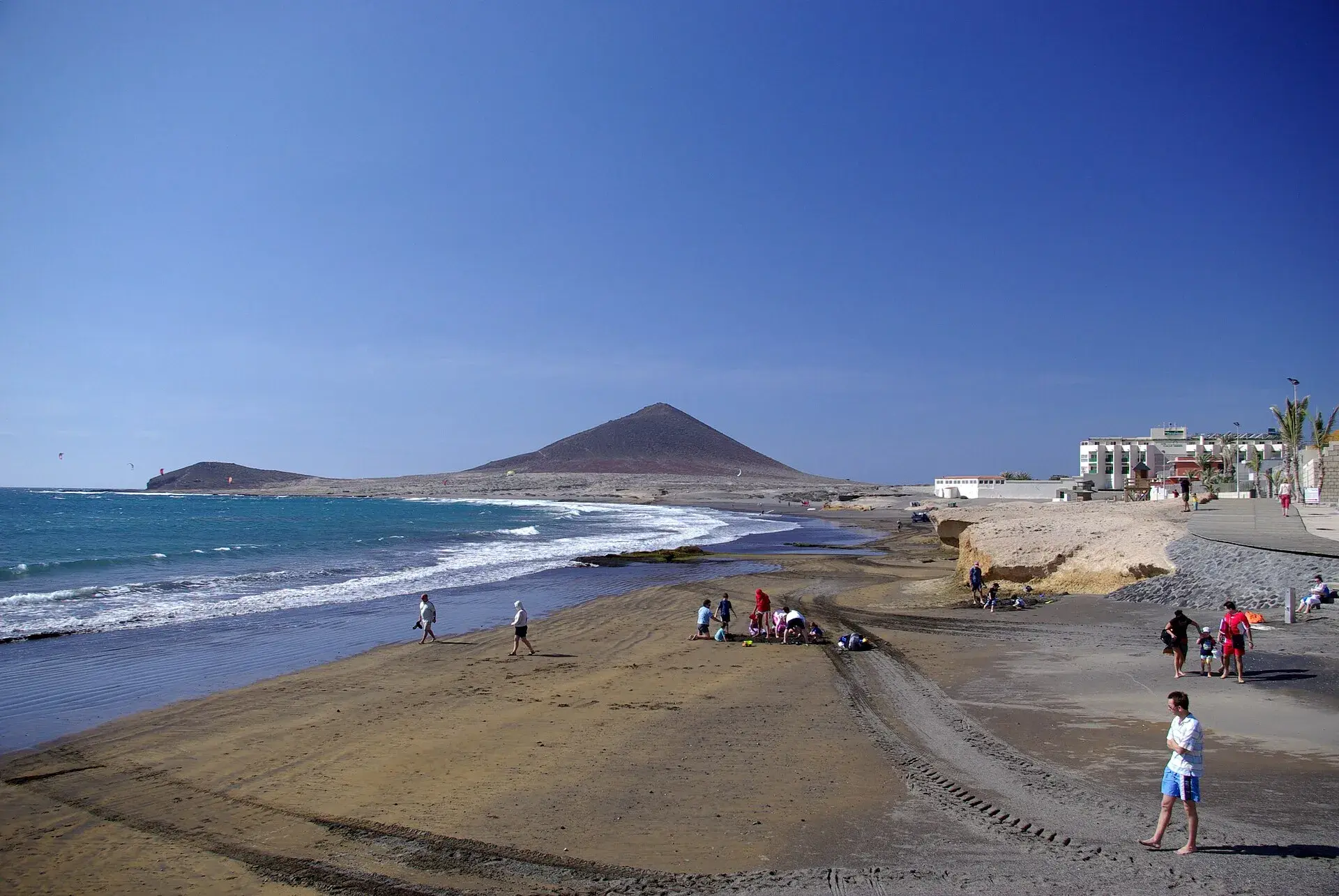
Photo by Diego Delso, CC BY-SA 3.0, via Wikimedia Commons
Tenerife without a car: what to see by bus, tram and tour
Tenerife without a car works better than you might expect, as long as you choose the right base. From the south (Costa Adeje, Las Américas and Los Cristianos) you can walk to the beaches, the whale-watching boats and the ferry to La Gomera; from Puerto de la Cruz, La Orotava, Mount Teide and the Isla Baja are a guagua (bus) ride away; and from Santa Cruz or La Laguna you have the tram, Las Teresitas and the villages of Anaga. Teide has one bus a day from each side of the island, the Masca gorge requires you to arrive by bus even if you have a car, and what public transport cannot do (Teide at night, isolated rock pools, several areas in one day) is covered by an organised tour or a taxi for the last stretch. Fares, the ten+ card and airport routes are in getting around Tenerife; this guide answers a different question: what you can actually see and do without driving.
What changes when you travel without a car
- Your base decides. Each area has its own range by bus. Switching sides of the island in a day is possible, but it costs you hours on the road.
- Coast and towns, good; mountains, sparse. The TITSA network is dense along the coast, in the tourist south and around the capital, and thin in the hills and the parks. Teide, Anaga and Masca get only a few departures a day.
- Timetables change with the season. TITSA switched to its winter timetable in early October 2026. Check every route on its website or app the day before, especially at weekends and on public holidays.
- The last stretch by taxi. For a guachinche (a seasonal eatery run by wine growers in the north), a winery or a trailhead far from the stop, take the bus to the village and ring the local taxi rank.
- Organised tours are not a defeat. They solve what the bus cannot: getting down from the mountains at night, boats and permits with daily quotas.
Based in the south: Costa Adeje, Las Américas and Los Cristianos
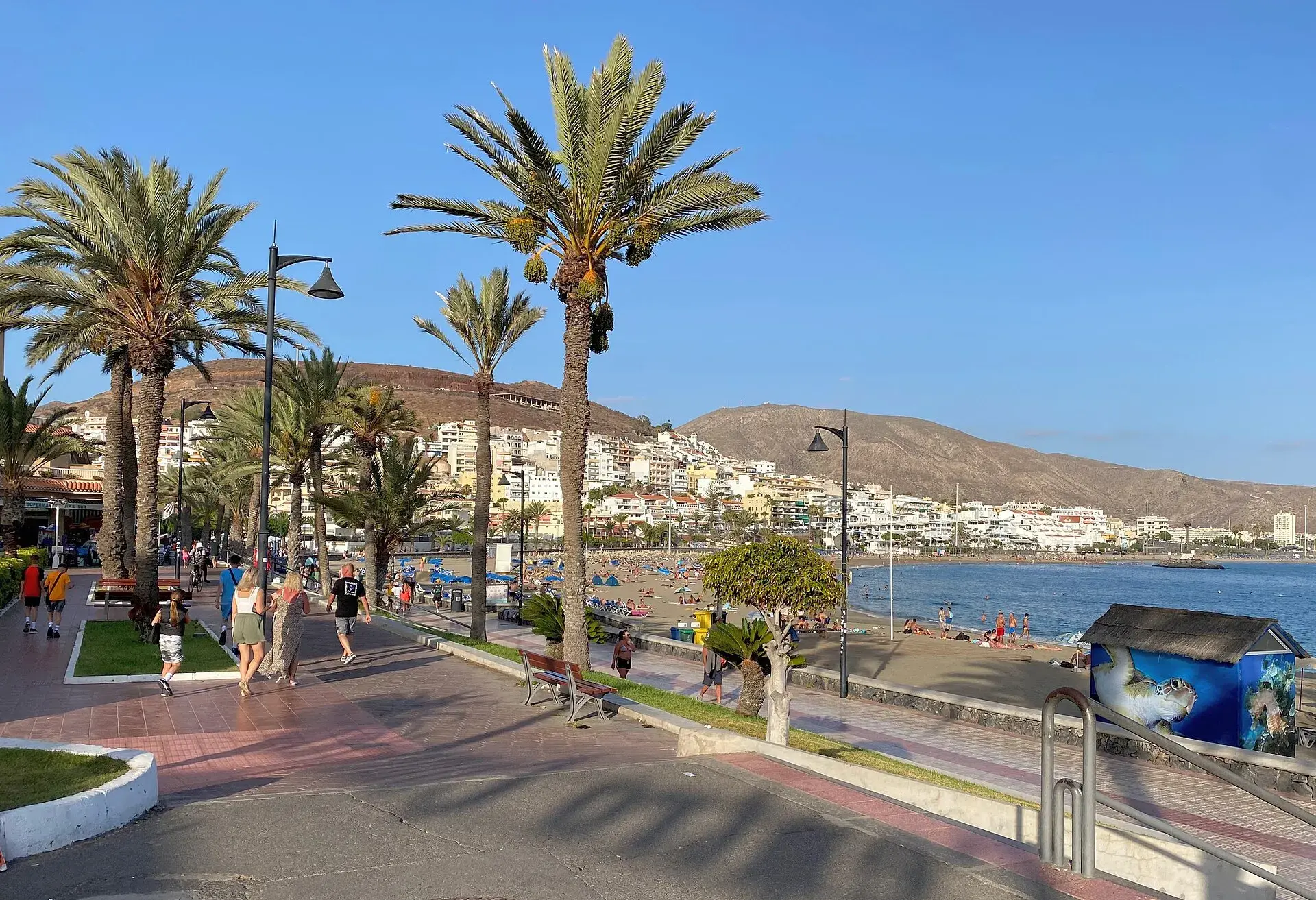
This is where you miss a car the least. The beaches of Las Vistas, Fañabé and El Duque line the seafront promenade, the port of Los Cristianos is the hub for boat trips and the ferry to La Gomera, and the bus stations in Costa Adeje and Los Cristianos connect with almost all of the south.
On foot or a short bus ride
- Beaches and promenade: you can walk from one beach to the next along the seafront, with showers, sunloungers and restaurants along the way.
- Whales and dolphins: the port of Los Cristianos has the widest choice of whale-watching boats, with the viewing areas only a few miles out. How to choose an operator and a boat is covered in the whale-watching guide.
- Siam Park: the water park runs its own free double-decker buses, with stops in Las Américas, Los Cristianos and Costa Adeje. Check stops and times on its website before you go.
Half-day trips by bus
- Adeje old town and the Barranco del Infierno: route 447 links Los Cristianos, Costa Adeje and the centre of Adeje every day, and route 473 also passes through the town. The gorge trail starts at the top of the old town and requires advance booking with a set entry time on the official website.
- Los Gigantes: routes 473 and 477 run from Costa Adeje to the foot of the cliffs, where boats leave the harbour for the Teno coast.
- Vilaflor and the Paisaje Lunar: route 482 climbs from Los Cristianos and Arona to Vilaflor, the highest village in the Canary Islands, in about 40 minutes; the PR-TF 72 trail to the Paisaje Lunar (the "lunar landscape") starts in the village itself. Check the last bus back before you set off, as there are few at weekends.
- Masca from the south: it can be done by chaining buses with a mid-morning slot. Go to Los Gigantes, change to route 462 or 325 for Santiago del Teide and take the 355 up from there. The south has the advantage on the way back: the boat at the end of the descent lands in Los Gigantes, one bus from your hotel.
Based in Puerto de la Cruz
Puerto de la Cruz is the best northern base without a car: its bus station sends routes up the valley, west along the coast, to Teide and to the capital, and the town itself is a walk along the seafront, from Lago Martiánez to Playa Jardín.
- Loro Parque: a free road train leaves plaza de los Reyes Católicos in the centre every 20 minutes (as of October 2026, towards the park from 9:30 to 16:30). From the south, by contrast, the park's coach is paid and must be booked.
- La Orotava: the valley's historic town, about five kilometres uphill, with several routes from Puerto's bus station (345, 351, 352 and 353). It fills a morning or an afternoon.
- Icod, Garachico and the Isla Baja: route 363 follows the north-west coast to Buenavista del Norte, where route 369 waits: the shuttle to Punta de Teno while the road is closed to private cars. Garachico, El Caletón and the Drago Milenario fit into one day.
- Santa Cruz and La Laguna: routes 102 and 103 cross the island on the northern motorway in under an hour.
- Guachinches and valley viewpoints: bus to the village and a taxi for the final stretch or the way back.
Based in Santa Cruz or La Laguna
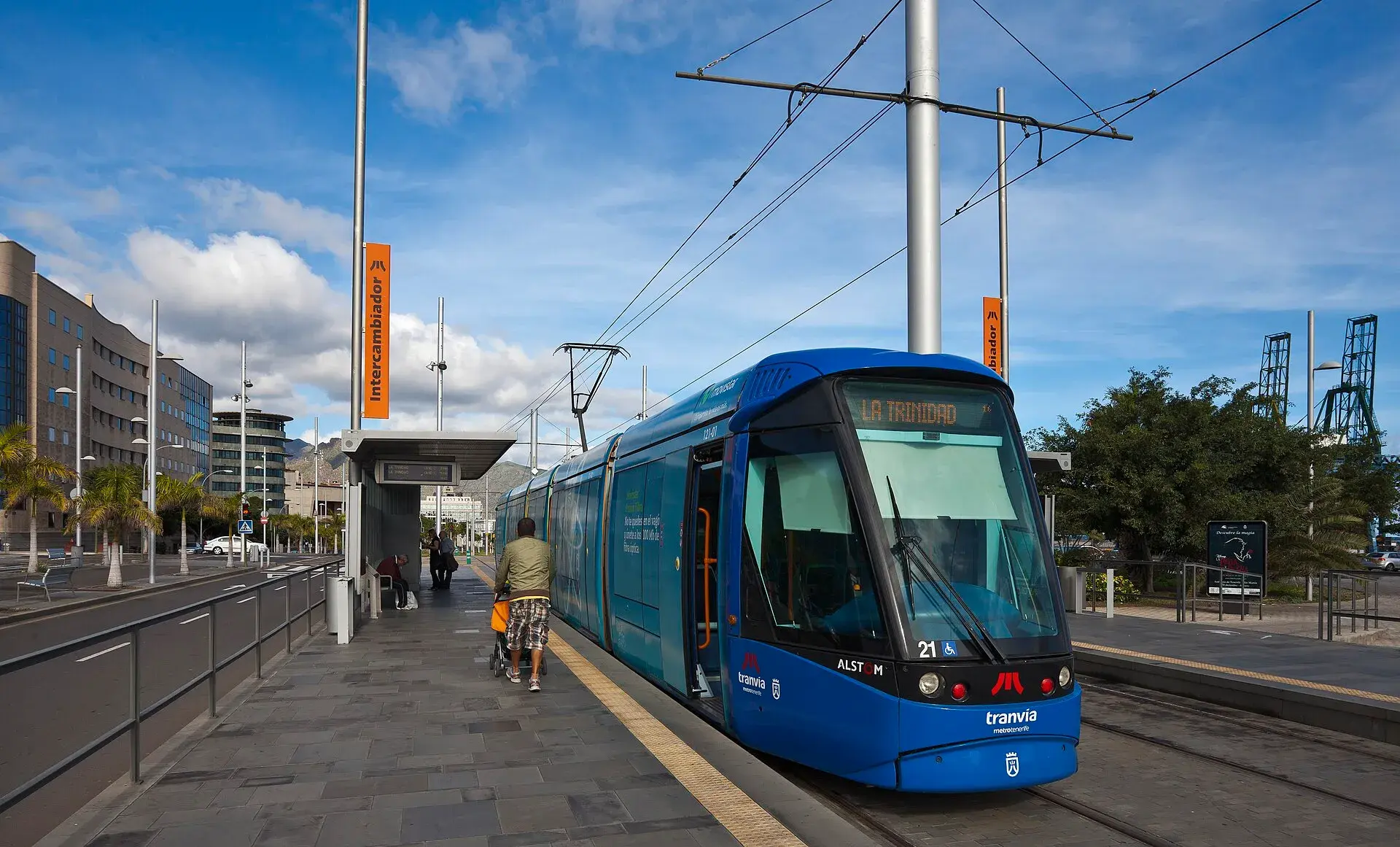
The two cities are joined by tram line 1, and each is best explored on foot: the flat centre of Santa Cruz in one morning and the old town of La Laguna, a UNESCO World Heritage Site, in another. This is the natural base if you prefer city life, museums and green mountains to a hotel beach.
- Las Teresitas: bus 910 leaves the Intercambiador in Santa Cruz very frequently and reaches the golden beach at San Andrés in about 20 minutes.
- Anaga: route 946 crosses the massif to Taganana and Almáciga, and route 947 reaches Chamorga; from La Laguna, several routes climb to Cruz del Carmen and the hamlets along the ridge. They are detailed in the section on Teide and the parks below.
- Bajamar and Punta del Hidalgo: routes 050 and 105 run down from La Laguna to the natural pools on the north coast.
- The north: the 100 series runs to Puerto de la Cruz and route 101 calls at the Acentejo villages on its way to La Orotava.
- Far-flung places: the south and Teide are a long way off. For Teide, an organised tour is usually easier from here than connecting with bus 348 in Puerto de la Cruz.
Teide, Masca, Anaga and La Gomera without a car
Teide by bus
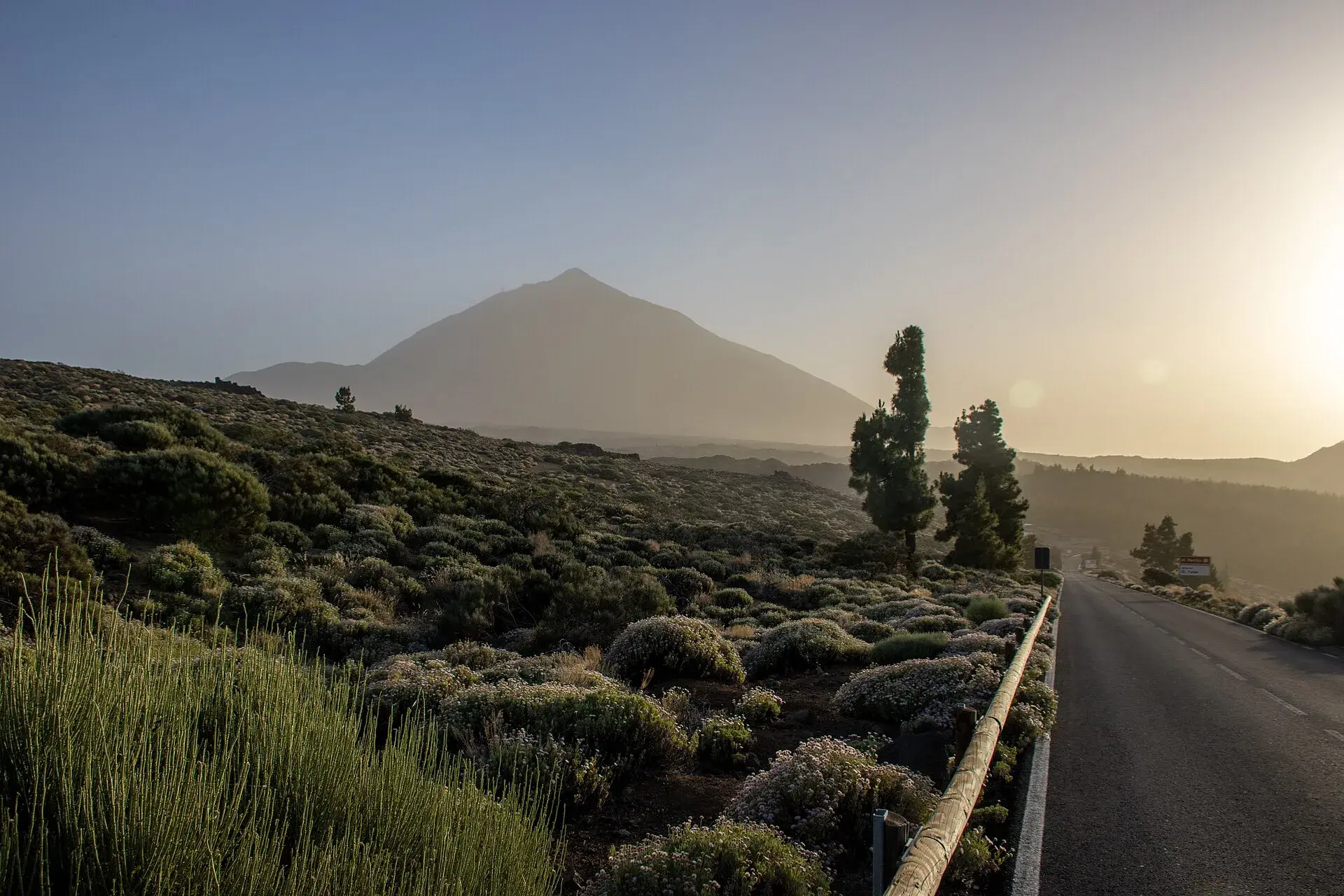
There is one bus up each side of the island a day, returning mid-afternoon. As of October 2026:
- From the south, route 342: leaves Costa Adeje bus station at 9:25 and Los Cristianos at 9:40, climbs through Vilaflor and stops at the Parador, the cable car and El Portillo. It heads back from El Portillo at 15:15 and from the cable car at 15:40, leaving you about four hours in the park.
- From the north, route 348: leaves Puerto de la Cruz at 9:30 and La Orotava at 9:45, reaching the Parador in just over an hour and a half. It heads back from the Parador at 16:00 and the cable car at 16:05: about five hours up there.
- Inside the park: route 341 runs a short loop between the Parador, Roques de García, the cable car, Montaña Blanca, Minas de San José and El Portillo, with few departures.
That leaves time for the cable car (with a slot booked on its official website to match the bus arrival) or the Roques de García trail, but not for walking up to the summit. The buses fill up in high season, so get to the stop early. What to see in the park and how to split your time is in the Teide National Park guide.
The Masca gorge
Masca is the one big trail on the island where a car is no help: independent hikers must ride bus 355 up to the hamlet from Santiago del Teide, with a named booking on the trail's official website and the boat out to Los Gigantes bought separately. The organisers ask you to be at the stop an hour before your slot. Requirements, prices and compulsory kit are in the Masca gorge hike guide. If you would rather not juggle buses and boats, the trail's partner companies sell the descent with transport from the south.
Anaga
Anaga can be done without a car with more planning than anywhere else, because the routes have few departures:
- The Taganana coast: route 946 leaves the Intercambiador in Santa Cruz, passes San Andrés and El Bailadero and drops down to Taganana, Roque de las Bodegas and Almáciga in an hour.
- The ridge: routes 076, 077 and, at weekends, 273 climb from La Laguna to Cruz del Carmen; route 275 reaches Taborno.
- The classic linear walk: the PR-TF 10 runs from Cruz del Carmen to Punta del Hidalgo via Chinamada, and you return from Punta del Hidalgo on route 050 or 105. It is the best walk on the island to do without a car.
Check the time of the last bus back before you start walking. Trails, hamlets and the El Pijaral reserve, which needs a permit in advance, are in the Anaga Rural Park guide.
La Gomera in a day
Fred. Olsen Express and Baleària Canarias ferries leave Los Cristianos and reach San Sebastián de La Gomera in about 50 minutes, with several sailings a day. Going as a foot passenger is cheaper than taking a car, and many Tenerife hire companies do not allow it anyway. On the island, the GuaguaGomera buses work for a single return trip, such as Valle Gran Rey; to see Garajonay and the northern valleys in one day, the realistic options are an organised tour or a car hired in San Sebastián. Timetables, a route and options are in the La Gomera day trip guide.
What is not realistic without a car
- Sunset and stargazing on Teide. The buses come down mid-afternoon and there is no evening service. The answer is a tour with pick-up on the coast; the options and what to expect are in stargazing on Teide.
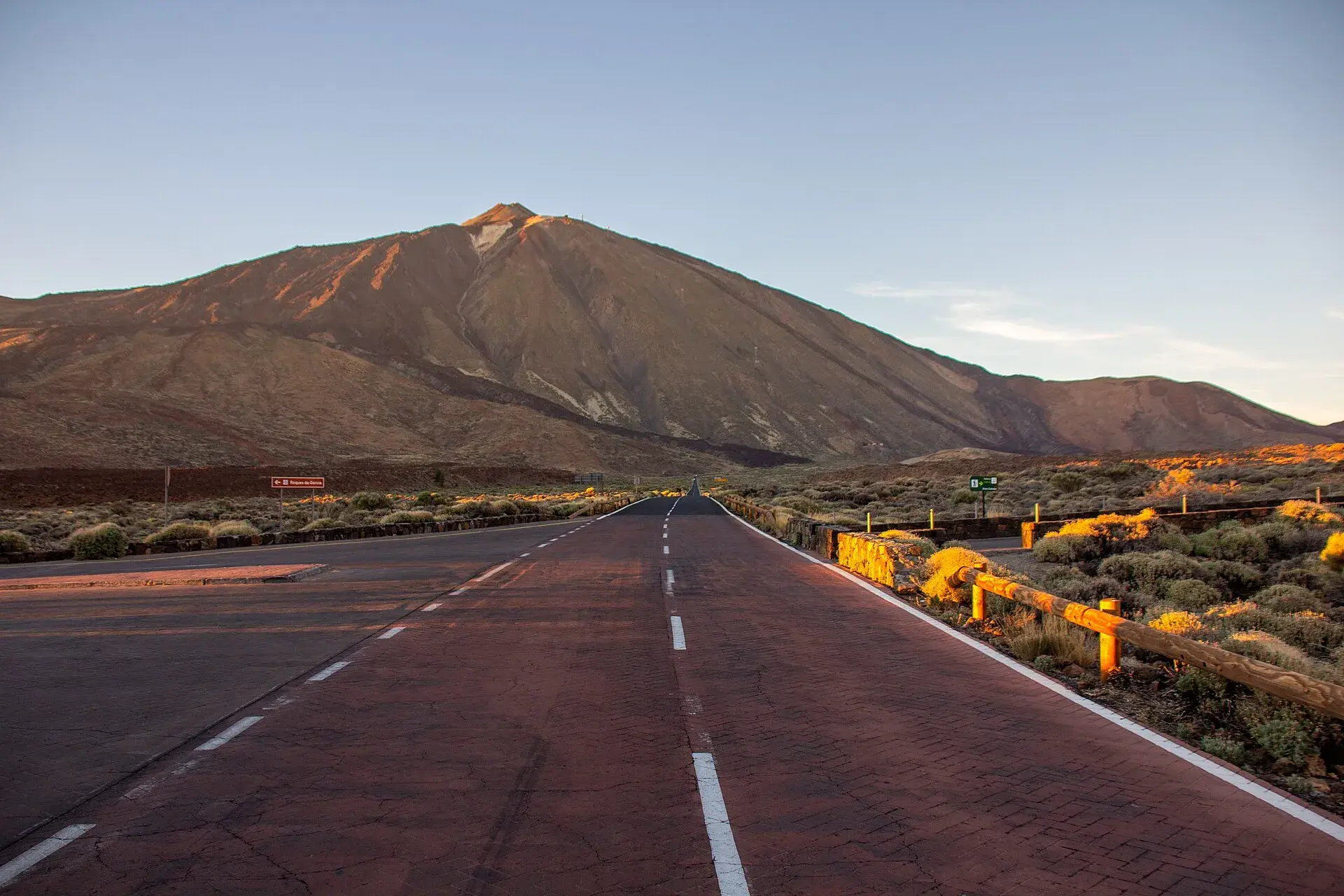
- Climbing Teide on foot. The Montaña Blanca trail takes more than six hours uphill from the start: it does not fit between the bus arriving and leaving. Without a car you need a taxi, a transfer or a night at the Altavista refuge.
- Rock pools and coves with no nearby stop. The Charco del Viento in La Guancha has no practical public transport, and the same goes for several coves and viewpoints at the end of narrow roads.
- The Cueva del Viento. Buses reach Icod de los Vinos, but not the cave entrance.
- Several areas in one day. Teide in the morning, Masca in the afternoon and dinner in the north is a car day. By bus, plan on one big destination per day.
- Early starts and late finishes in rural areas. The first and last departures on mountain routes, especially on Sundays, leave little margin. A taxi back from a northern village has to be booked by phone.
Organised tours: when they are worth it
A tour with hotel pick-up makes sense when it does something the bus cannot: bring you down from Teide after dark, match the Masca boat timetable, cover La Gomera in full or take you out on a boat with a guide. It does not pay off for places with good buses, such as La Laguna, Las Teresitas, Los Gigantes or Puerto de la Cruz, where going independently is cheaper and gives you more time on the ground. Before paying, check how long the coach spends collecting people from hotels and whether the price includes tickets, the cable car or the boat. The comparison of day trips, with what you gain and lose in each, is in the best excursions in Tenerife.
Which base suits your trip
- A beach week with two or three outings: stay in the south, take the bus to Los Gigantes and Vilaflor, a whale-watching boat from Los Cristianos and a tour for Teide at sunset.
- Nature and walking without driving: stay in La Laguna or Puerto de la Cruz. Anaga and the PR-TF 10 from the first; the Orotava valley, Teide on bus 348 and the Isla Baja from the second.
- City and culture: Santa Cruz or La Laguna, with the tram, museums and Las Teresitas 20 minutes away.
- Families with young children: the south, with Siam Park and its free buses, or Puerto de la Cruz, with the free Loro Parque train and the Lago Martiánez pools.
Common mistakes
- Booking a hotel without checking the bus stop. A place at the top of a hillside resort can be a twenty-minute uphill walk from the nearest bus.
- Trusting the summer timetable. Routes change with the season; October's timetable is not August's.
- Leaving no margin for the boat or the cable car. Buses can run late on mountain roads, so book slots with time to spare.
Frequently asked questions
Can you visit Tenerife without hiring a car?
Yes, if you choose a well-connected base and accept one big destination per day. The southern beaches, Puerto de la Cruz, La Orotava, La Laguna, Santa Cruz, Las Teresitas, Los Gigantes, Teide and part of Anaga can all be reached by bus or tram. What needs a car or a tour is the mountains at night and the spots with no bus stop.
Where is the best place to stay without a car?
For beaches and boat trips, Los Cristianos or Costa Adeje, for their bus stations and the port. For the north and Teide, Puerto de la Cruz. For city life, museums and Anaga, Santa Cruz or La Laguna, linked by the tram.
Is there a bus to Teide every day?
Yes. As of October 2026, route 342 leaves Costa Adeje at 9:25 and route 348 leaves Puerto de la Cruz at 9:30, both daily, and they return mid-afternoon. There is one departure each way and they fill up in high season: check the timetable with TITSA the day before.
How do I get to Loro Parque and Siam Park without a car?
For Loro Parque, the free train from the centre of Puerto de la Cruz; from the south, the park's coach is paid and must be booked. For Siam Park, its free buses from Las Américas, Los Cristianos and Costa Adeje.
Keep planning
You may also like
Accessible Tenerife: beaches, transport and step-free visits
Accessible Tenerife: beaches with assisted bathing and amphibious chairs, airport assistance, buses, tram and eurotaxi, and which visits work in a wheelchair.
Calima in Tenerife: what it is, when it comes, how it affects you
Calima in Tenerife: what Saharan dust is, which months it tends to arrive, how it affects health and flights, where to check warnings and what to do that day.
Car hire in Tenerife: insurance, deposit and useful tips
Car hire in Tenerife without surprises: when it pays off, insurance and excess, deposit, fuel, child seats, Masca, Teide and what to check at pick-up.
Digital nomads in Tenerife: visa, areas, housing and internet
Digital nomads in Tenerife: the remote work visa and 2026 requirements, EU citizen registration, the best areas to live, renting, healthcare and internet.