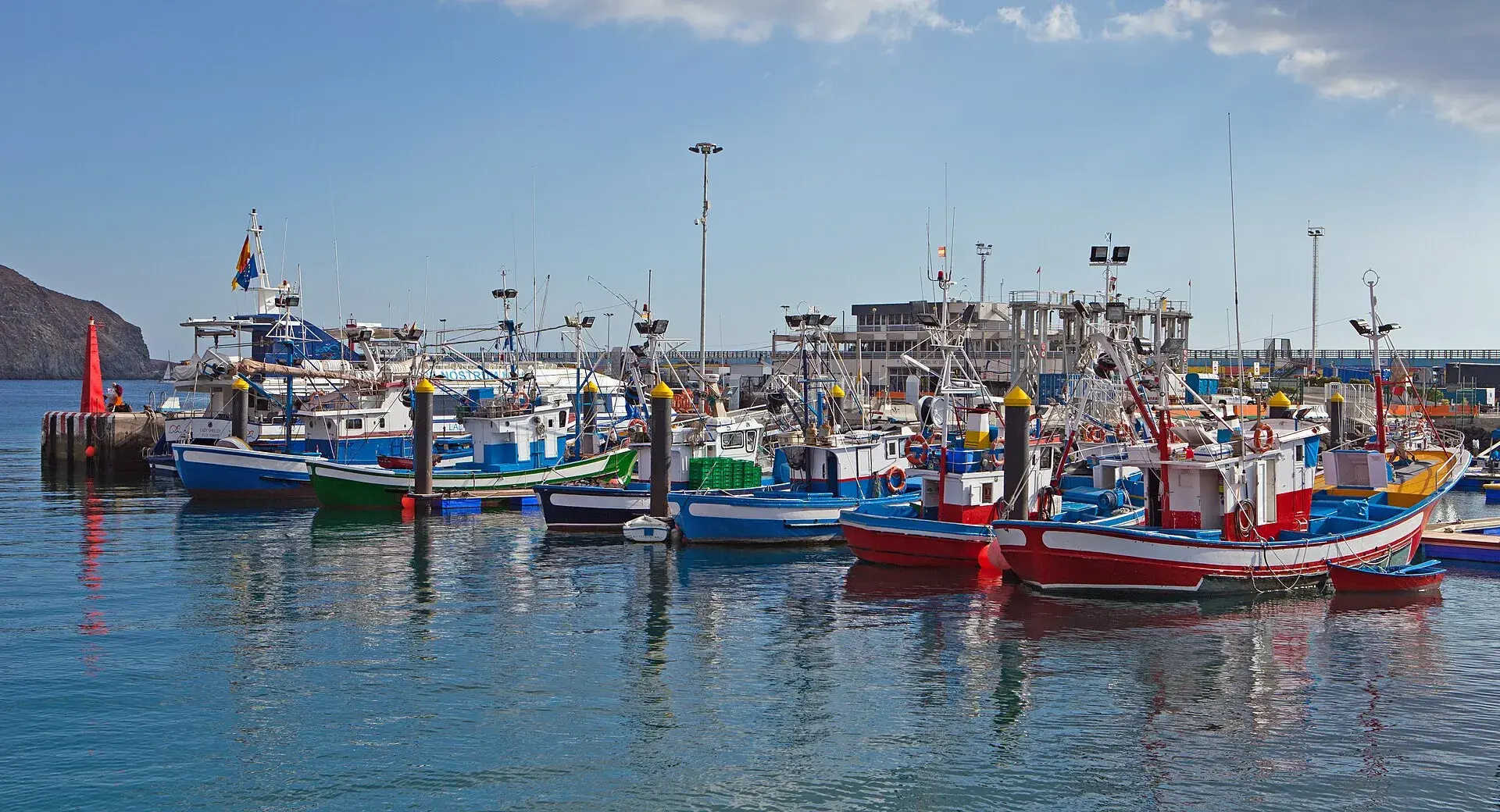
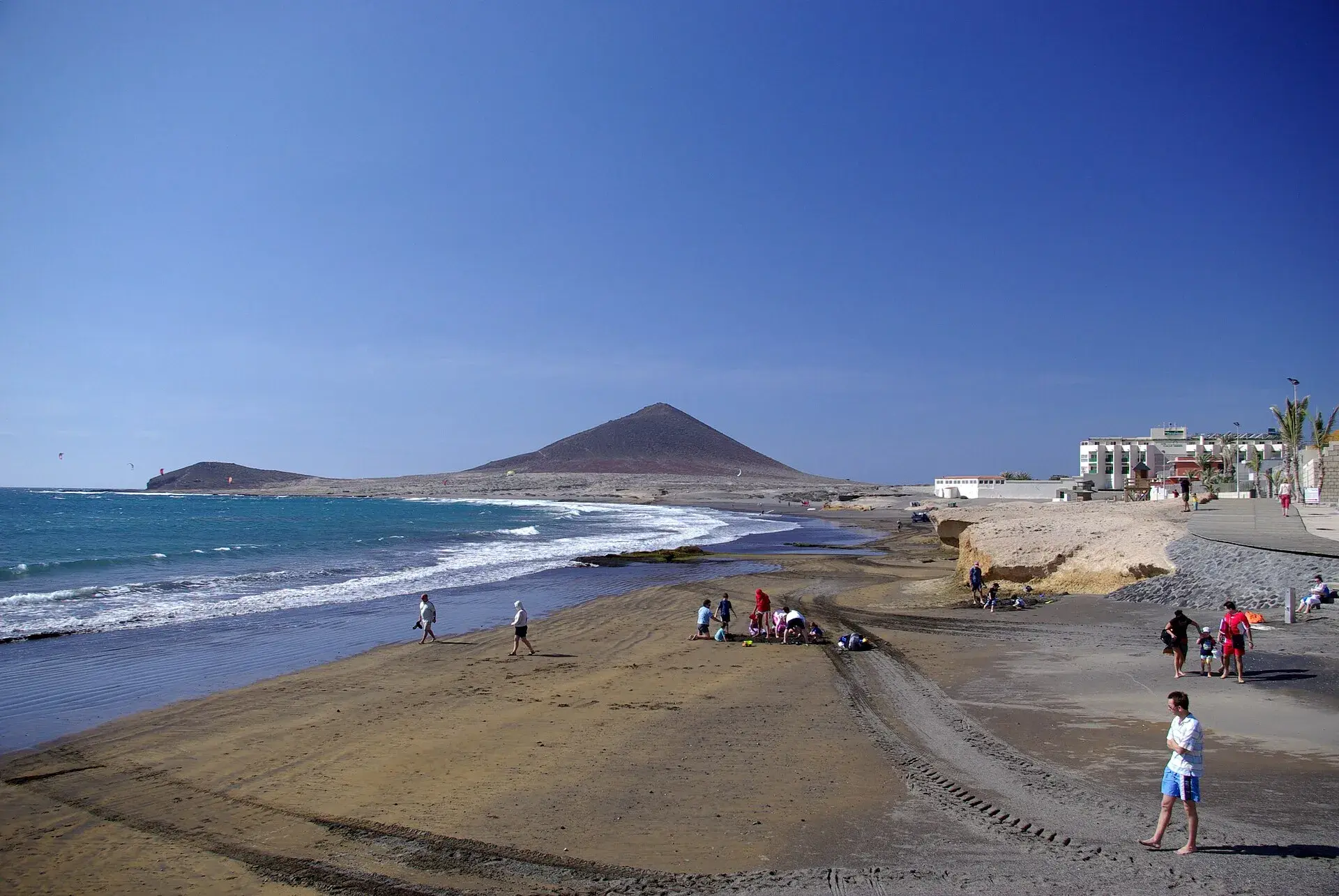
Photo by Bengt Nyman, CC BY 3.0, via Wikimedia Commons
Tenerife travel budget: what a trip really costs, item by item
A week in Tenerife costs, per person and excluding the flight, roughly €450–600 on a backpacker budget, €900–1,300 for a mid-range trip with a car and a decent hotel, and from €2,000 for a high-end trip. A return flight adds somewhere between about €80 and €300 from mainland Spain or from major European cities, depending on the season and how far ahead you book. As an official benchmark, the tourist spending survey by the Canary Islands Statistics Institute (ISTAC) put average tourist spending in the Canary Islands at €178.16 per person per day in 2025; Tenerife accounted for almost 40% of the archipelago’s tourist spending. Below, each item is broken down along with where each figure comes from.
How the prices were worked out
There are three kinds of figure in this guide, and it is worth telling them apart:
- Official prices: cable car, Teide permits, Masca gorge and bus passes (buses are called guaguas in the Canary Islands). They have been checked on the website of the body that sets them, as of October 2026.
- Public statistics: ISTAC's average daily spend for the Canary Islands and the average petrol price published by Spain's Ministry for the Ecological Transition.
- Indicative ranges: flights, accommodation, food and car hire. These have no single price: they depend on the date, how far ahead you book and the area. They are given as a reasonable range for planning, not as a rate, and should be checked when you book.
Flights: the item that varies most
The ticket is what moves the total budget the most. From Madrid or Barcelona several airlines compete on routes to the island's two airports, and a return with hand luggage usually costs between about €80 and €200 outside peak dates. At Christmas, Easter, long weekends and in August the range easily rises to €250–350. From the rest of Europe there are plenty of low-cost flights to Tenerife South, more expensive in winter, the high season for European tourism in the Canary Islands.
Three rules make the ticket cheaper: fly midweek, compare both airports (Tenerife North and Tenerife South are an hour apart by road) and add the checked bag before comparing, because that is where the difference hides.
Accommodation by type and area
The price depends above all on the area and the date. As an indicative range per night for a double room, unless another unit is given:
- Hostel or room in a private home: €25–50 per person. There is little on offer, and it is concentrated in Santa Cruz, La Laguna, Puerto de la Cruz and El Médano.
- Simple holiday apartment: €60–100. It is the most efficient option for families and long stays, because you can cook.
- Three-star hotel or rural house: €80–140. In the north (Puerto de la Cruz, the La Orotava valley) prices tend to be more moderate than in Costa Adeje.
- Four-star hotel in the south: €140–250, with half board or all-inclusive as an option.
- Five-star hotel or villa: from €250 with no clear ceiling, especially in Costa Adeje and the La Caleta area.
Costa Adeje and Playa de las Américas are the most expensive areas; Puerto de la Cruz, Santa Cruz and the northern towns are the most affordable. High season for accommodation runs from November to April, plus Easter and August because of Spanish domestic tourism. To choose your base wisely, see the guide to where to stay in Tenerife.
All-inclusive or independent
All-inclusive pays off if you will spend most of your time at the hotel or are travelling with small children. If you plan day trips every day, you are paying for meals you will not use: in that case, half board or room only leaves room to eat out, which in Tenerife is reasonably cheap.
Food: from guachinche to seafront restaurant
Eating well without spending much is easy away from the most touristy areas. Indicative ranges per person:
- Menú del día (set lunch): €12–18 with a starter, main course, drink and dessert or coffee, in restaurants in villages and industrial estates.
- Guachinche: €10–20 with wine. These are eateries attached to a family winery in the north, with a short menu and low prices; the guachinches guide explains how they work.
- Canarian or fish restaurant: €25–40 with a drink.
- Restaurant on a tourist seafront promenade: €35–60. Terraces with picture menus are the most expensive for the quality they offer.
- Supermarket: with an apartment, shopping for breakfasts and simple dinners comes to about €8–12 per person per day.
Coffee and the island's beer or wine in a village bar are cheap, and Canarian dishes are usually the most economical option on the menu.
Transport: bus, car or taxi
Bus and tram
TITSA, the bus company of the Cabildo (the island government), offers two tourist passes with unlimited travel on buses and the tram: 1 day for €10 and 7 days for €50, plus €2 for the physical card (no card is needed in the ten+ Móvil app). These are prices as of October 2026 according to the TITSA website. The weekly pass pays off if you make at least one long journey a day; if you stay at the resort and only make a couple of trips, the stored-value card works out cheaper. The guide to getting around Tenerife details the useful routes.
Car hire and petrol
A car gives you freedom for Teide, Anaga or Teno, and in Tenerife it is affordable. A small car can be hired for around €20–40 a day in low season and €40–70 in high season, with better prices for a full week. Petrol is cheaper than on the Spanish mainland because the Canary Islands have their own tax regime: according to the Ministry's geoportal, the average price of 95 petrol in the Canary Islands was around €1.40–1.45 per litre in summer 2026. A week of driving all over the island usually comes to €40–60 in fuel. Details on insurance, excess and roads are in the guide to car hire in Tenerife.
Taxi
Taxis run on a meter: urban fares are regulated by each town council and the interurban fare is set by the Government of the Canary Islands, with an airport supplement. A taxi is reasonable for short journeys or at night, but long transfers (South airport–Santa Cruz or north–south) push the budget up a lot: for those routes, compare with the bus or a car.
Main activities: official prices
These are the prices of the activities that weigh most on the budget, checked at the official source as of October 2026. They change often: check the official website before booking.
Teide cable car
Return, non-resident adult: €42; non-resident child (3 to 13 years): €21. One way only: €23.50 adult. With an audio guide, €45.50. It opens at 9:00 and closing time varies by season. Booking in advance is required and it closes in strong wind. The Teide cable car guide explains how to choose a time.
Teide summit permit and eco-fee
Since 19 January 2026, the Telesforo Bravo trail to the summit (3,718 m) costs €15 for visitors from outside the Canary Islands, €6 for residents of other islands, and is free for residents of Tenerife and children under 14. The Montaña Blanca to La Rambleta trail costs non-residents €6 on weekdays and €10 at weekends and on public holidays. It is booked on Tenerife ON, with no refund except in case of closure. The guide to the Teide summit permit covers the whole process.
Masca gorge
The official website of the Camino del Barranco de Masca advertises access from €40.66 for non-residents, IGIC (the Canary Islands sales tax) included (October 2026). It includes a time slot, helmet, tracking and accident insurance; it does not include bus 355 from Santiago del Teide or the compulsory boat out, which is paid separately to the operator of the day and whose price the trail website does not publish. As of October 2026 bookings open from Wednesday to Saturday, and you must report to the Masca Visitor Centre 30 minutes before your slot. Tenerife residents get the fee back at the access control. More details in the Masca gorge guide.
Loro Parque and Siam Park
Both official websites sell individual tickets and a combined ticket (Twin Ticket) with a discount for non-residents and Canary Islands residents. Prices change with the date and with promotions: as a guide, around €44 per park and €78 for the adult Twin Ticket, according to resellers; check the official shop before buying. If you are going to visit both parks, the combined ticket is cheaper than buying them separately.
Whale and dolphin watching
There is no single official price: each licensed company sets its own depending on duration, type of boat and services on board. It is best to choose operators licensed by the Government of the Canary Islands and compare what each trip includes.
Three sample budgets per person per week
All three calculations are per person, seven nights, excluding the flight, sharing a double room. The ranges reflect the difference between low and high season.
Backpacker: €450–600
- Accommodation: hostel or room in a private home, 7 × €30–45 = €210–315.
- Food: supermarket plus one set lunch or guachinche a day, about €25–30 a day = €175–210.
- Transport: 7-day tourist pass, €52 with the card.
- Activities: Teide permit (€15), free trails, beaches and charcos (natural rock pools). No cable car or theme parks.
Mid-range: €900–1,300
- Accommodation: three-star hotel or apartment, half of a €90–130 double = €315–455.
- Food: breakfast at your accommodation, set lunch or guachinche at midday and dinner at a restaurant, about €40–55 a day = €280–385.
- Transport: half of a hire car for a week (about €200–300) plus petrol = €120–180.
- Activities: cable car (€42), Masca with the boat or a theme park, whale watching and a couple of museum tickets, about €180–250.
High-end: from €2,000
- Accommodation: five-star hotel in Costa Adeje, half of a €300–450 double = €1,050–1,575.
- Food: quality restaurants and the odd tasting-menu dinner, about €90–150 a day.
- Transport: premium hire car or private transfers.
- Activities: cable car at sunset, private excursions, a private boat or wellness activities.
For a family trip, multiply food and activities by each family member, but not accommodation: a two-bedroom apartment usually costs less than two hotel rooms.
How to save without missing the essentials
- Pick the season carefully: May, June, September and October combine good weather with lower prices than the European winter and August.
- Use the bus for long journeys: route 342 goes up to Teide from Costa Adeje and route 348 from Puerto de la Cruz, covered by the pass.
- Have the set lunch at midday: the same restaurant charges quite a bit less for the menú del día than à la carte.
- Buy combined tickets: the Loro Parque and Siam Park Twin Ticket or cable car plus activity packages are cheaper than buying separately.
- Make the most of what is free: beaches, viewpoints, most trails and charcos (natural pools) cost nothing. With them you can fill a whole week without paying for a single ticket.
- Stay somewhere with a kitchen: having breakfast and dinner at the apartment cuts the food budget almost in half.
Hidden costs to plan for
- Hire car excess: many cheap rates come with a high excess and a deposit held on your credit card. The zero-excess insurance sold at the desk can double the daily price.
- Child seats: hire companies charge for them per day, with a cap per rental. With several children, the total adds up.
- Parking: Santa Cruz, La Laguna and Puerto de la Cruz have blue zones and paid car parks. At very busy viewpoints and beaches, parking fills up early; arrive early.
- Eco-fees and permits: Teide (the summit trail and Montaña Blanca) and the Masca gorge have fees for non-residents, which do not show up in your excursion costs if you organise them yourself.
- Checked baggage and seats: on low-cost flights these can add up to more than the ticket itself.
- Bank charges: paying in euros with a card in another currency or withdrawing cash from other banks' ATMs costs money. The guide to money, tipping and taxes in Tenerife explains how to avoid it.
Frequently asked questions
Is Tenerife expensive to visit?
Not especially. Eating out, petrol and public transport are cheaper than in much of mainland Spain and western Europe, and many of the best experiences are free. What makes a trip more expensive is staying in Costa Adeje in high season and getting around by taxi.
How much money should I take for a week in Tenerife?
Leaving aside flights and accommodation already paid for, allow about €35–60 per person per day for food and transport on a mid-range trip, plus any paid activities you have planned. Most payments are made by card, although it is worth carrying some cash for guachinches and markets.
Is it worth hiring a car to save money?
It depends on where you stay and how many trips you make. For two or more people who want to explore the island, a car usually works out cheaper than organised excursions. If you stay in one area and make two or three outings, the bus is enough and cheaper.
Do you have to pay to go up Teide?
The National Park is free to enter by road. You pay for the cable car (€42 return for a non-resident adult) and, if you want to reach the summit, the permit for the Telesforo Bravo trail (€15 for visitors from outside the Canary Islands since January 2026).
When is the cheapest time to visit Tenerife?
Generally in May, June, September and the first half of October, avoiding long weekends. Those dates combine cheaper flights with accommodation below winter rates.
Keep planning
You may also like
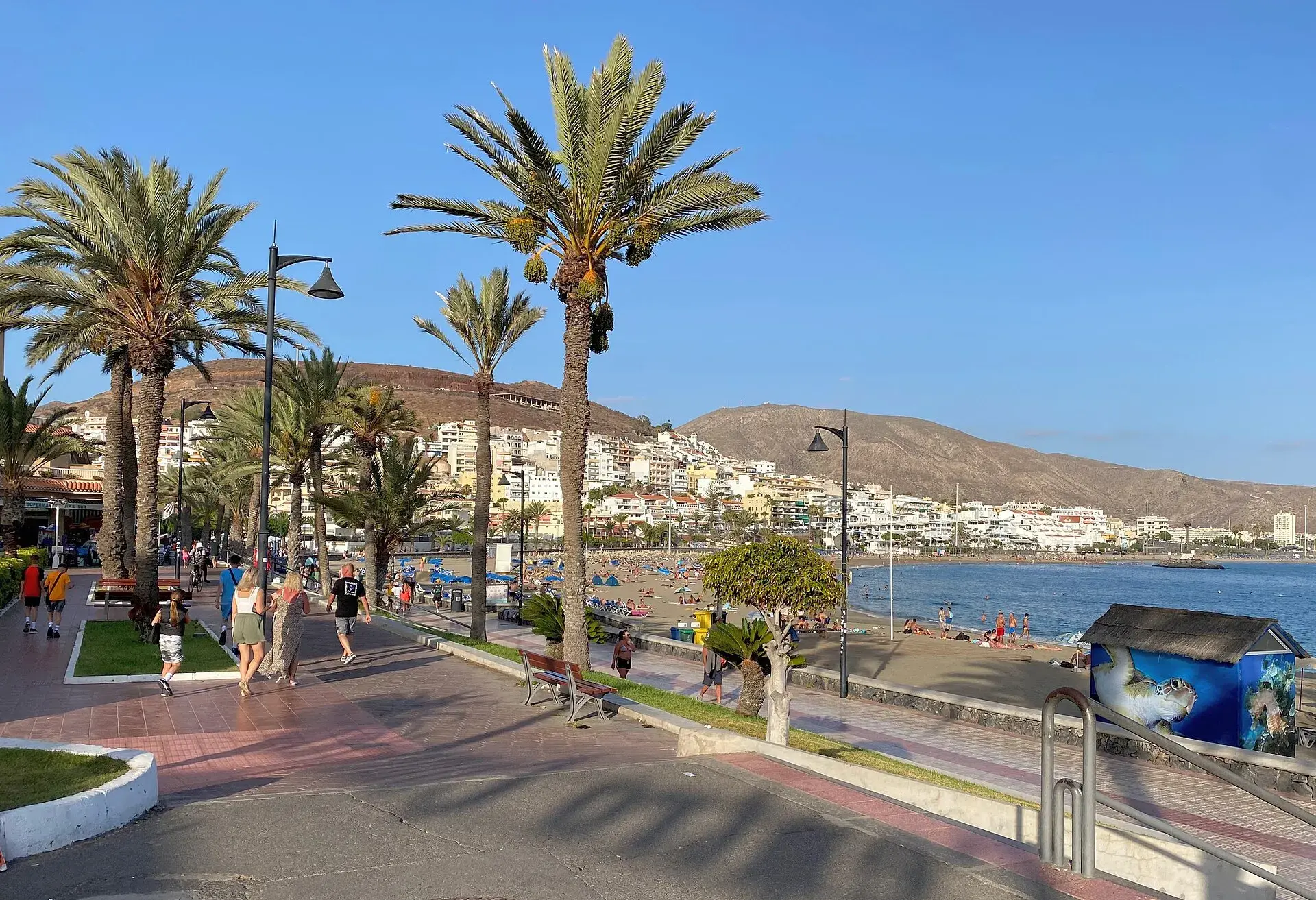
Accessible Tenerife: beaches, transport and step-free visits
Accessible Tenerife: beaches with assisted bathing and amphibious chairs, airport assistance, buses, tram and eurotaxi, and which visits work in a wheelchair.
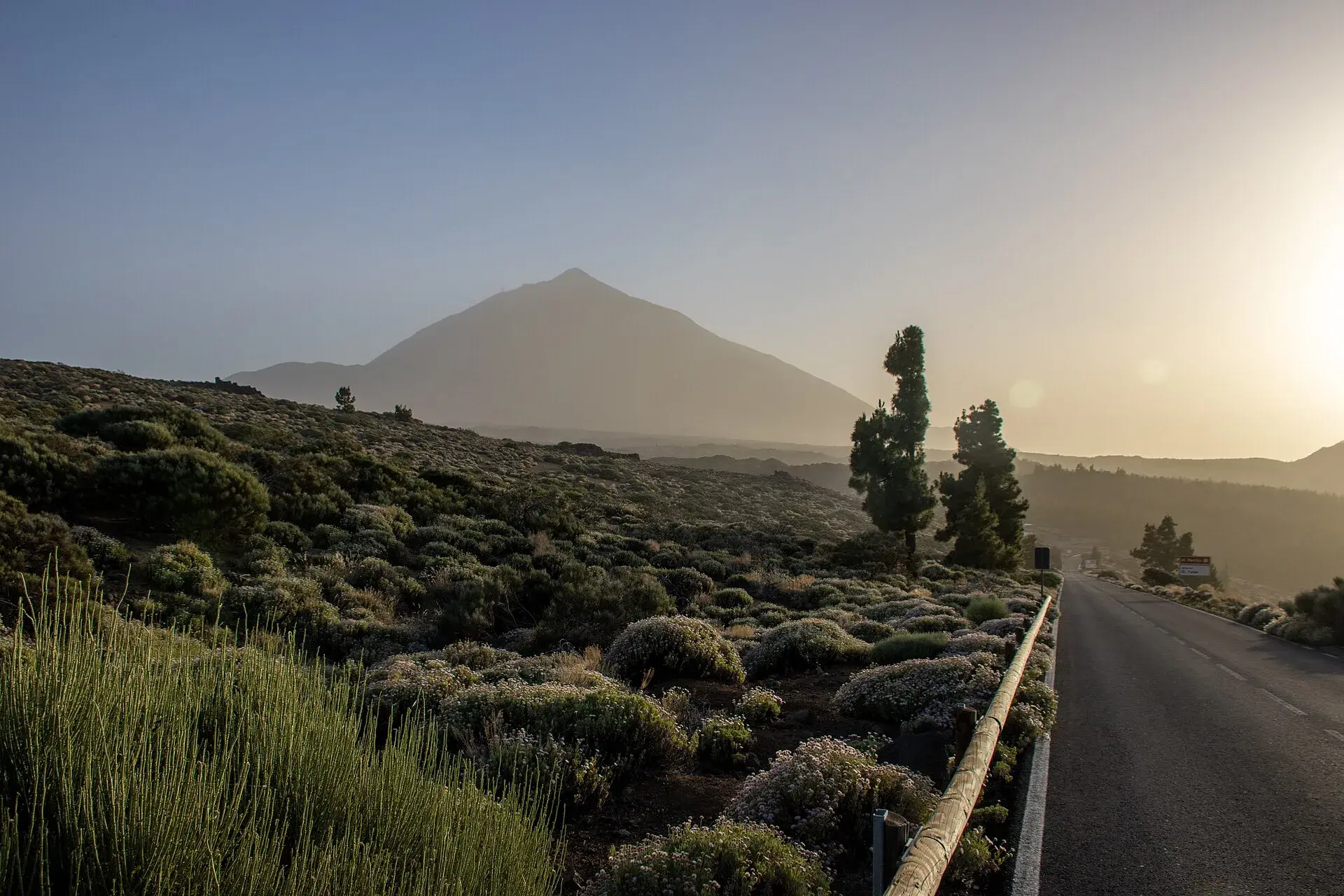
Calima in Tenerife: what it is, when it comes, how it affects you
Calima in Tenerife: what Saharan dust is, which months it tends to arrive, how it affects health and flights, where to check warnings and what to do that day.
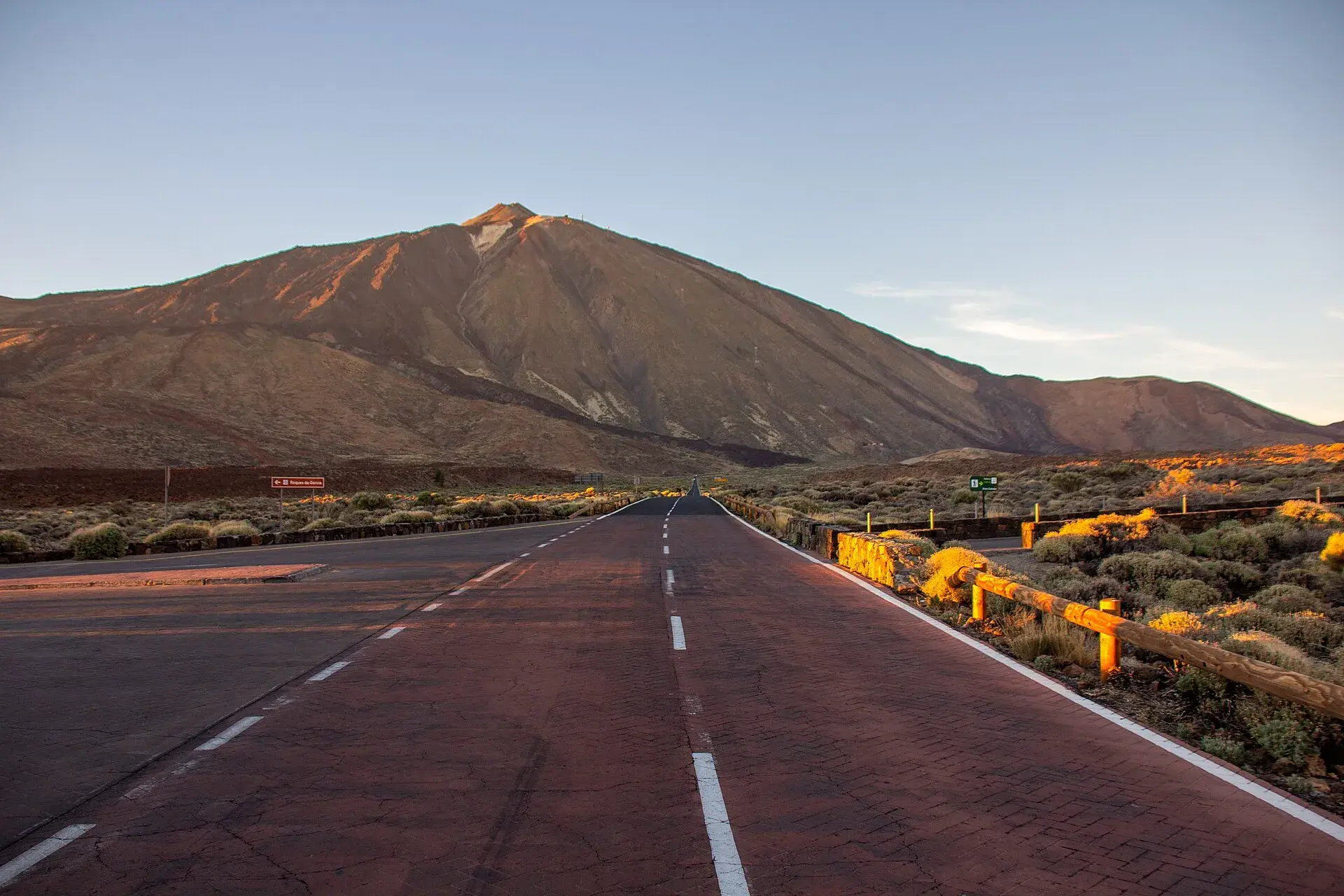
Car hire in Tenerife: insurance, deposit and useful tips
Car hire in Tenerife without surprises: when it pays off, insurance and excess, deposit, fuel, child seats, Masca, Teide and what to check at pick-up.
Digital nomads in Tenerife: visa, areas, housing and internet
Digital nomads in Tenerife: the remote work visa and 2026 requirements, EU citizen registration, the best areas to live, renting, healthcare and internet.