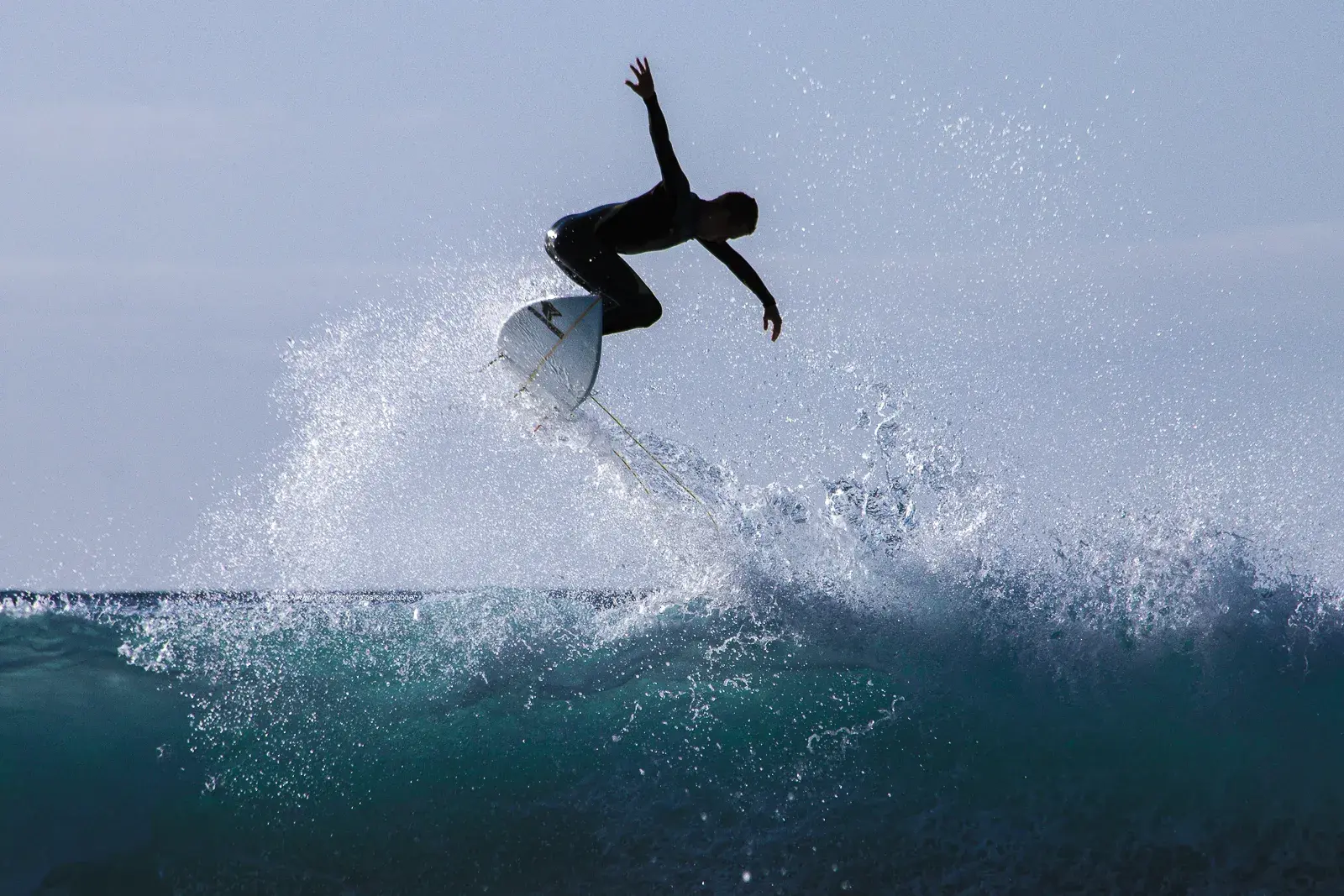
Photo by Buiobuione, CC BY-SA 4.0, via Wikimedia Commons
Surfing in Tenerife: spots by level, season and surf schools
Surfing in Tenerife is possible all year at more than twenty breaks spread across two coasts with opposite seasons: the north and north-west get the powerful winter swell, while the south and south-west, led by Playa de las Américas, have cleaner waves and surf schools right on the beach. For your first lesson, Las Américas or, in the north, Martiánez and Bajamar when the waves are small; if you already surf, La Izquierda, El Socorro and Almáciga; Punta Blanca and the hollower reefs are for experts only. This guide sorts the spots by level and explains when to go, what hazards each seabed has and how waves are shared.
How to read Tenerife's sea
Three factors decide which spot works on any given day:
- The seabed. Most of the island's waves break over volcanic reef: lava rock, sometimes shallow and covered in sea urchins. Sand or sand-and-callao (rounded boulder) bottoms are more forgiving and are where the schools teach. Turismo de Tenerife (the island's tourist board) sums it up: sand and rock for beginners and intermediates; volcanic reef for those who have mastered the technique.
- The swell direction. From October to March, North Atlantic low-pressure systems send the biggest swell to the north and north-west coasts. That same north-westerly swell wraps around the island and reaches the south-west, at Las Américas, smaller and cleaner. In summer the north goes flat and the south depends on less frequent southerly swells.
- The wind. The trade winds (north-easterlies) blow almost every day, especially in summer and in the afternoon. They mess up the sea on the north and east coasts, while the south-west is more sheltered. The best sessions are usually first thing in the morning.
The water is roughly 19 to 24 °C through the year: a 3/2 mm wetsuit is enough from June to November, and in winter many surfers switch to a 4/3.
Spots for beginners
Playa de las Américas (Arona and Adeje)
This is the base of surfing in the south: schools, shops and board hire along the promenade, and a stretch of coast with several breaks close together. The schools take beginners to the areas with the friendliest bottom and whitewater waves, and leave the reef peaks to advanced students. The area hosts competitions such as the Spring Surfest Las Américas Pro.
- Level: beginner with a school; the other peaks, intermediate and up.
- Best time: autumn to spring, with north-westerly swell; in summer the waves are small, suitable for learning.
- Watch out: many waves break over shallow rock; at low tide, paddle out and come in through the channels your school shows you.
Playa Martiánez (Puerto de la Cruz) and Bajamar (La Laguna)
Turismo de Tenerife rates them as beginner and intermediate spots. Martiánez is next to the Puerto de la Cruz promenade; Bajamar, on the La Laguna coast, is the alternative for the metropolitan area. In winter, with a big swell, they stop being beginner spots: go only when the waves are small and, if possible, with a school. The Puerto de la Cruz guide explains how to get around the town; Playa Jardín, on the same stretch of coast, also has a zone reserved for boards.
El Socorro (Güímar) and Playa del Faro (Arico)
Do not confuse this El Socorro, on the east coast in Güímar, with the one in Los Realejos: Turismo de Tenerife rates the Güímar one as beginner and intermediate, like Playa del Faro, in El Porís de Abona. They are quiet options in the east when the north is too big, but they also take the trade wind head-on: get there early.
Intermediate spots
La Izquierda or Spanish Left (Playa de las Américas)
The island's best-known wave: a short left, under 50 metres long, breaking over reef in front of the Las Américas promenade. It works with westerly and north-westerly swell and easterly or south-easterly wind, at any tide, and draws surfers from all over the world. That is exactly why it is usually crowded: respect the right of way and the locals, and do not paddle out if you cannot yet control your paddling and turns.
El Conquistador and La Fitenia (Las Américas)
A few metres from La Izquierda. La Derecha del Conquistador breaks over volcanic reef and becomes fast and hollow with a medium swell; Turismo de Tenerife rates it intermediate to expert. La Fitenia, on the same coast, is an irregular reef with lefts and rights that usually works with southerly swell. Las Palmeras, also in Arona, has a similar profile: reef, a wave that barrels and intermediate-to-expert level.
El Socorro (Los Realejos)
The north's surf beach: about 400 metres of grey sand, rights and lefts all year round, a zone reserved for boards and a Red Cross post. It is a sand beach, but the sea is powerful and the currents strong; in winter there are days that are not for anyone. Access, parking and swimming conditions are in the El Socorro beach guide.
Almáciga (Anaga)
Anaga's surf beach, at the end of the Taganana road and of bus (guagua) route 946 from Santa Cruz. Turismo de Tenerife highlights its walls and barrels for several levels, and the island's schools bring students here when the south is flat. There are no lifeguards: do not surf alone. How to get there and where to park are in the Almáciga beach guide.
Spots for experts
- Punta Blanca (Guía de Isora): a short, powerful wave over volcanic reef that forms a pronounced barrel; it is as well known for bodyboarding as for surfing. Hello Canary Islands recommends it from October to May, at low or mid tide, and advises boots for getting in over the rock. It hosts the Tenerife Puntablanca Young Series, an under-21 competition with no fixed date, because it is called when the swell arrives.
- Las Conchas (Santiago del Teide): reef and a barrelling wave, intermediate to expert.
- La Caleta de Interián (Los Silos): in the Isla Baja area, for experienced surfers; it takes the full force of the north-westerly swell.
Which to choose for your level
- First lesson: Playa de las Américas with a school; in the north, Martiánez or Bajamar with small waves.
- You can already stand up and turn: El Socorro (Los Realejos) on medium days, Almáciga, El Socorro (Güímar).
- Solid intermediate: La Izquierda, El Conquistador, La Fitenia.
- Expert: Punta Blanca, Las Conchas, La Caleta de Interián and the northern reefs in winter.
- Bodyboarding: Punta Blanca, El Socorro and Almáciga.
Best season per coast
- North and north-west (El Socorro, Martiánez, Almáciga, Isla Baja): October to March brings the biggest and most consistent swell; in summer, smaller days suitable for lower levels.
- South-west (Las Américas, Punta Blanca, Las Conchas): winter is also the best season, with the north-westerly swell cleaner and sheltered from the trade wind; in summer, occasional southerly swells.
- East (Güímar, Arico): when an easterly or north-easterly swell comes in, with the drawback of the wind.
If you are travelling for just one week, check the swell forecast before booking your hire car: from the south, the north is more than an hour's drive away. The best time to visit Tenerife compares the rest of the weather month by month.
Schools, age and board hire
- Schools: they are concentrated in Las Américas and in the north, and many take their students to the spot of the day depending on the sea. The beginner lesson usually includes a soft-top board and wetsuit; confirm the duration and what the price includes.
- Age: each school sets its own minimum age. Ask before booking and make sure your child is a confident swimmer.
- What to check: a qualified instructor, small groups, insurance, and that the school changes spot or postpones the lesson if the sea is not suitable.
- Hire: shops and schools rent soft-tops, mini-mals and fibreglass boards by the hour or the day, along with wetsuits. Where the bottom is rocky, consider boots.
- Your own board: if you fly with it, check the airline's sports equipment fee before buying your ticket, and bear in mind that a longboard will not fit in a small hire car without a roof rack.
You do not need a permit or licence to surf.
Rules in the water
- Right of way: the wave belongs to whoever is closest to the peak (the point where it starts to break). Do not drop in (do not take off in front of someone who is already riding it).
- Paddling out: when heading back to the peak, go around the impact zone and do not cross in front of someone who is surfing.
- Do not let go of your board: at a crowded peak, a loose board hits other people.
- Swimming zones: on beaches with buoyed zones, such as El Socorro or Playa Jardín, surf only in the zone reserved for boards; boards are not allowed in the swimmers' zone.
- Flags: with a red flag, do not go in the water.
- Taking turns and respect: at small spots, wait your turn and say hello; locals recognise those who respect the order.
Hazards and how to avoid them
- Reef and sea urchins: most injuries happen when falling in shallow water or stepping on the rock. Fall flat, protect your head and wear boots where there is rock. Sea urchin spines should be treated at a health centre, not pulled out by force.
- Currents: on open beaches such as El Socorro or Almáciga there are rip currents. If one pulls you out, do not paddle against it: move parallel to the shore until you are out of it.
- Groundswell: big sets arrive suddenly. Watch the sea for at least ten minutes before going in.
- Fatigue and sun: Turismo de Tenerife recommends no more than two hours per session, not surfing alone and drinking water; in the south the UV is intense even in winter.
- Water quality: after heavy rain, avoid the areas around outfalls and ravines (barrancos) until the health authority confirms the water is fit for bathing.
Windsurfing and kitesurfing in El Médano
When the surf is not working, the wind is: El Médano, in Granadilla de Abona, has wind almost every day and is one of Europe's great windsurfing and kitesurfing centres, with world championship events. The main beach is for intermediate to advanced level, La Tejita suits lower levels with a sandy bottom and El Cabezo is for experts; the town's schools cover every discipline. Zones and advice for swimmers are in the El Médano beach guide.
Frequently asked questions
When is the best time to surf in Tenerife?
October to March, when the North Atlantic swell reaches the north of the island and, cleaner, Las Américas. For learning, summer has smaller waves and warmer water.
Where is the best place to learn to surf in Tenerife?
Playa de las Américas, with a school, because of the number of schools and the option of choosing the peak depending on the day. In the north, Martiánez and Bajamar work when the waves are small.
Can you surf in Tenerife in summer?
Yes, although the waves are smaller: it is the best season for beginner lessons. Las Américas gets occasional southerly swells, and the north has gentle days suitable for beginners.
Do you need a wetsuit?
Yes, almost all year. With the water between 19 and 24 °C, a 3/2 mm is enough in summer and autumn, and in winter many people use a 4/3, especially early in the morning and in the wind.
Is surfing in Tenerife dangerous?
It is if you choose a spot above your level. Almost all the reefs break over shallow rock with sea urchins; the open beaches in the north have currents. With a school, at the right peak and not surfing alone, the risk is low.
Keep planning
You may also like
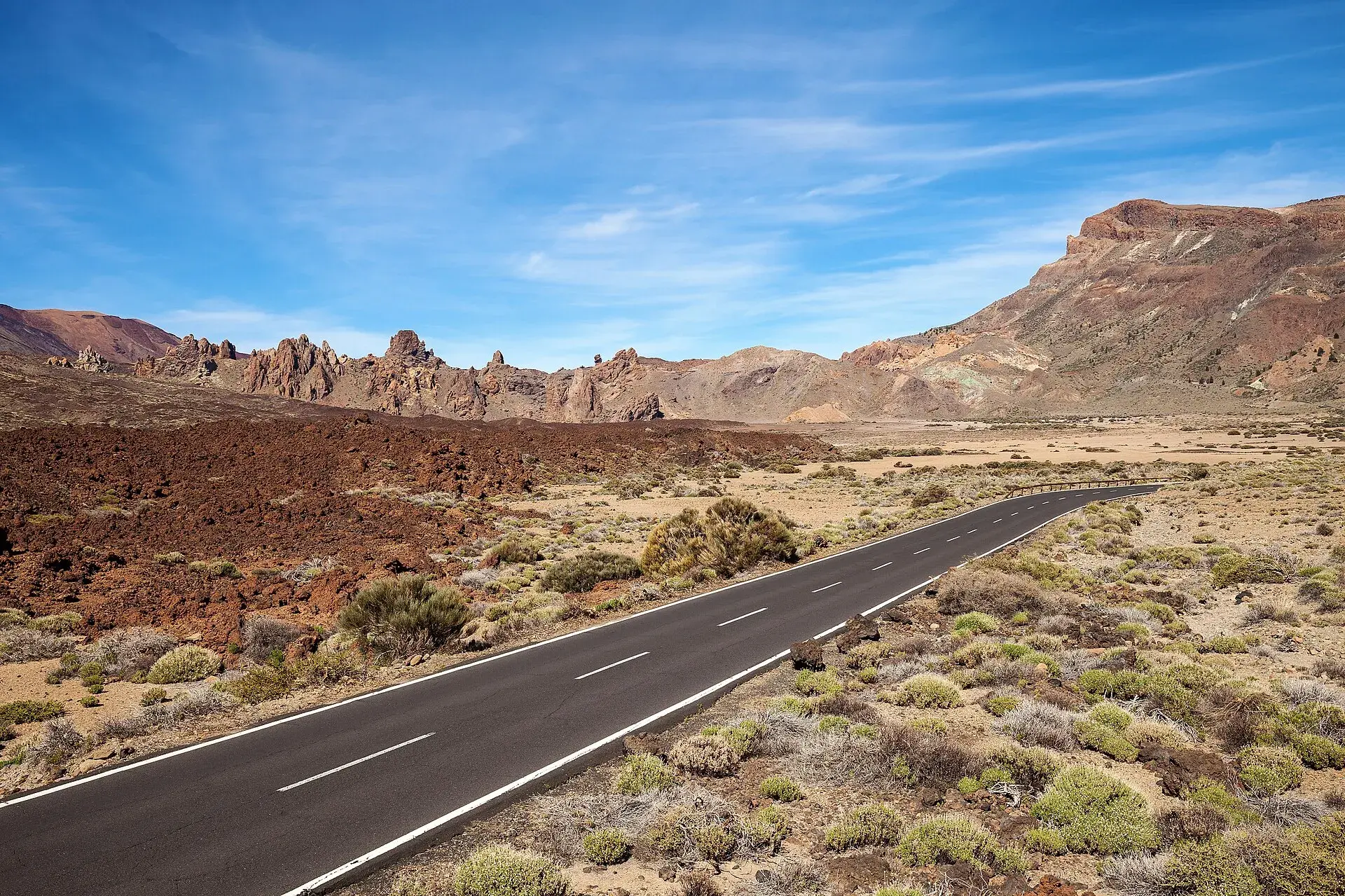
Cycling in Tenerife: riding up Teide and the key routes
Cycling in Tenerife: how to ride up Teide via Vilaflor, La Orotava, La Esperanza and Chío, with distances, elevation gain, best season, rules and bike hire.
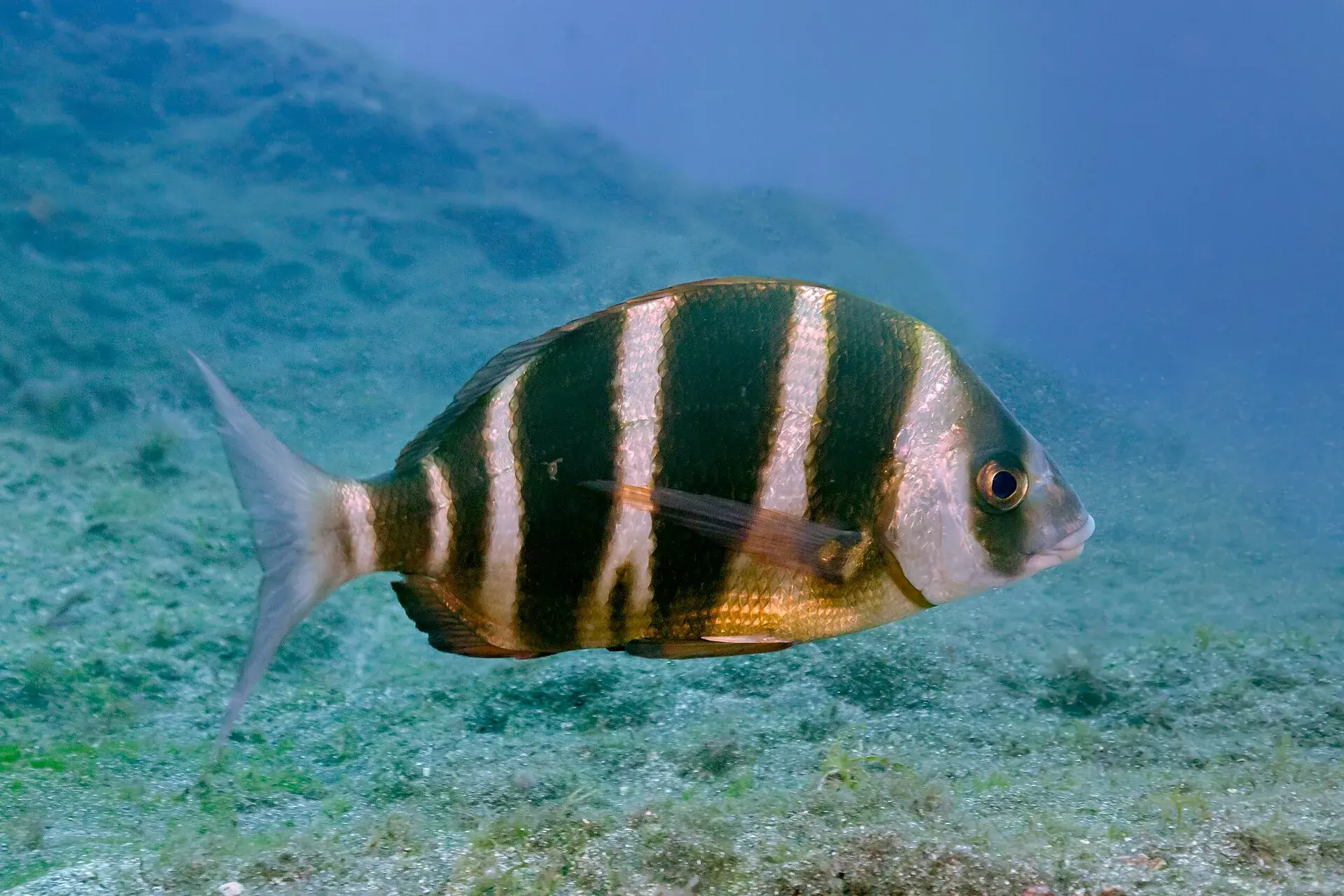
Diving in Tenerife: best spots, snorkelling, try dives and rules
Diving and snorkelling in Tenerife by area: Abades, El Puertito, Las Galletas, Radazul, Los Gigantes and Garachico, with depth, wildlife, try dives and safety.
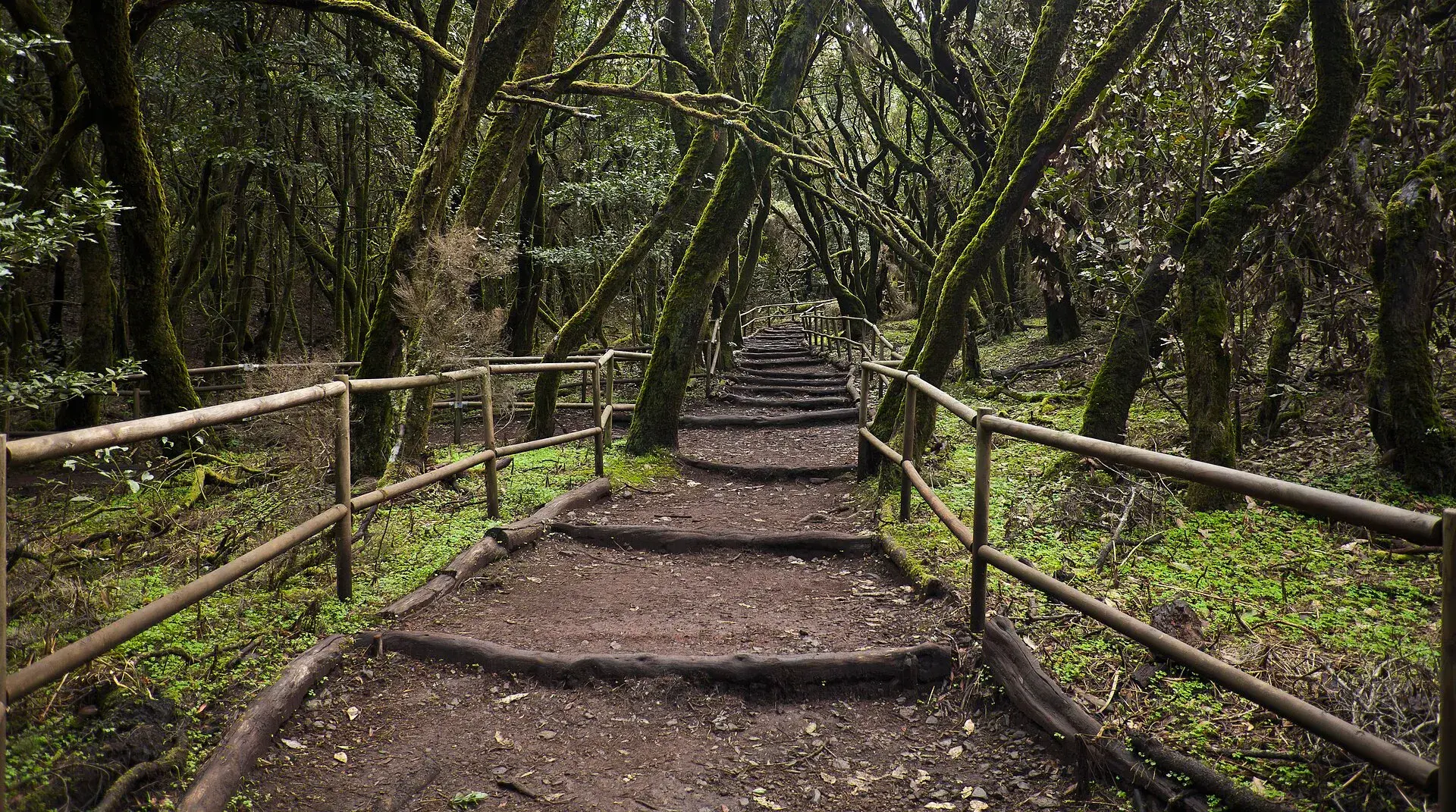
La Gomera day trip from Tenerife: ferry, route and timings
La Gomera day trip from Tenerife: ferries from Los Cristianos, car or tour, a route through Garajonay, Hermigua and Agulo, and how not to miss the last boat.
 Featured
Loro Parque or Siam Park: which to choose, prices and Twin Ticket
Loro Parque or Siam Park: differences, prices and Twin Ticket in 2026, opening hours, free buses, minimum heights, food, queues and who each park suits best.