Photo by Falk2, CC BY-SA 4.0, via Wikimedia Commons
Learn Spanish in Tenerife: courses, DELE and where to stay
There are two routes to learning Spanish in Tenerife with institutional backing: the private schools on the Instituto Cervantes list of accredited centres, and the Spanish courses for foreigners linked to the Universidad de La Laguna (ULL). Beyond that, your choice depends on three things: how many hours a week you need, whether you want an official certificate such as the DELE or the SIELE, and which part of the island you will live in, because practising the language in La Laguna is not the same as practising it in a southern resort.
How to check that a course is serious
Instituto Cervantes accreditation
The Instituto Cervantes runs an accreditation scheme for centres that teach Spanish as a foreign language. To obtain it, a school must teach face-to-face classes and pass an assessment of its academic programme, teaching staff, facilities and the information it gives students. Accreditation is not permanent: it is reviewed periodically.
At the time this guide was last reviewed, the official list of accredited centres in Spain included three in Tenerife, located in Costa Adeje and Puerto de la Cruz. Before paying any enrolment fee, check on that list (on the Instituto Cervantes accreditation website) that the school appears with the same name and town it advertises.
The university option
The Fundación General de la Universidad de La Laguna runs Spanish courses for foreigners at sites in the metropolitan area (Santa Cruz and La Laguna) and in the south of the island. According to its website, the programme includes:
- Monthly courses: 24 hours of lessons, in groups of up to 24 students.
- Conversation courses: for those who already have a foundation and need spoken fluency.
- DELE preparation: courses focused on the exam format.
- Intensive summer courses and specific courses: culture, reading, writing and other topics.
- Levels: from beginner to advanced, organised according to the Common European Framework of Reference (CEFR).
- Credits: one course plus one certification can be recognised with ECTS credits, which is useful for university students.
There are discounts for members of the university community, Erasmus students and jobseekers. Prices and calendars change every academic year: check the official website before planning your trip.
Questions to ask before you enrol
- Actual class hours: "20 lessons" is not always 20 hours; ask how long each session lasts.
- Group size: with fewer than ten students you speak far more in class.
- Placement test: a serious centre tests you before assigning a group, not on the first day on the fly.
- Start dates: some courses accept new students every Monday, others have fixed start dates.
- Final certificate: if you need it for a job or a university, confirm which hours and which level it will show.
- Cancellation policy: read it in writing, especially if you pay several weeks in advance.
Types of course by goal
- Intensive: 20 to 30 hours a week, usually in the morning. This is the format for fast progress on stays of two to eight weeks and the one consulates usually require for a student visa. It leaves little free time during the week.
- Semi-intensive or evening: 4 to 10 hours a week. It suits you if you work remotely or live on the island and want to progress without devoting the whole day to it.
- Private lessons: the fastest progress per hour, at a higher hourly price. They work well for specific goals (a job interview, an oral exam, professional Spanish) or combined with a group course.
- Course with homestay: the most complete immersion, because you have to speak Spanish at breakfast and dinner. Ask how many students the family hosts at the same time and of which nationalities: if you share the house with someone from your own country, the temptation to switch language is strong.
- Exam preparation: courses of one to four weeks focused on the DELE or SIELE format. They make sense when you are already close to the level you want to certify.
DELE and SIELE: which exam to choose
The DELE (Diplomas de Español como Lengua Extranjera) is the official qualification issued by the Instituto Cervantes on behalf of the Spanish Ministry of Education. It is taken by level (A1 to C2), in sittings on fixed dates throughout the year, and the diploma does not expire. It is the one usually required for Spanish citizenship (level A2) and by many public institutions.
The SIELE is a computer-based multilevel exam promoted by the Instituto Cervantes together with universities in Spain and Latin America. It gives a score that translates into a CEFR level, lets you choose a date more flexibly and delivers results sooner, but the certificate is valid for a limited time.
Tenerife has centres that run both exams, and what is on offer changes from one sitting to the next. The reliable way to find them is the exam centre search on the Instituto Cervantes exams website (DELE) and the official SIELE website, filtering by Spain and Santa Cruz de Tenerife. Register in good time: places in each DELE sitting are limited and registration closes weeks before the exam.
Where to stay to practise the language
The area you choose matters as much as the school. These are the main options; the guide where to stay in Tenerife by area covers each in more detail. If you will also be working remotely from the island, the guide for digital nomads in Tenerife covers the visa, medium-term rentals and connectivity.
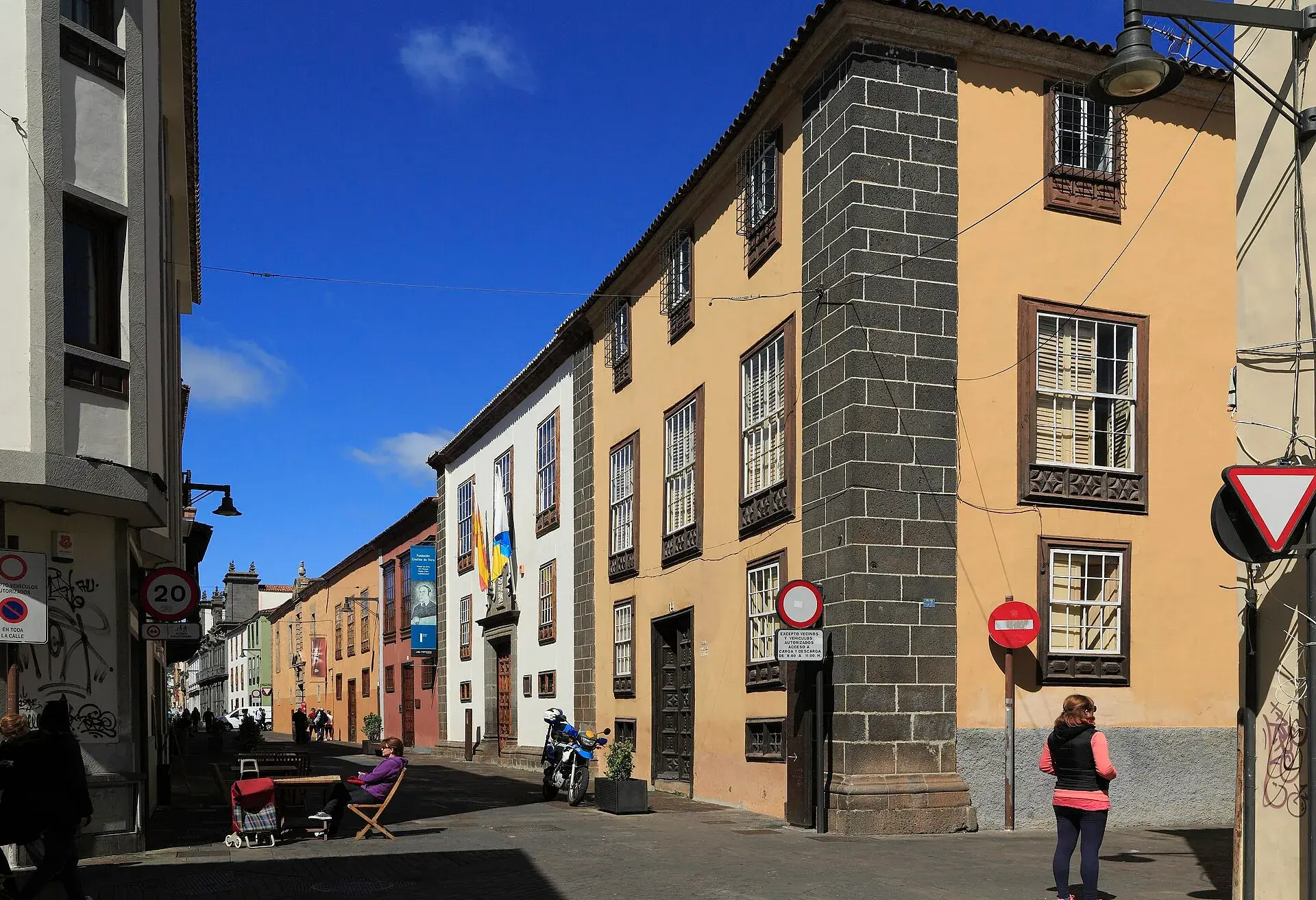
- San Cristóbal de La Laguna: a university city and World Heritage Site, with student life, bars and cultural activity in Spanish throughout the academic year. It offers the most immersion. Drawbacks: a cooler, more humid climate than the coast and fewer beaches close by.
- Santa Cruz de Tenerife: the capital, with services, shops, a market and everyday Canarian life. Good tram connection to La Laguna and guagua (the local word for bus) connections to the rest of the island. You hear less English than in the tourist areas.
- Puerto de la Cruz: a tourist town in the north with residential neighbourhoods and its own local life. A balance between holiday atmosphere, mild climate and chances to speak Spanish. Part of the island's accredited schools are based here.
- The tourist south (Costa Adeje, Los Cristianos, Playa de las Américas): the best beach weather and plenty of accommodation, but much of daily life runs in English or German. If you study here, look for activities outside the resorts so you do not run out of practice.
To get between areas without a car, the guide getting around Tenerife explains the tram and TITSA's guagua lines.
Visas and stays: the basics
This section is for guidance only. Always confirm your situation with the consulate or immigration office concerned.
- Citizens of the European Union, the European Economic Area and Switzerland: no visa needed. If you will live in Spain for more than three months, you must apply for registration in the Central Register of Foreign Nationals (Registro Central de Extranjeros) within three months of arriving, in person, at the provincial immigration office or the relevant police station.
- Other nationalities, stays of up to 90 days: no student visa is needed. Depending on your nationality, your passport may be enough or you may need a short-stay Schengen visa.
- Other nationalities, stays of more than 90 days: you need a student visa, applied for at the Spanish consulate in your country of residence by appointment. Some consulates require full-time study at an authorised centre, with a minimum of 20 hours a week, and ask you to apply at least two months in advance. If the stay exceeds six months, you must apply for the Foreigner Identity Card (TIE) within a month of entering Spain.
An evening course of a few hours a week is not usually enough for a student visa. If you need one, ask the school for an enrolment certificate stating the weekly hours and total length.
Canarian Spanish: what you will hear
The Spanish spoken in Tenerife has its own features, and knowing them helps you avoid confusion in the street:
- Seseo: "z" and "c" before "e" or "i" are pronounced as "s". "Cerveza" sounds like "servesa".
- Ustedes instead of vosotros: to address several people, "ustedes" is used even among friends ("¿ustedes vienen?"). In class you will learn "vosotros", but on the island you will hardly hear it.
- Soft final "s": at the end of a syllable it is aspirated or weakened, so "los niños" can sound like "loh niñoh".
- Vocabulary: guagua (bus), papas (potatoes), millo (maize), cotufas (popcorn), "mi niño" or "mi niña" as a term of endearment, and "chacho" as an exclamation of surprise.
How to practise outside class
Class hours give you structure; fluency comes from what you do afterwards.
- Language exchanges: in La Laguna and Santa Cruz you will often find exchange meet-ups in bars and cultural venues, especially during the academic year. Schools usually have up-to-date information.
- Markets: shopping at a municipal market forces you to ask questions, understand quantities and listen to the local accent.
- Local food: at the guachinches in the north the menu is often spoken and in Spanish, excellent listening practice.
- Culture in Spanish: theatre, concerts, original-language cinema and village festivals. The events calendar and the guide to cultural activities in Tenerife help you find plans.
Common mistakes
- Choosing on weekly price alone: compare actual class hours and group size, not just the fee.
- Staying in a resort and expecting immersion: in the south you can go whole days without needing to speak Spanish.
- Aiming for the DELE without checking the calendar: sittings have fixed dates; if you arrive a week after the exam, you will have to wait for the next one.
- Booking a short course for a long-stay visa: check the hours requirements before you pay.
Frequently asked questions
How long does it take to notice progress?
With an intensive course of around 20 hours a week, you will notice clear progress in comprehension and fluency within two to four weeks, especially if you practise outside class. Moving up a full CEFR level usually takes considerably longer and depends on your starting point.
Is it better to study in the north or the south?
For immersion, the north and the metropolitan area (La Laguna, Santa Cruz, Puerto de la Cruz) offer more life in Spanish. The south has better beach weather, but English dominates in the tourist areas.
Can I take the DELE in Tenerife?
Yes, there are exam centres on the island, but not all of them run every sitting or every level. Check the centre and the sitting in the official Instituto Cervantes search before booking your trip.
Will I learn "odd" Spanish by studying in the Canaries?
No. Classes teach standard Spanish, and the Canarian variety is entirely correct. The only differences you will notice are that people say "ustedes" instead of "vosotros" in the street and that the pronunciation is closer to Latin American Spanish.
What is the best time of year for a course?
It depends on what you are after: during the university year (September to June) La Laguna has more of a student atmosphere, and in summer there are intensive courses. The guide to the best time to visit Tenerife helps you choose according to the weather.
Keep planning
You may also like

Loro Parque guide: opening hours, shows and getting there
Visiting Loro Parque in Puerto de la Cruz: show times, Planet Penguin, the free train, parking, the Twin Ticket, food and practical tips for a full day out.
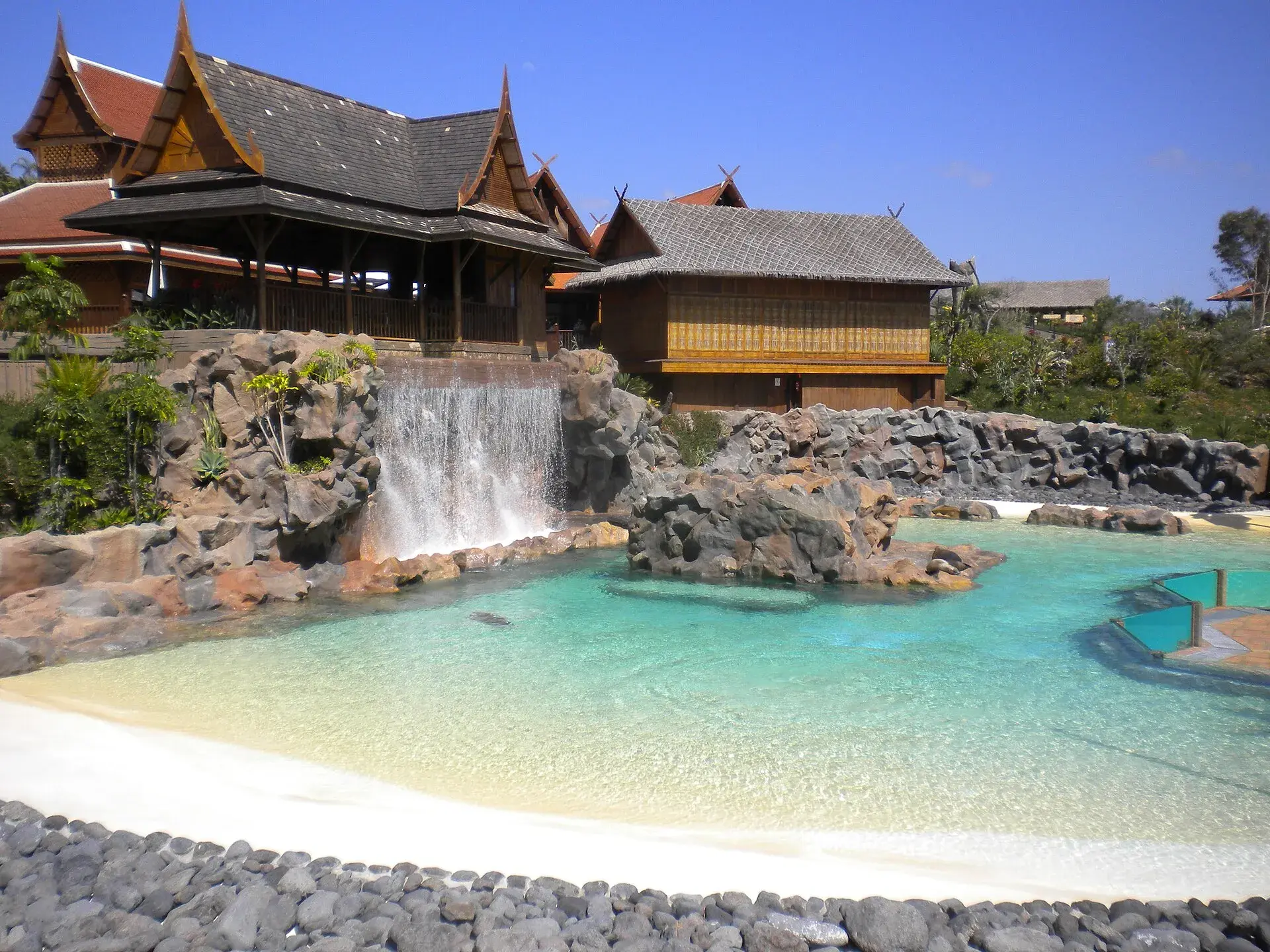
Siam Park guide: rides, height limits and getting there
Visiting Siam Park in Costa Adeje: rides and height limits, opening hours, free buses, Fast Pass, lockers, food and practical tips for Tenerife's water park.
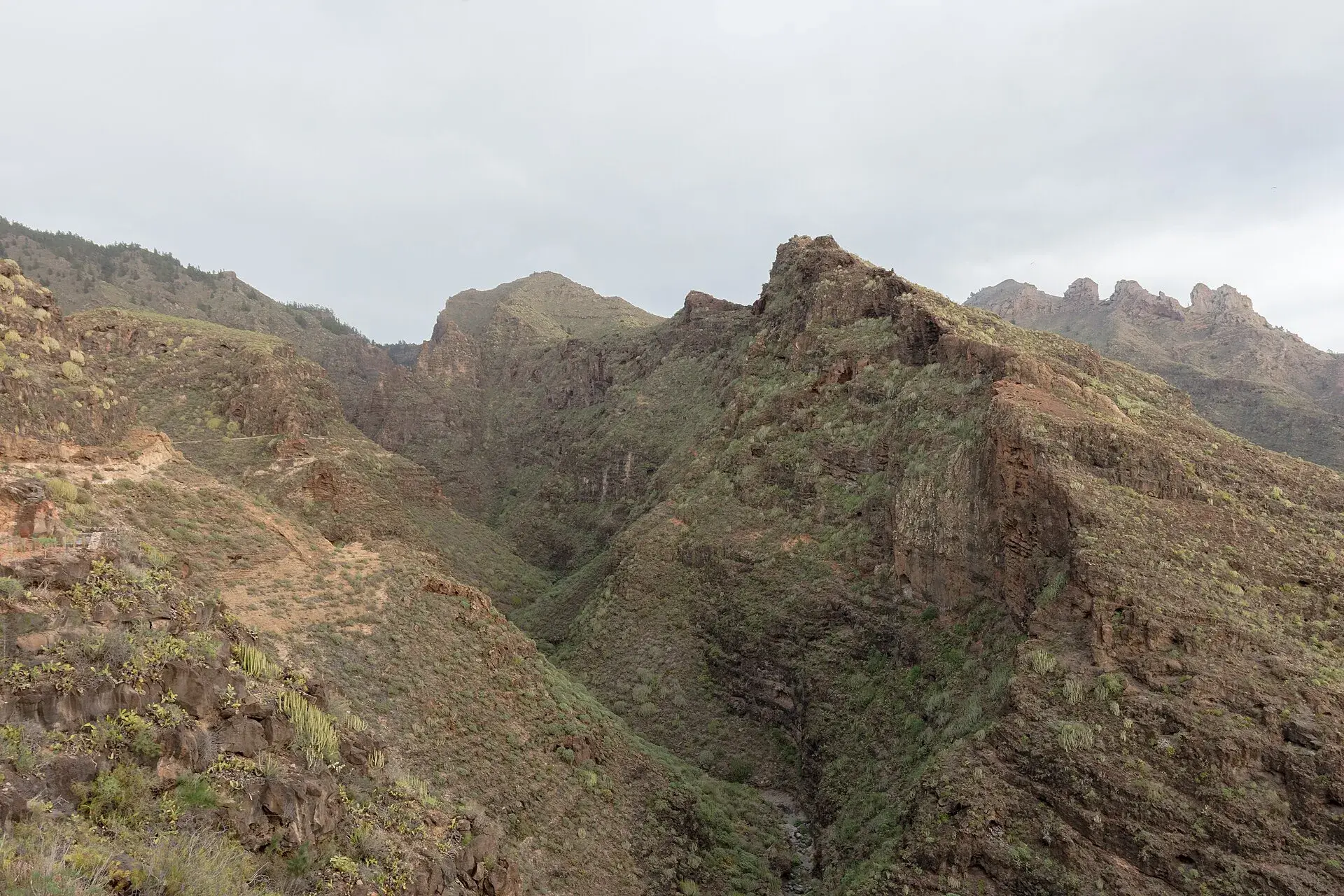
Barranco del Infierno hike: tickets, booking, times and rules
Barranco del Infierno hike in Adeje: tickets at €16, €6 for Canary residents, compulsory booking, entry times, minimum age, helmet, rain closures and buses.
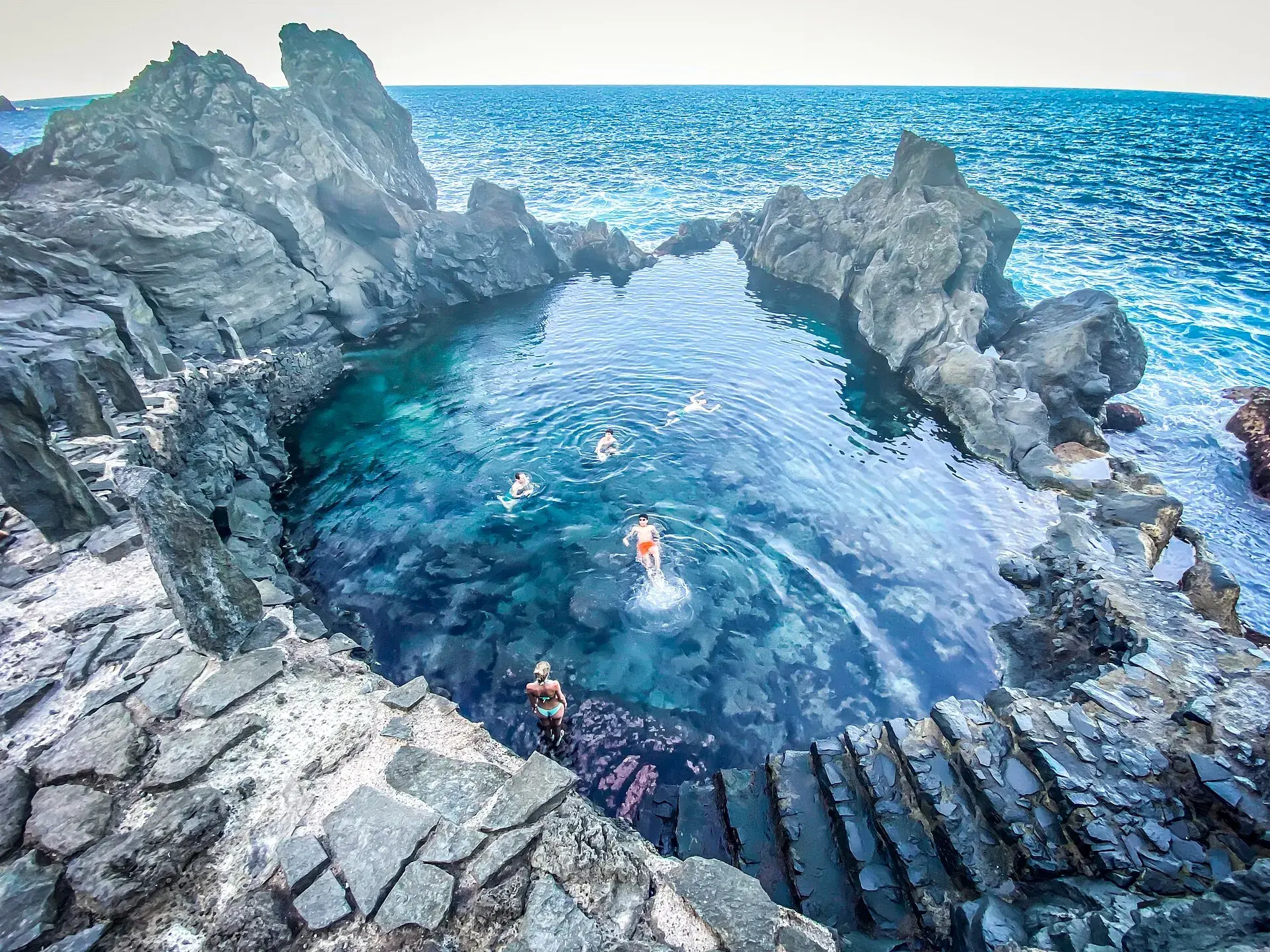
Free things to do in Tenerife: beaches, pools, hikes, museums
Free things to do in Tenerife: beaches, rock pools, viewpoints, permit-free hikes, old towns, free museums and fiestas, and what costs parking or a booking.